UEW M.Phil. Students Embark on Scientific Field Tour to Advance Practical Learning


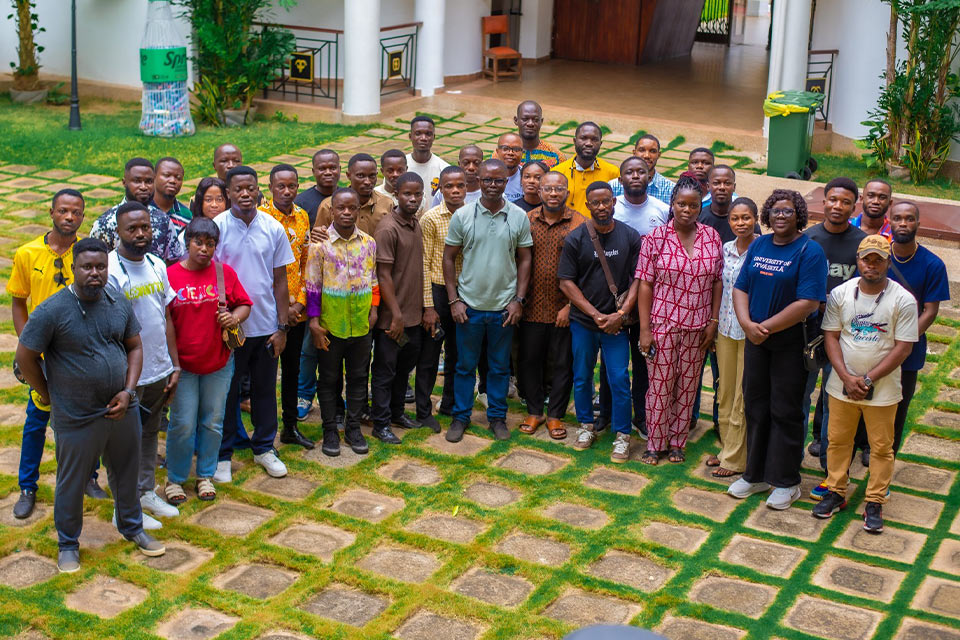
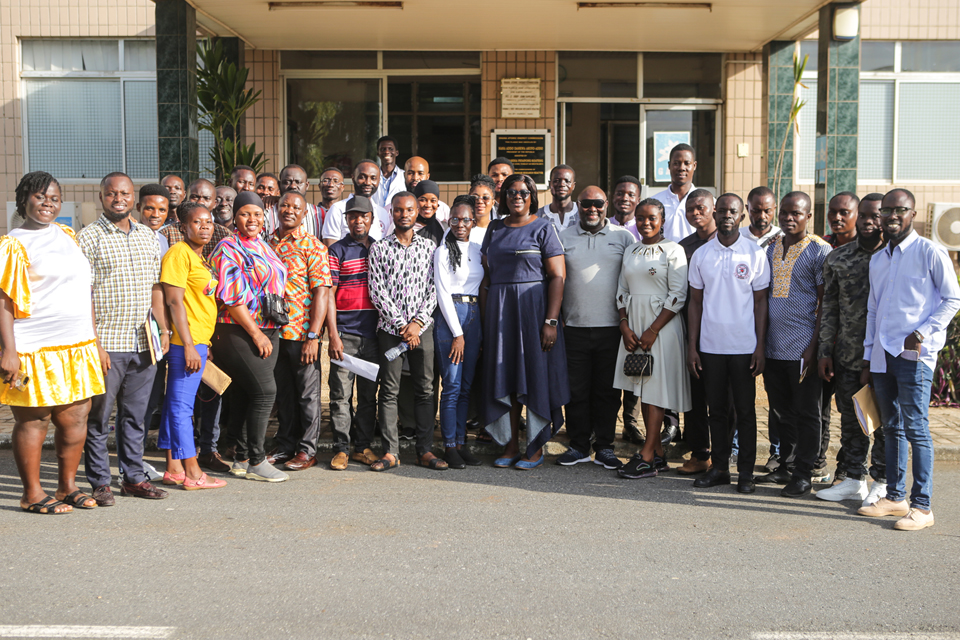
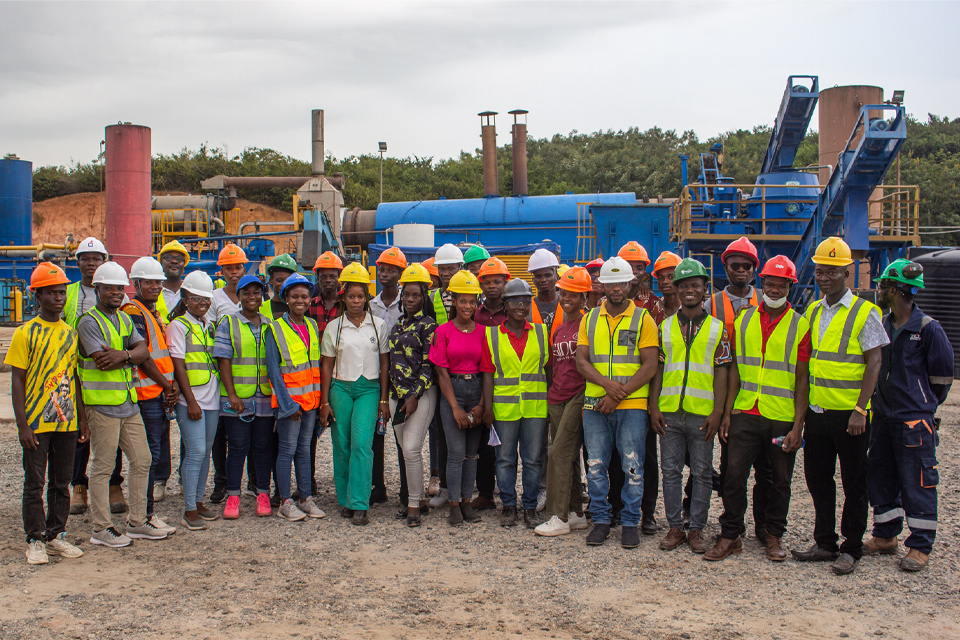
Master of Philosophy (M.Phil.) students from the Departments of Integrated Science Education (DISE) and Environmental Science Education (DESE) at the University of Education, Winneba (UEW), have undertaken a two-day educational field trip to the Aburi Botanical Gardens and the Ghana Atomic Energy Commission.
This educational trip forms part of efforts to strengthen practical scientific learning and research exposure.
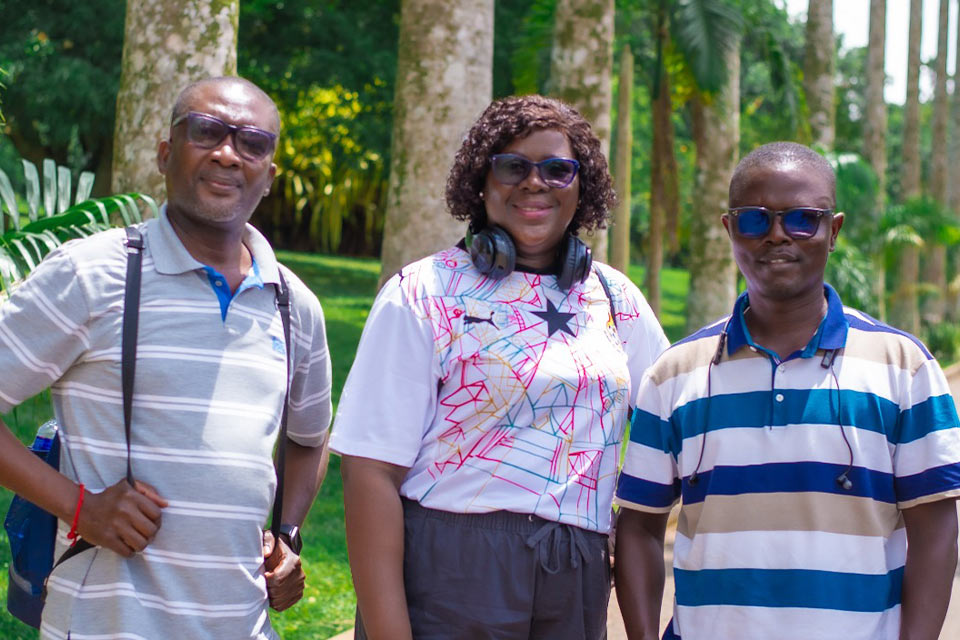
The educational tour, held from Thursday, 14th to Friday, 15th May, 2026, was initiated and led by Dr. Nelly Adjoa Sakyi-Hagan, the Head of DISE, with support from Dr. Stephen Twumasi Annan and Dr. Felix Tetteh Kabutey. The trip formed part of postgraduate training in courses such as Advanced Plant Anatomy and Physiology, Nuclear Physics and Electronics, Insect Science and Integrated Pest Management as well as Research Methods and Thesis Proposal. A total of 40 students were involved.
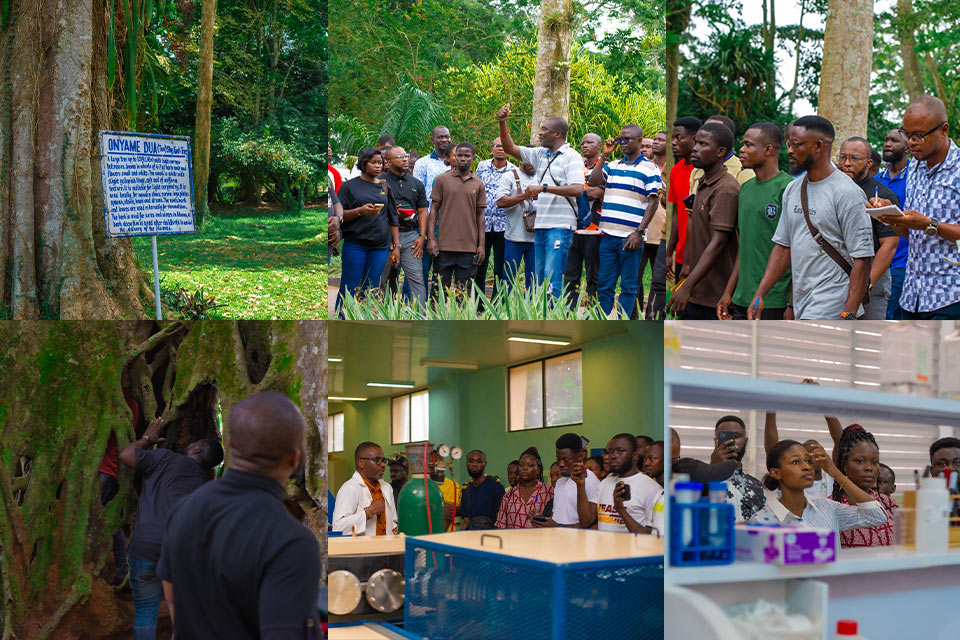
At the Aburi Botanical Gardens, students were introduced to the gardens' rich history, established in 1890 and to the important role of plant conservation in sustaining biodiversity. They observed endangered plant species and studied ecological concepts including symbiotic relationships, parasitism, epiphytes and tree-age determination through growth rings.
The students also engaged in practical exercises such as measuring tree heights using clinometers and surveyors’ measuring tape. This deepened their understanding of plant anatomy, physiology and conservation practices.
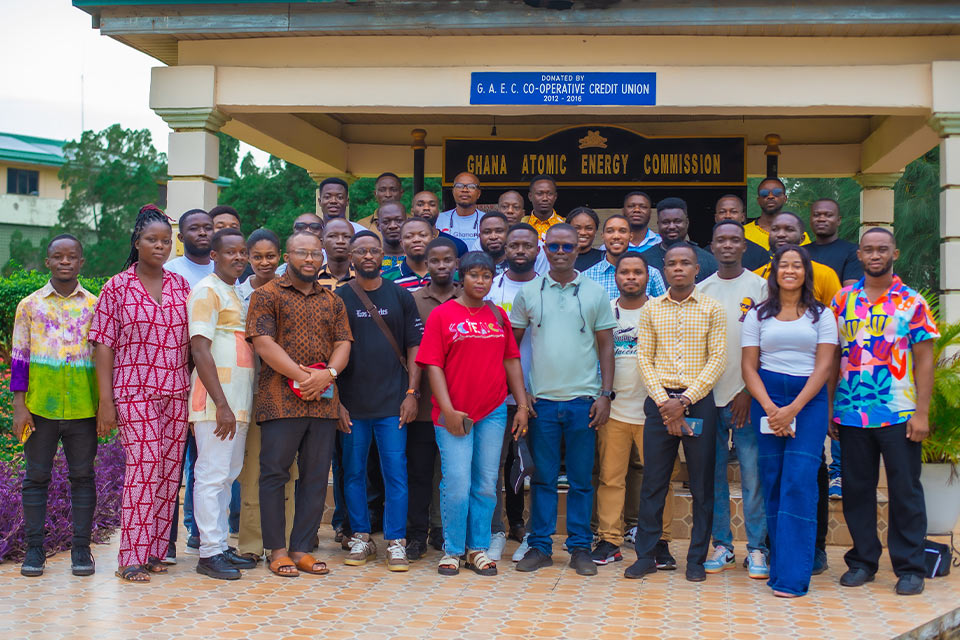
The team also visited several institutes under the Ghana Atomic Energy Commission. These included the National Nuclear Research Institute, the School of Nuclear and Allied Sciences, the Radiation Protection Institute and the Biotechnology and Nuclear Agriculture Research Institute. At the Accelerator Research Centre, students were introduced to the application of nuclear science and technology in mineral and food analysis, the basic operations of nuclear reactors and the application of electricity and magnetism in nuclear science.
At the Plant Disease Research Centre, the team learned about the detection and management of plant diseases caused by bacteria, fungi and viruses. Discussions focused on plant disease surveillance, pest control systems, farmer support services and plant genetic modification, with particular attention given to Banana Bunchy Top disease.
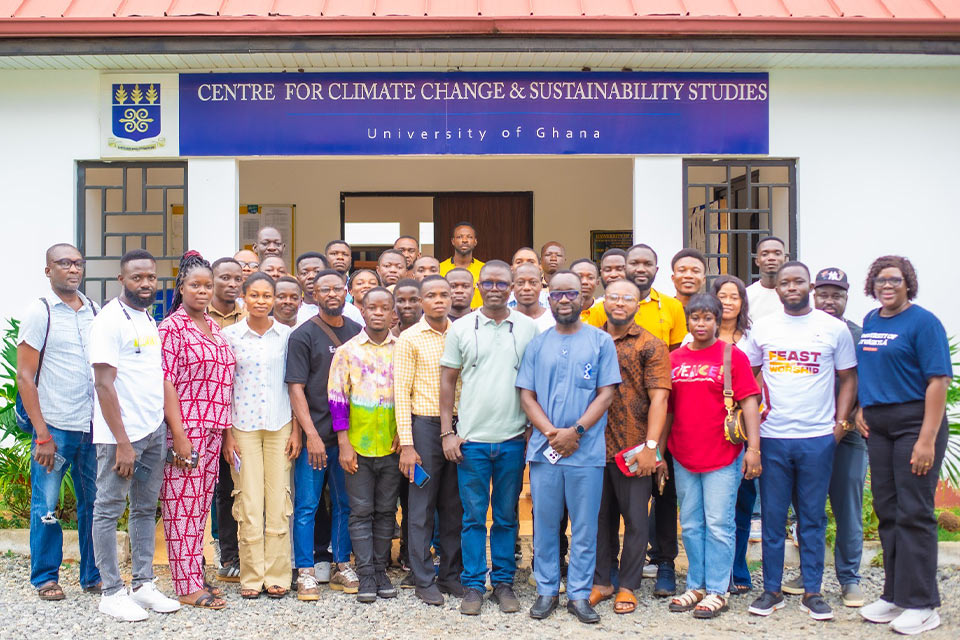
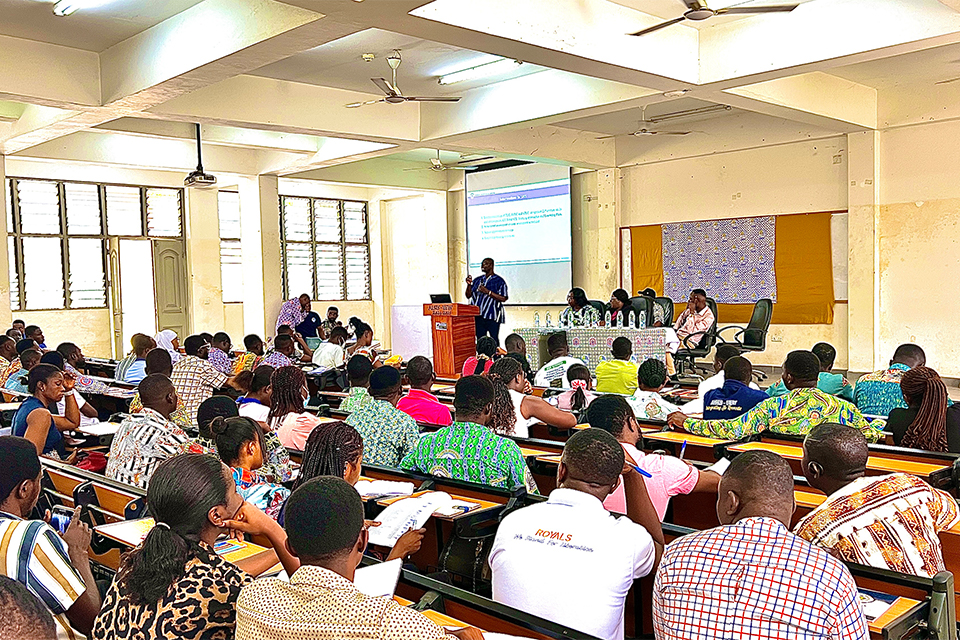
The educational experience extended to the Centre for Climate Change and Sustainability Studies and the Institute for Environment and Sanitation Studies at the University of Ghana, Legon. The students explored research opportunities in climate change, biodiversity, renewable energy, food security, water resources and green economy studies. The students observed the analysis of water, soil and plant samples including testing for heavy metals using Atomic Absorption Spectrophotometry, at the Ecological Laboratory.
Speaking on the significance of the tour, Dr. Nelly Sakyi-Hagan explained that the initiative was designed to bridge the gap between classroom theory and practical scientific experience. She noted that exposing postgraduate students to research institutions and field-based learning environments is critical for strengthening research capacity, deepening conceptual understanding and helping students identify relevant areas for thesis development.
She expressed appreciation to the management of UEW for supporting the logistics that made the trip possible. She also acknowledged the support of the management teams, the National STEM Directorate and the Presbyterian Women’s College of Education (PWCE), as well as the staff and students whose cooperation contributed to the success of the educational exercise.
The educational tour reinforced UEW’s commitment to experiential learning and research-driven postgraduate education. It also provided students with valuable scientific exposure that will enhance their academic development, research capacity and professional preparedness.