UEW Researchers Advocate Integration of MIL into Teacher Education Curriculum


A team of researchers from the University of Education, Winneba (UEW) has called for the integration of Media and Information Literacy (MIL) into teacher education and undergraduate training programmes in Ghana to curb the spread of misinformation and disinformation.
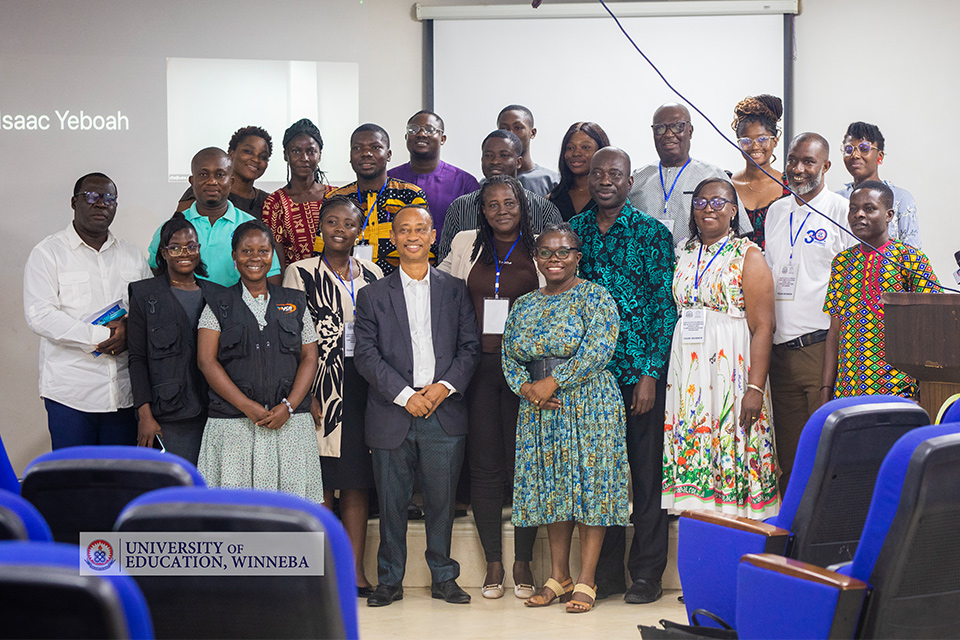
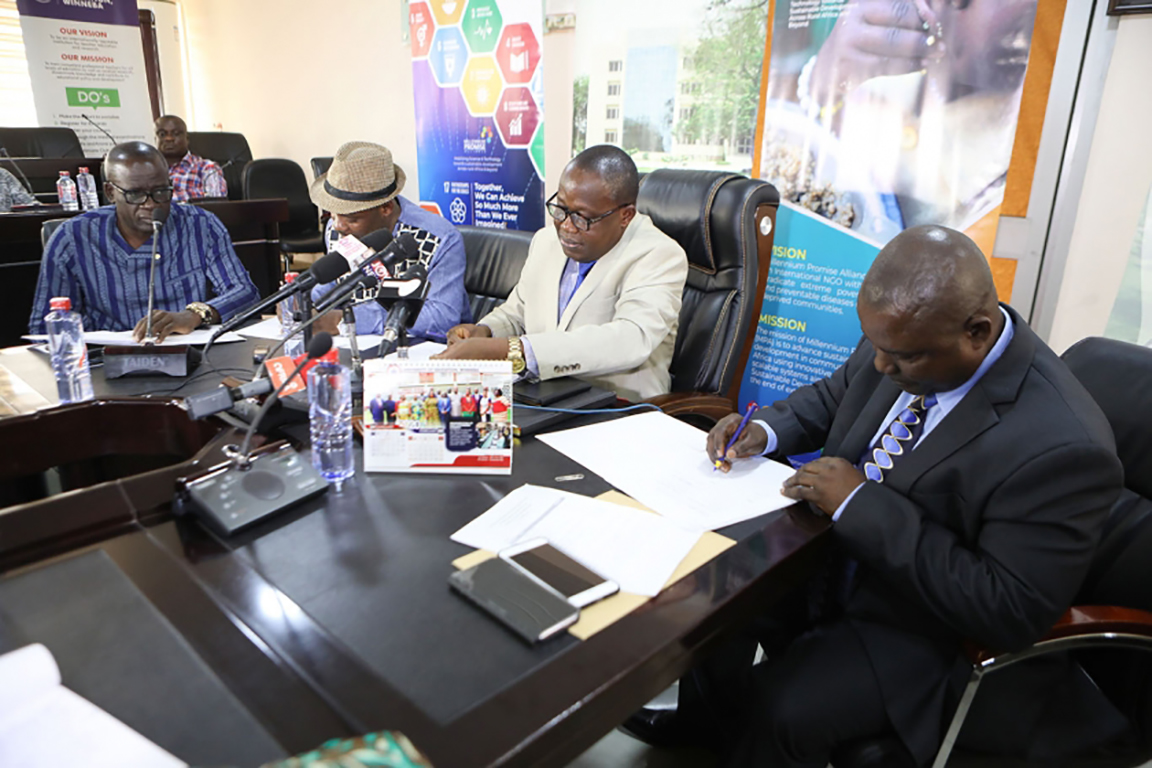
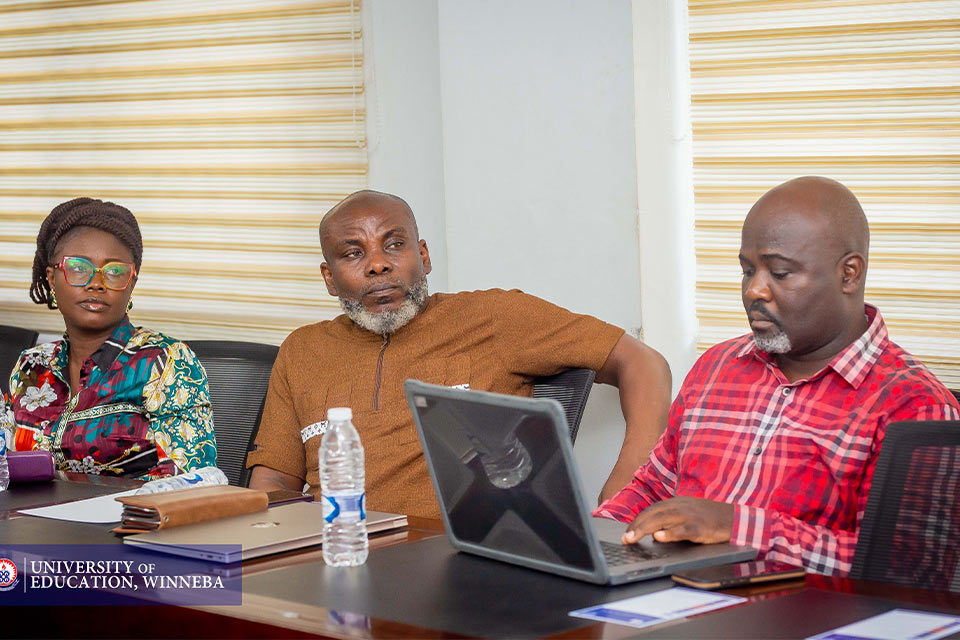
The call was made during the final dissemination meeting of the project “Adapting and Implementing UNESCO’s Media and Information Literacy (MIL) Curriculum at the University of Education, Winneba.” The programme was held at the Student Affairs Conference Room, UEW, on Tuesday, 19th May, 2026. The researchers stated that embedding MIL in teacher training would equip graduates to manage irresponsible digital content sharing and promote responsible online engagement.
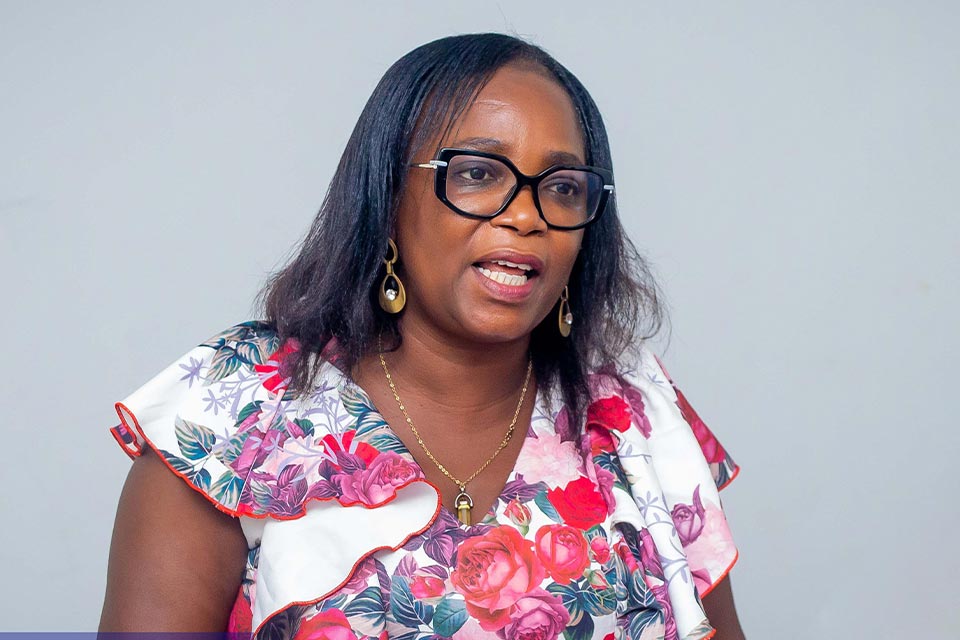
Speaking at the meeting, Prof. Esther Yeboah Danso-Wiredu, the Pro-Vice-Chancellor of UEW and a member of the project team, underscored the growing importance of Media and Information Literacy in an era characterised by widespread information disorder. She noted that as Ghana’s leading teacher education institution, UEW occupies a strategic position to influence how future teachers and learners engage with information in the digital age.
Prof. Esther Danso-Wiredu explained that the project aligns with the University’s mandate of training teachers capable of transferring critical knowledge and values to society. According to her, integrating MIL into UEW’s curriculum would significantly contribute to changing how information is consumed, evaluated and disseminated within the Ghanaian media and educational landscape. She further expressed optimism that the initiative would eventually be extended to Colleges of Education and other teacher-training universities across the country.
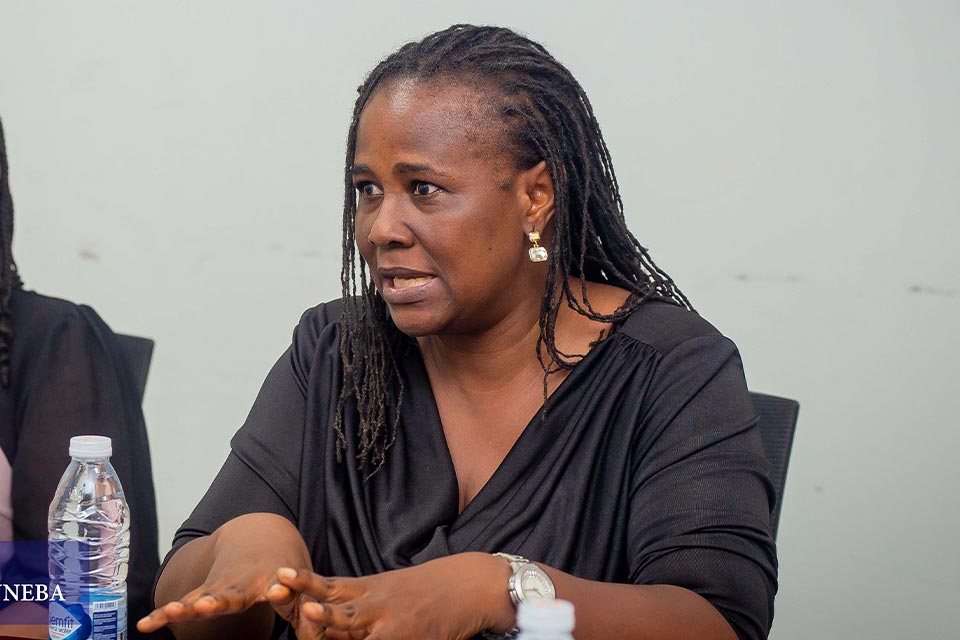
Prof. Gifty Appiah-Adjei, Project Lead, explained that the study was motivated by the increasing spread of false and misleading information online in the midst of rapid growth of digital technologies. She observed that easy access to digital tools and social media platforms has created an environment where information is widely circulated without adequate verification. This, she said, exposes many users, particularly young people, to malinformation, misinformation and disinformation.
According to her, the project reviewed and adapted UNESCO’s Media and Information Literacy curriculum to suit the Ghanaian higher education context before piloting it among students of UEW. She noted that the intervention sought to empower trainee teachers with critical thinking, fact-checking and responsible digital communication skills which they could later transfer to pupils in schools across the country.
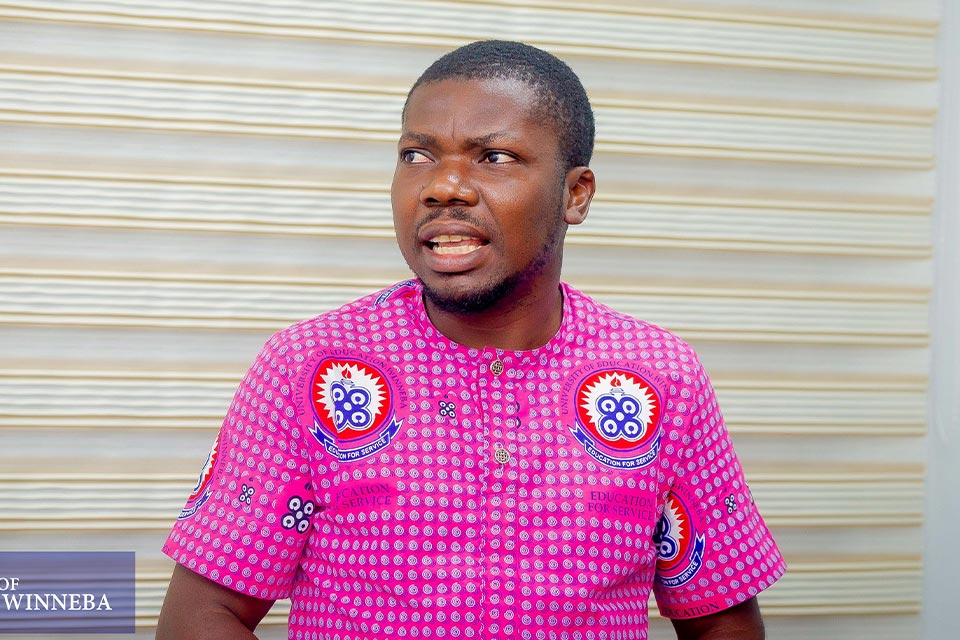
Delivering a presentation on highlights from the pilot implementation, Dr. Gideon Ampofo disclosed that the project recorded significant improvements in students’ media and information literacy competencies after a structured three-week intervention programme. He revealed that before the intervention, only 16.45% of participating students could identify fake news and misinformation while only 29.87% demonstrated competence in protecting personal data online. However, following the intervention, the ability to identify misinformation increased to 65.49%, while competence in online data protection rose to 75.35%.
Dr. Ampofo further indicated that approximately 90% of participants reported significant positive attitudinal change after the training with 76% acknowledging the importance of verifying information before sharing it online. He added that 96.48% of participants recommended that media and information literacy should be incorporated into the UEW curriculum.
The presentation also revealed that the intervention significantly improved students’ understanding of social media algorithms, responsible media content creation and the ability to search for reliable information online. According to Dr. Ampofo, the project demonstrated that contextualised MIL education could strengthen democratic culture, critical thinking and responsible digital citizenship in Ghana.
Mr. Abdul Hamid Yakubu, National Programme Officer for Communication and Information at UNESCO Ghana, commended the research team for successfully implementing the project and described the integration of MIL into teacher education as a critical step in addressing information disorder in society.
He noted that teachers remain central to any successful Media and Information Literacy intervention because of their direct influence on young people. He expressed confidence that UEW’s leadership in teacher education positions the University as the ideal institution to champion the national implementation of MIL across teacher training institutions in Ghana.
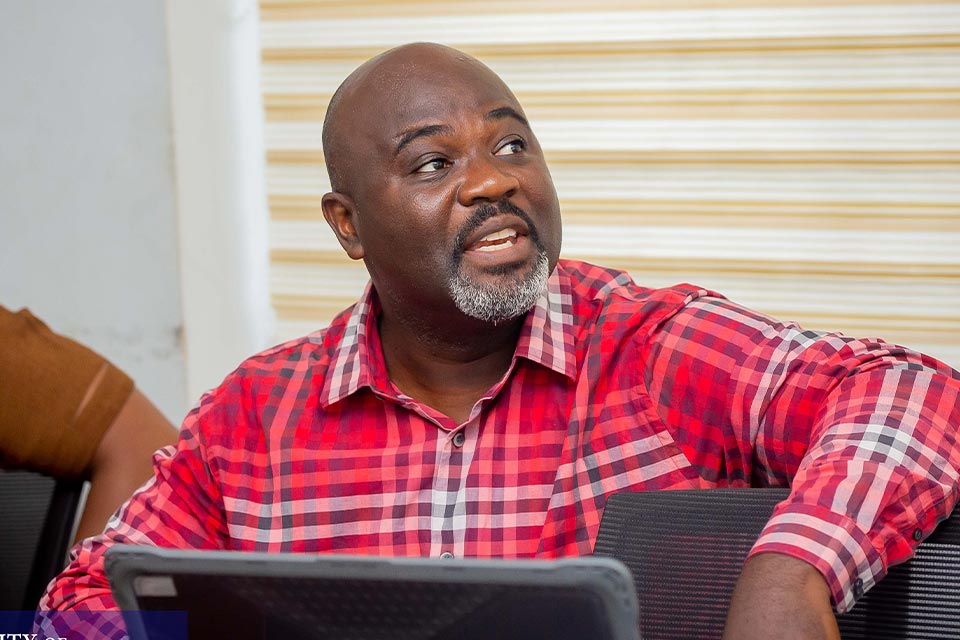
Speaking on the broader significance of Media and Information Literacy, Mr. Raymond Bentum Boison highlighted the increasing challenges associated with information overload, fake news and irresponsible digital communication. He explained that MIL equips individuals with the skills to access, analyse, evaluate, create and use information responsibly, especially in an era where social media and artificial intelligence continue to shape public discourse.
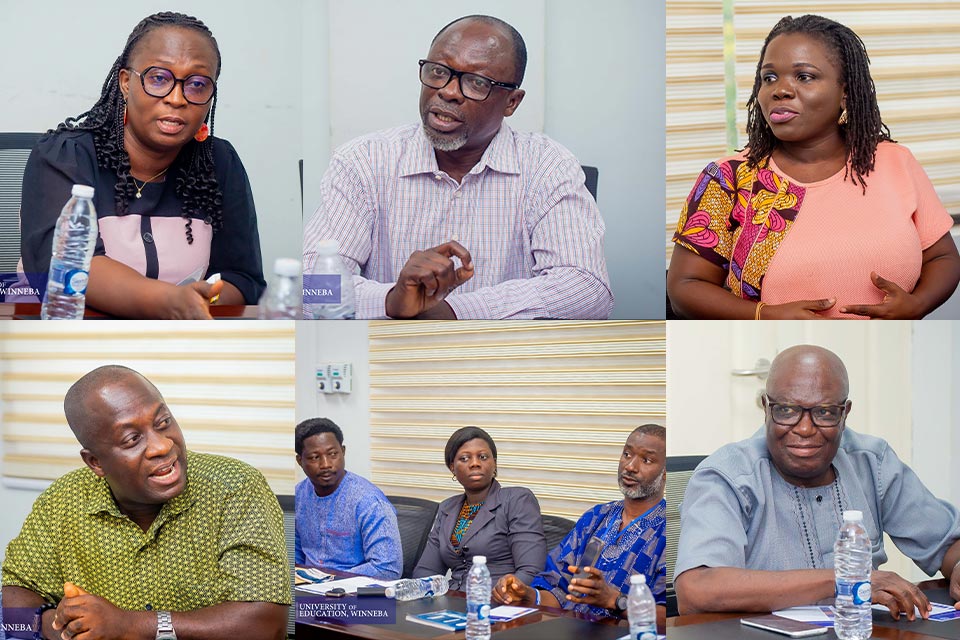
The dissemination meeting allowed stakeholders to discuss strategies for integrating the adapted Media and Information Literacy (MIL) curriculum into UEW's academic programmes and expanding it nationwide. The project team recommended making MIL a compulsory course for all undergraduates, introducing annual training for Level 100 students and developing specialised modules for trainee teachers. They also proposed that UEW serve as a national model for Media and Information Literacy education in Ghana.
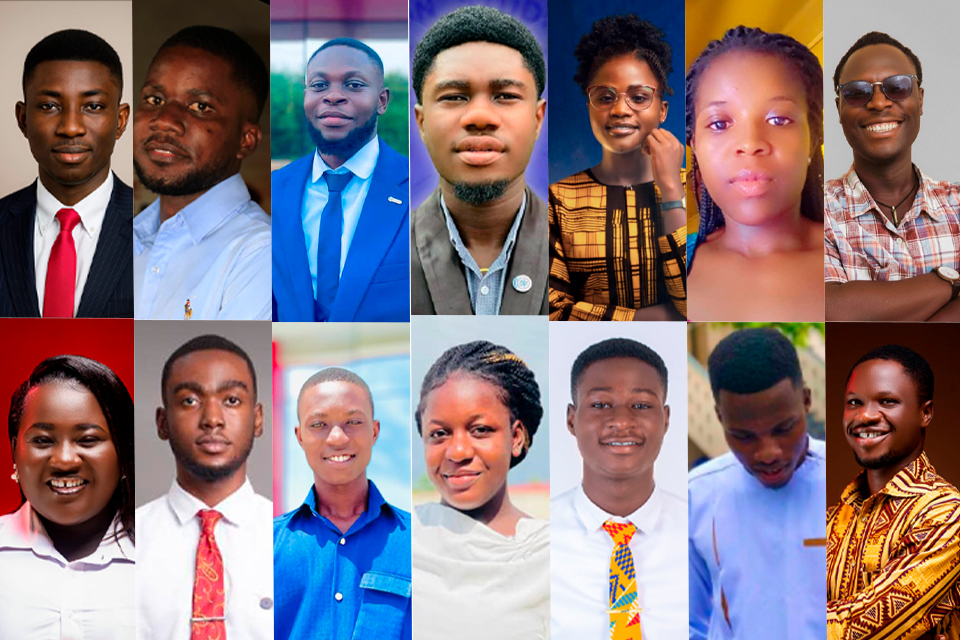
The project team comprised Prof. Gifty Appiah-Adjei, Prof. Esther Yeboah Danso-Wiredu, Prof. Emma Sarah Eshun, Prof. Shirley Dankwa, Prof. Isaac Eshun (reviewer), Dr. Latipher Appiah-Agyei (Coordinator), Dr. Gideon Ampofo, Mr. Cletus Kolog Ngaaso and Mr. Samuel Krow Anim.