UEW Trains Hall Assistants to Support Student Welfare and Mental Health


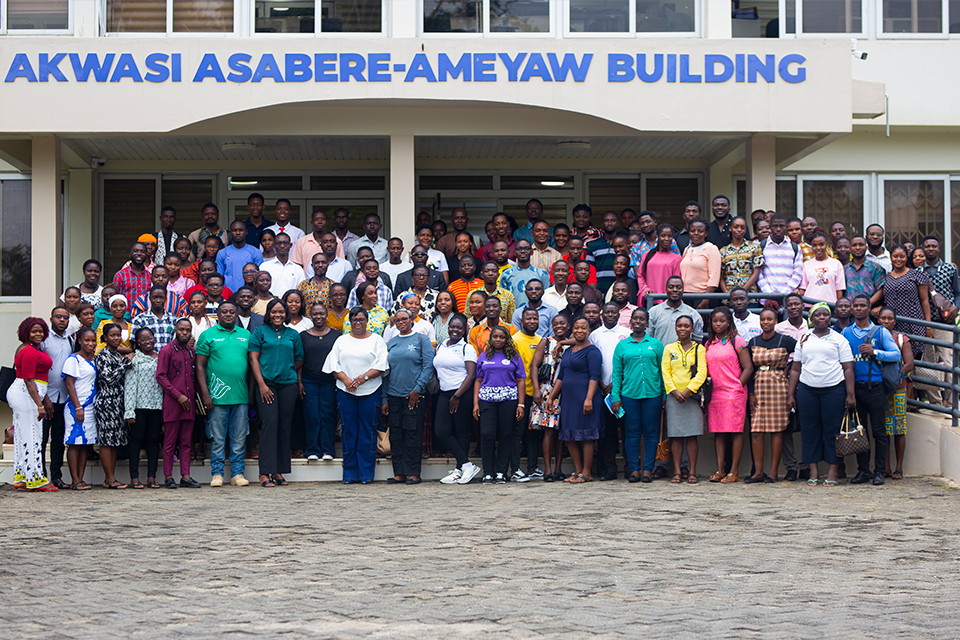
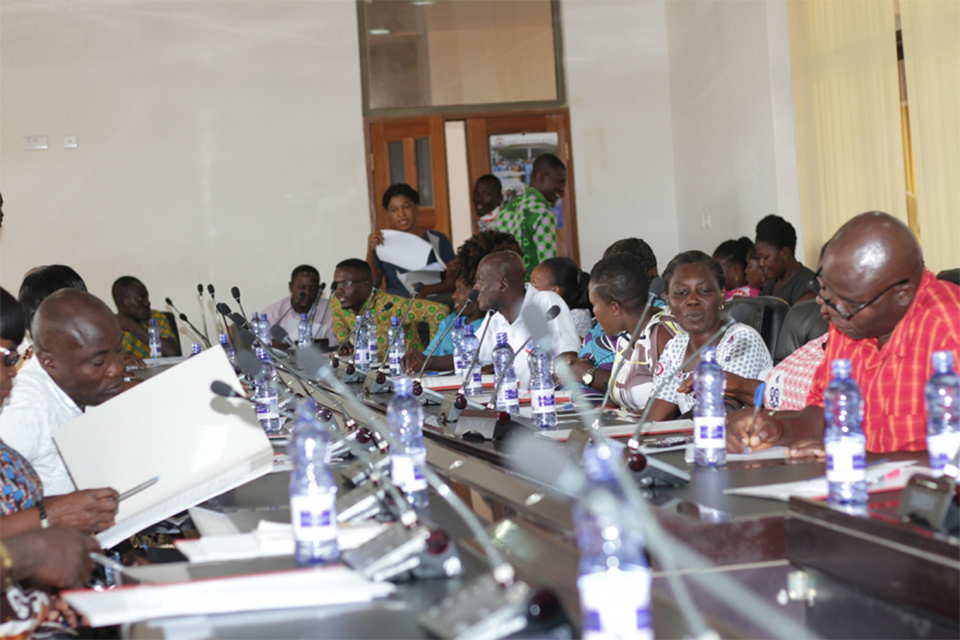
The University of Education, Winneba (UEW) has organised a Mental Health and First Aid Training Programme for Hall Assistants. This is to strengthen student support systems and enhance safety within the University’s halls of residence.
The training, organised by the University Counselling Centre in collaboration with the Division of Human Resource and the Management of Halls of Residence, took place at the Students Centre Seminar Room III on Friday, 15th May, 2026. The programme aimed to equip Hall Assistants with practical skills to identify mental health concerns, respond to emergencies and support students experiencing emotional and psychological difficulties.

Dr. Francis Narh Akrono, Chairman of the programme, described the initiative as timely and necessary in promoting student welfare across the University’s residential facilities. He said that Hall Assistants are often the first people students turn to when they face emotional, psychological or physical challenges. Therefore, they must have the right knowledge and skills to respond appropriately.
Dr. Akrono stressed that mental health remains one of the most critical yet frequently overlooked aspects of student life. He noted that academic pressure, financial challenges, social adjustment and personal struggles continue to affect the wellbeing of many students. According to him, fear, stigma and lack of support often prevent students from seeking help, making awareness creation and early intervention essential.
He also highlighted the importance of first aid training, explaining that the ability to provide immediate assistance before professional help arrives could help save lives and reduce complications during emergencies.

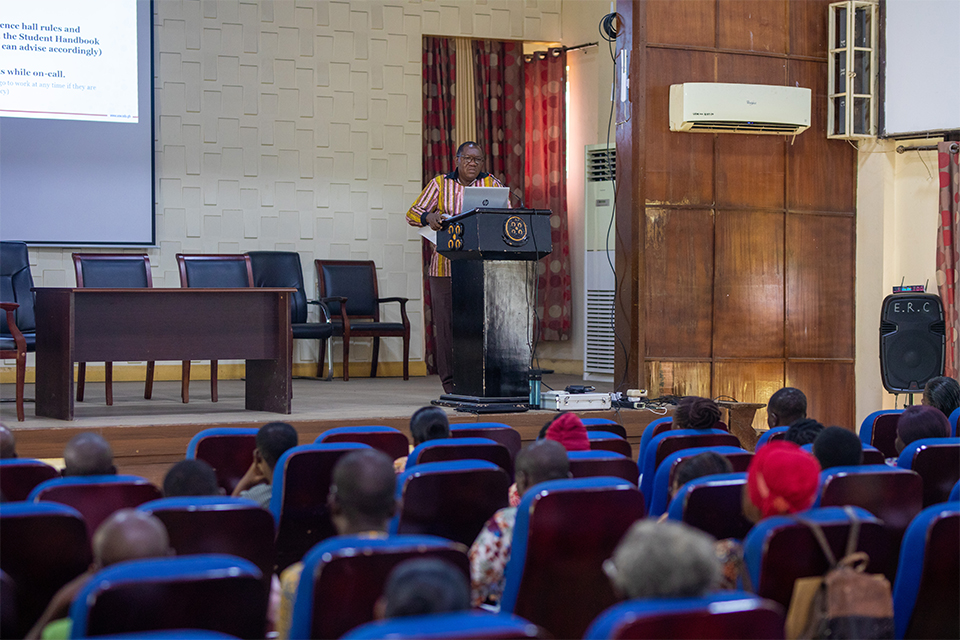
Delivering a presentation on mental health framing and student issues, Mrs. Christina Ammah explained that the programme was introduced in response to the growing need for stronger support systems within the University’s residential environment. She noted that Hall Assistants, because of their close interaction with students, are strategically positioned to identify warning signs such as withdrawal, mood swings, irritability, poor hygiene and isolation. She underlined that these may indicate deeper mental health challenges.
Mrs. Christiana Ammah clarified that the programme was not intended to turn Hall Assistants into professional counsellors but rather to help them identify red flags and understand when referrals should be made. She further explained that mental health extends beyond extreme conditions commonly associated with mental illness, stressing that academic pressure, financial hardship, loneliness, relationship difficulties and adjustment challenges continue to affect many students on campus.

Speaking on emotional and behavioural warning signs among students, Dr. Samuel Ofori Danquah urged Hall Assistants to pay close attention to persistent behavioural changes among residents. He identified signs such as persistent sadness, anger outbursts, substance abuse, withdrawal from social interactions and neglect of personal hygiene as indicators that may require professional intervention.
Dr. Danquah cautioned Hall Assistants against attempting to manage complicated mental health situations on their own and encouraged prompt reporting and referral through the appropriate university structures. He also underscored the importance of addressing issues relating to sexual harassment, self-harm and substance abuse to help maintain safe residential environments.

In another presentation, Ms. Delight Abla Klutse encouraged participants to cultivate empathy, patience, confidentiality and professionalism when dealing with students experiencing emotional or psychological distress. She stressed the need for Hall Assistants to build trust with students and create supportive environments where residents can seek help without fear of judgement or stigma.

Dr. John N-Yelbi also called for stronger collaboration among Hall Assistants, hall managers, counsellors and the wider university community to promote student mental health and welfare. He encouraged participants to remain observant, approachable and proactive while recognising the importance of referring complex cases to professionals.
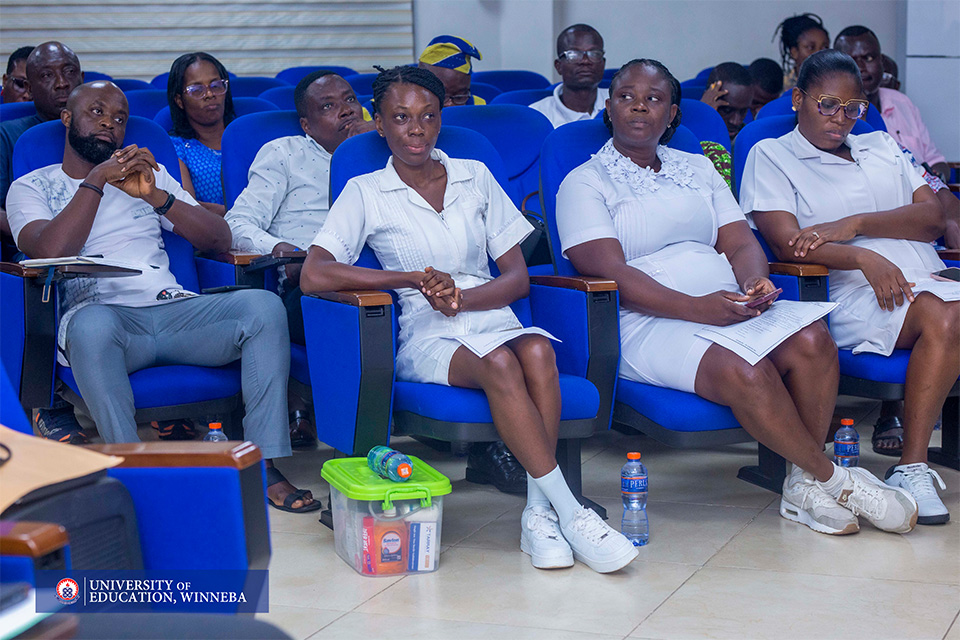
Officials from the University Hospital including Ms. Kindness Laar, Ms. Freda Letsu and Ms. Gabriela Mensah, took participants through practical first-aid and emergency response procedures. They emphasised the importance of maintaining fully equipped first-aid boxes in all halls of residence and educated participants on the safe use of basic medical supplies.

The health professionals cautioned Hall Assistants against administering medication beyond their competence and encouraged prompt referral of complicated health cases to medical professionals. They further highlighted the need for empathy, confidentiality and responsiveness when attending to students facing physical or emotional difficulties.
The programme concluded with a call for sustained collaboration among the University Counselling Centre, the University Hospital, Hall Management and Hall Assistants to promote the holistic wellbeing of students.