Peer Assistants Undergo Training in Mental Health


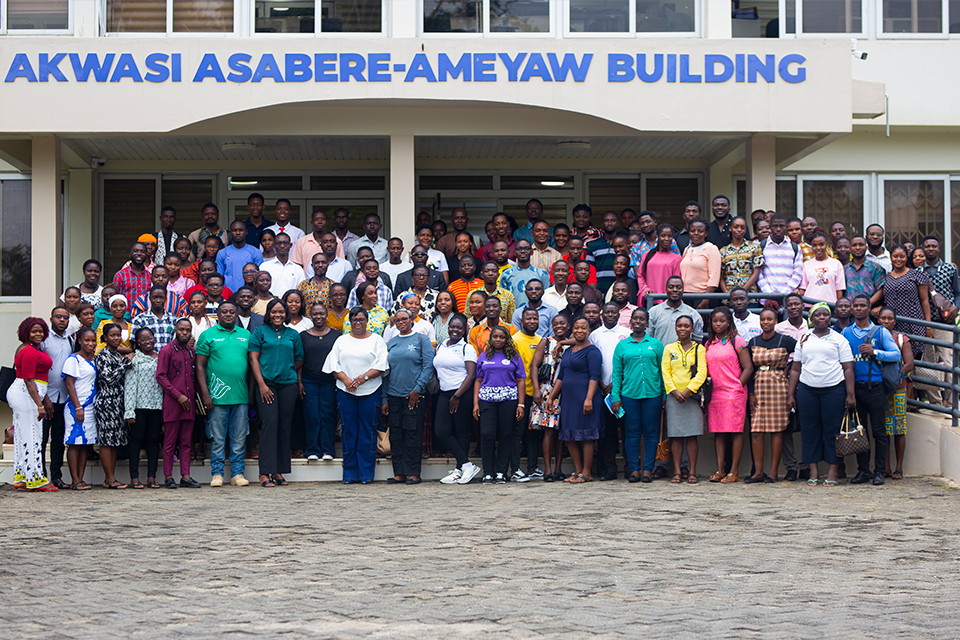
The University of Education, Winneba (UEW) through its Counselling Centre has taken a step to enhance student well-being by launching a Peer Assistant Programme under the theme “Building Peer Support Competence: Empowering Student Helpers for Holistic Well-being.”
This initiative is designed to equip selected students with essential skills to serve as the first point of contact for peers navigating emotional, academic or social challenges.

Delivering the purpose of the gathering, Prof. (Mrs.) Theresa Antwi, Acting Director of the UEW Counselling Centre, underscored the urgent need for expanded support structures in today’s academic environment. “The issues students face today—from anxiety and academic pressure to identity struggles—are far too complex to be managed solely by professional counsellors,” she stated.
She reiterated the Centre’s plans to continue building capacity among student helpers and emphasised their critical role as connectors between peers and professionals. “You are the new face of support. As frontline helpers, you are helping shape a campus culture where no student feels alone,” she said.
Delivering the purpose of the gathering, Prof. (Mrs.) Theresa Antwi, Acting Director of the UEW Counselling Centre, underscored the urgent need for expanded support structures in today’s academic environment. “The issues students face today—from anxiety and academic pressure to identity struggles—are far too complex to be managed solely by professional counsellors,” she stated.
She reiterated the Centre’s plans to continue building capacity among student helpers and emphasised their critical role as connectors between peers and professionals. “You are the new face of support. As frontline helpers, you are helping shape a campus culture where no student feels alone,” she said.
The orientation marks the beginning of an intensive training programme that seeks to build a culture of student-to-student support grounded in empathy, active listening, ethical responsibility and timely referral.

Prof. (Mrs.) Patricia Mawusi Amos, a professor at the Department of Counselling Psychology, laid a strong foundation by defining who a peer assistant is. She described them as trained student volunteers who offer informal, non-professional support and act as bridges between students and professional counselling services.
Prof. Patricia Amos outlined their key responsibilities—listening empathetically, helping with adjustment, referring serious issues, participating in awareness programmes and modelling positive behaviour. She cautioned that peer assistants are not therapists and must avoid crossing boundaries that could lead to ethical breaches or emotional exhaustion.
She further highlighted the benefits of such programmes including the promotion of early intervention, student leadership and increased accessibility to support systems. “This is a role of influence and it demands maturity, discretion and compassion,” she emphasised.

Dr. Bernard Amoako Mensah, a lecturer at the Department of Counselling Psychology, followed with a highly practical session on communication and ethical boundaries in peer counselling. His presentation explored the fundamentals of active listening, open-ended questioning, empathetic responding and reflective feedback—all essential skills that empower peer assistants to offer meaningful support.
Dr. Amoako also introduced tools for setting personal limits, responding to signs of crisis and knowing when to refer a peer to professional help. “You are not here to solve every problem but you are here to recognise the signs, listen attentively, and guide your peers towards the right resources,” he reminded participants.
Through real-life examples and conversation-based scenarios, he demonstrated the importance of non-judgmental engagement and protecting confidentiality.

Rounding out the presentations was Ms. Delight Abla Klutse, a licensed clinical psychologist and lecturer at the same department. She delivered a deeply engaging and scenario-driven session that emphasised the importance of knowing one’s limits in peer support.
Using recent, real-world cases from the university setting, Ms. Delight Klutse discussed how peer assistants should respond to issues like suicidal ideation, relationship crises, academic breakdowns and culturally sensitive matters. “You are not operating as spiritual leaders, healers or psychologists; you are support figures with a defined ethical role,” she reminded.
She encouraged participants to prioritise their safety, keep accurate and confidential records and normalise help-seeking behaviour among students. “The perception that seeking help is a sign of weakness must change. Let us make it normal to say, I need support,” she said.
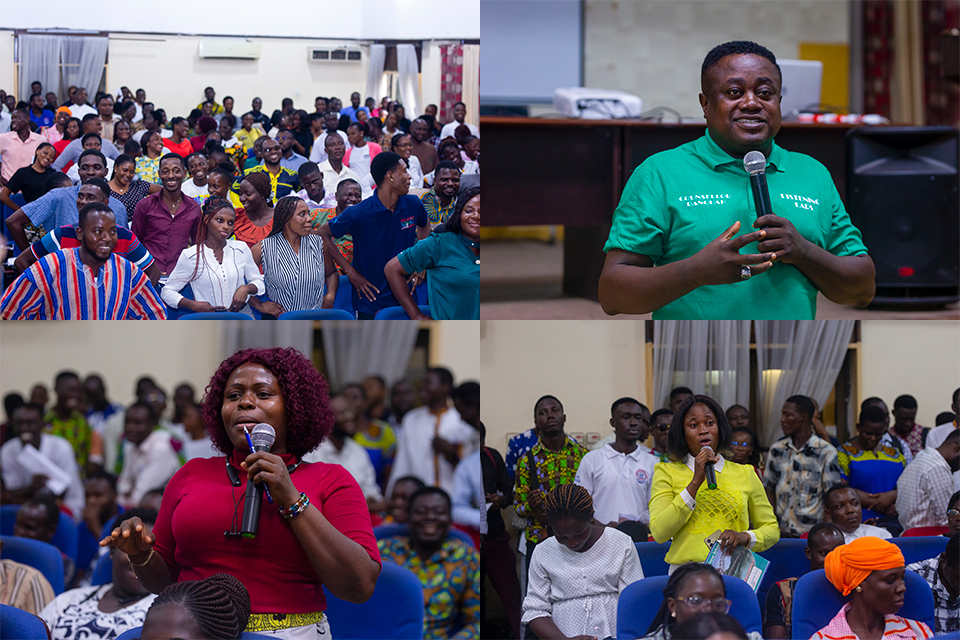
The launch of the Peer Assistant Programme marks a powerful shift in UEW’s approach to student mental health—placing empathy, empowerment and peer-driven support at the heart of its well-being agenda.