SPED-UEW Students Showcase Paper-Based Innovations for Inclusive Education


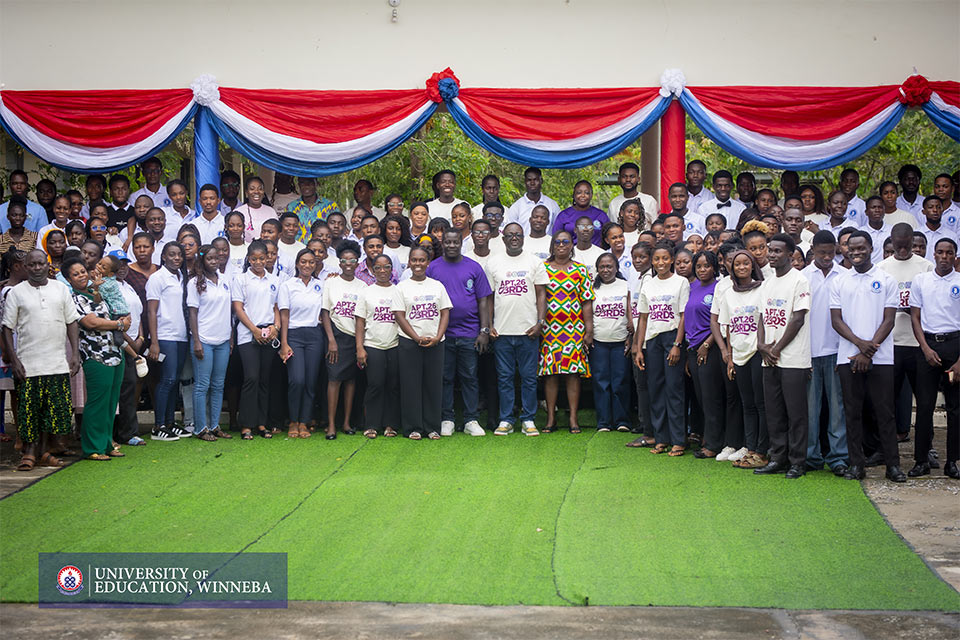
The Community-Based Rehabilitation and Disability Studies (CBRDS) under the Department of Special Education (SPED) at the University of Education, Winneba (UEW) has showcased innovative paper-based assistive technologies developed by students to support persons with disability and promote inclusive education.
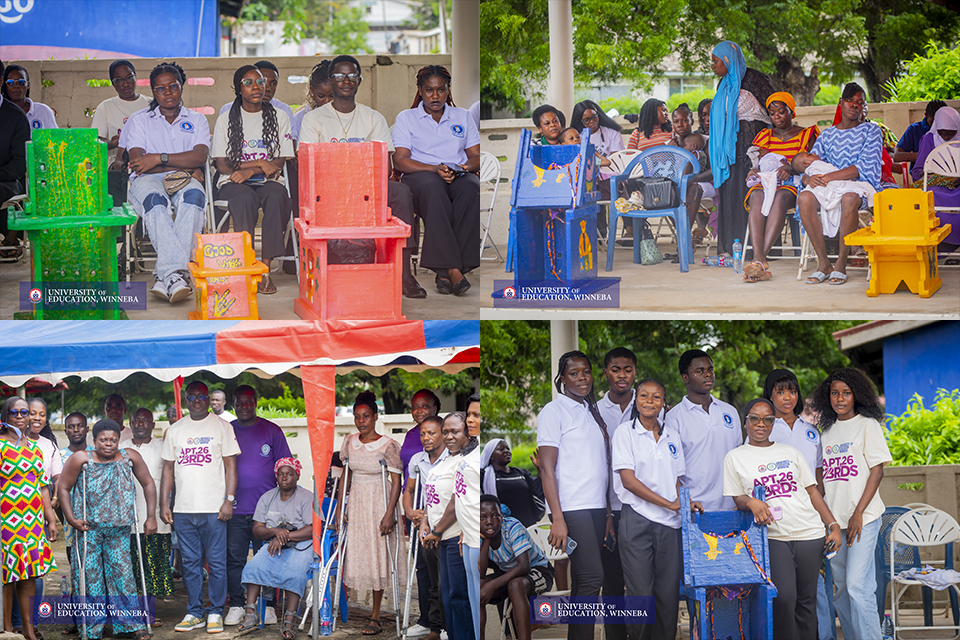
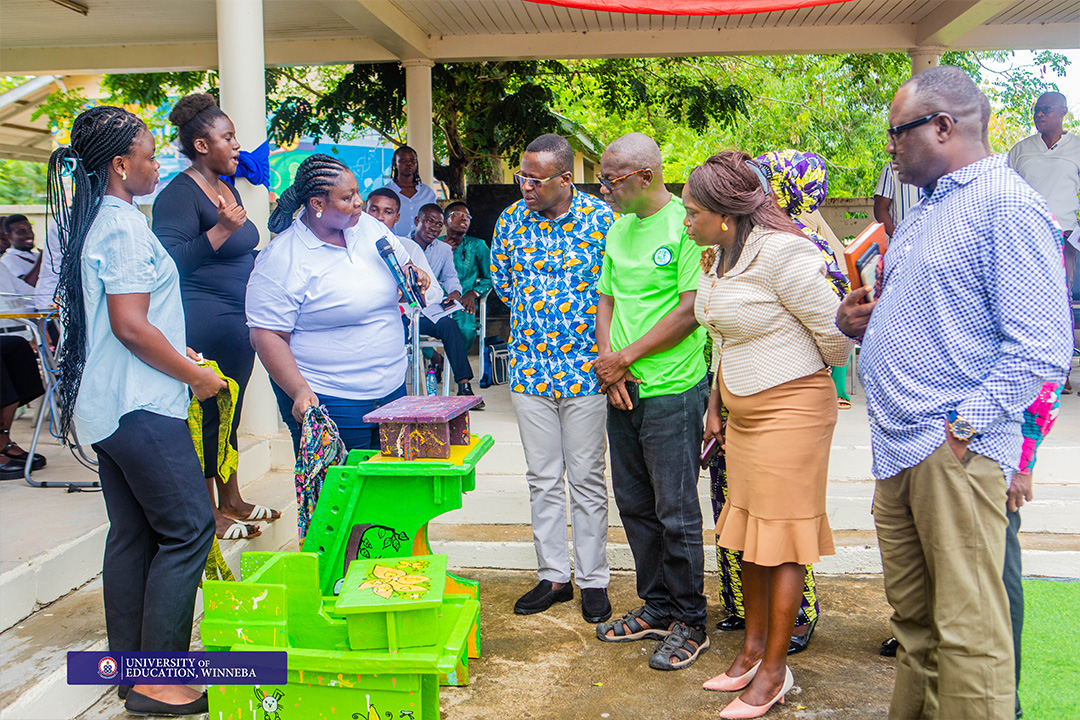
The second exhibition of Appropriate Paper-Based Technologies (APT) held at the SEMSA Grounds on Friday, 19th June, 2026, featured a range of low-cost assistive devices designed by Level 200 students using locally available and recycled materials.
The exhibition formed part of the Department’s efforts to equip future special educators and rehabilitation professionals with practical skills to develop affordable solutions that address accessibility challenges faced by persons with disability.
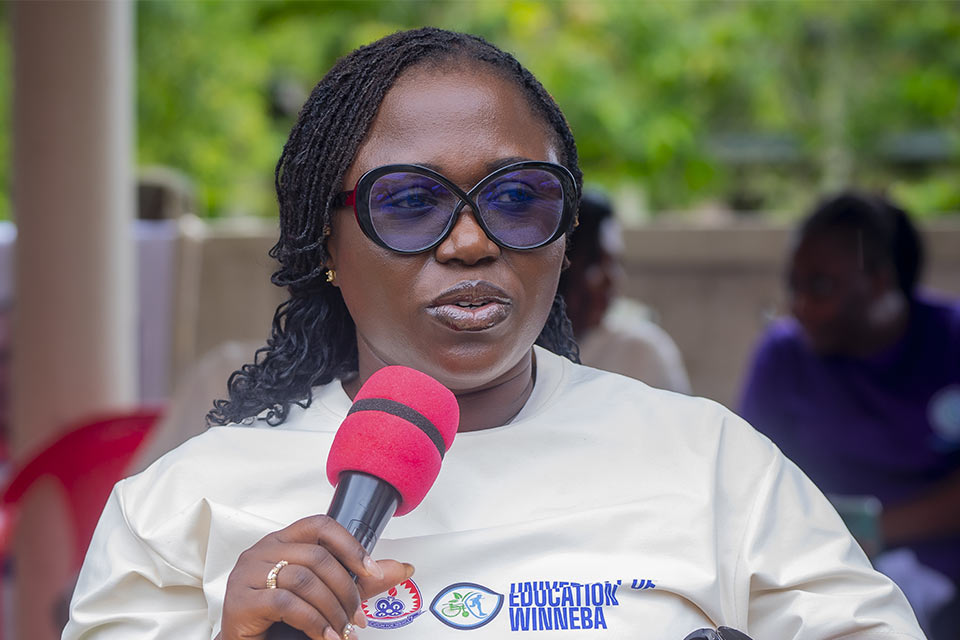
Opening the exhibition, Prof. Patricia Mawusi Amos, the Dean of the Faculty of Applied Behavioural Sciences in Education, described the initiative as a demonstration of UEW’s commitment to creating opportunities, independence and dignity for all individuals, regardless of their abilities.
She commended the students for their creativity and innovation, noting that impactful solutions do not always require advanced technology but can arise from compassion, commitment and the effective use of available resources.
“Our students have worked diligently to design and develop assistive technologies using simple and locally available materials. These innovations demonstrate that meaningful change does not always require sophisticated technologies but rather compassion, creativity and commitment to inclusion,” she stated.
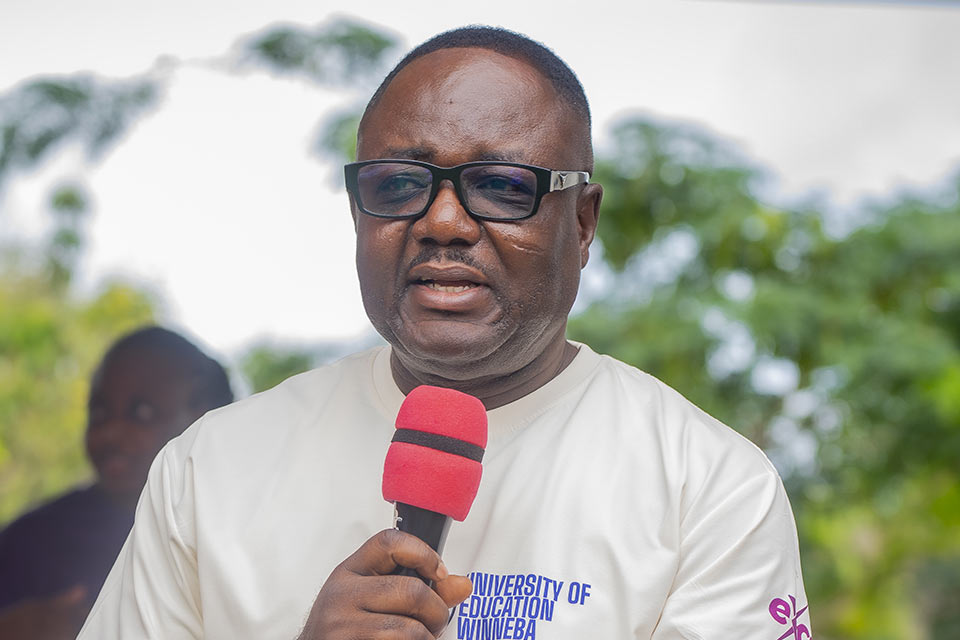
Dr. Emmanuel Kwasi Acheampong, the Head of the Department of Special Education, explained that the Appropriate Technology initiative was introduced to strengthen the connection between classroom learning and practical solutions in disability support and rehabilitation.
He noted that the annual exhibition provides students with an opportunity to apply theoretical knowledge in designing sustainable assistive devices that respond to the realities of persons with disability, particularly in underserved communities.
According to Dr. Acheampong, the technologies displayed including chairs, tables and other assistive devices from paper and recycled materials, demonstrate how innovation can improve accessibility and participation in educational environments.

Representing the Vice-Chancellor, Prof. Emma Sarah Eshun, the Director of Quality Assurance, praised the Department for transforming academic concepts into practical innovations that contribute to inclusive education and societal development.
She linked the initiative to the United Nations Sustainable Development Goal Four (SDG 4) which promotes inclusive and equitable quality education for all and encouraged students to consider refining and commercialising their innovations to create sustainable ventures.
“What we are witnessing today is a valuable contribution to quality education and inclusive learning. These paper-based technologies show that creativity and innovation can be used to support learners from diverse backgrounds, particularly persons with disabilities,” Prof. Emma Eshun remarked.

Mrs. Alberta Kito, the Head of the Disability People’s Organisation in Effutu, commended the students and the Department for their commitment to improving the lives of persons with disabilities. She urged the students to continue developing empathy, patience and dedication as they prepare to serve within the disability and rehabilitation sector.
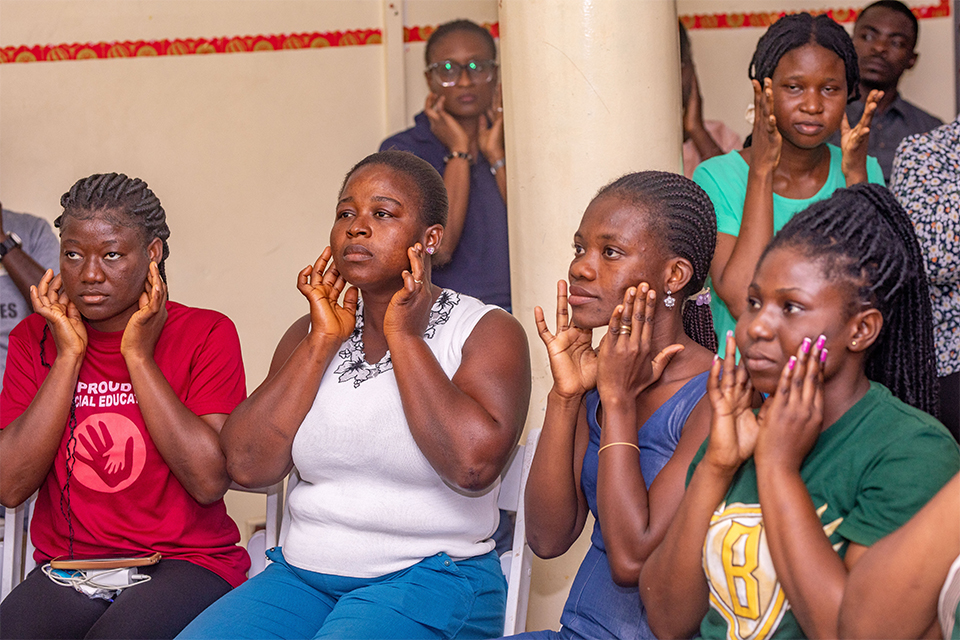
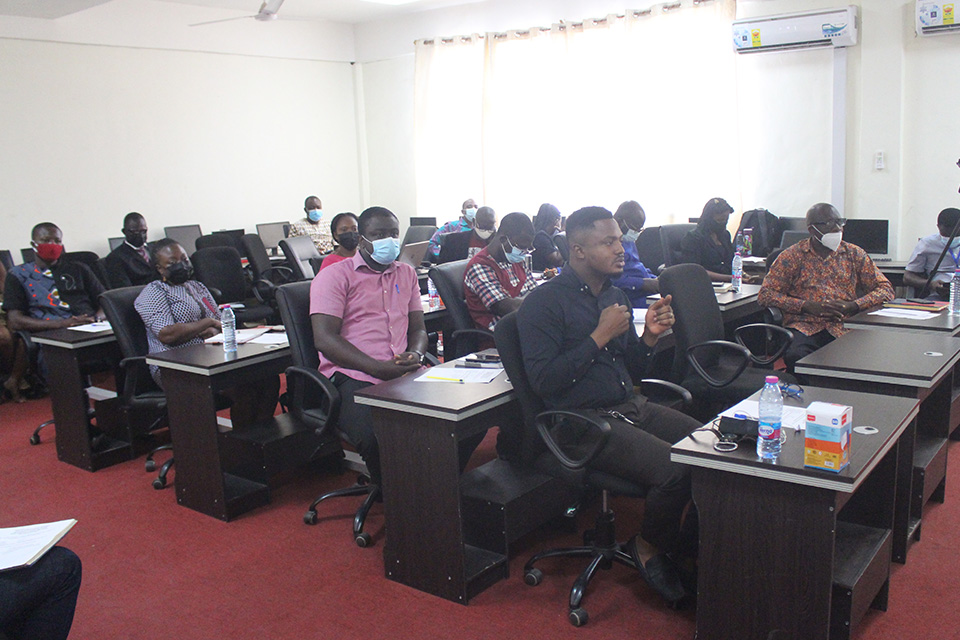
The exhibition attracted lecturers, students, parents, caregivers, disability advocates and members of the public who interacted with the students and explored the assistive technologies on display.
The initiative reinforces UEW’s commitment to inclusive education, innovation and community engagement while preparing graduates to develop practical solutions that improve accessibility and enhance the quality of life of persons with disabilities.