CAS-UEW Seminar Examines Traditional Governance, Democracy and African Integration


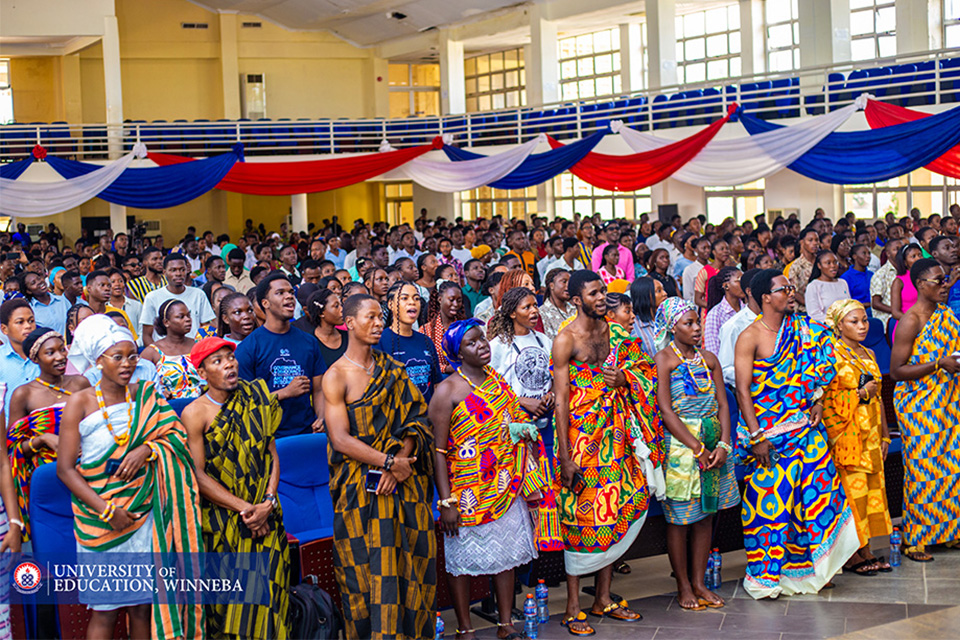
The University of Education, Winneba (UEW) in advancing scholarly discourse on Africa's governance and development has hosted a seminar to encourage students and policymakers to draw on indigenous governance systems while strengthening democratic institutions and promoting continental integration.
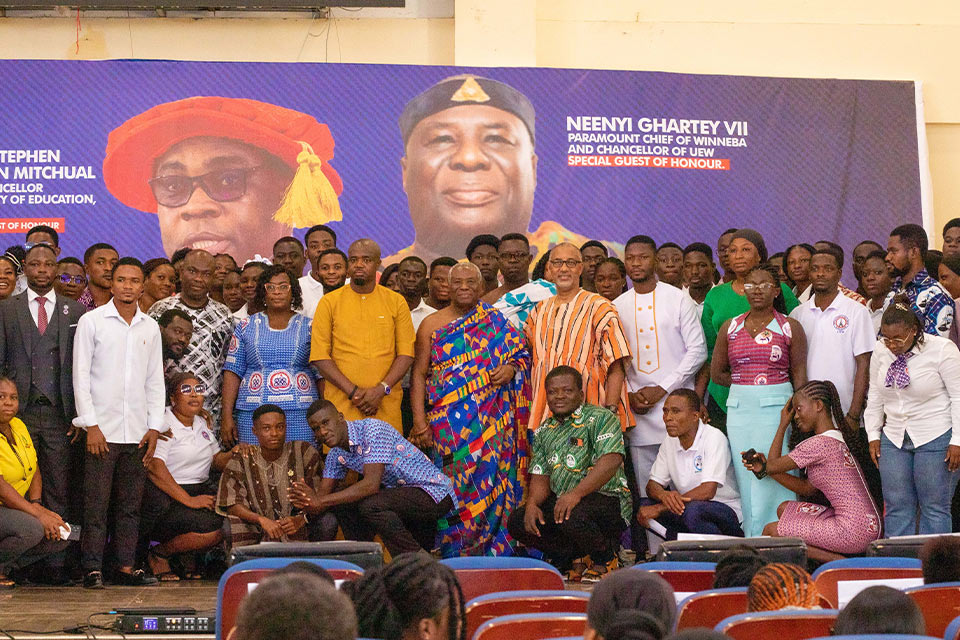
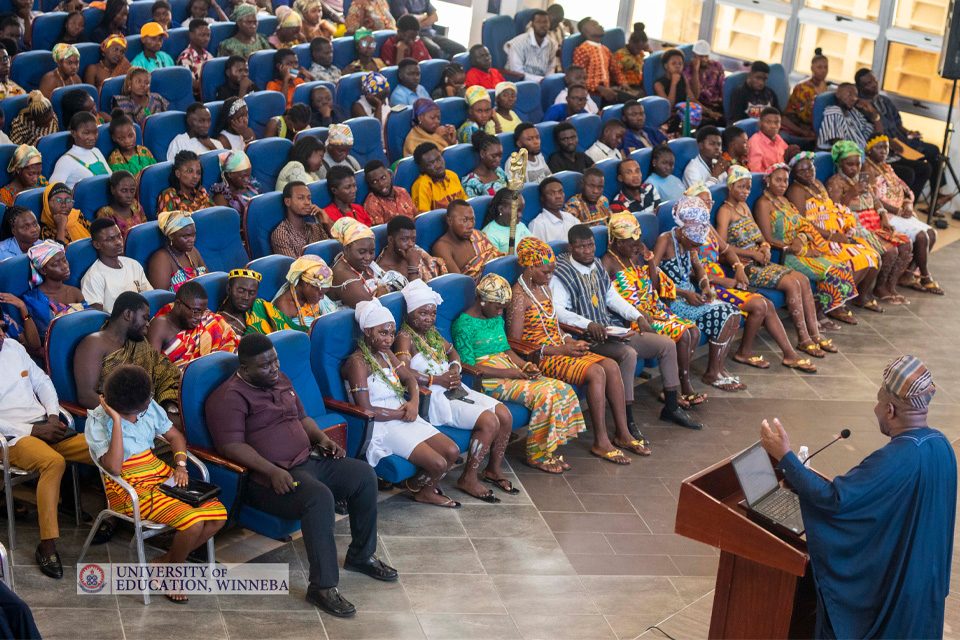
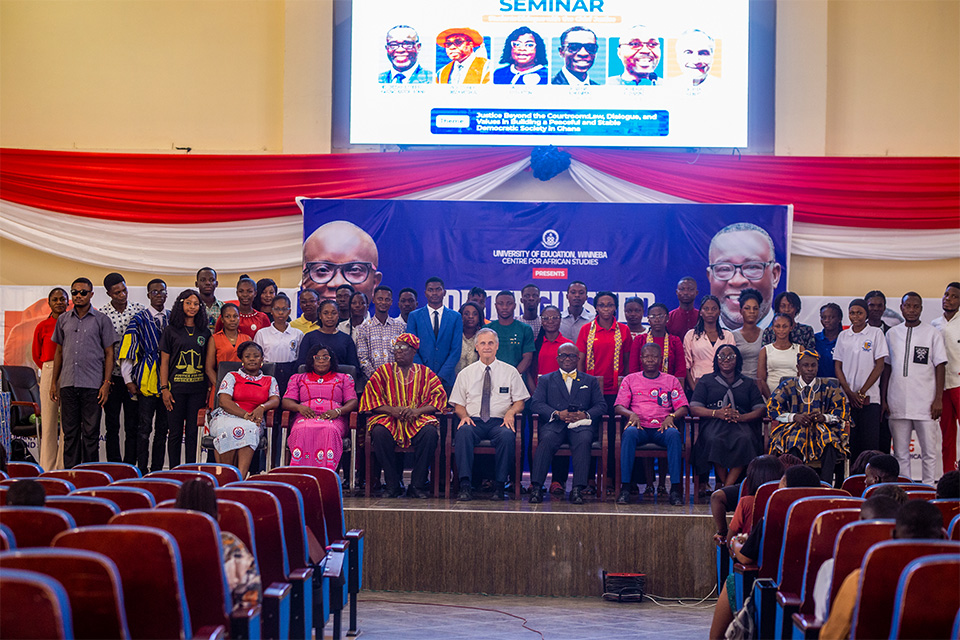
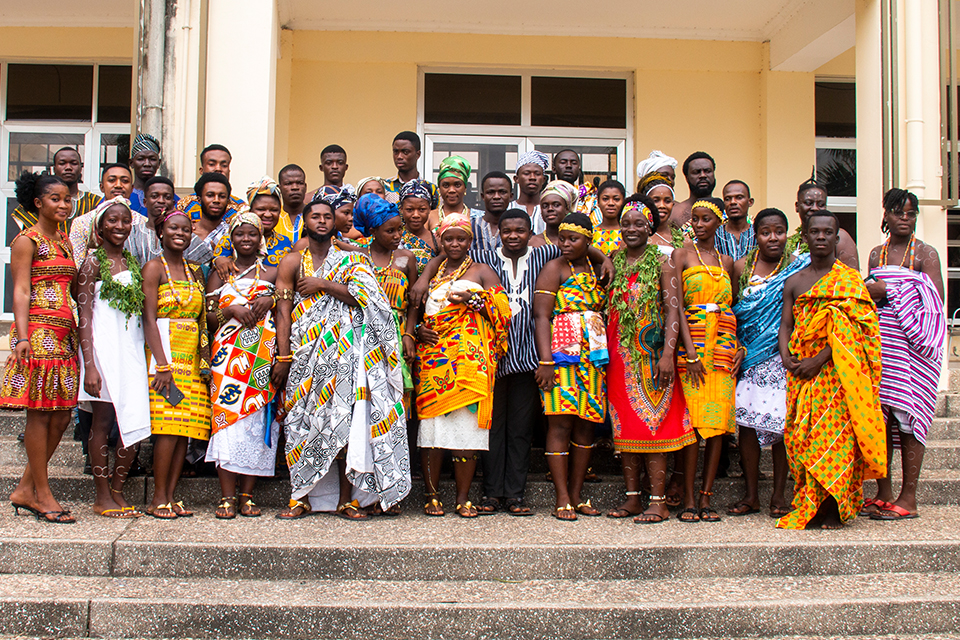
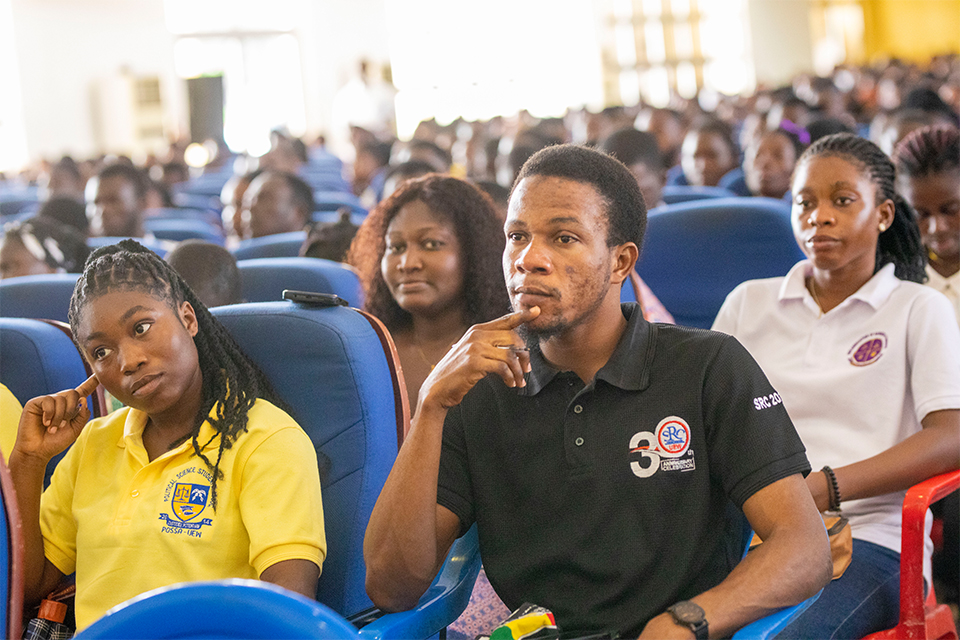
Organised by the Centre for African Studies (CAS) under the Faculty of Liberal and Social Studies Education (FLSSE), the seminar on Governance and Democracy in Traditional Africa and African Integration brought together scholars, historians, policymakers and students at the Jophus Anamuah-Mensah Conference Centre on Friday, 31st July, 2026.
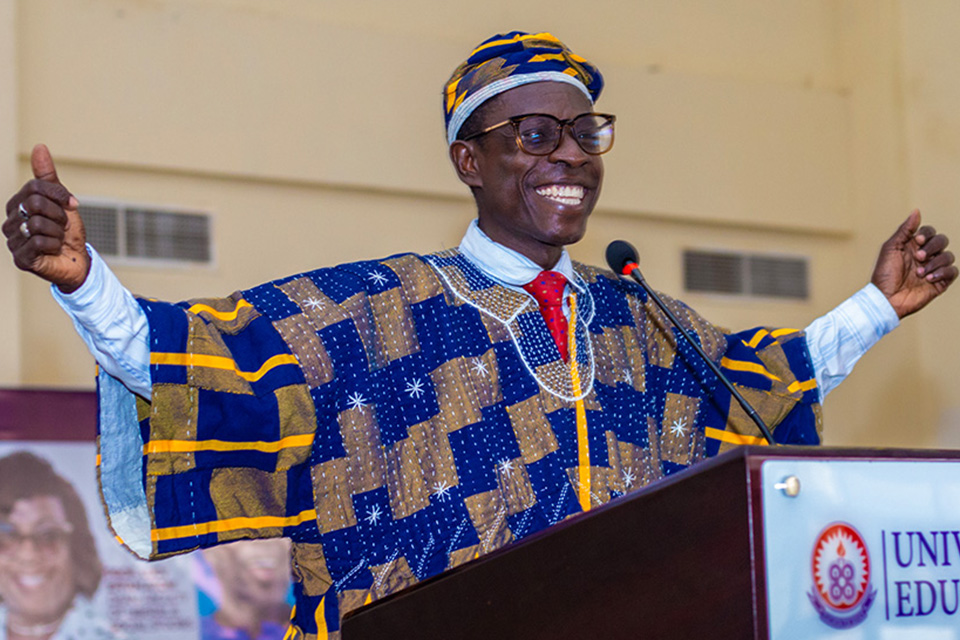
Opening the seminar, Dr. Maxwell Acheampong, the Course Lecturer and organiser, described the programme as a platform for reflection and action on Africa's future. He observed that despite the continent's abundant resources and youthful population, governance deficits, corruption, insecurity and unemployment continue to impede development. He urged young people to become responsible leaders capable of promoting transparency, accountability, justice and unity while taking advantage of opportunities for continental integration.
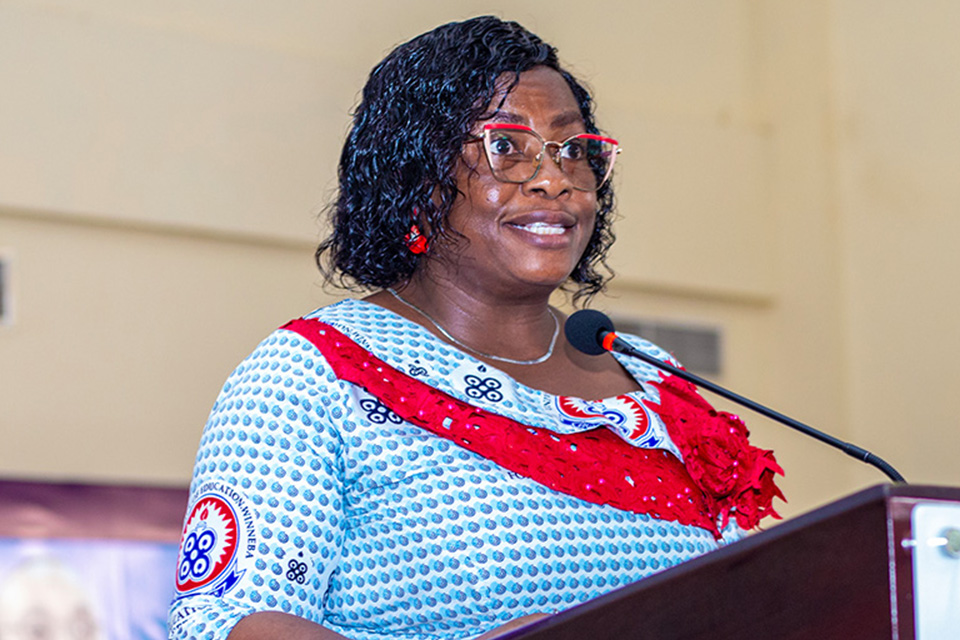
Prof. Lucy Effeh Attom, the Dean of FLSSE and Chairperson of the event, underscored the University's responsibility to promote research and dialogue on issues shaping Africa's future. While acknowledging progress in democratic governance and regional cooperation, she cautioned that political instability, insecurity, youth unemployment and declining public confidence in institutions remain significant challenges.
She noted that indigenous governance systems founded on consultation, consensus and accountability still offer valuable lessons for contemporary democratic practice. She commended the resource persons for their insightful presentations and encouraged participants to preserve Africa's indigenous knowledge systems while supporting reforms that strengthen democratic governance, inclusion, accountability and sustainable development.
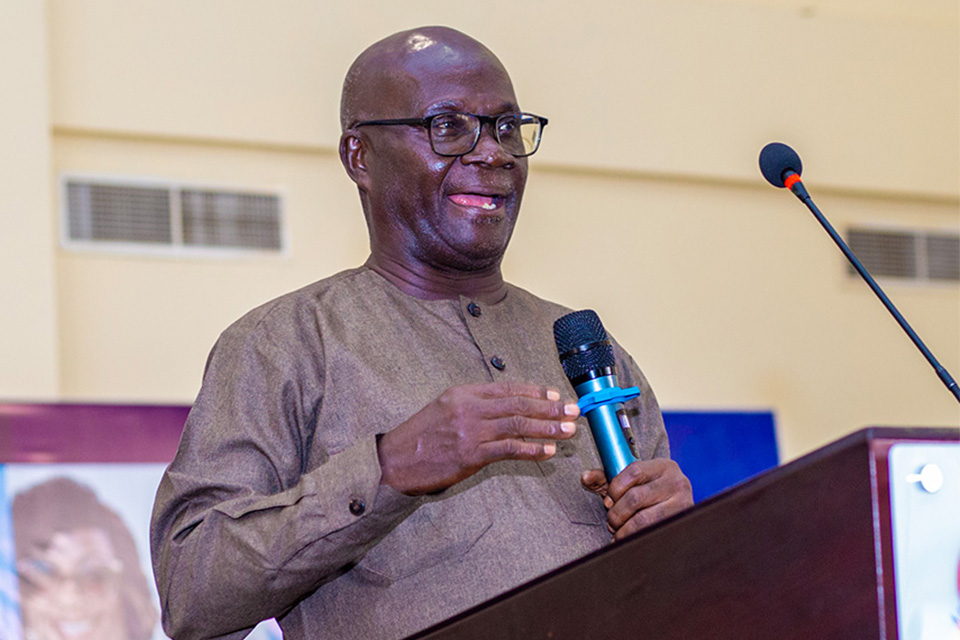
Delivering the first presentation, Prof. Opanyin Kofi Agyekum of the University of Ghana highlighted the enduring relevance of traditional governance and chieftaincy institutions. He explained that effective traditional leadership was built on integrity, accountability, prudent resource management and respect for cultural values. He urged participants to preserve Ghana's indigenous languages and cultural heritage while modernising traditional institutions.
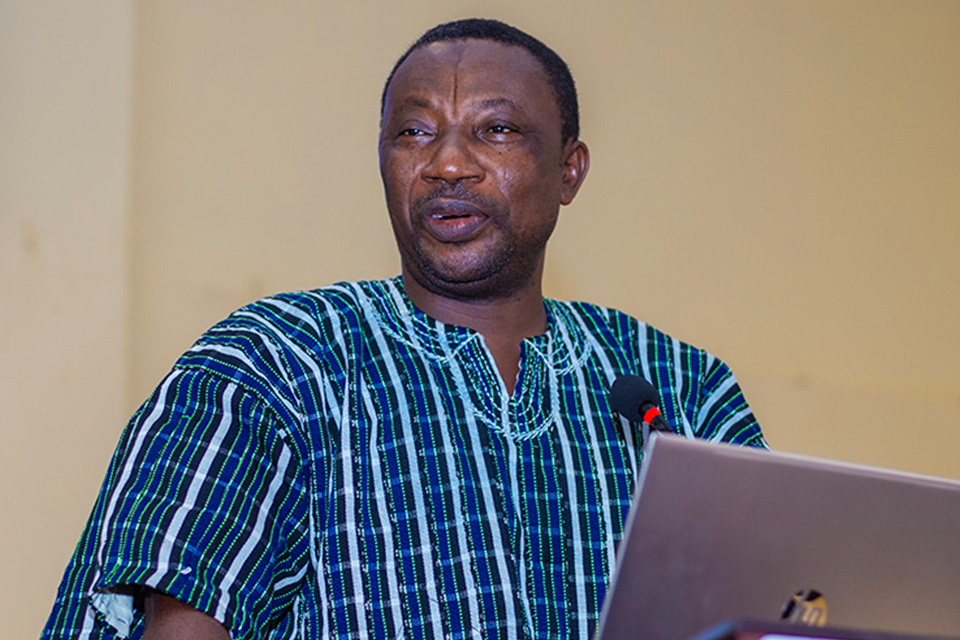
Prof. Imurana Awaisu Braimah, the Dean of the School of Graduate Studies at UEW, examined the opportunities and challenges confronting democratic governance in Africa. He identified corruption, weak institutions, political instability, electoral violence, misinformation and poverty as major obstacles to democratic consolidation and called for stronger institutions, judicial reforms, quality civic education, independent media and greater participation of women and young people in governance.
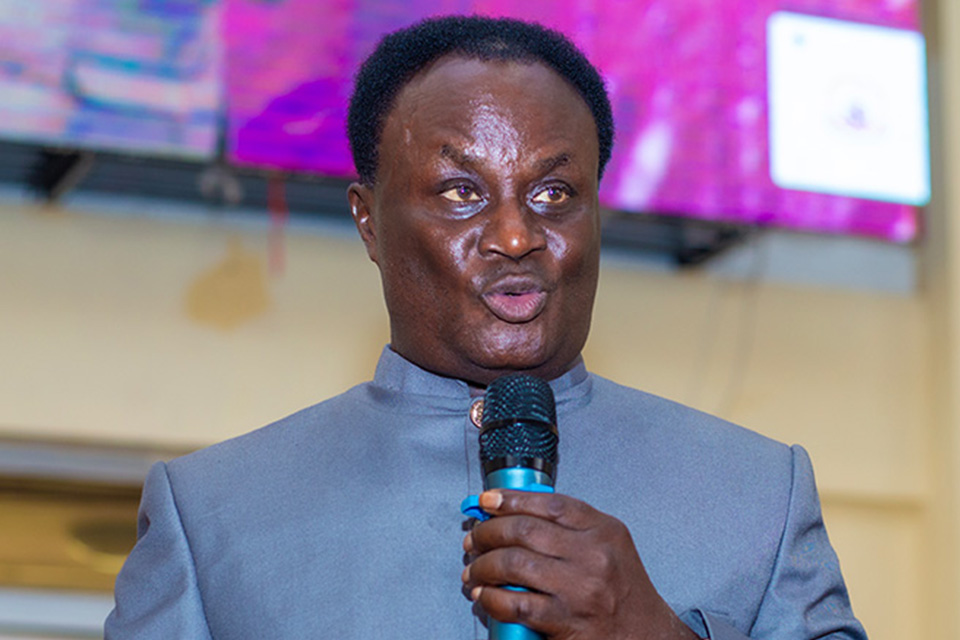
Speaking on African integration, Dr. Yaw Anokye Frimpong, a lawyer and historian, traced the historical foundations of Pan Africanism and stressed that Africa's vast human and natural resources could drive sustainable development through stronger economic, political and cultural cooperation among African states.
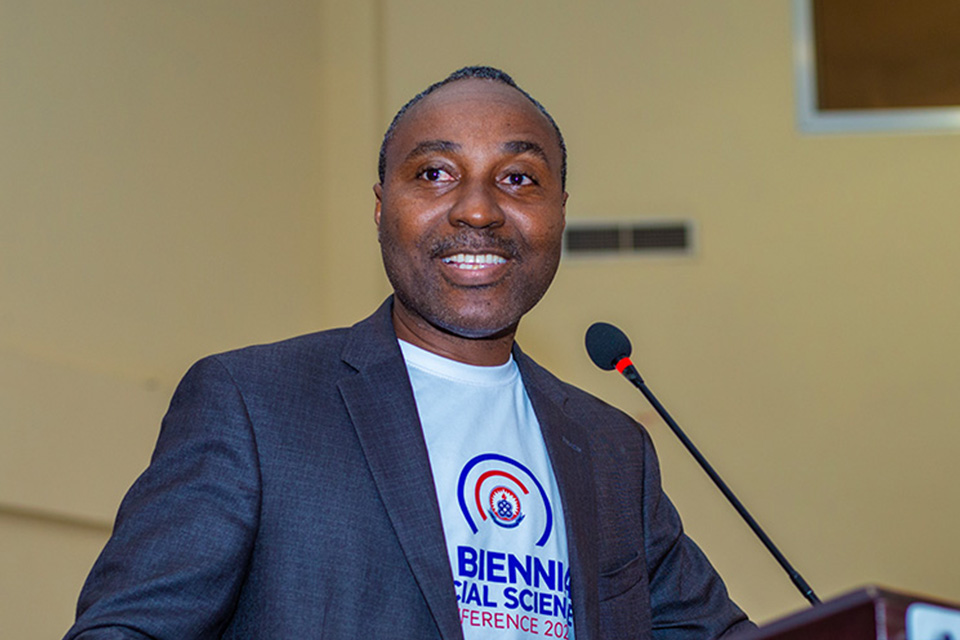
Dr. Richard Abankwa Agyepong, the Head of CAS, challenged participants to rethink African integration beyond political leadership and embrace a people centred approach that promotes free movement, collaboration and shared African identity. He encouraged students to cultivate solidarity and champion the values necessary for a more united continent.
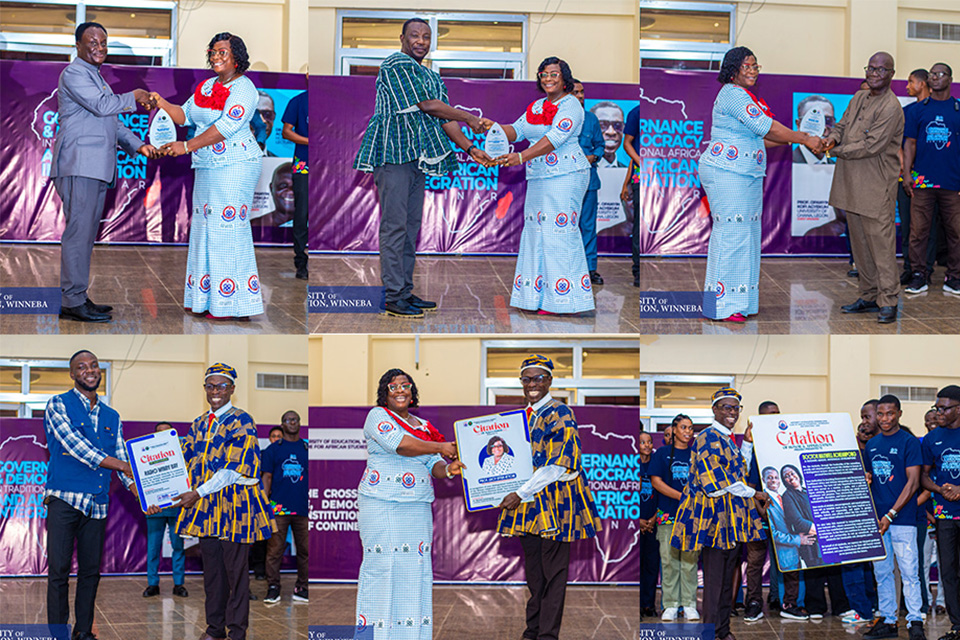
The seminar concluded with the presentation of awards to the resource persons, deans, lecturers and media partners including Radio Windy Bay, in recognition of their contributions to the successful organisation of the programme.