Anamuah-Mensah Lecture Series Advocates for Revamping TVET in Africa


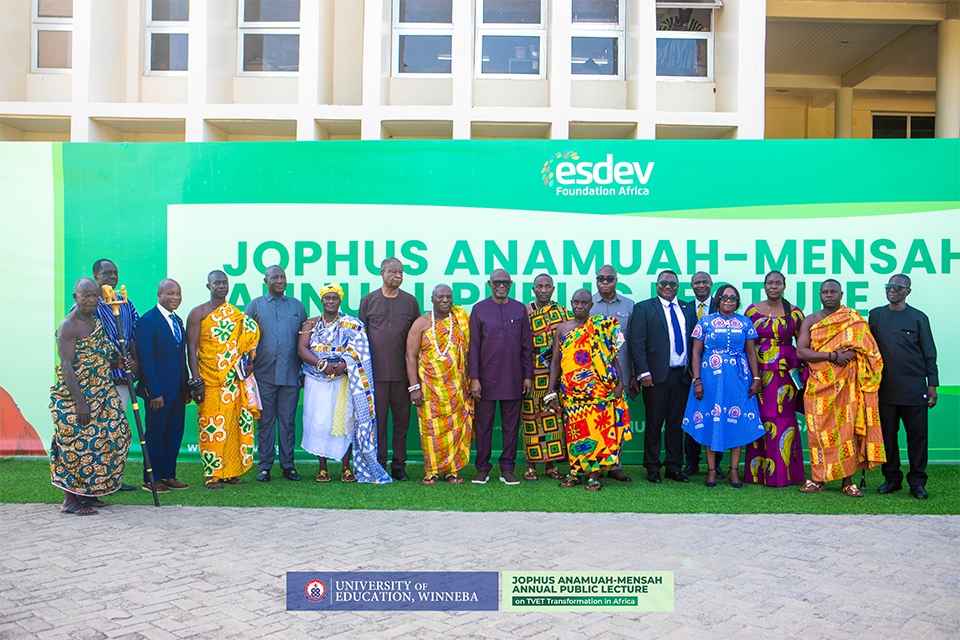
The University of Education, Winneba (UEW) in collaboration with the ESDEV Foundation Africa and key partners, hosted the inaugural Jophus Anamuah-Mensah Annual Public Lecture. The event brought together policymakers, academics, industry leaders and development partners to promote Technical and Vocational Education and Training (TVET) as a catalyst for Africa’s socio-economic transformation.
Held at the Jophus Anamuah-Mensah Conference Centre, UEW, on Friday, 27th March, 2026, the lecture served as a high-level platform for renewed commitment to repositioning skills development at the centre of national and continental development agendas.
Speakers at the event emphasised the key point that the future of Africa depends on its ability to provide its young population with practical, relevant and market-oriented skills. Investing in this area is essential for tackling unemployment and promoting sustained economic growth.
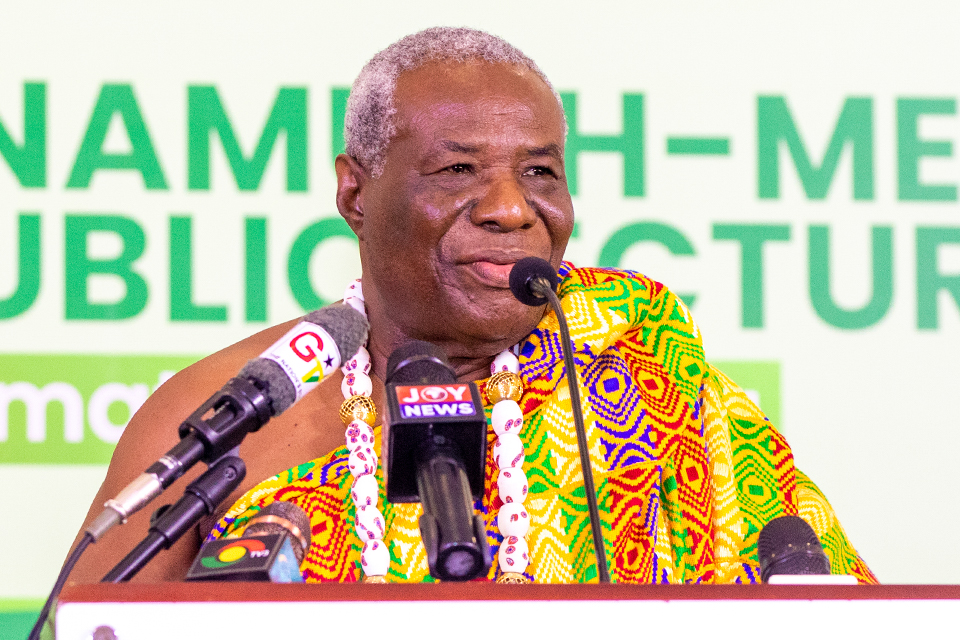
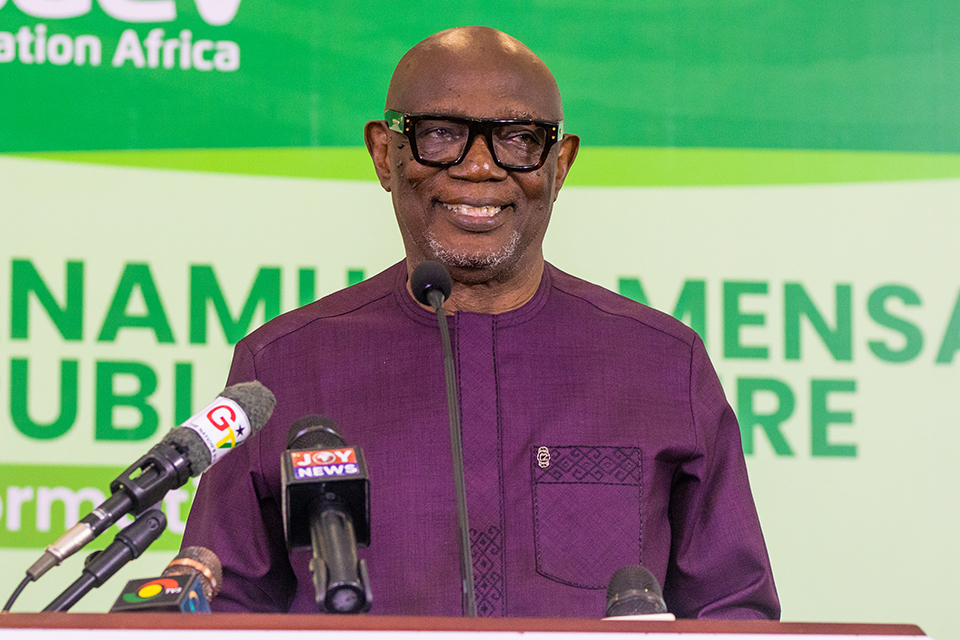
Neenyi Ghartey VII, Chairman of the occasion and Chancellor of UEW, underscored the critical role of skilled manpower in reducing poverty and creating sustainable livelihoods. He noted that the success of TVET transformation hinges on infrastructure, policy and changing societal perceptions that have long relegated vocational education to a last-resort option.
He emphasised the need to prioritise excellence in technical training, arguing that the most capable students should be encouraged to pursue vocational pathways to drive technological advancement and national development. He further revealed ongoing efforts to expand technical education infrastructure within the Effutu area including land allocation for institutional growth to support skills training.
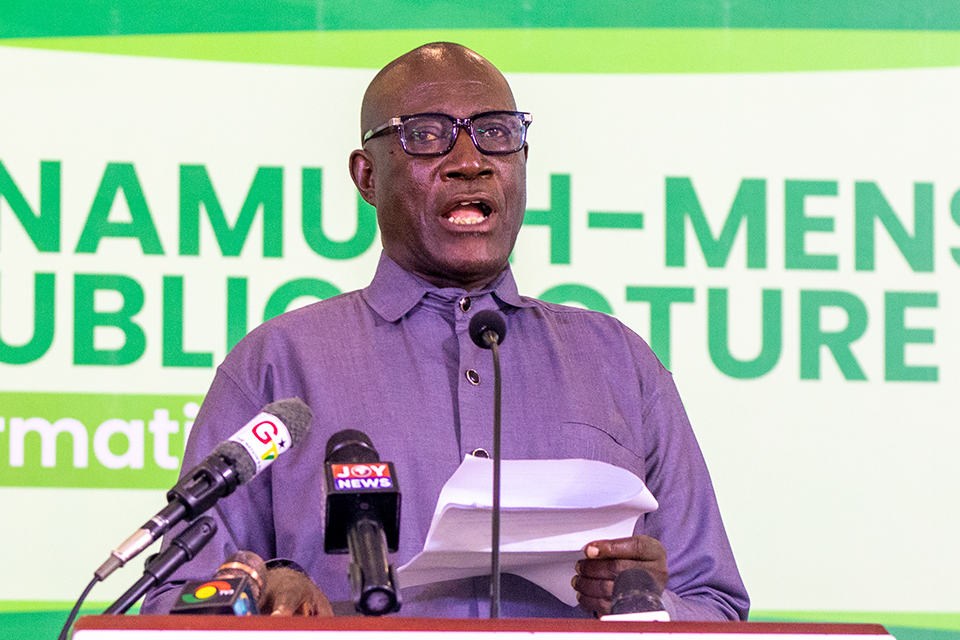
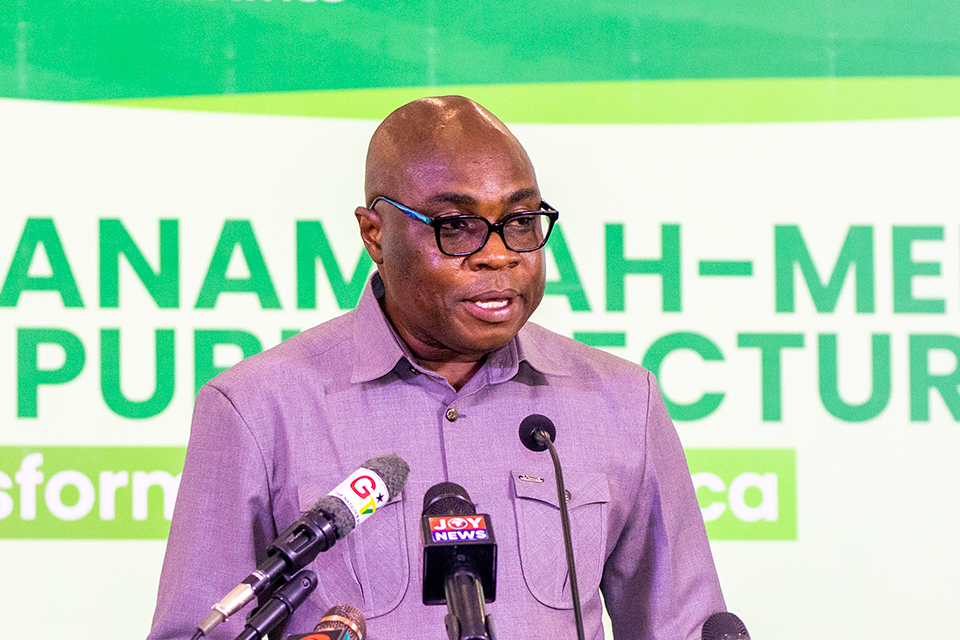
Providing the rationale for the lecture, Prof. Francis Owusu-Mensah, CEO of ESDEV Foundation Africa, explained that the initiative was inspired by the urgent need to address gaps between education outcomes and labour market demands across Africa. He described the lecture as a strategic intellectual platform to deepen dialogue, strengthen partnerships and promote evidence-based approaches to TVET reform.
According to him, while access to education has expanded across the continent, questions of employability, productivity and relevance remain unresolved. He stressed that TVET occupies a central place in achieving inclusive growth and sustainable development, adding that the lecture also honours the enduring contributions of Prof. Jophus Anamuah-Mensah to education reform in Ghana and beyond.
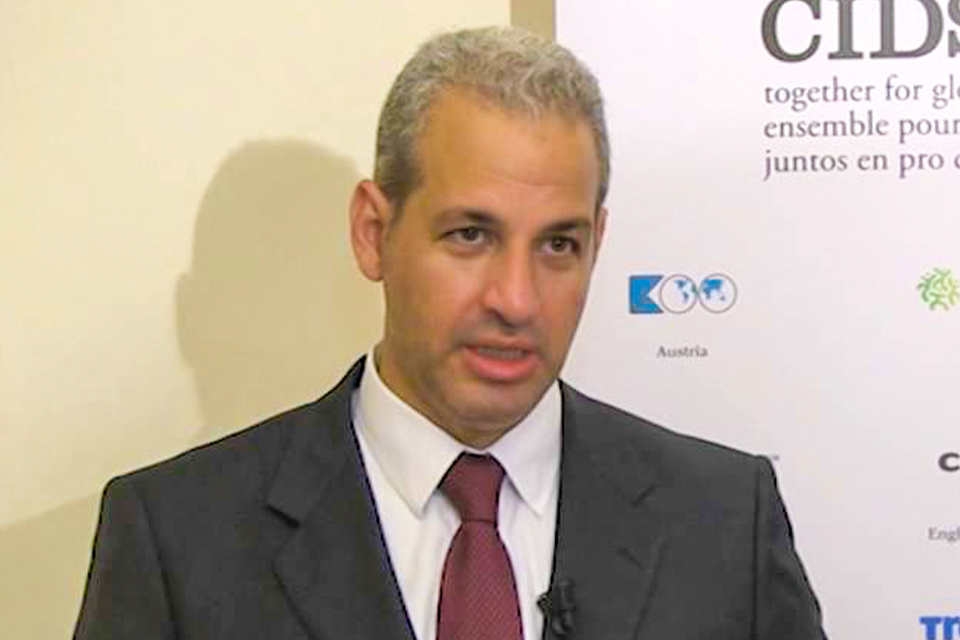
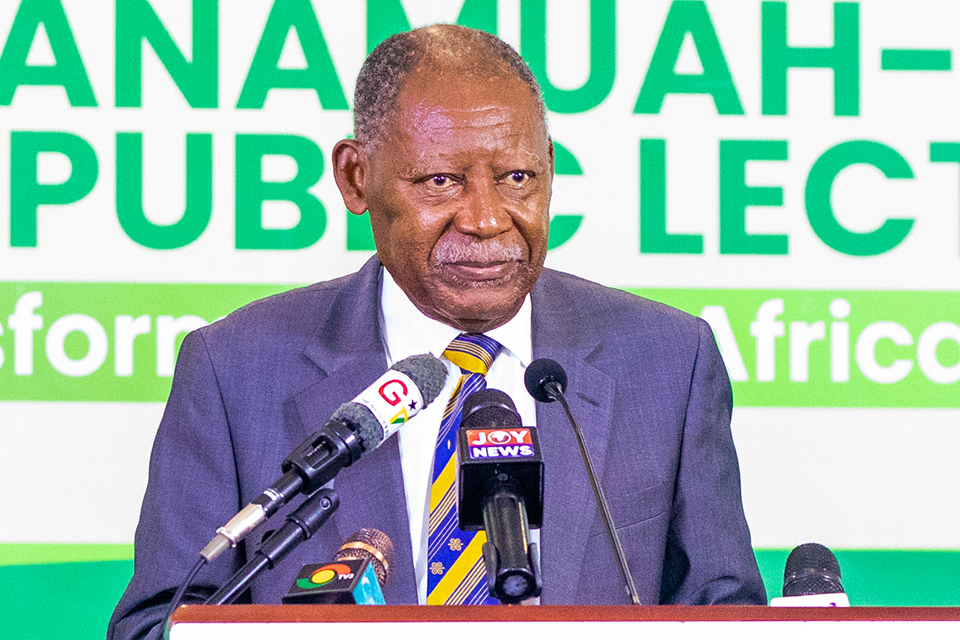
Representing UNESCO, Mr. Mohamed Elfarnawany highlighted the broader continental and global context. He observed that Africa’s youthful population presents both an opportunity and a challenge. He noted that millions of young people enter the labour market annually yet job creation has not kept pace while rapid technological changes continue to reshape skills demand.
He stressed that TVET systems must evolve to incorporate digital, green and soft skills while promoting inclusion and innovation. He further emphasised that vocational education must be repositioned as a modern and dynamic pathway capable of producing skilled professionals and innovators who can compete globally.
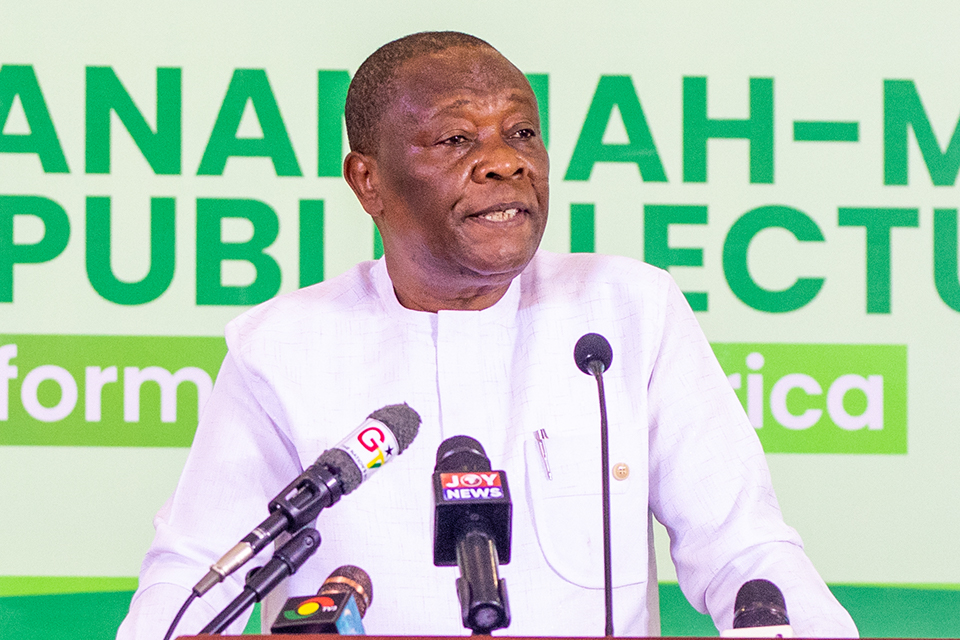
Delivering a message on behalf of the Minister of Education, Prof. George K. T. Oduro reaffirmed Ghana’s commitment to strengthening TVET as a cornerstone of national development. He noted that the focus of education policy has shifted from access to relevance with increasing emphasis on equipping learners with competencies to innovate, create jobs and respond to evolving economic demands.
He highlighted ongoing efforts to enhance infrastructure, promote apprenticeships and strengthen collaboration between government, academia and industry. However, he acknowledged that more work remains to be done to improve quality, expand partnerships and transform public perceptions of technical and vocational careers.
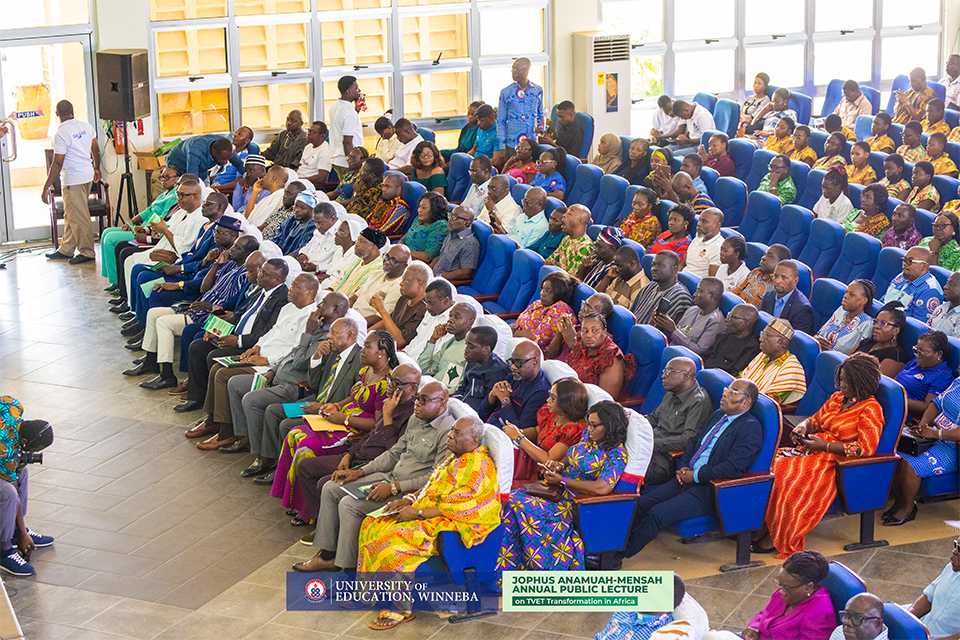
Across all presentations, a consistent theme emerged: TVET transformation requires more than policy reforms; it demands sustained investment, institutional strengthening, industry engagement and critically, a shift in societal mindset.
The lecture also paid tribute to Prof. Jophus Anamuah-Mensah, whose legacy in education reform continues to influence policy and practice. Speakers described the initiative as both a recognition of his contributions and a call to action for stakeholders to build on his vision of an education system that prioritises skills, competence and national development.
The inaugural lecture is expected to become a flagship platform for advancing discourse on skills development in Africa, fostering collaboration among key stakeholders and shaping policies that align education with the continent’s development aspirations.