UEW Empowers Female Senior Members with AI Skills for Higher Education


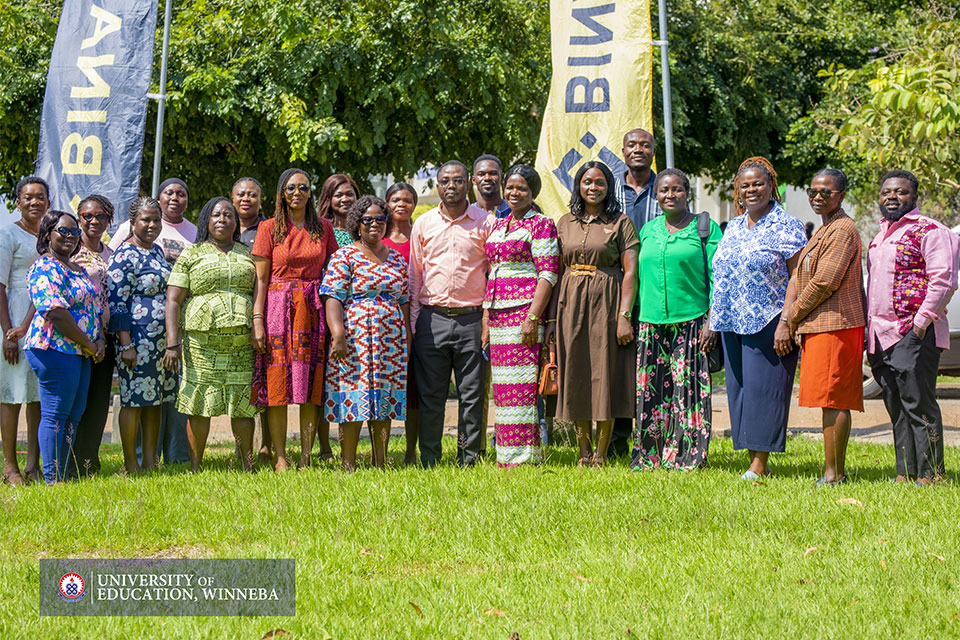
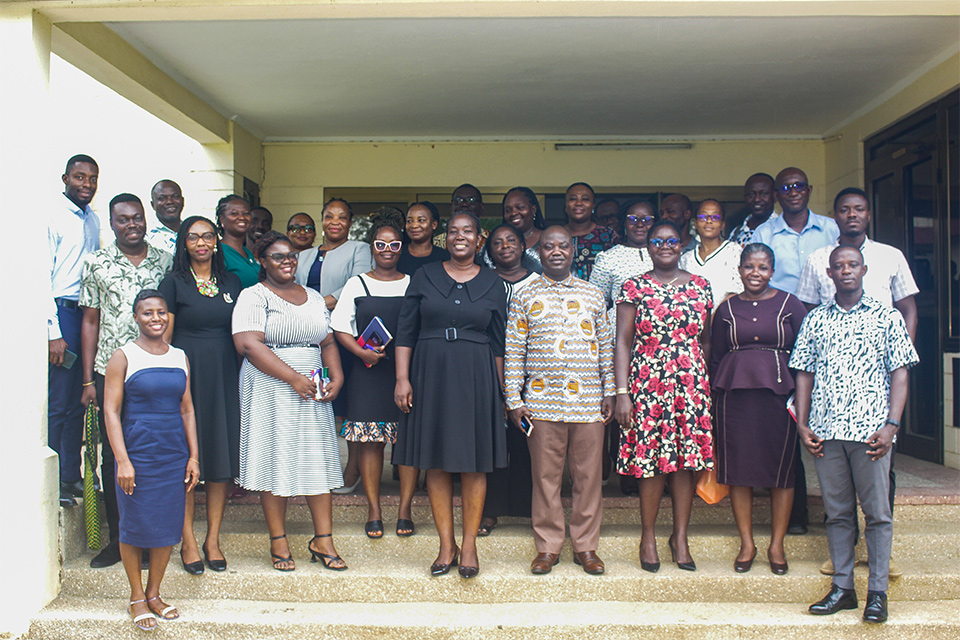
The University of Education, Winneba (UEW) has intensified its efforts to promote digital transformation and gender inclusion in higher education with a workshop on Artificial Intelligence (AI).
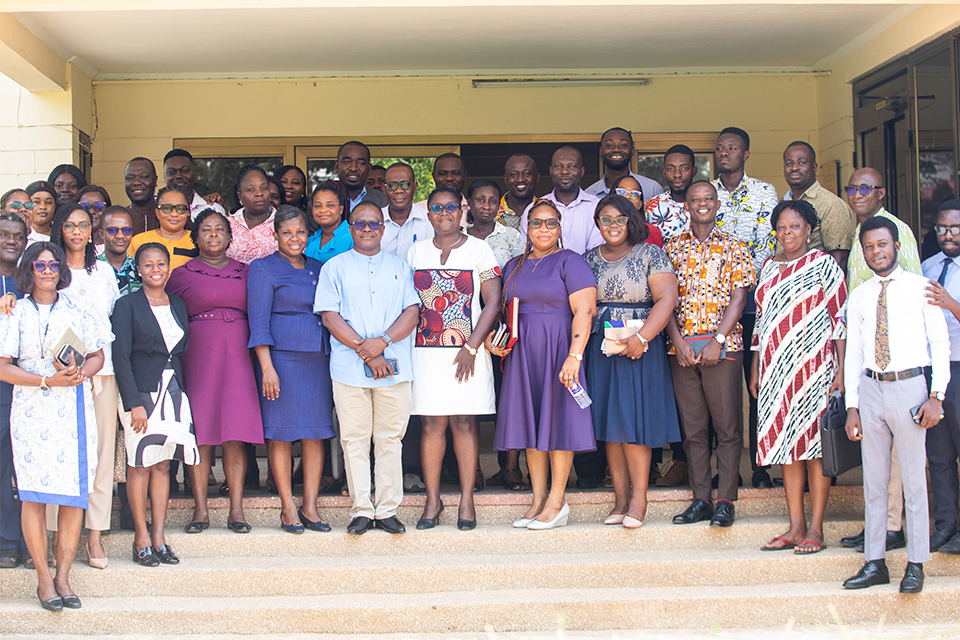
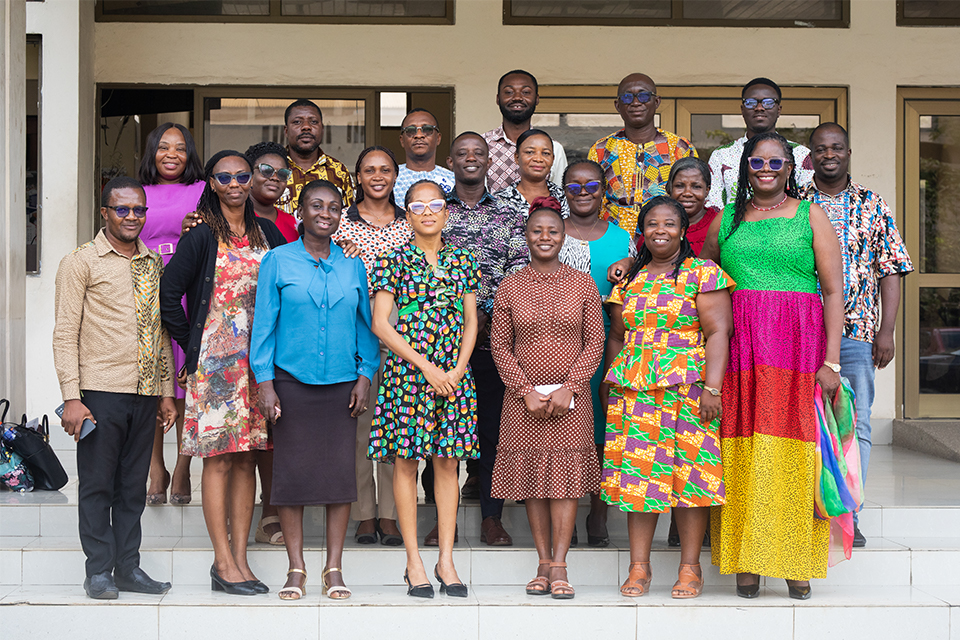
The workshop, held at the North Campus Mini-Conference Room on Wednesday, 4th November, 2026, was to equip female senior members with practical skills for integrating emerging technologies into teaching, research, administration and leadership.
Organised jointly by the Gender Mainstreaming Directorate (GMD) and the Department of ICT Education, the workshop, under the theme “Women in Academia in the Age of AI: Reimagining Teaching, Research and Leadership in Higher Education,” provided a platform for female academics and administrators to explore the opportunities, challenges and ethical implications of AI in the university environment.
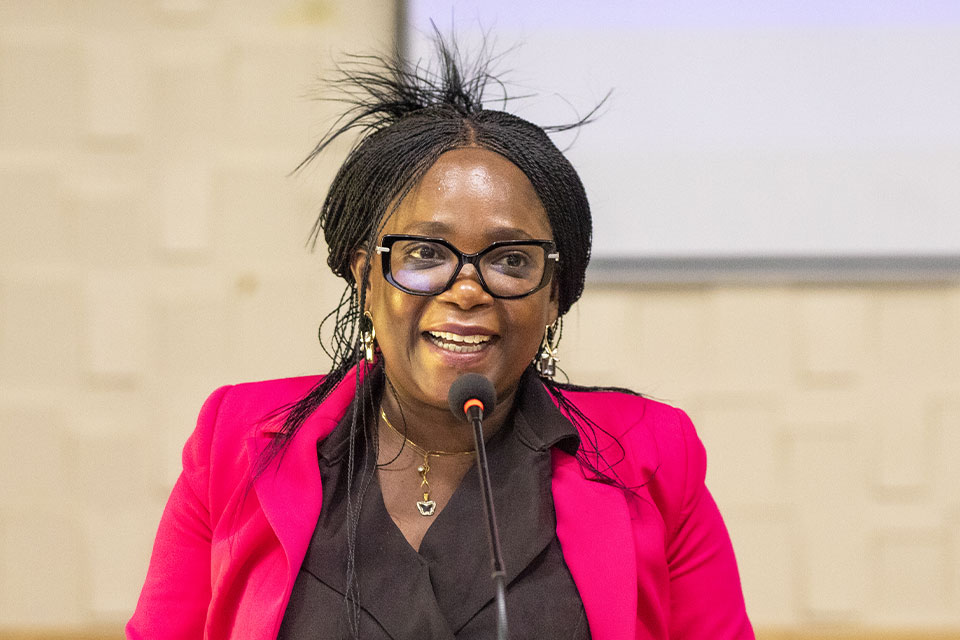
Chairing the workshop, Prof. Esther Yeboah Danso-Wiredu, the Pro-Vice-Chancellor of UEW, described AI as an increasingly influential force reshaping teaching, research, communication and institutional leadership. She urged women in academia to move beyond passive use of AI tools and position themselves as innovators and contributors to the digital transformation of higher education.
She emphasised that although AI offers significant opportunities for research productivity, instructional delivery and administrative efficiency, it must complement rather than replace the human values underpinning education including empathy, mentorship, critical thinking and ethical judgement.
Prof. Esther Danso-Wiredu also highlighted AI’s potential to support literature reviews, data analysis, research design and knowledge dissemination. However, she cautioned against irresponsible use, drawing attention to concerns about academic integrity, plagiarism, data privacy and algorithmic bias. She further called for greater female representation in conversations and decisions shaping AI development and adoption in higher education.
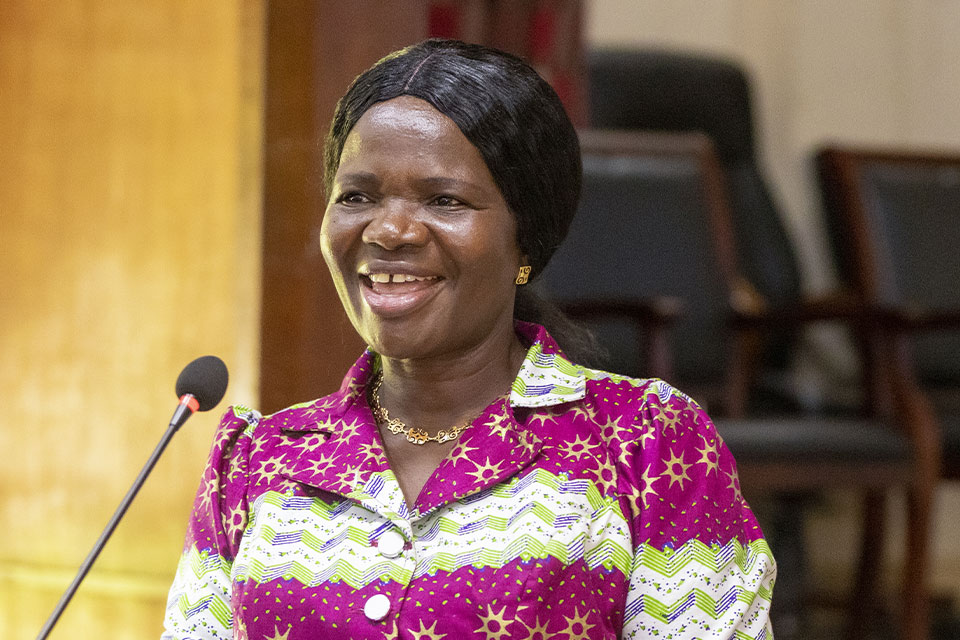
Delivering the welcome address on behalf of the Registrar, Dr. (Mrs.) Deborah Afful, Deputy Registrar of the Division of Academic Affairs, described the workshop as a timely intervention in preparing women to respond to the growing influence of AI in academia. She encouraged participants to engage actively with the facilitators, exchange experiences and apply the knowledge acquired to their professional responsibilities.
The workshop featured presentations by experts from the Department of ICT Education and the Department of Theatre Arts, focusing on responsible AI leadership, technology-supported teaching and assessment and the application of generative AI in research.
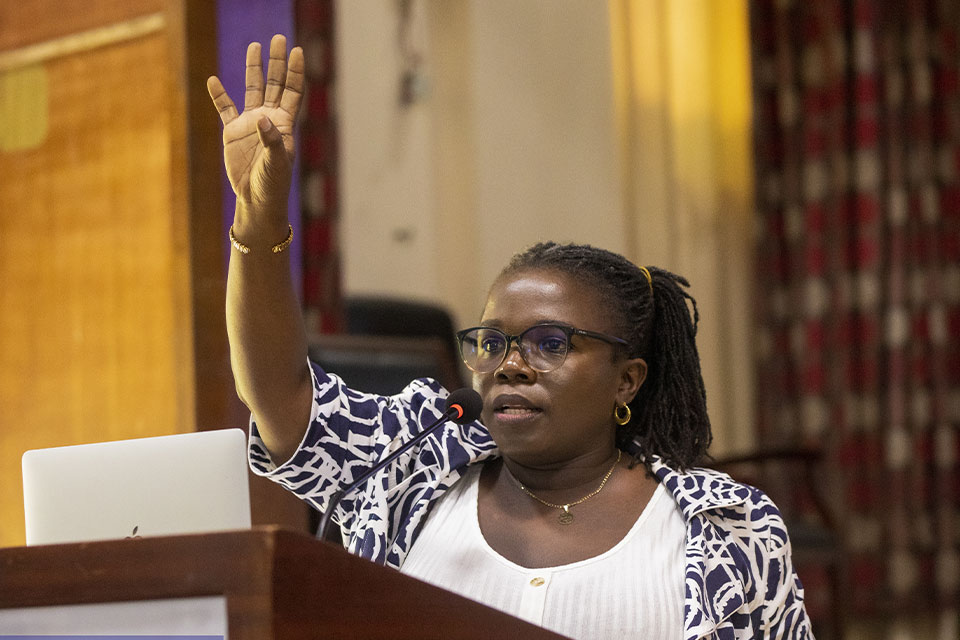
Dr. (Mrs.) Latipher Ama Osei Appiah-Agyei, Senior Lecturer at the Department of Theatre Arts, in a presentation titled “Women Leading the AI Transformation: Human-Centred Leadership and Inclusive Responsible Innovation,” called on women to take active leadership roles in AI adoption and digital transformation. Drawing on her experience in technology-driven self-learning, she observed that inadequate institutional support and training often limit women's participation in technological innovation.
She advocated a human-centred approach to AI and urged participants to uphold accountability, confidentiality and transparency in its application. She also stressed the importance of incorporating Ghanaian perspectives, languages and cultural values into AI development to ensure that African voices are represented in emerging technologies.
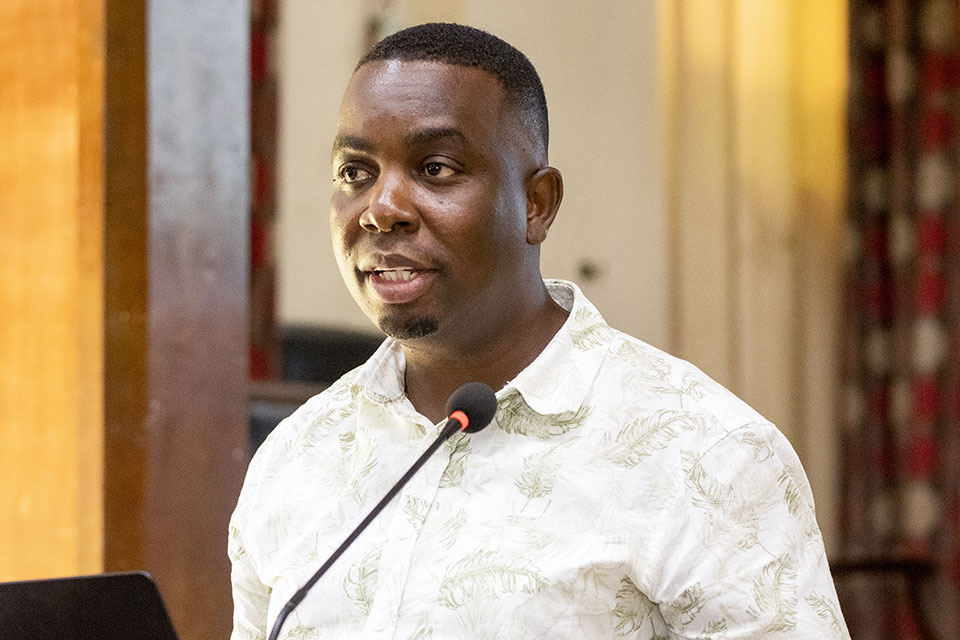
Prof. Delali Kwasi Dake, the Head of the Department of ICT Education, demonstrated how AI-powered tools could support the development of instructional materials, curriculum content and assessment systems. He emphasised the need for educators to adapt their teaching approaches to the demands of contemporary learning while maintaining pedagogical standards and academic rigour.
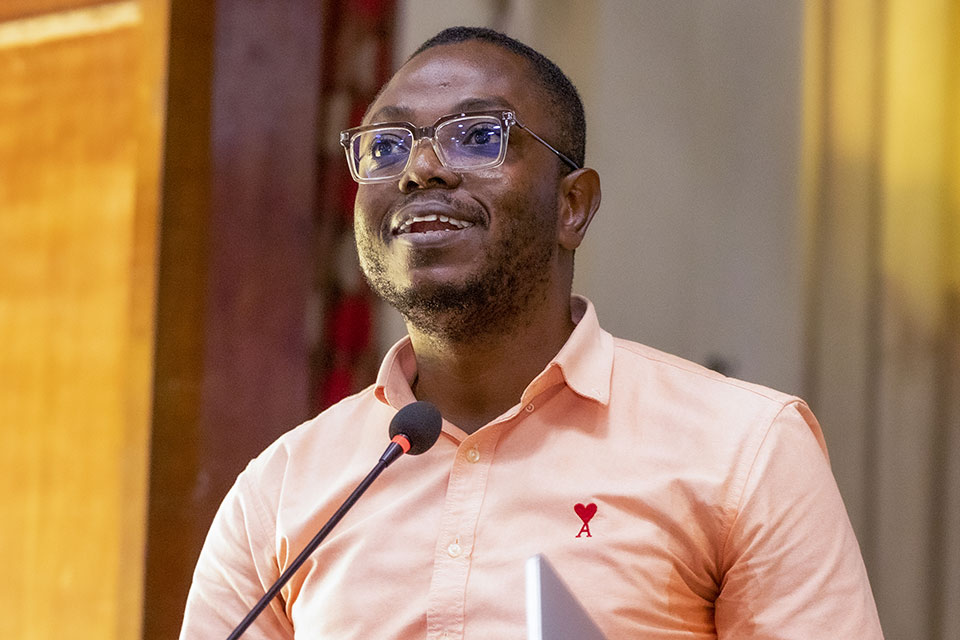
Dr. Stephen Opoku Oppong, a Senior Lecturer at the Department of ICT Education, explored the application of generative AI across the research lifecycle, from idea generation and problem formulation to literature searches, methodology design and knowledge synthesis. He cautioned against overdependence on AI-generated content, citing risks including inaccurate information, bias, hallucinations and reasoning errors, and underscored the need for human oversight and critical evaluation.
In her closing remarks, Dr. Deborah Afful expressed satisfaction with the workshop's outcomes, noting that it had enhanced participants' understanding and practical appreciation of AI applications in their professional roles. She encouraged teaching and administrative staff to continue exploring emerging technologies to improve productivity and institutional effectiveness.
The initiative reinforces UEW's commitment to digital innovation, inclusive leadership and the advancement of women's participation in shaping the future of higher education.