GMD-UEW Hosts Mentorship Conference for Professional Growth and Excellence


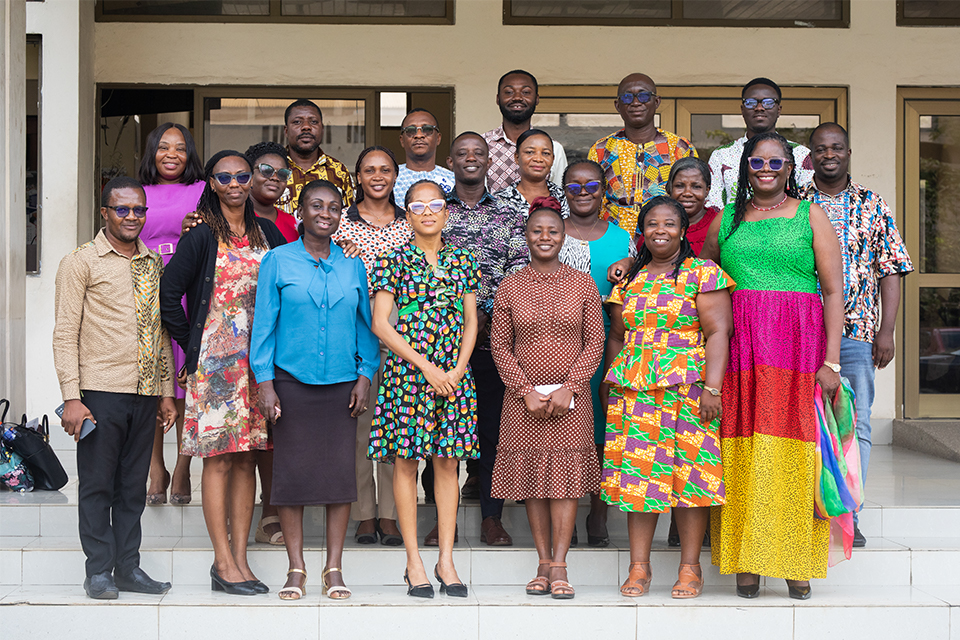
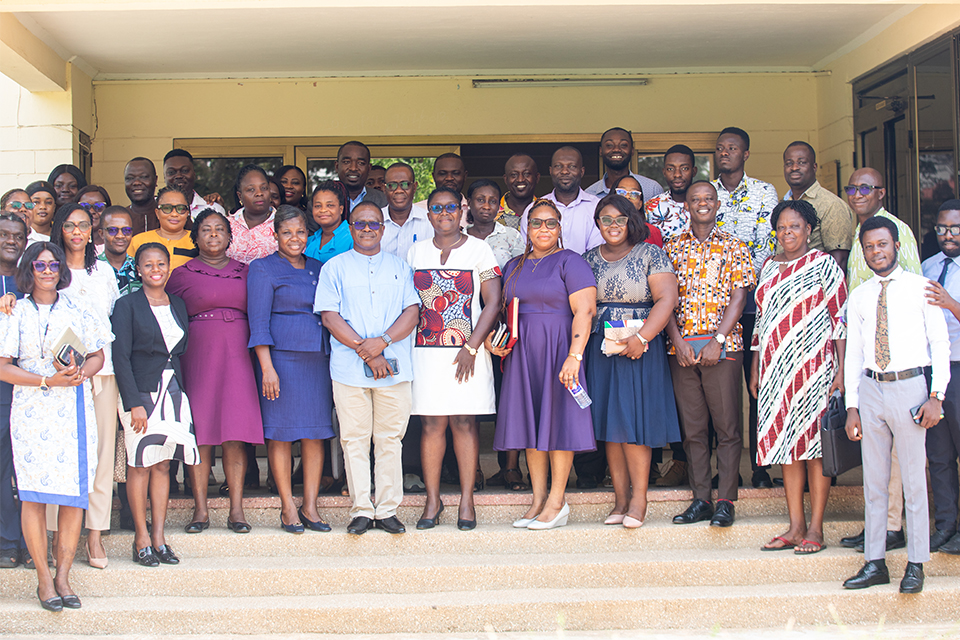
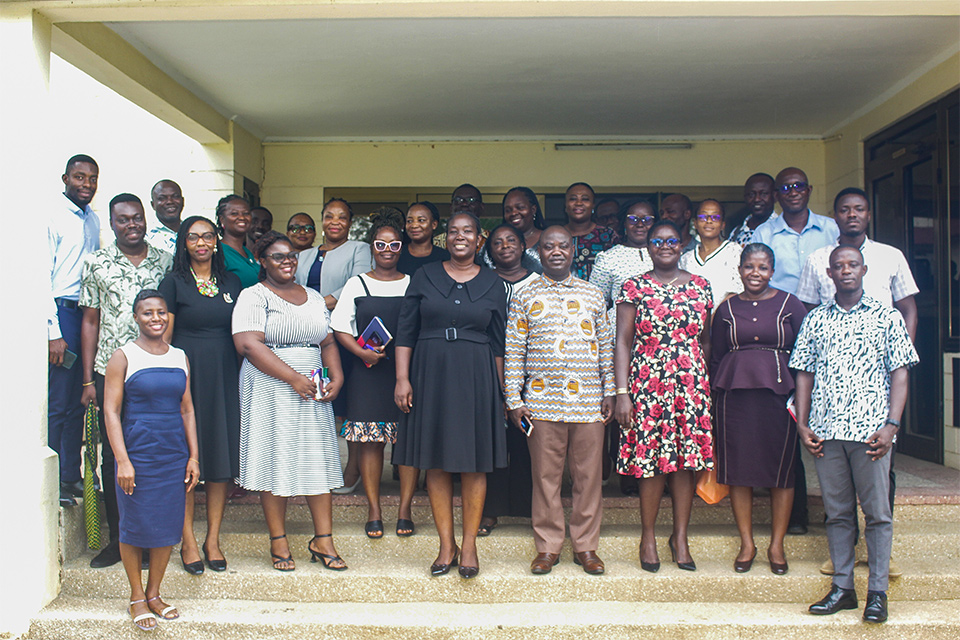
The Gender Mainstreaming Directorate (GMD) of the University of Education, Winneba (UEW) has held a two-day Mentorship Mini Conference aimed at strengthening professional growth, mentorship engagement and institutional efficiency among administrative staff and mentees of the University.
The conference, which climaxed activities for the 2024/2025 mentorship cycle, brought together mentees, mentors and senior administrators to present research-based papers and discuss practical strategies for improving university governance, service delivery and workplace excellence at UEW.

Ms. Patricia Kaitoo, Acting Director of GMD, highlighted the objective of the mentorship initiative as a capacity-building platform designed to nurture leadership potential, promote gender inclusiveness and ensure that mentees acquire the competencies necessary to contribute effectively to the university’s mission.

Delivering the welcome address, Mrs. Ekua Abedi-Boafo, Registrar of UEW, commended the Directorate for maintaining a structured mentorship system that enables knowledge transfer and continuous professional development among staff. She acknowledged the efforts of mentors and mentees who have demonstrated commitment to academic and administrative excellence, adding that such initiatives reinforce institutional growth and sustainability.

There were also remarks from Mr. Jerry Addison Anyan, Deputy Registrar at the Division of Operations, who represented the mentors. He emphasised the importance of mentorship in grooming the next generation of university administrators, stressing that practical experience, ethical conduct and accountability were vital to achieving the goals of higher education management.
The first presentation of the day was delivered by Mrs. Shiella Appiah-Kubi, Assistant Registrar at the Directorate of Quality Assurance. Her presentation focused on promoting quality management systems within the University and strengthening monitoring mechanisms that ensure continuous improvement. She identified key challenges related to quality assurance implementation and proposed strategies for embedding performance evaluation and compliance standards in departmental operations.

The second presentation was made by Mr. Moses Sackey, Assistant Registrar at the Internal Audit Unit, who addressed issues of financial accountability and internal control. His paper analysed audit procedures and risk management approaches that safeguard institutional resources. He called attention to the transparency, proper documentation and adherence to financial regulations to maintain integrity within the University’s financial operations.
The third presentation was delivered by Mr. Gideon Adinku, Assistant Registrar at the Admissions Office. His study examined the admissions process at UEW, highlighting ways to improve efficiency, accuracy and fairness in student enrolment. He proposed the adoption of digital systems to streamline application processing, enhance data security and ensure that admission procedures align with national and institutional standards.

The day concluded with closing remarks by Dr. Patricia Ananga, Deputy Registrar at Accreditation, UEW. She commended the presenters for their insightful contributions and reaffirmed the University’s commitment to promoting continuous learning and performance excellence through mentorship and collaborative engagement.
Mr. Emmanuel Owusu-Kwarteng, Assistant Registrar at the School of Communication and Media Studies, delivered the first presentation on the second day. His presentation was on the framework for design, production and use of official stamps at the University of Education, Winneba. His research identified inconsistencies in stamp design and usage across faculties and departments, which pose risks to document authenticity and institutional credibility.
He proposed a centralised and standardised system under the Office of the Registrar to coordinate stamp design, approval and management with the Division of Publications and Communication responsible for ensuring conformity with the University’s corporate identity and integrating security features. He further recommended staff training, regular audits and phased implementation of the new system, beginning with principal offices before extension to all departments.

The next presentation was delivered by Mr. Ernest Osei Bonsu, Assistant Registrar at the School of Education and Life-Long Learning, who presented on behalf of his colleagues, Mrs. Florence Egyin Essilfie, Ms. Eunice Fletcher and Charles K. Addo. His paper examined the cut-off point system and its implications on admissions at the UEW. He noted that while the university’s open admission policy has broadened access to higher education, it has also contributed to overcrowding, facility strain and challenges in maintaining academic quality.
They recommended reintroduction of a merit-based cut-off point system to enhance fairness, transparency and academic competitiveness. Drawing on best practices from leading institutions such as the University of Ghana, the Kwame Nkrumah University of Science and Technology, Harvard University and the University of Tokyo, they argued that reinstating the system would improve quality assurance, attract international students and sustain UEW’s reputation as a premier centre for teacher education and research.
The final presentation was delivered by Ms. Maura Francisca Tenteh, Assistant Registrar at the Division of Human Resource. Her presentation focused on enhancing communication and stakeholder engagement through effective frontline service delivery. She emphasised the role of front-desk and administrative personnel as ambassadors of the university whose interactions shape public perception.
Her paper addressed the need for structured training programmes in customer service, communication and conflict management to improve responsiveness and professionalism. Drawing insights from institutions such as Harvard University, the University College of London and the University of Cape Coast, she proposed the introduction of regular customer service training, the integration of service excellence modules into staff development programmes and the establishment of a Service Excellence Award to recognise outstanding performance.
The two-day conference provided an opportunity for mentees to showcase their research and share evidence-based recommendations for strengthening administrative systems and institutional performance. It also served as a platform for mentors to guide their mentees on leadership, professional ethics and innovation in higher education management.