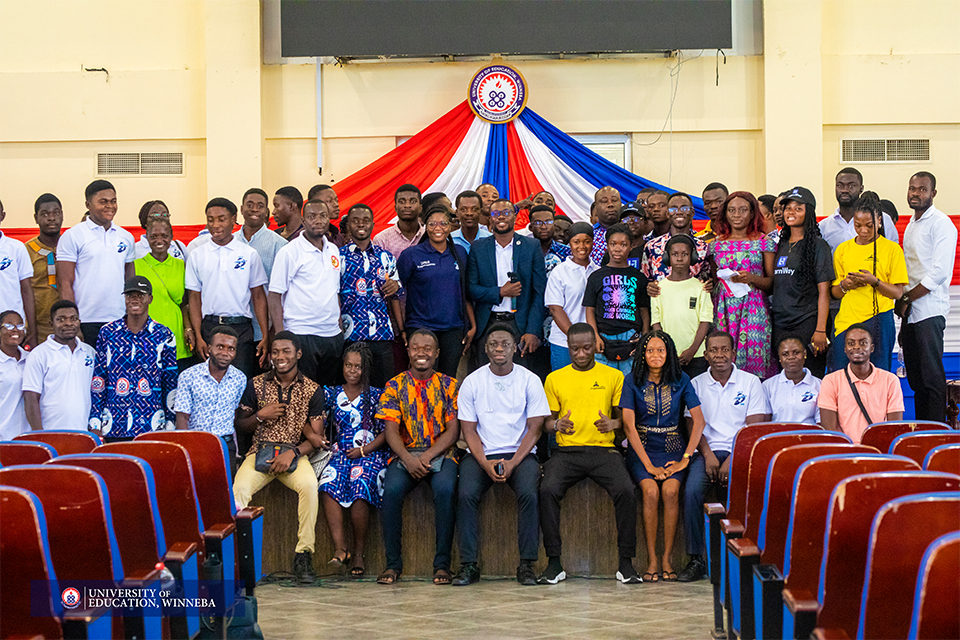
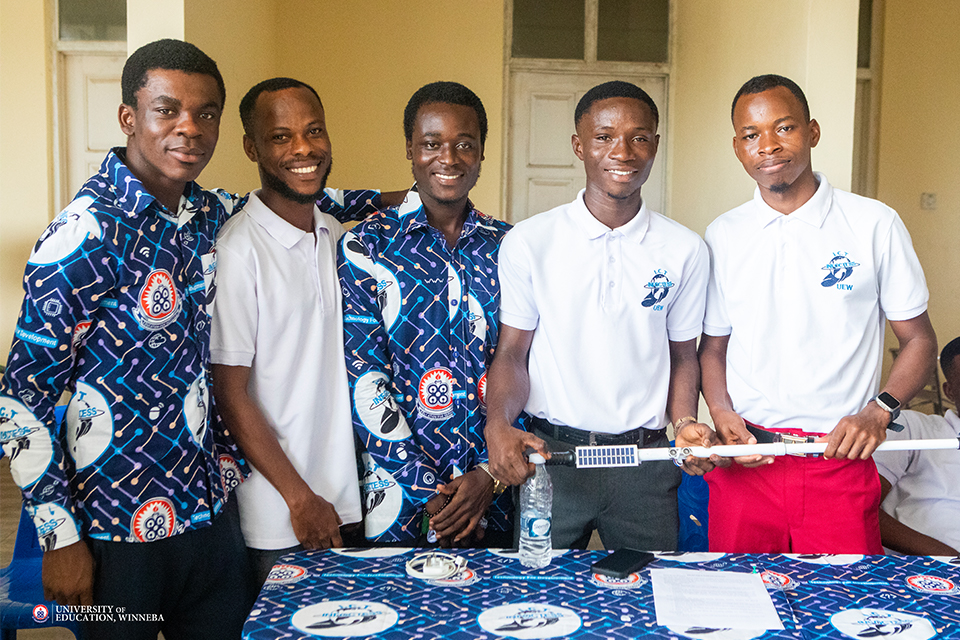
UEW Hosts 2026 Binance Summit on Blockchain and Digital Assets


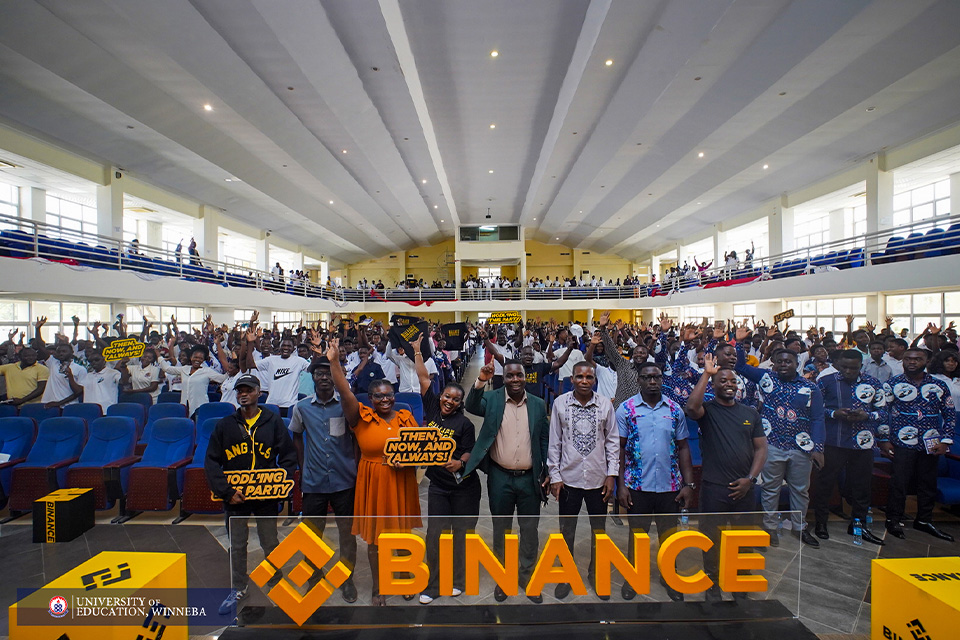
The Department of ICT Education at the University of Education, Winneba (UEW) in collaboration with the School of Business, hosted the 2026 Binance Summit to expose students to emerging opportunities in blockchain technology, cryptocurrency and the broader digital economy.
The summit, held at the Jophus Anamuah-Mensah Conference Centre on Wednesday, 11th March 2026, brought together faculty members, industry experts and students for insightful discussions on the future of Web3 technologies and digital finance.
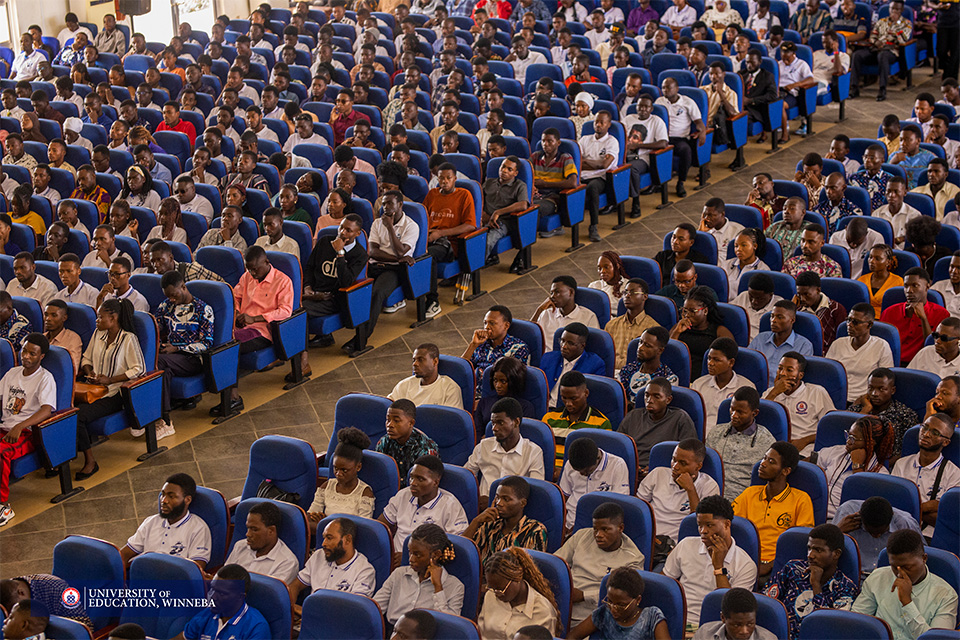
Presentations at the Summit examined various aspects of blockchain and cryptocurrency. Topics included the historical development of these technologies, an introduction to Binance, opening an account and opportunities for peer-to-peer (P2P) trading. Furthermore, discussions covered social media challenges, “write-to-earn” initiatives, foundational trading principles and best practices, resources from Binance Academy and potential career paths in the blockchain industry.
The programme also featured open discussions, practical demonstrations, blockchain case studies and interactive Kahoot games to enhance learning and participation.
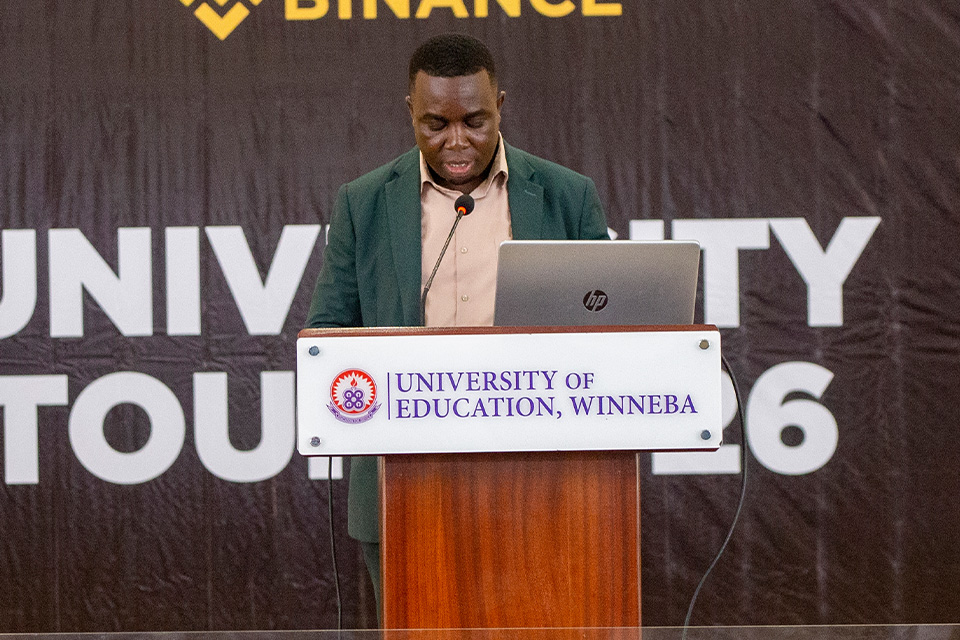
Prof. Delali Kwasi Dake, Head of the Department of ICT Education, described the event as a significant platform connecting academia to industry and preparing students for the rapidly evolving digital economy. He highlighted that technologies such as artificial intelligence, blockchain, digital assets and Web3 innovations are transforming financial systems, business operations and global economic structures.
Prof. Dake further noted that Ghana is gradually positioning itself within the digital financial ecosystem through policy and regulatory initiatives such as the Virtual Asset Service Provider Act. He urged students to leverage the summit as an opportunity to acquire knowledge, pose questions and network effectively, enabling them to participate meaningfully in the global digital economy.
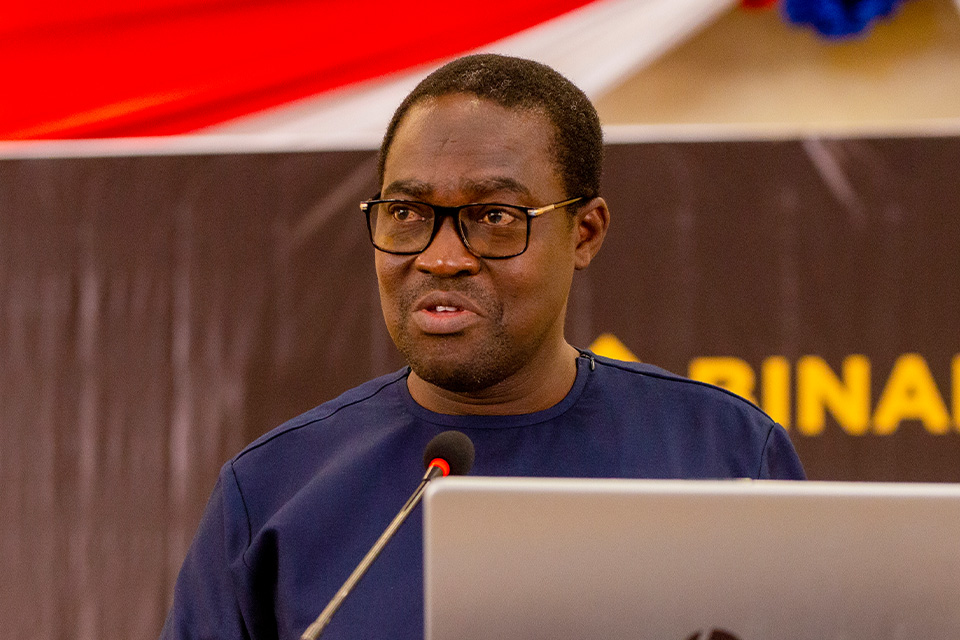
Prof. Arkoful Sam, Dean of the Faculty of Science Education, conveyed his enthusiasm for the expanding opportunities present in digital investment and financial technologies. He urged students to remain receptive to learning about emerging technologies that could enhance their prospects and financial independence.
Prof. Sam emphasised that students should leverage their youth to acquire essential knowledge and skills in blockchain and cryptocurrency investments, noting that consistent learning and disciplined investment practices can create substantial opportunities over time.
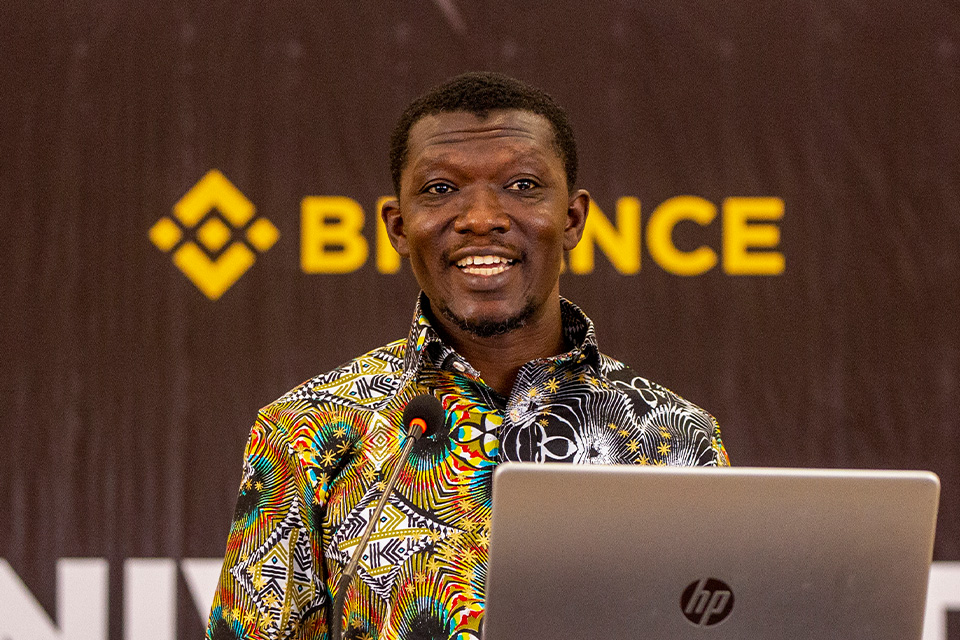
Prof. Richard Oduro, Dean of the School of Business, highlighted the increasing relevance of digital assets within the global financial system and commended the organisers for bringing industry expertise to the university community. He explained that while many associate platforms like Binance primarily with cryptocurrency trading, their work extends broadly into digital asset investment and financial innovation.
Prof. Oduro also pointed out that between July 2024 and June 2025, Sub-Saharan Africa recorded approximately $205 billion in cryptocurrency transactions, illustrating a significant rise in digital financial activity. He stressed that blockchain technology has the potential to reduce transaction costs, enhance transparency and create new opportunities in sectors such as banking, insurance, supply chain management and international trade.
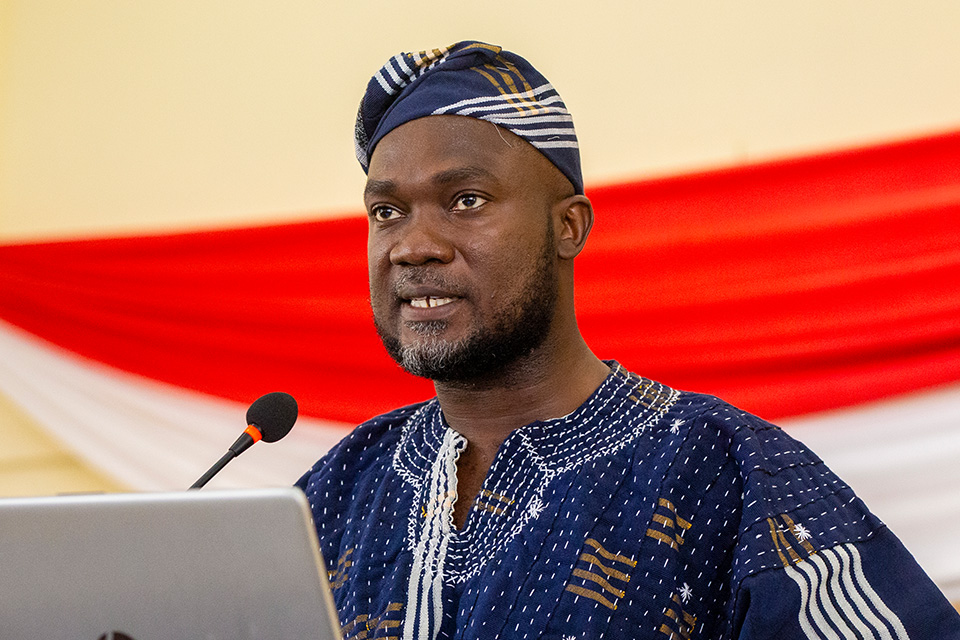
Prof. Benjamin Ghansah, Vice-Dean of the Faculty of Science Education, addressed the summit, underscoring the transformative role of emerging technologies in shaping the future of work and innovation. He explained that the digital world has evolved from Web1 which mainly focused on reading online content, to Web2 where users could both read and create content.
Prof. Ghansah mentioned that the emerging Web3 era introduces the concept of ownership, allowing individuals to control and benefit from the digital content and assets they generate. He observed that this technological shift is creating new professional pathways in areas such as blockchain development, data analytics, cybersecurity and digital asset management.
He urged students to embrace lifelong learning and remain adaptable to technological changes, emphasising that success in the digital economy comes from combining technological knowledge with creativity, ethical responsibility and continuous education.
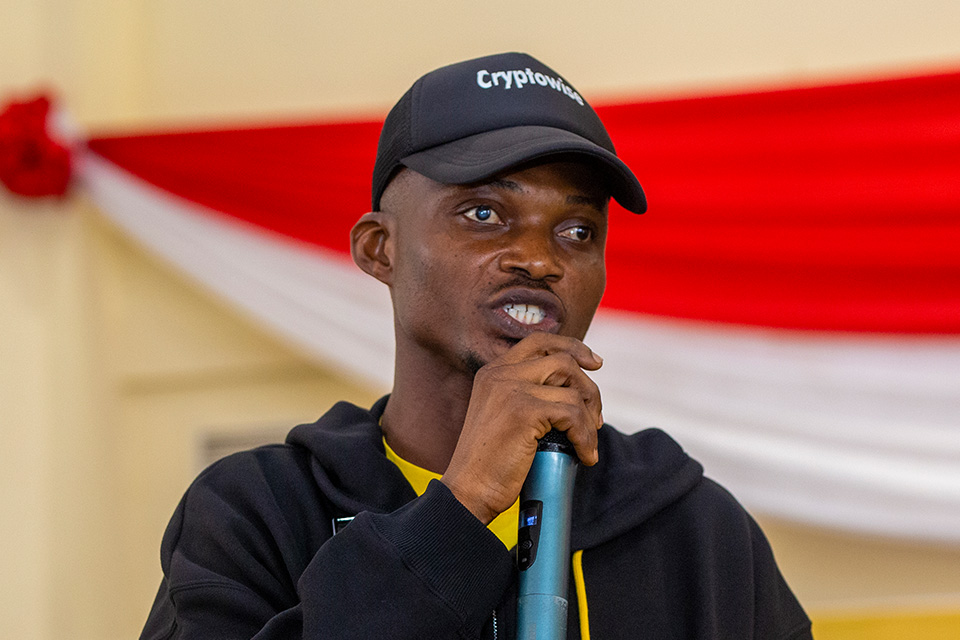
Crypto educator Wise Sablah highlighted the importance of social media as a strategic tool for professional visibility, networking and knowledge sharing in the digital age. He urged students to utilise platforms like X and LinkedIn to share educational content, engage in meaningful conversations and build strong personal brands within the expanding blockchain ecosystem.
Mr. Sablah also led a practical social media engagement exercise where students interacted with Binance Africa online using the hashtag #BinanceUniversity to promote the summit and stimulate discussions around blockchain innovation. He encouraged students to leverage digital platforms to access learning opportunities, partnerships and global networks within the Web3 space.
The summit was part of UEW’s broader efforts to equip students with modern digital skills and knowledge necessary to thrive in the rapidly evolving global technology landscape.