Girls’ Investment Must Extend Beyond School Fees – UEW Pro-Vice-Chancellor



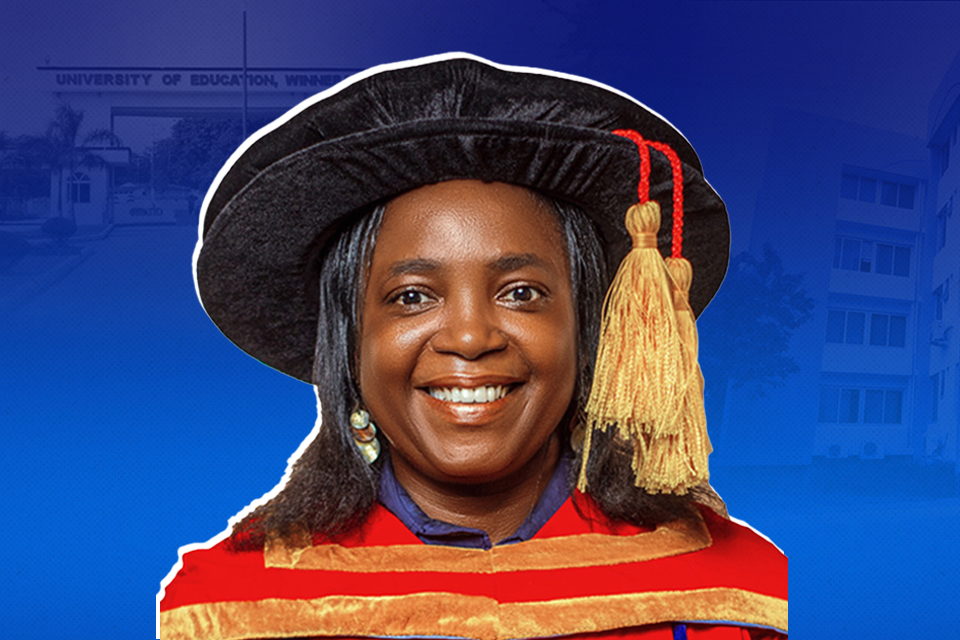
Prof. Esther Yeboah Danso-Wiredu, the Pro-Vice-Chancellor of the University of Education, Winneba (UEW) has called for a comprehensive investment in the girl-child beyond access to education including mentorship, character development, leadership training and the creation of safe, supportive environments where girls can thrive.
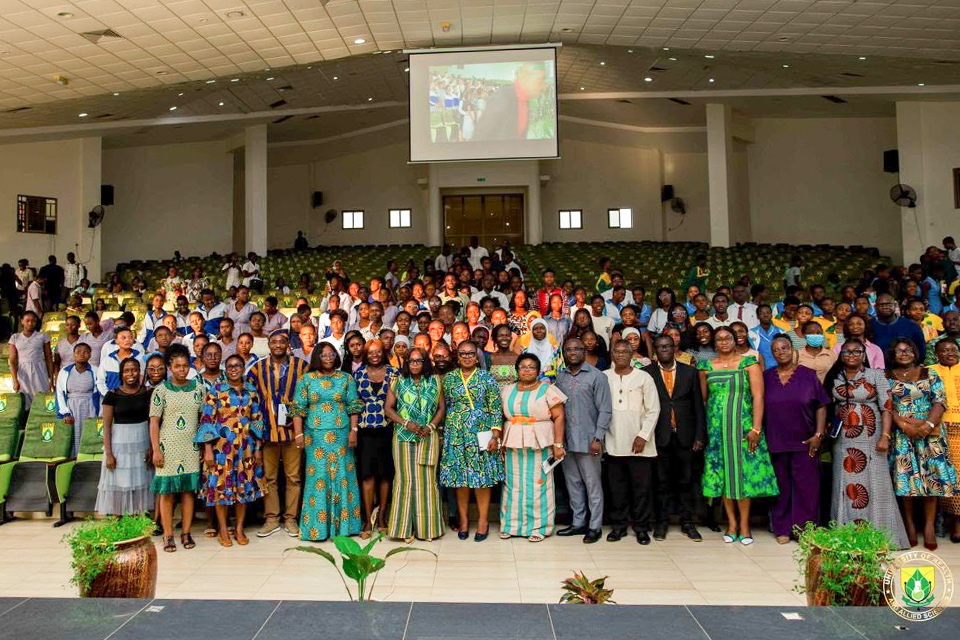
She spoke during her keynote address at the 5th Margaret Gyapong Mentorship Lecture organised by the University of Health and Allied Sciences (UHAS) at the Cedi Auditorium, Sokode-Lokoe, Ho, on Tuesday, 9th June, 2026. The lecture, held under the theme, “Nurturing the Girl-Child: What Investment Do We Need?”, brought together academics, students and stakeholders in education to explore strategies for empowering girls through education and leadership.
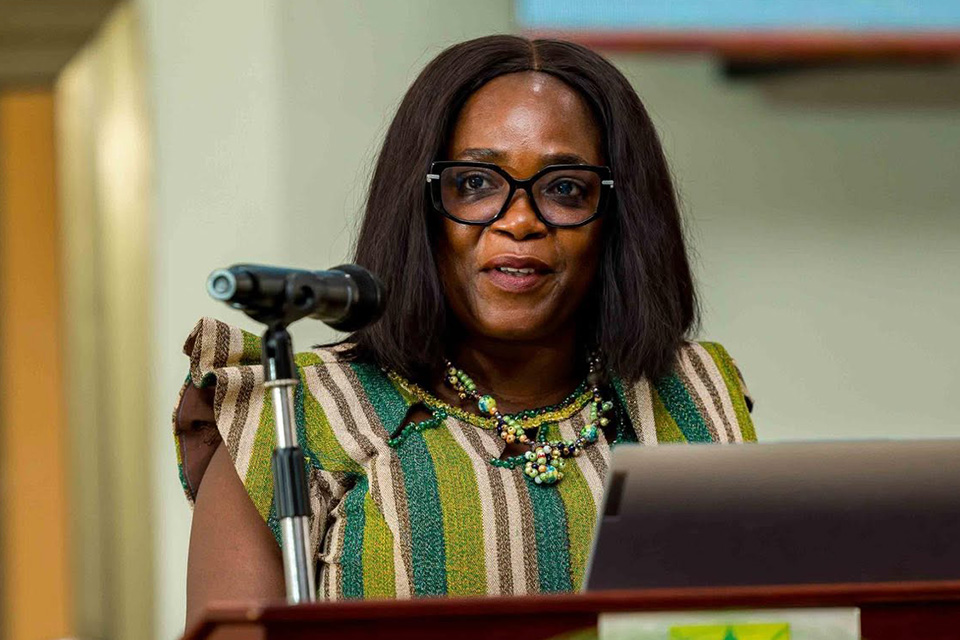
Prof. Esther Danso-Wiredu emphasised that investing in girls remains one of the most effective ways to build stronger families, healthier communities and more prosperous nations. She noted, however, that many girls continue to face significant barriers including limited access to education, early marriage and gender-based violence.
According to her, meaningful investment in the girl-child requires strengthening educational opportunities while ensuring that girls feel safe and supported in pursuing their aspirations. She advocated stronger enforcement of laws against child marriage and gender-based violence and urged families and communities to become active champions of girls' rights to education.
"Anytime we get the opportunity to train our girls in leadership, let us do it," she urged, stressing that girls must be equipped with academic knowledge, confidence and leadership skills needed to contribute meaningfully to society.
Prof. Esther Danso-Wiredu further highlighted the importance of investing in leadership opportunities for girls and young women by creating avenues for their participation in decision-making processes and supporting programmes that nurture their leadership potential. She observed that societies make greater progress when girls are included in leadership and governance structures.
Beyond education and leadership, she underscored the need to invest in the character development of young girls through moral guidance, discipline, respect for others and the cultivation of positive interpersonal relationships. Such values, she noted, are essential for producing responsible citizens and future leaders.
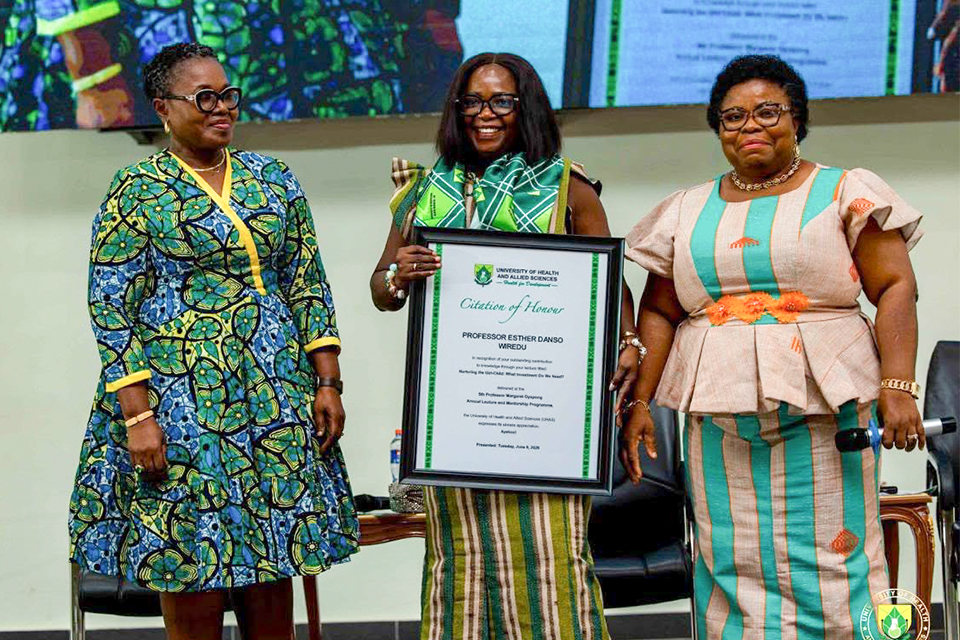
Drawing from her personal experiences, Prof. Esther Danso-Wiredu shared an inspiring account of her journey from a modest upbringing to becoming one of Ghana's leading academics and university administrators. She recounted how the early loss of her father left her mother with the responsibility of raising six children through trading and hard work, circumstances that instilled in her resilience, determination and a commitment to excellence.
She traced her educational journey from public basic schools and St. Roses Senior High School to the University of Ghana and advanced studies in Norway, the United Kingdom and Belgium. Throughout the journey, she acknowledged the critical role that mentors, family members, educators and institutional support systems played in helping her overcome challenges and achieve her goals.
Reflecting on her leadership experiences, the UEW Pro-Vice-Chancellor noted that serving in various academic and administrative capacities had provided valuable opportunities to understand university governance, build relationships and contribute to institutional development. She encouraged young women to remain focused on their goals, work collaboratively with people who share their vision and avoid being distracted by criticism and negativity.
Prof. Esther Danso-Wiredu also called on parents, policymakers, educational institutions and community leaders to work collectively to create environments that protect girls from harmful practices and social barriers. She stressed that investing in girls should not be viewed as a social welfare intervention but as a strategic national development priority.
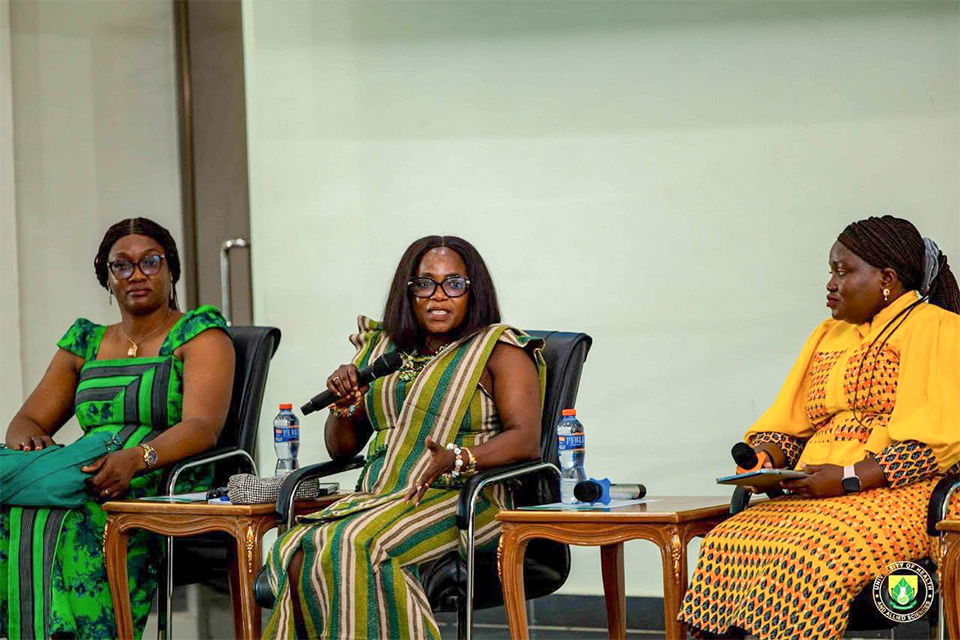
As part of the programme, she joined a panel discussion on investing in the girl-child, where participants reiterated the need for sustained mentorship, confidence-building initiatives and leadership training to enable girls to realise their full potential.
Prof. Esther Danso-Wiredu reminded participants that nurturing the girl-child is a shared responsibility requiring the commitment of families, communities, institutions, governments and the girls themselves. "A girl-child is not a problem to be solved; she is a promise to be fulfilled," she stated.