UEW Theatre Arts Students Drive Change in Gomoa Akramang


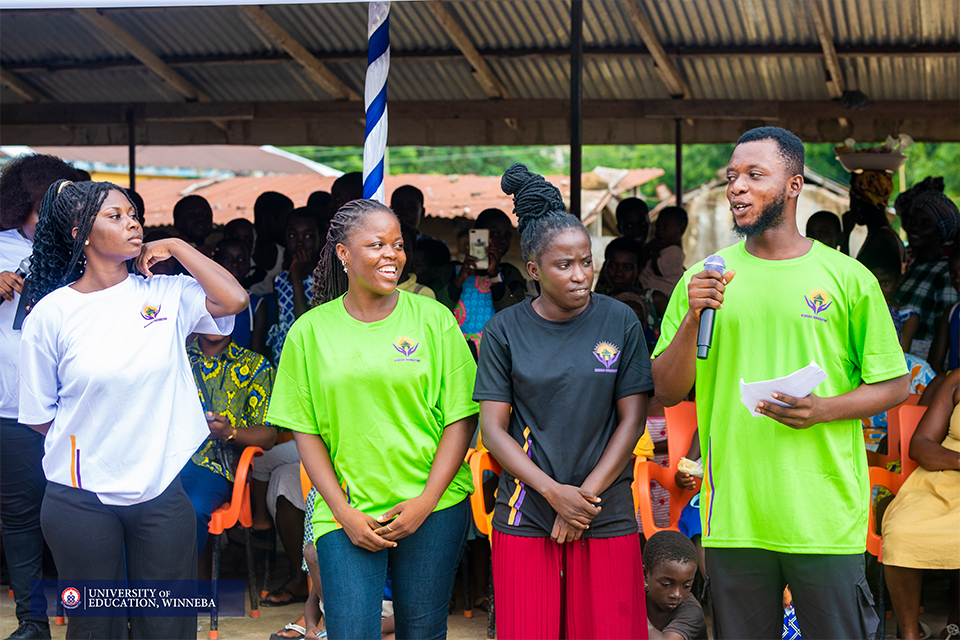
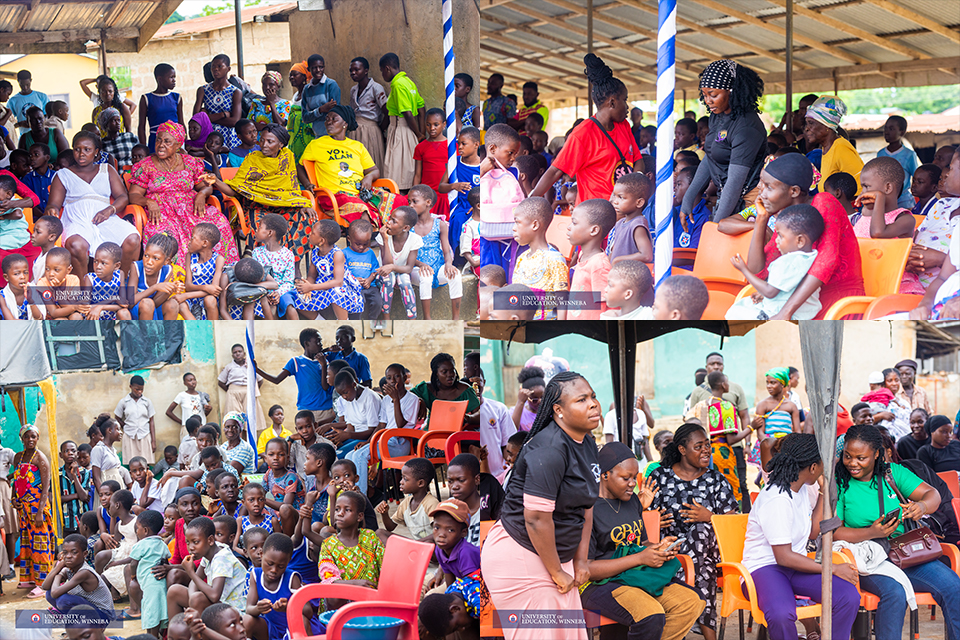
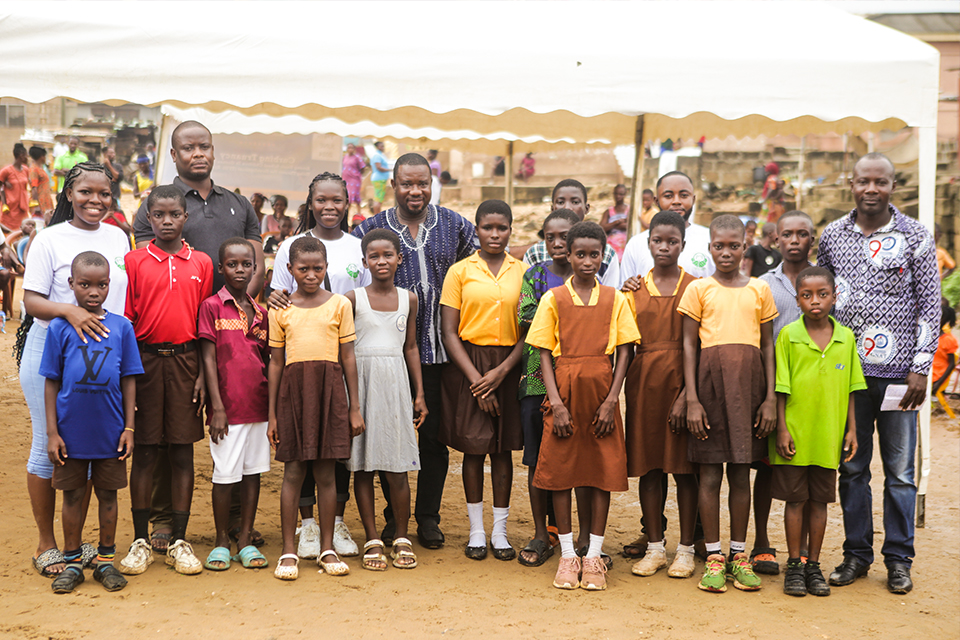
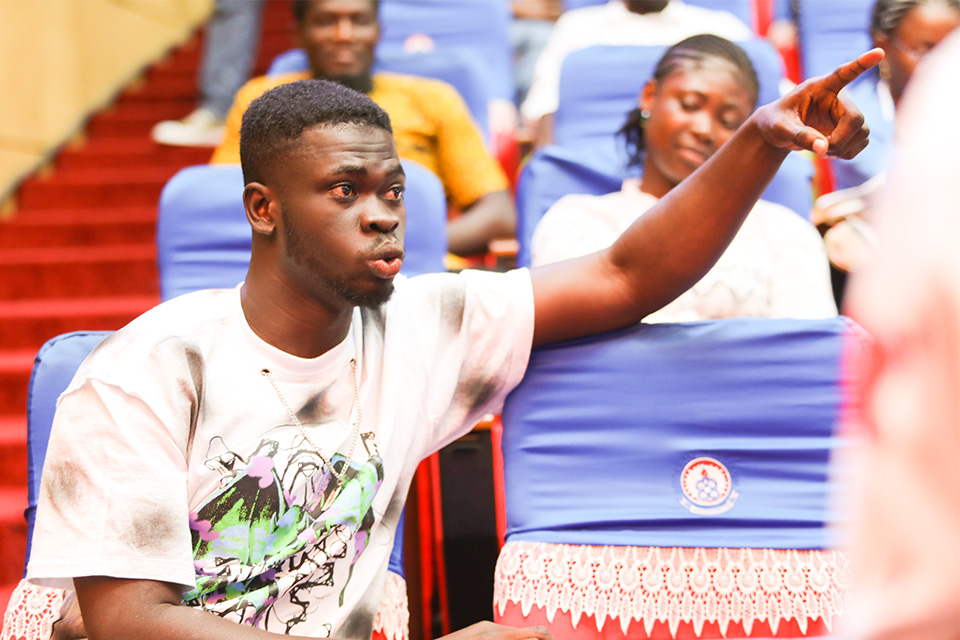
In a vibrant display of creativity and community service, students from the University of Education, Winneba (UEW), brought Gomoa Akramang to life with a theatrical performance aimed at addressing urgent sanitation issues in the community.
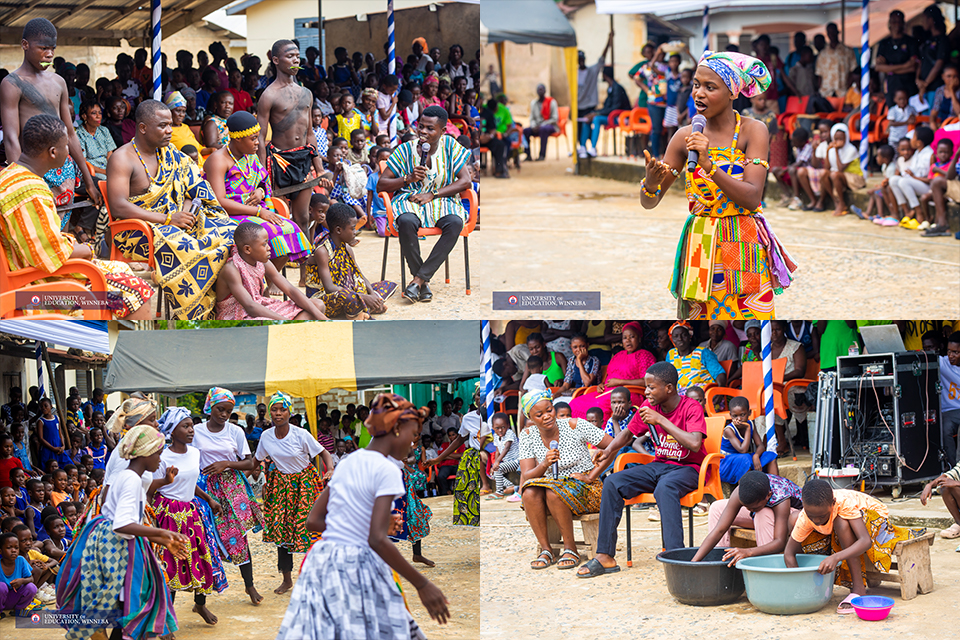
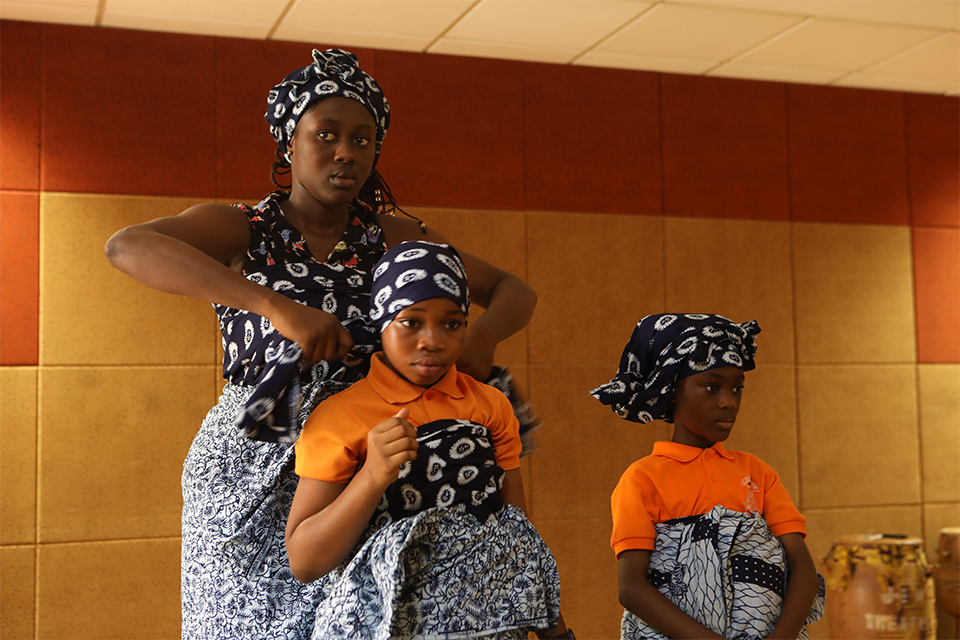
The outreach, organised by the Department of Theatre Arts of the School of Creative Arts, UEW, combined drama, poetry, choreography and cultural dance to promote public hygiene and environmental awareness.
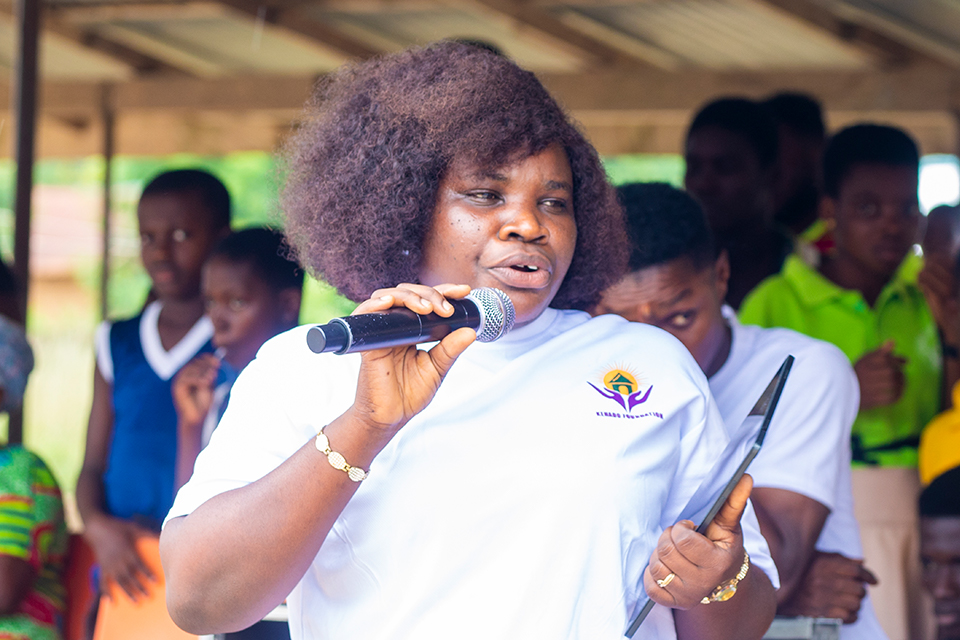
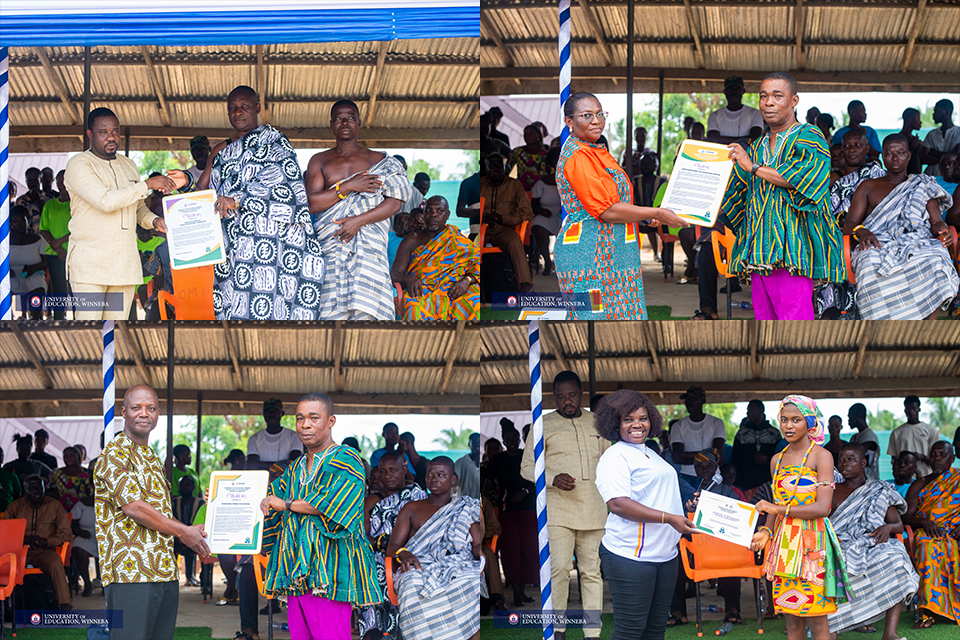
The programme began with a warm welcome from Mrs. Patience Asiedua Darko, who emphasised the university's commitment to using theatre as a tool for development and community empowerment. "We are here not just to entertain but to educate and provide practical solutions,” she stated.
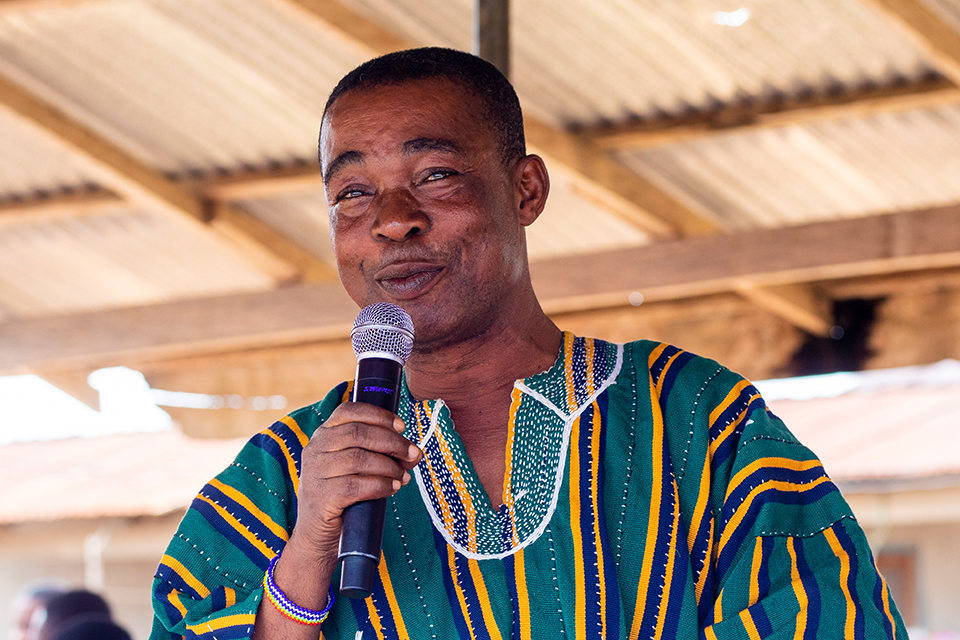
The chairperson of the occasion, Mr. Daniel Ako Dadzie, expressed great joy over the initiative. "This is the first event of its kind in Akramang and I wholeheartedly accept to chair it. Let us all contribute to making this a memorable and successful gathering," he declared, encouraging unity and active participation.
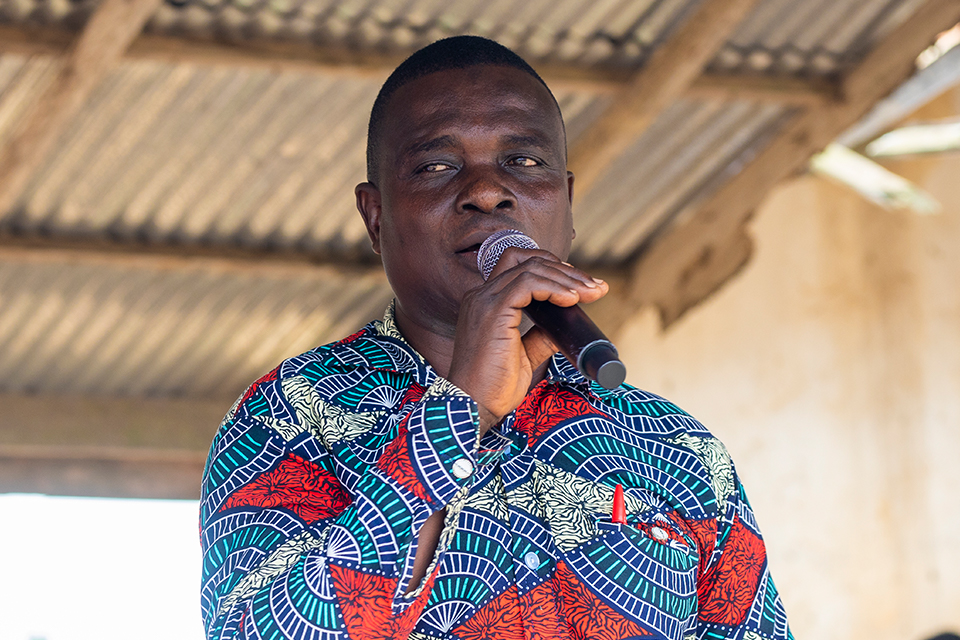
Mr. Emmanuel Honyadzi, outlining the purpose of the gathering, traced the origins of the initiative to research conducted by Mr. Ernest Kwaku Boakye and his team. "They identified real issues within the community and sought to address them through art, making the message both powerful and memorable," he stated.
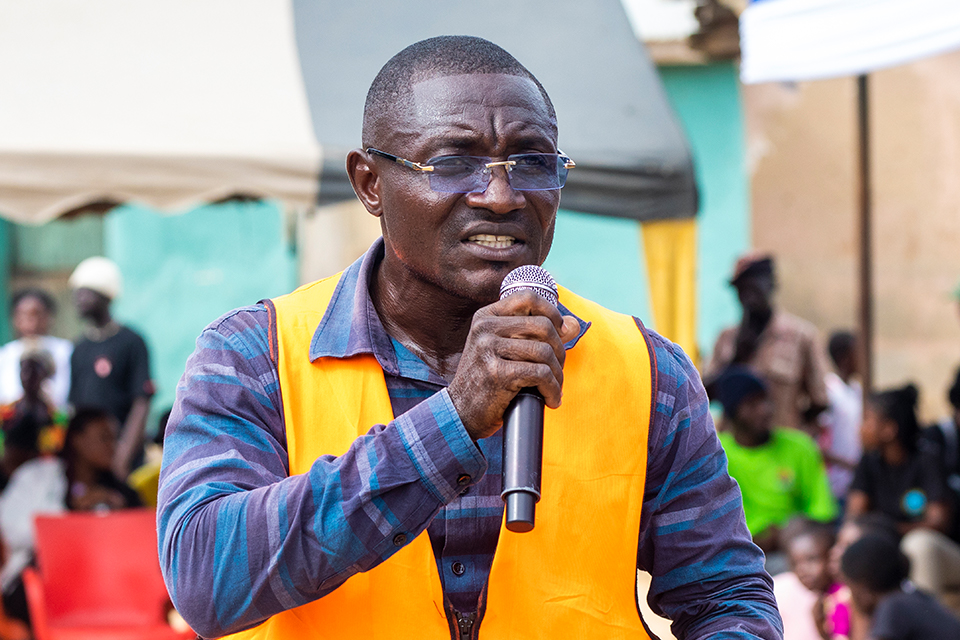
Mr. Anafi Benjamin, a representative of environmental health stakeholders, stated that government policy now mandates households to have private toilets, as the era of public toilet construction has come to an end. "Public toilets are for events, not daily use. We must stop open defecation and learn to appreciate those who maintain our shared facilities,” he urged, warning of legal consequences for violators.
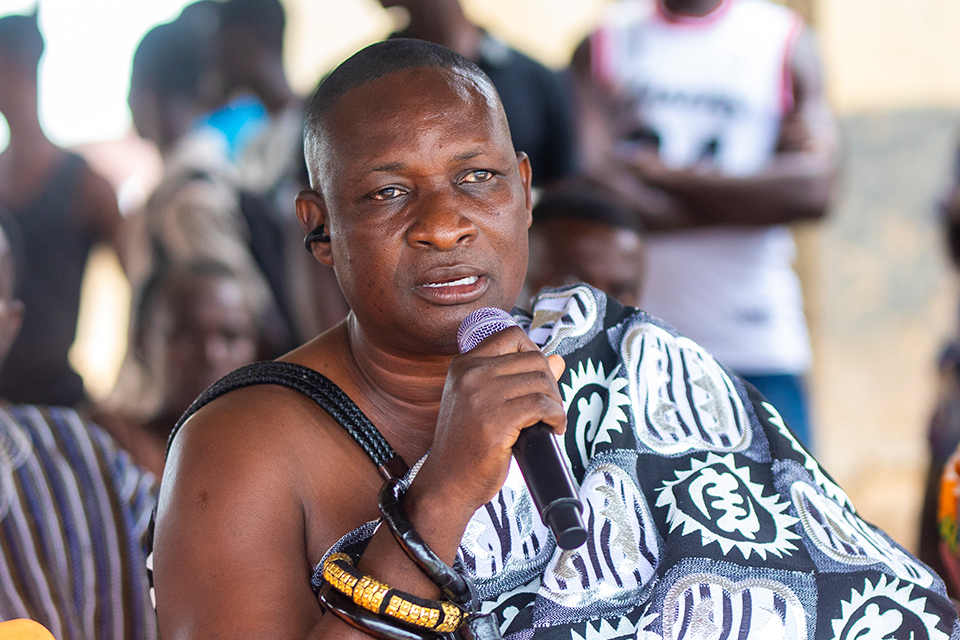
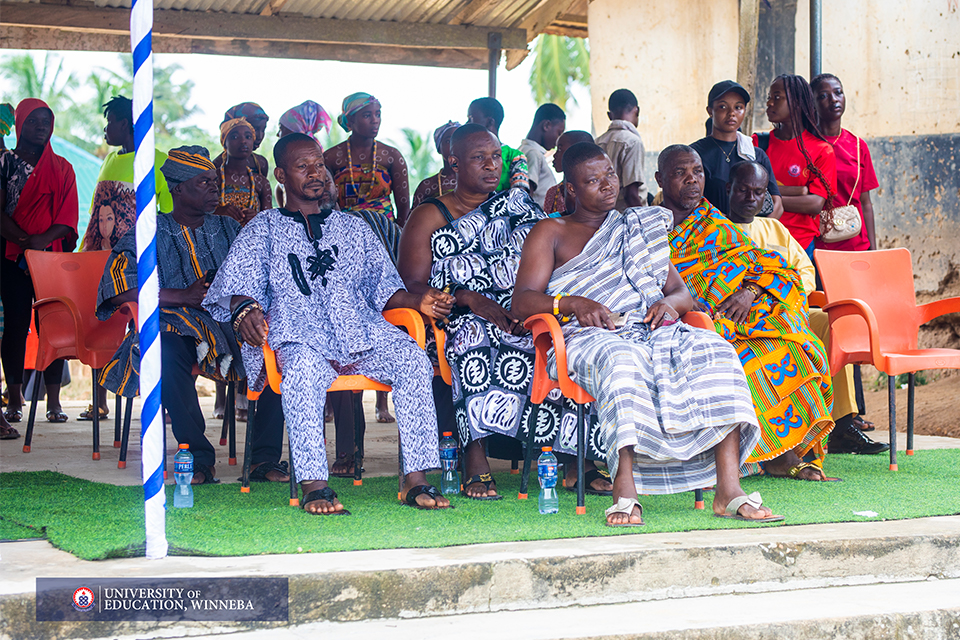
The local Chief, Nana Kronkye Mensah, echoed these concerns, declaring that anyone found defecating in the bushes would be summoned and fined. He called on residents to keep their environments clean, especially during the rainy season, to prevent malaria and other diseases. He expressed gratitude to the UEW facilitators for their impactful work.
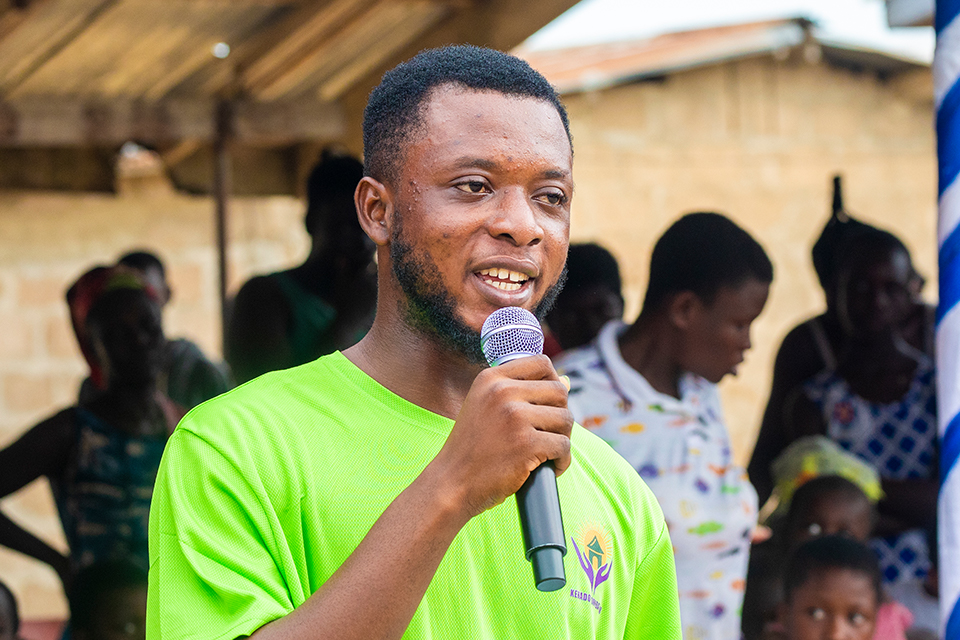
Mr. Ernest Kwaku Boakye, speaking on behalf of the student team, expressed a heartfelt appreciation. “We are truly grateful for the warm welcome and support from the chief, elders, the assemblyman, schools, churches, and the entire community. It was your cooperation that made this event possible,” he said, acknowledging the collective spirit of the project.
The event culminated with a tour of the newly commissioned community toilet facility, a symbol of collaboration, awareness, and the transformative power of the arts.