UEW Lecture: Dr. Chambas Calls for a Mindset Shift to Secure Ghana's Future


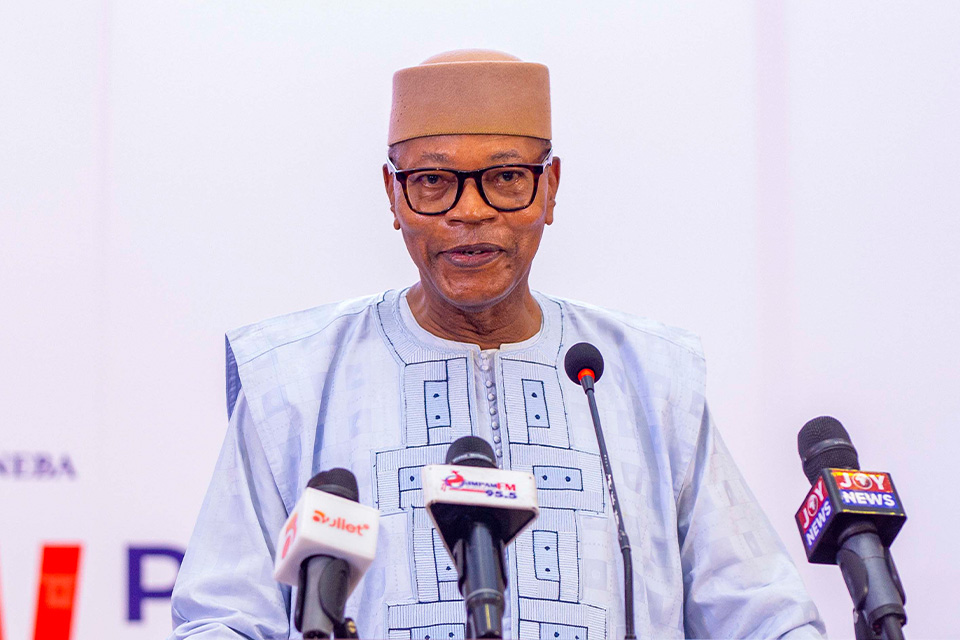
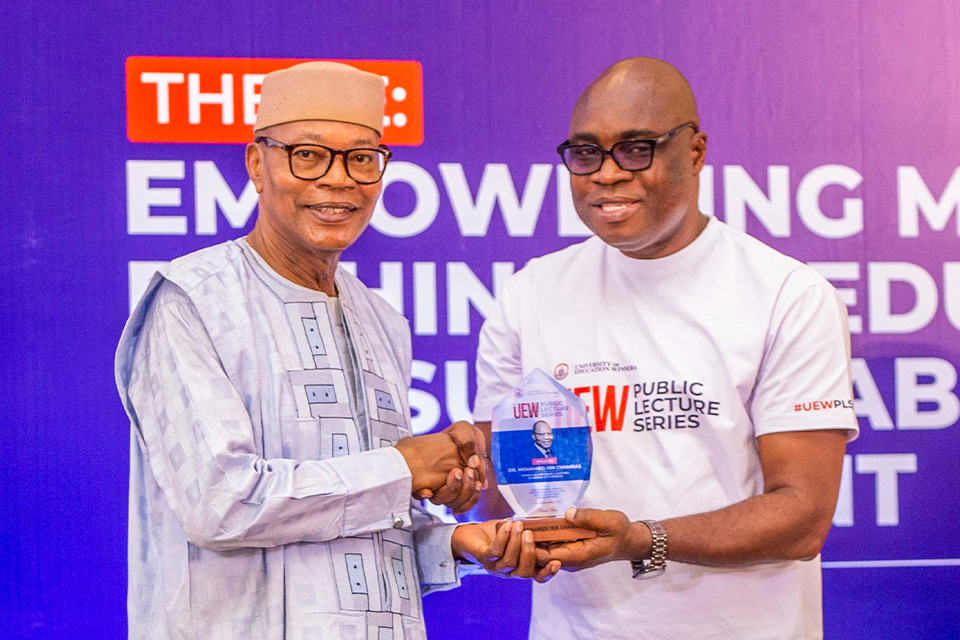
The University of Education, Winneba (UEW) hosted a transformative intellectual discourse on Friday, 10th April, 2026, when renowned diplomat, scholar and statesman, Dr. Mohamed Ibn Chambas, delivered a powerful keynote address at the University’s Public Lecture Series.
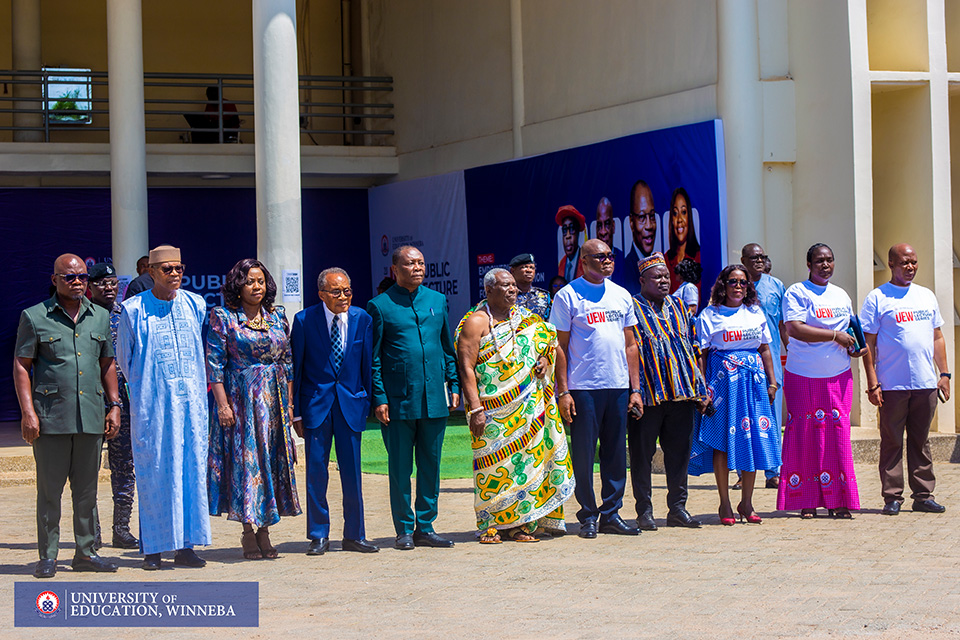
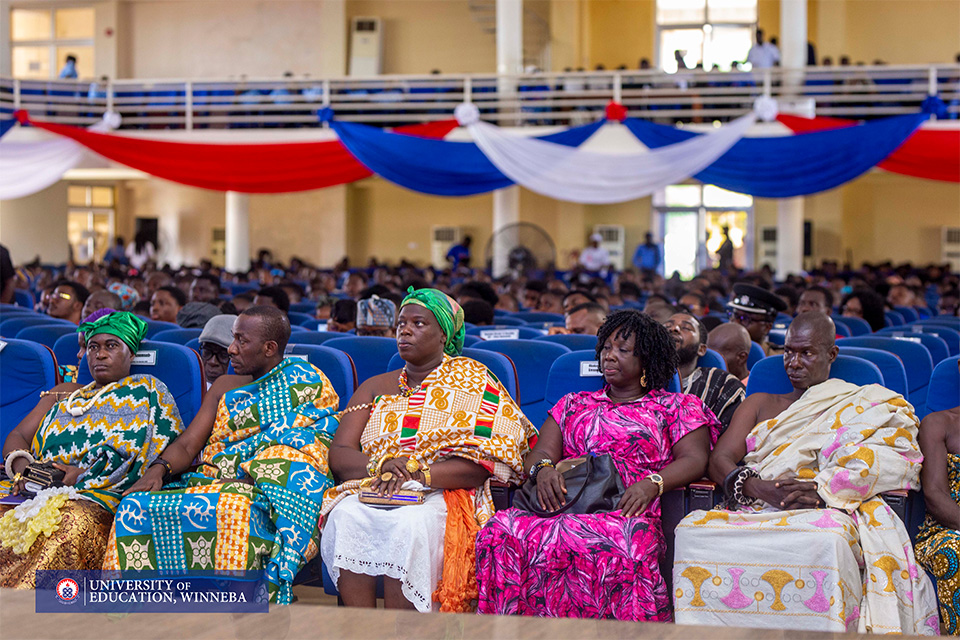
Addressing a packed assembly of faculty, students and distinguished guests at the Jophus Anamuah-Mensah Conference Centre, Dr. Chambas challenged the nation to move beyond the mere expansion of school enrolment towards a radical transformation of the "human mind" to meet the demands of a rapidly evolving global landscape.
Speaking on the theme, “Empowering Minds, Rethinking Education for Sustainable Development,” Dr. Chambas praised UEW for its dedication to fostering a purpose-driven academic environment. He commended the University's leadership for maintaining UEW as a hub for critical national dialogue.
In a nod to the university’s historical significance, he noted that the institution stands on the foundations of successive reforms designed to align Ghanaian education with national development.
A central pillar of the lecture was the inextricable link between education and continental security. As the African Union’s High Representative for "Silencing the Guns," Dr. Chambas argued that quality, transformative education is a strategic tool for peace. He emphasised that education addresses the root causes of violent conflict by fostering critical thinking and economic opportunities, thereby reducing the susceptibility of youth to recruitment by armed groups.
"We cannot silence the guns nor attain the Sustainable Development Goals (SDGs) without empowering minds," he declared, echoing the aspirations of the African Union’s Agenda 2063.
While applauding Ghana’s progress, citing primary enrolment exceeding 90% and the success of the Free Senior High School (SHS) policy, Dr. Chambas posed a provocative question to the University community: “Are we expanding education or transforming it?” He warned that a system rewarding rote memorisation over creativity prepares children for a "past that no longer exists". To bridge this gap, he proposed three foundational principles for the future of Ghanaian education: relevance, resilience and responsibility.
On the principle of relevance, Dr. Chambas urged a curriculum that connects directly to local realities such as sustainable agriculture and community needs, rather than abstract global concepts. He advocated for a "STEAM" approach integrating the Arts and Humanities into Science, Technology, Engineering and Mathematics, noting that while a robot can calculate, it cannot dream or exercise ethical judgment.
Furthermore, he called for Technical and Vocational Education and Training (TVET) to be elevated to a "gold standard," urging a national mindset shift that celebrates artisans and technicians as the backbone of a self-reliant Ghana.
Addressing resilience, the diplomat highlighted the urgent need for climate literacy and digital preparedness. He shared a personal anecdote regarding his transition to solar energy at his home in Tamale, illustrating the economic viability of green technology and the high value of technical labour. He insisted that education must become a "safe space" that nurtures mental well-being, as an anxious or stressed mind cannot foster innovation for a sustainable future.
Dr. Chambas issued a clarion call to all stakeholders. He urged the government to sustain bold investments in teacher professional development, describing teachers as the "true agents of change" and the "architects of the Ghanaian mind".
He encouraged students to take ownership of their learning and remain restless in their pursuit of solutions to societal challenges. By choosing the difficult path of constant "rethinking," Dr. Chambas believes Ghana can move from mere enrolment to true enlightenment, securing a destiny that leaves no one behind.