UEW-Led RTIA Project Targets National Scale-Up of Sustainability Education


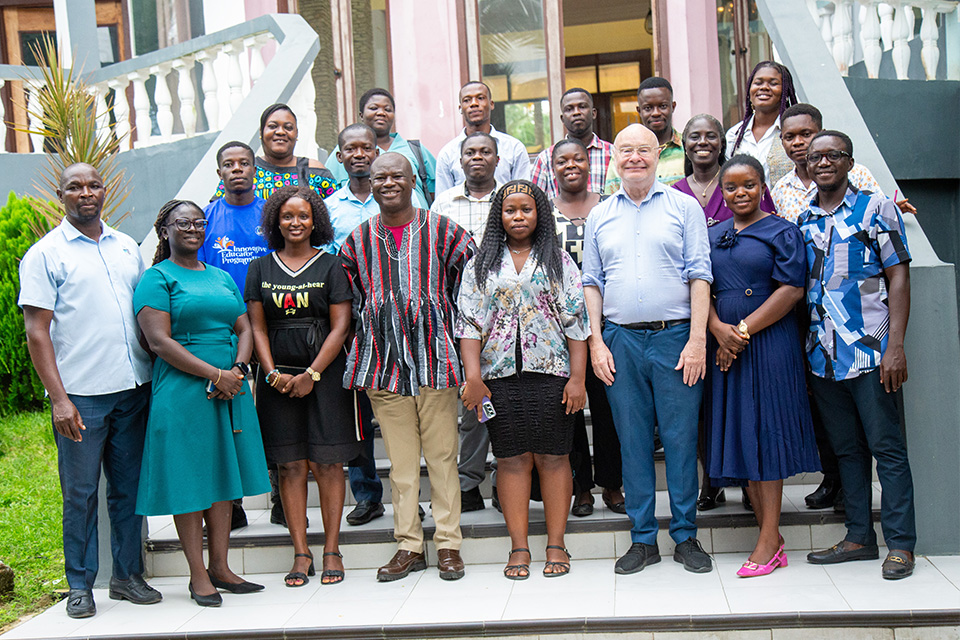
The University of Education, Winneba’s (UEW) Regional Teachers Initiative for Africa (RTIA) project has announced plans for a broader national rollout of its sustainability education model following the successful completion of a pilot programme in the Central Region.
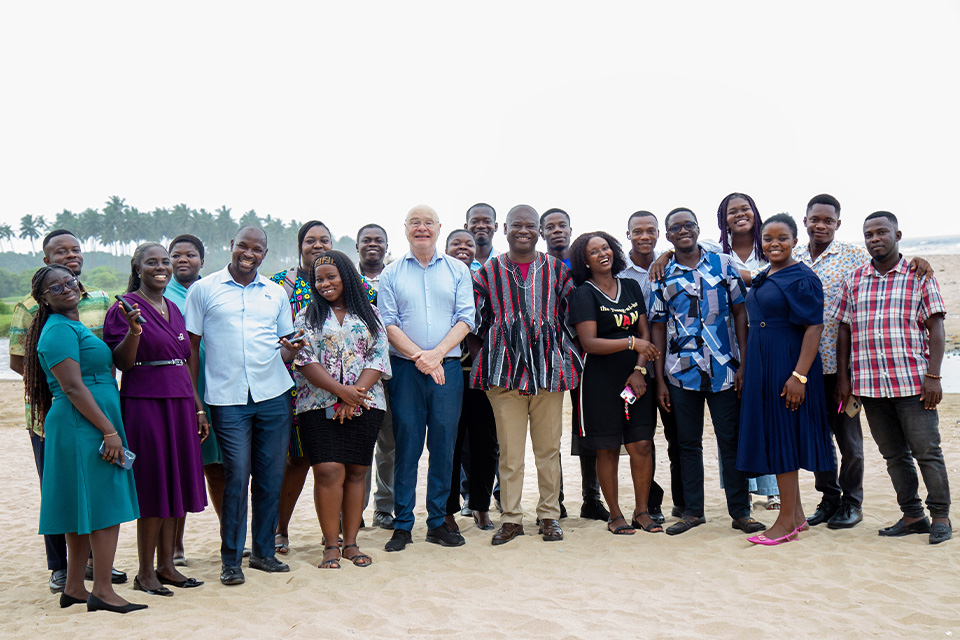
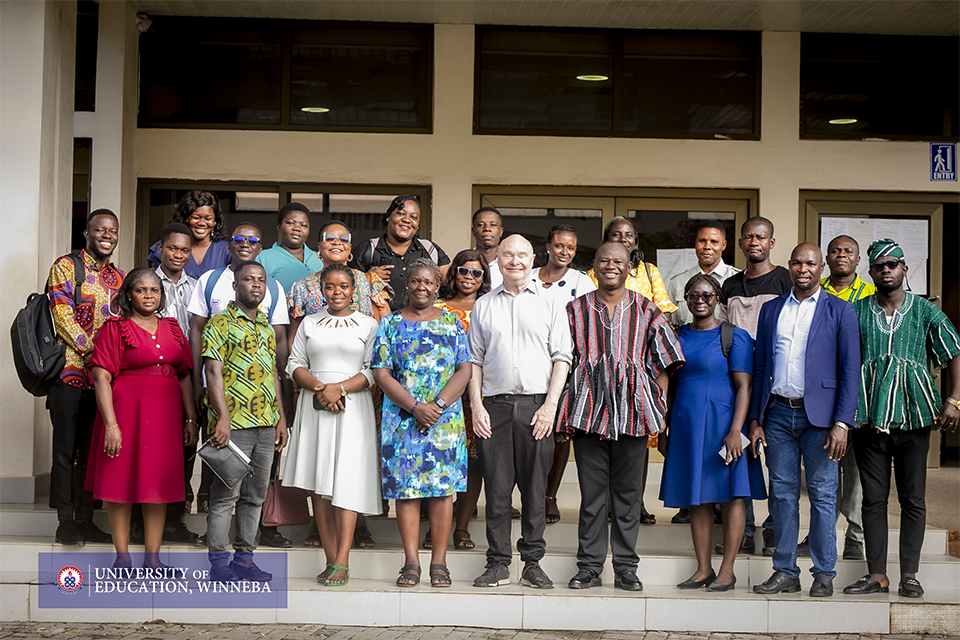
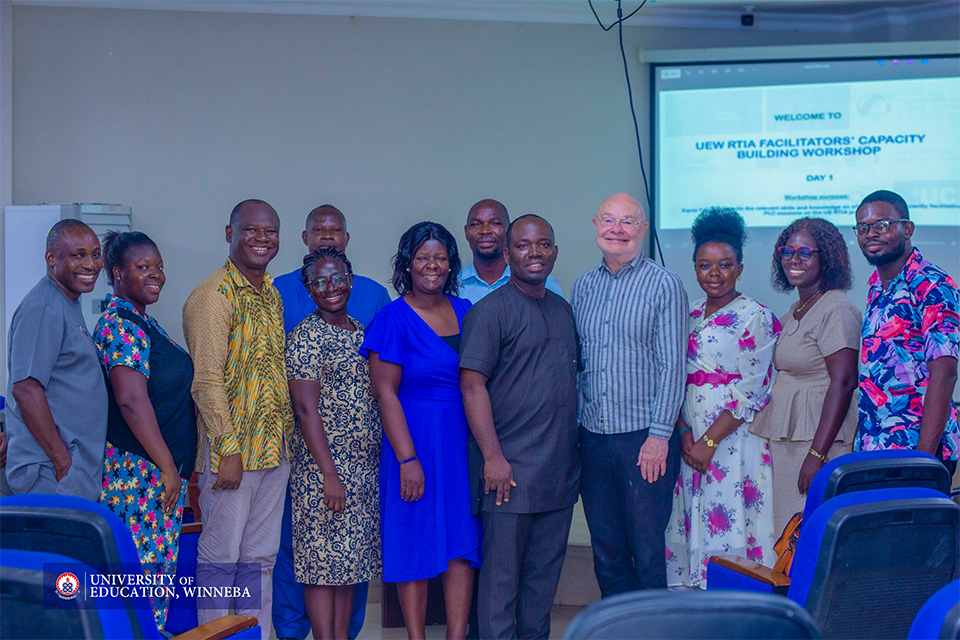
The project team, led by Prof. Ruby Hanson, made the announcement during its final workshop at the Gye Nyame Beach Resort, Winneba, on Wednesday, 22nd July 2026. The workshop brought together participating teachers to reflect on lessons learned and to chart the next phase of the initiative.
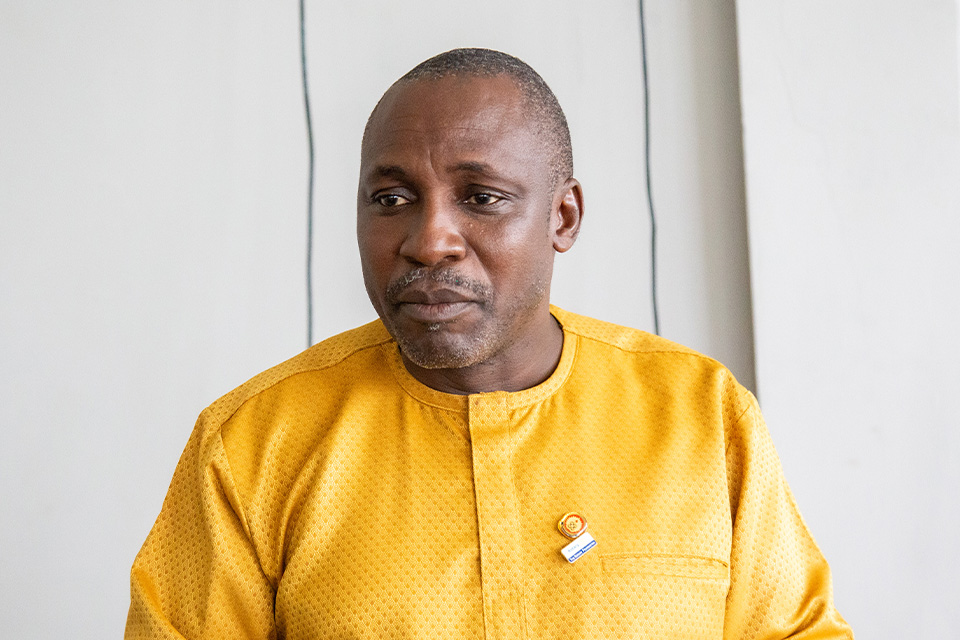
Dr. Bernard B. B. Bingab, the Project Manager, indicated that although the workshop marked the end of the pilot phase, the project itself was far from over. He stressed that lessons from the intervention would inform a larger-scale programme. He disclosed that a dissemination event planned for October is expected to engage key education stakeholders, including the Ministry of Education, the National Council for Curriculum and Assessment (NaCCA) and the Ghana Education Service (GES) to explore opportunities to scale up the initiative.
Dr. Bingab reiterated the project team’s commitment to evidence-based impact. He noted that feedback and data from the pilot were already attracting interest from NaCCA and other stakeholders seeking to examine the project’s teaching and learning resources. He further indicated that the project would continue engaging participating teachers as key partners in future expansion efforts.
Implemented through Professional Learning Communities (PLCs), the RTIA project sought to integrate sustainability into teaching and learning while empowering teachers and pupils to become agents of environmental change.
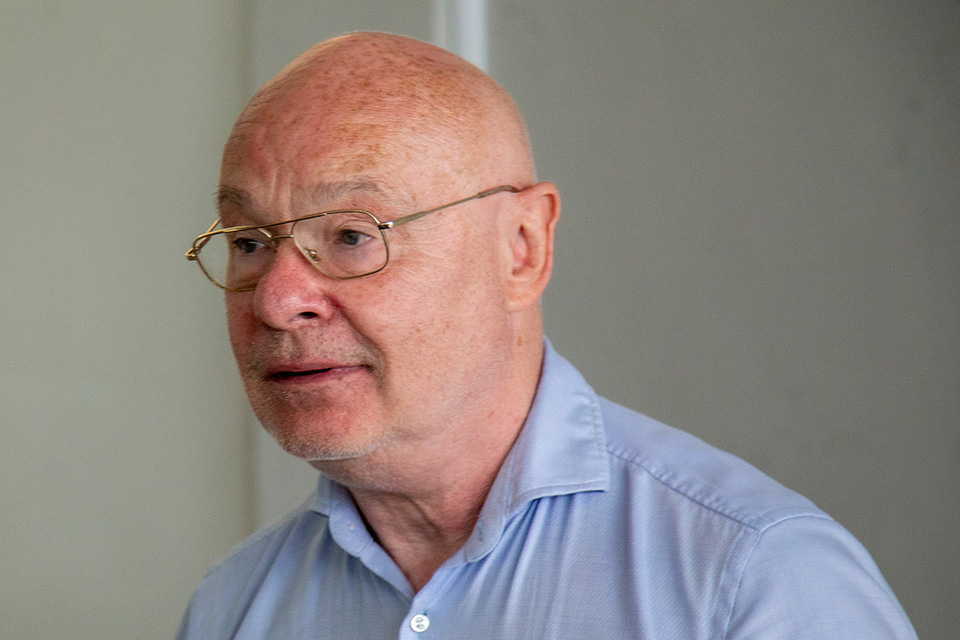
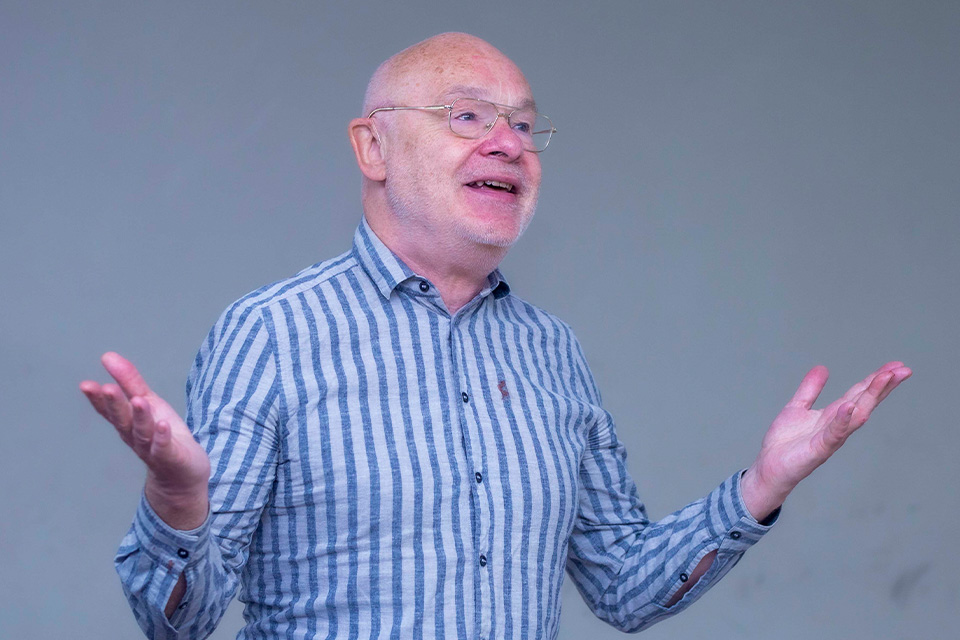
Speaking at the workshop, Dr. Sean Higgins, the project’s United Kingdom partner, commended participating teachers for their commitment and innovation. He noted that they had generated valuable knowledge on sustainability education and strengthened their professional identities through collaborative learning. He described the PLC approach as a powerful vehicle for promoting sustainability and nurturing teacher agency.
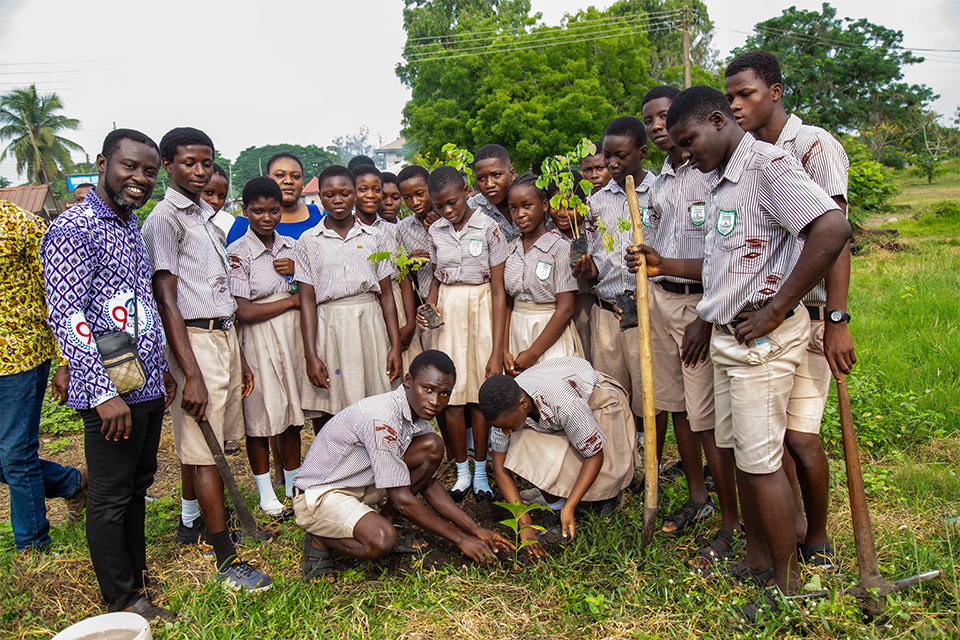
A major highlight of the project was the active involvement of schoolchildren in environmental action, particularly tree-planting activities undertaken in participating schools. Dr. Higgins praised the enthusiasm displayed by pupils and underscored the importance of nurturing children’s agency through practical activities, advocacy, creativity and environmental stewardship. He urged teachers to continue creating opportunities for learners to lead sustainability campaigns through poetry, drama, assemblies, clubs and community engagement initiatives.
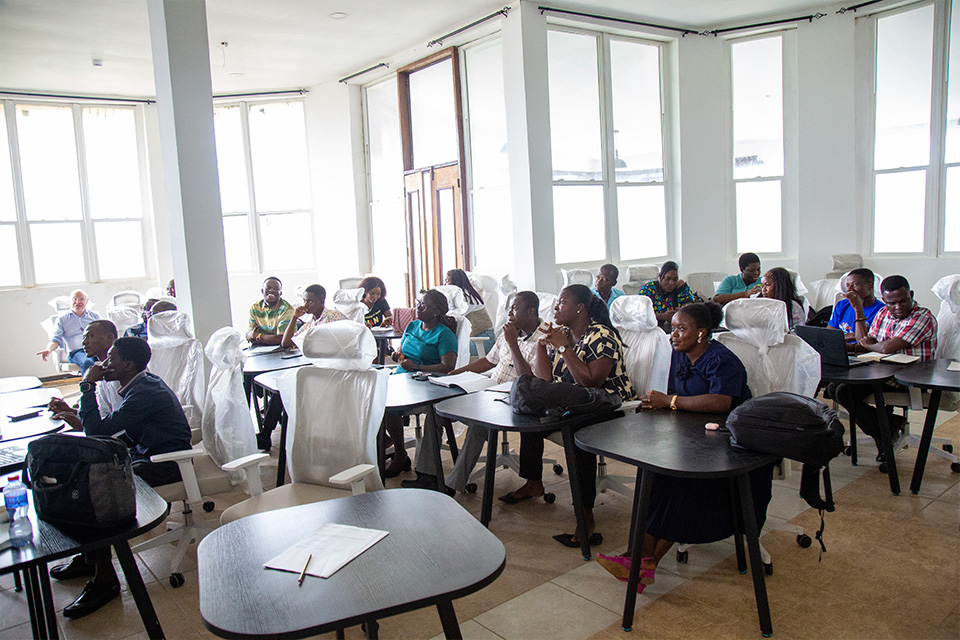
The workshop also highlighted the role of indigenous knowledge, music and creative arts in advancing sustainability education. Discussions explored how teachers can use culturally relevant resources to deepen learners’ understanding of environmental challenges while inspiring responsible action for future generations.
The RTIA-UEW project team comprises Prof. Ruby Hanson, Dr. Bernard B. B. Bingab, Dr. Bawa Mbage and Dr. Boniface Yaayin.