UEW and UCL Train Teachers in Indigenous Knowledge for Sustainability


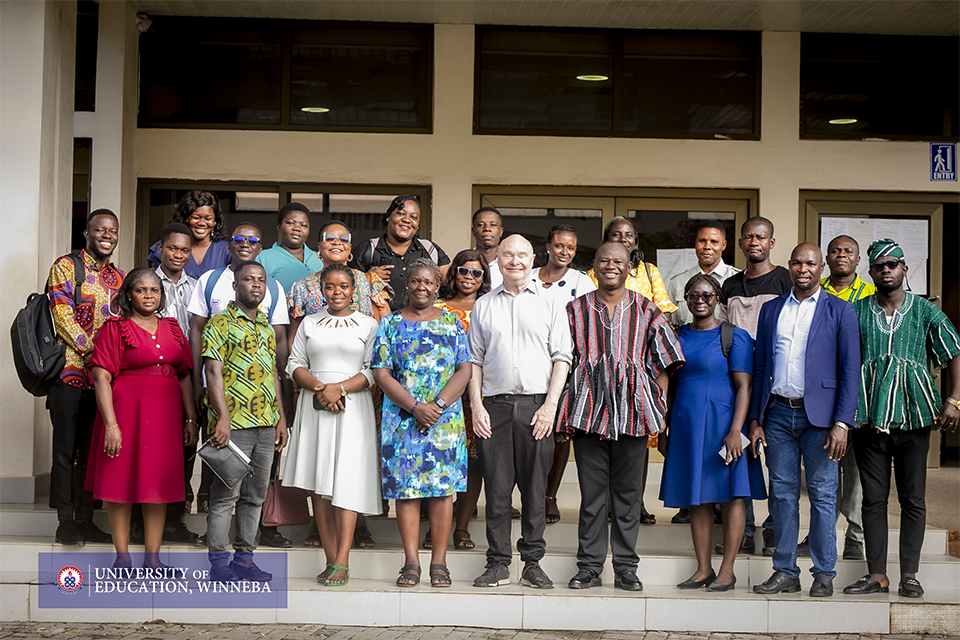
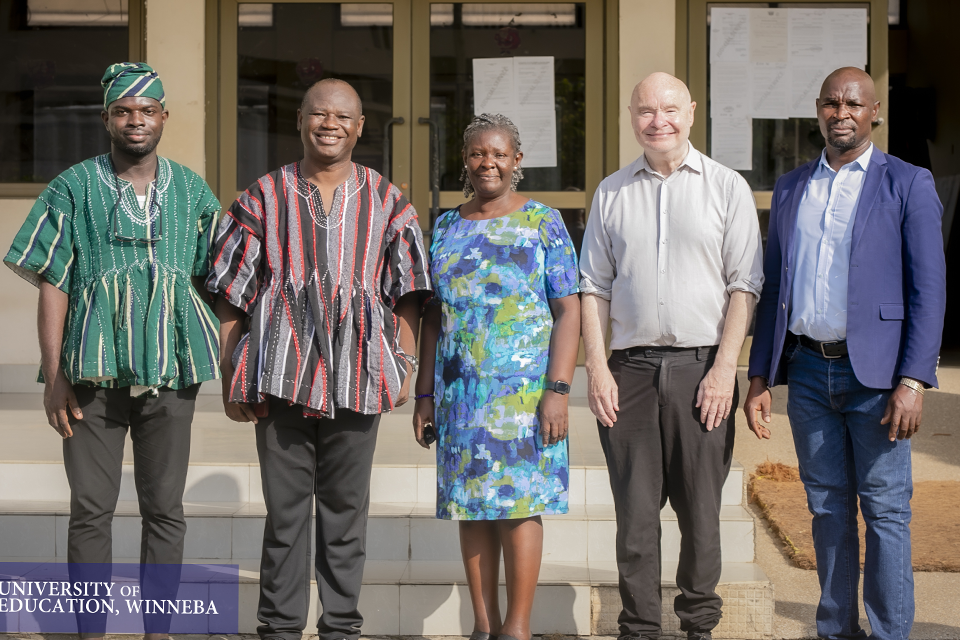
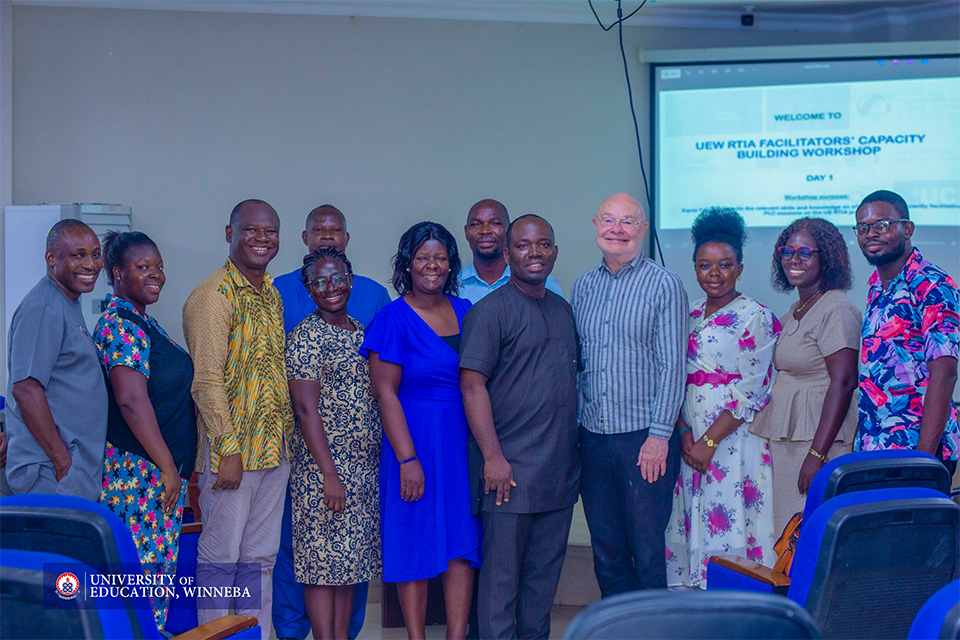
The University of Education, Winneba (UEW) through the Regional Teachers Initiative for Africa (RTIA) project and in partnership with University College, London (UCL) has trained Junior High School (JHS) teachers in the Effutu and Agona West Municipalities.
The training focused on equipping educators with innovative strategies for classroom instruction. Specifically, teachers were guided through methods of integrating indigenous knowledge into Science and Social Studies curricula. This initiative aims to promote sustainability education by connecting local knowledge systems with formal curriculum content.
The Professional Learning Communities (PLC) programme forms part of ongoing efforts to strengthen culturally relevant teaching, support the Sustainable Development Goals (SDGs) and nurture environmentally responsible citizens through classroom instruction that reflects learners' cultural realities.
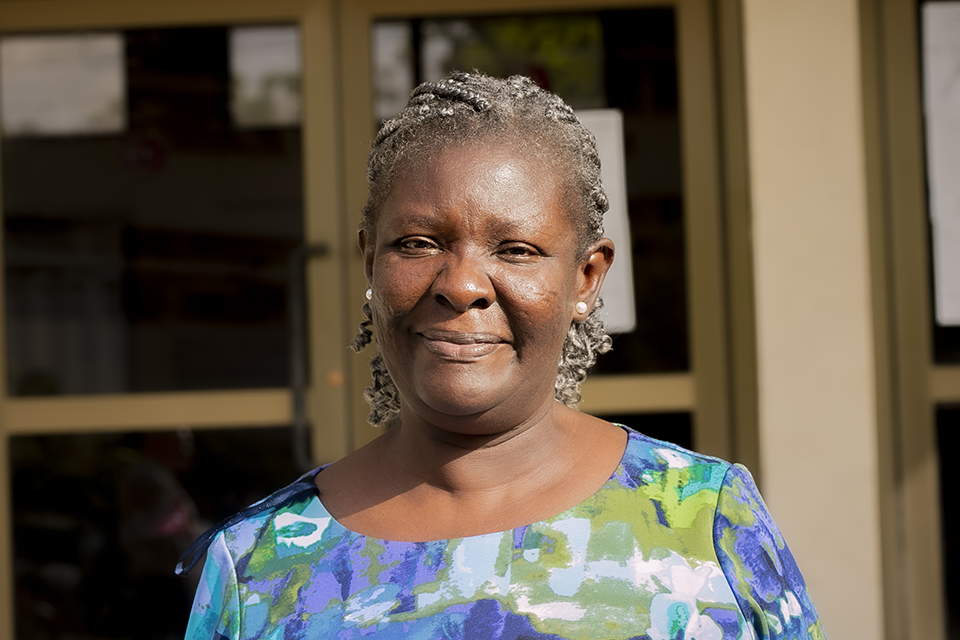
Addressing participants, Prof. Ruby Hanson, the Principal Investigator, said the initiative seeks to bridge the gap between classroom learning and the rich indigenous knowledge embedded in local communities. She explained that cultural resources such as proverbs, folktales, songs, taboos, totems and oral traditions provide valuable teaching tools for helping learners understand sustainability concepts in meaningful ways.
Prof. Ruby Hanson noted that the project uses cultural relevance as a foundation for learning, enabling teachers to transform indigenous wisdom into practical instructional resources while preserving local knowledge systems. She said the approach also strengthens the connection between the natural and social sciences to make learning more engaging, relatable and relevant to students' everyday experiences.
She described the approach as "humanising the sciences," explaining that integrating stories, proverbs and cultural narratives into lessons makes science less intimidating and encourages greater learner participation. According to her, grounding instruction in local contexts also empowers learners to examine environmental, social and ethical issues through perspectives that resonate with their own communities.
"Local heritage meets global knowledge in the classroom," she remarked, expressing confidence that the initiative would contribute to raising a generation of learners committed to environmental stewardship, responsible citizenship and sustainable development.
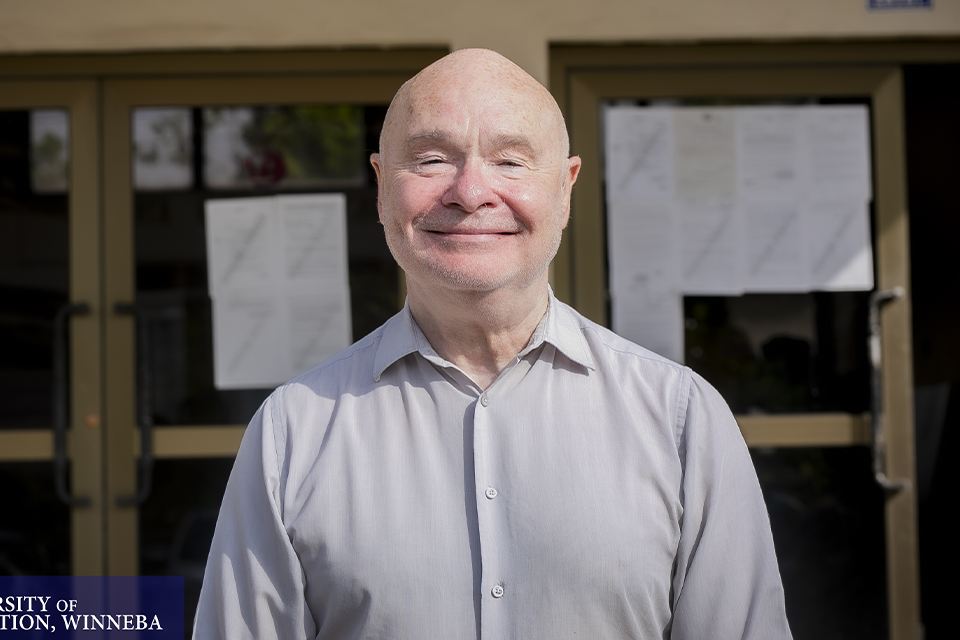
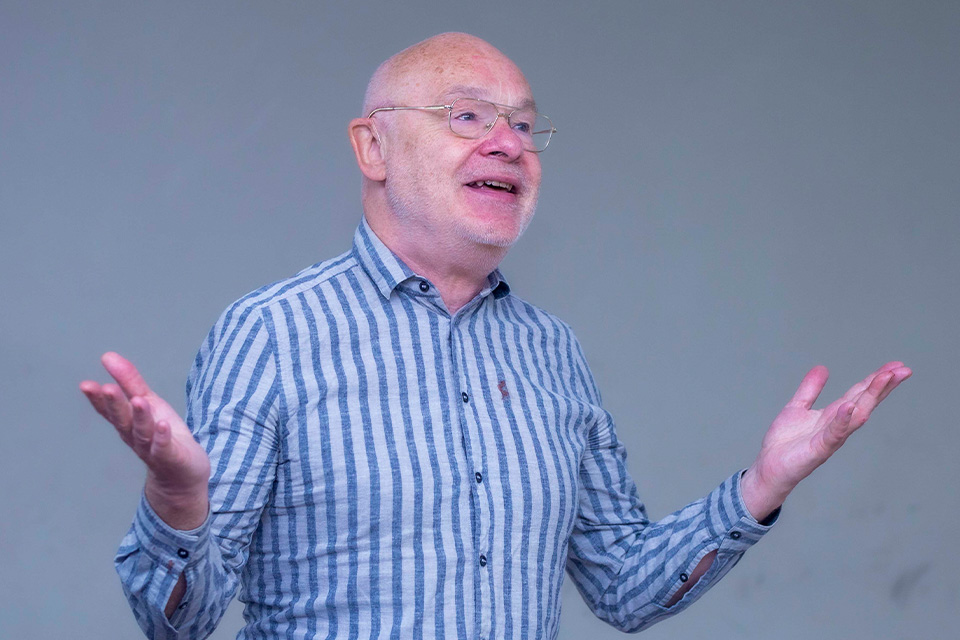
Dr. Sean Higgins, Co-Principal Investigator, emphasised that indigenous knowledge systems are indispensable to sustainability education and should be recognised alongside global knowledge. He said the PLC model provides teachers with an opportunity to reflect on classroom practice, exchange ideas and collaboratively develop culturally responsive teaching strategies.
Dr. Higgins observed that global sustainability discussions often overlook African knowledge systems and called for greater recognition of indigenous wisdom as a legitimate source of knowledge. He noted that indigenous values encourage communities to protect the environment as a shared heritage rather than merely a resource for exploitation.
He commended the participating teachers for their enthusiasm and creativity, describing the PLC sessions as inspiring and highlighting their use of local songs, proverbs and languages to enrich classroom teaching.
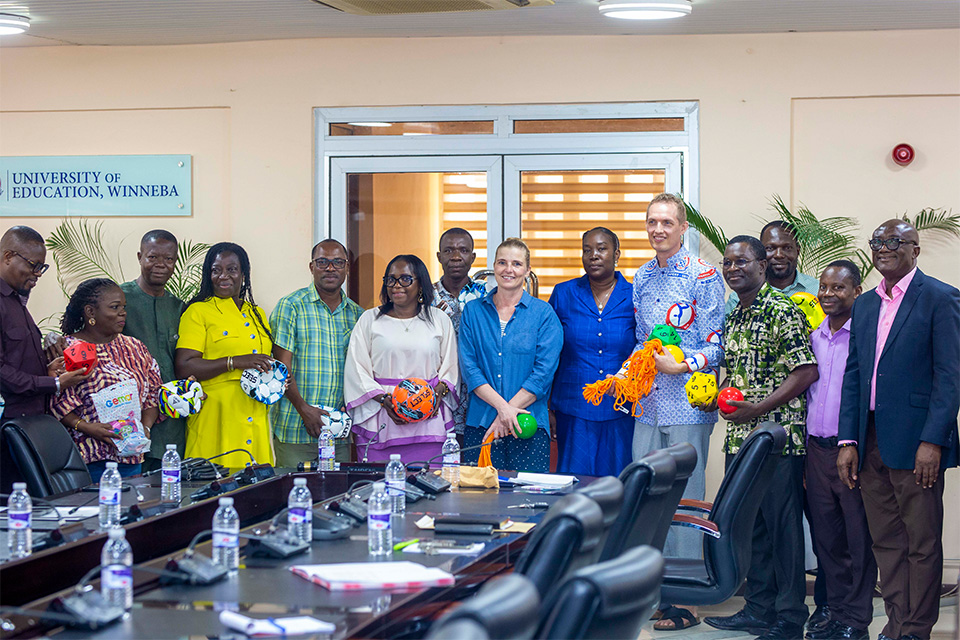
The UEW and UCL partnership continues to advance teacher professional development through collaborative research that promotes innovative, inclusive and contextually relevant approaches to sustainability education while empowering teachers to prepare learners to become responsible stewards of their communities and the environment.