DCE-UEW Hosts ACS Conference on Green Chemistry and Sustainable Innovation


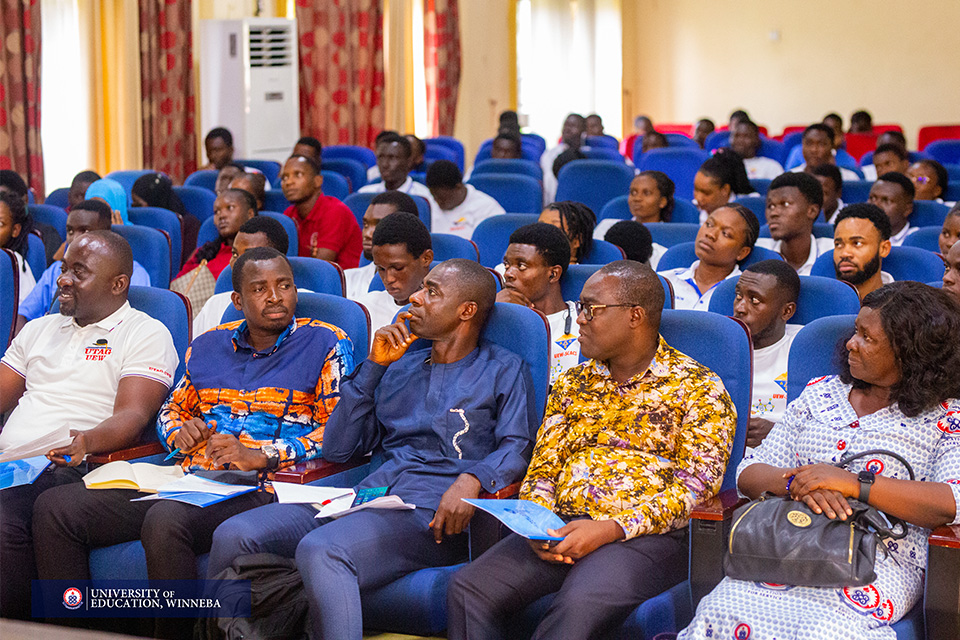
The Department of Chemistry Education (DCE) at the University of Education, Winneba (UEW) in collaboration with the American Chemical Society (ACS) has organised a one-day conference under the theme “Green Chemistry Without Borders: Sustainable Solutions Through Collaboration and Innovation.”
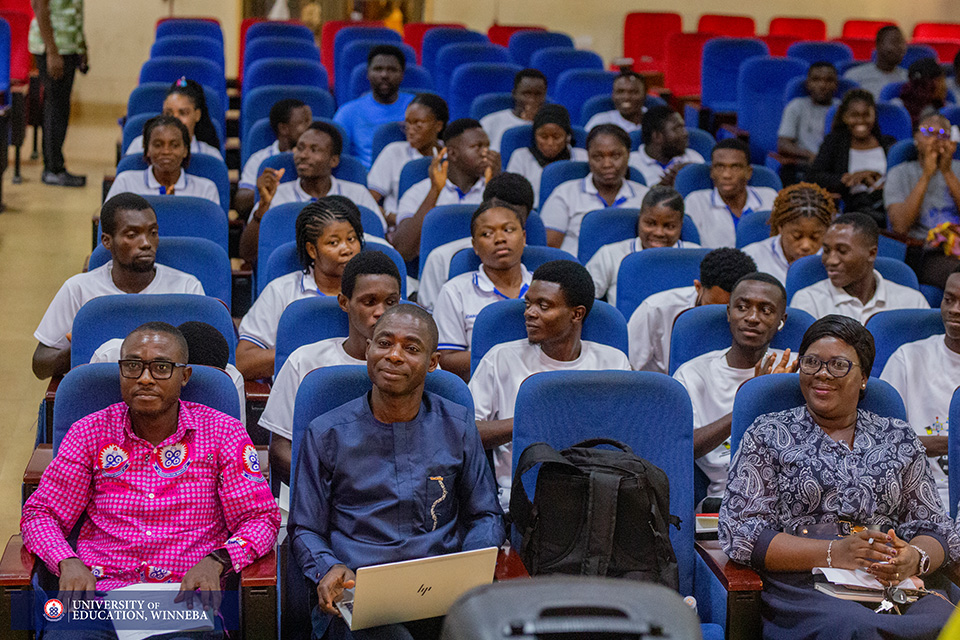
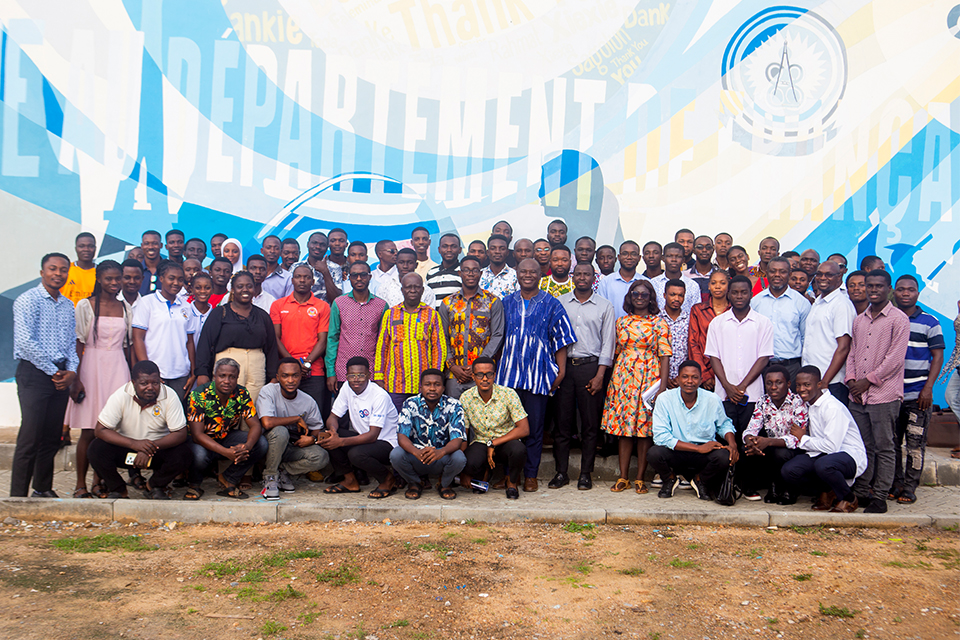
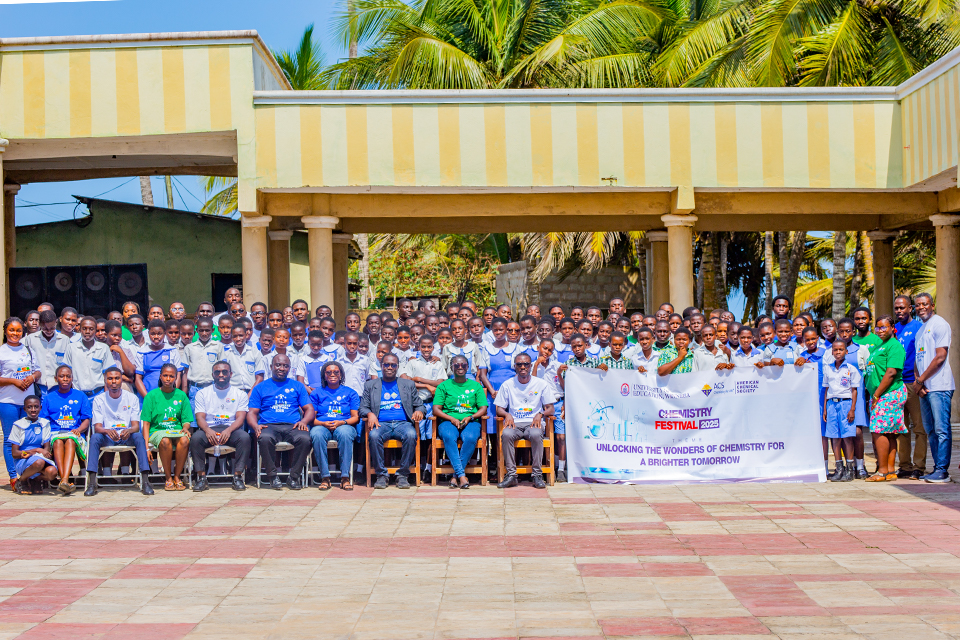
Hosted by the UEW Student Chapter of ACS, the conference took place on Friday, 13th February, 2026, at the North Campus Mini-Conference Room, with additional participation online. It drew students and faculty from UEW, the University of Energy and Natural Resources (UENR) and the University of Cape Coast (UCC), fostering vibrant cross-institutional engagement.
Designed to merge sustainability discourse with professional development, the conference featured plenary sessions on environmental responsibility, mentorship, scholarship opportunities, innovation pitching, career guidance and awards.
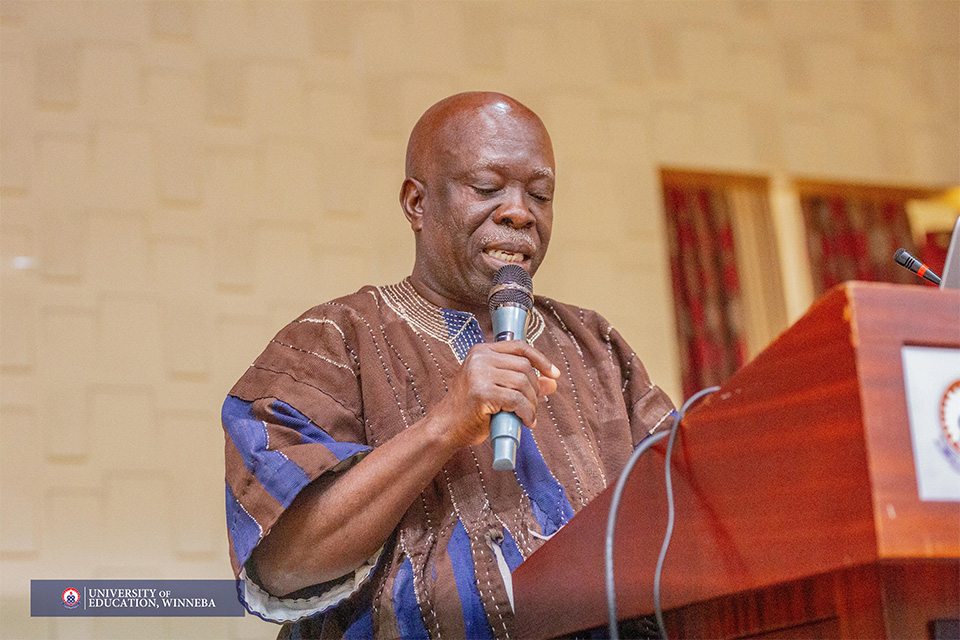
Delivering the welcome address and formally opening the conference, Prof. Victus Samlafo, Head of DCE-UEW, described the theme as both timely and urgent. He observed that Ghana faces serious environmental threats including illegal mining, deforestation, excessive chemical usage, rising carbon emissions and poor waste management practices. Many of these challenges, he argued, are self-inflicted and rooted in human attitudes.
He stressed that collaboration and innovation alone cannot deliver sustainability without a fundamental change in mindset. Reiterating the importance of the 3Rs—Reduce, Reuse and Recycle—he urged participants to move beyond passive listening, transform presentations into discussions and leave the conference as committed advocates for environmental responsibility.
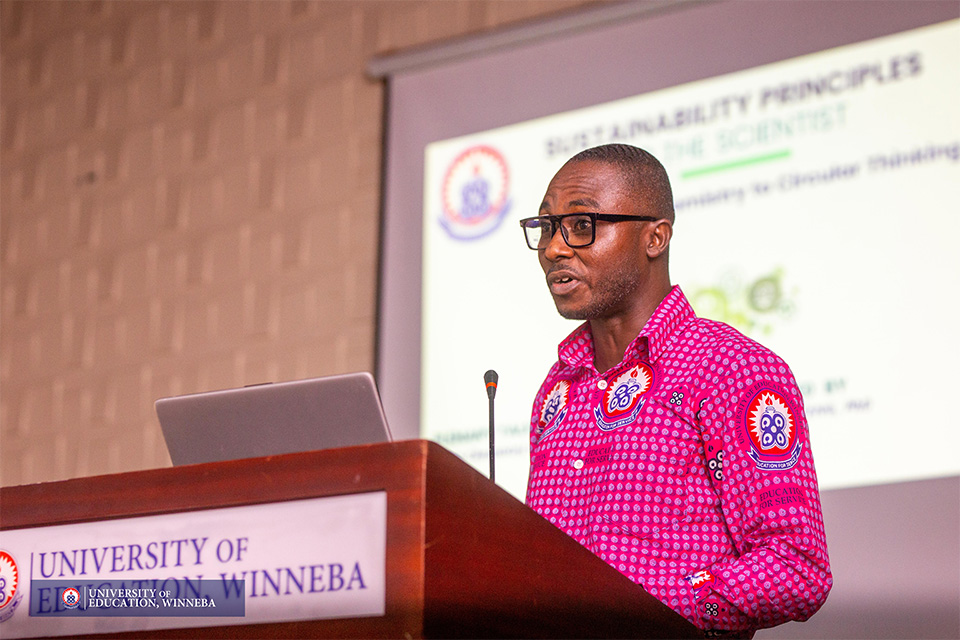
Dr. Ernest Koranteng, the Faculty Adviser of the UEW Student Chapter of ACS, highlighted the necessity of deliberate planning, collaboration and strategic leadership in driving meaningful transformation at both the institutional and national levels.
Sustainable progress, he emphasised, does not occur accidentally but through structured alignment between vision and action. He encouraged participants to strengthen their problem-solving abilities, practise responsible technology use and cultivate forward-looking mindsets. Accountability, teamwork and integrity, he noted, are indispensable pillars for achieving sustainable impact in both academia and industry.
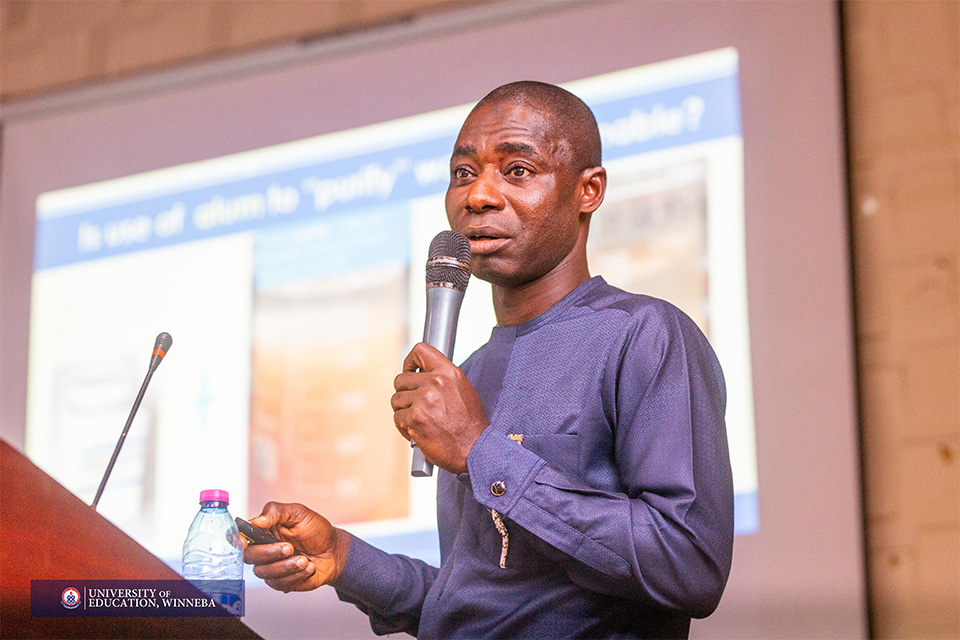
Dr. Ismaila Emahi, a Senior Lecturer at the Department of Chemical Science, UENR, focused on inclusive participation and evidence-based decision-making. Effective policies and programmes, he stated, must be guided by reliable data, measurable outcomes and continuous evaluation. He called for proactive, solution-oriented engagement anchored in professionalism, discipline and ethical conduct. Sustainable development, he maintained, thrives on collaboration built on shared ownership and responsibility.
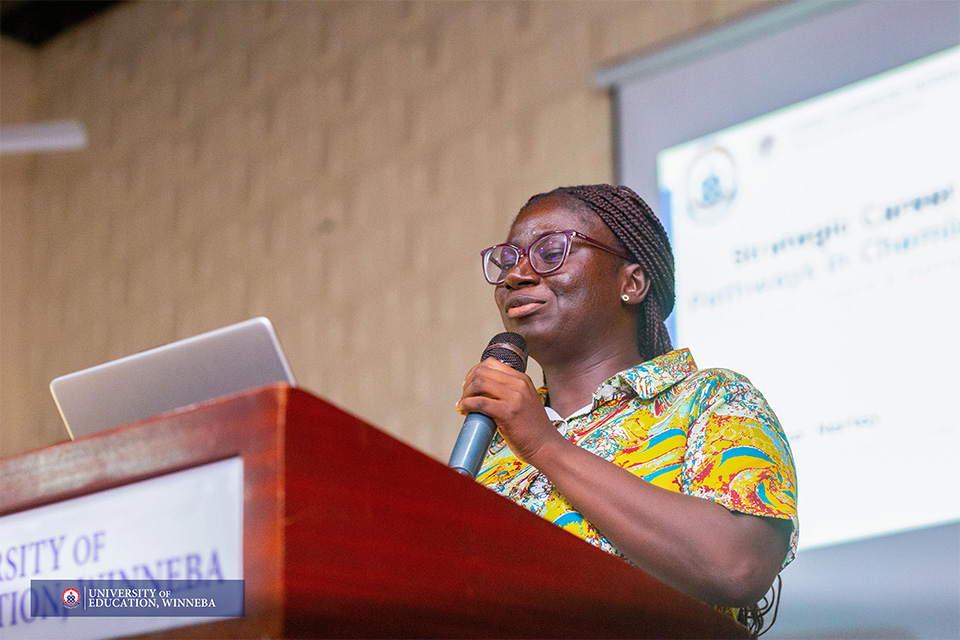
Addressing career pathways, Dr. Esther Nartey, a Chemistry Educator and an Academic Counselor at UEW, challenged students to rethink the practice of chemistry in the 21st century. She outlined global impact areas shaping modern chemistry including environmental protection, clean water and sanitation, sustainable industries, pharmaceuticals, climate mitigation and green energy.
The future of the discipline, she explained, lies in designing less hazardous processes, preventing waste, improving energy efficiency and using renewable resources. “Beyond academic grades, employers increasingly value practical competence, analytical thinking, communication skills and technological literacy including the responsible use of artificial intelligence,” she said.
She urged students to begin building their curriculum vitae early, document their skills intentionally and cultivate strategic professional networks, cautioning against leaving career development to chance.
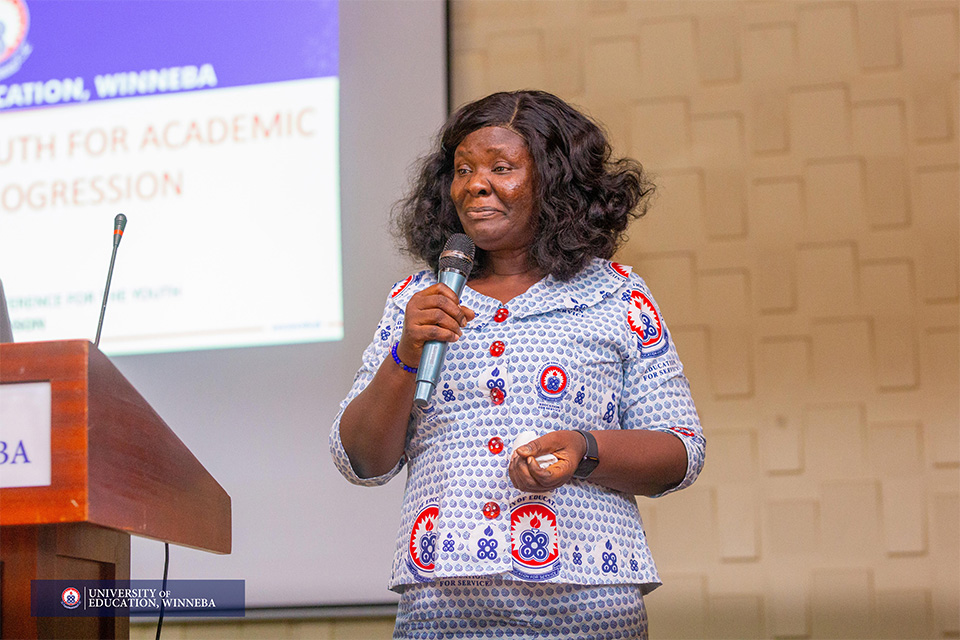
Prof. Ruby Hanson, Professor of Chemistry at UEW, delivered an engaging session on mentorship, defining it as structured guidance that refines talent into excellence. She used relatable analogies to describe mentorship as a deliberate process that involves training, support and development between a mentor and a mentee.
She emphasised that effective mentorship is grounded in respect, commitment and mutual responsibility: while mentors provide direction and opportunities, mentees must demonstrate humility and willingness to learn. Intentional mentoring relationships, she noted, can reshape careers and generate lasting impact.
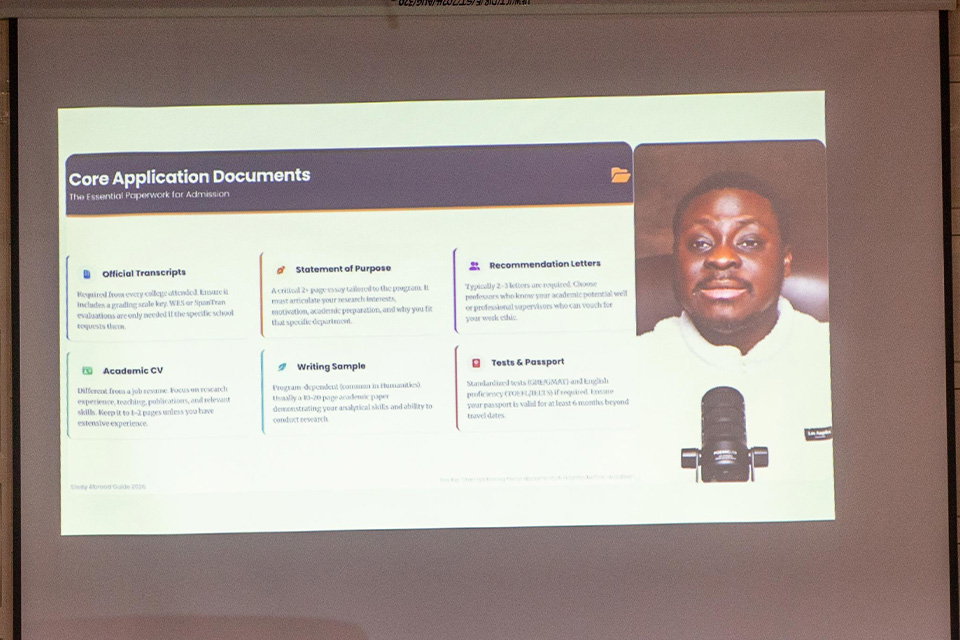
Providing practical guidance on graduate studies abroad, Mr. Alfred Appiah outlined the application process for Master’s and PhD programmes, particularly in the United States. He explained that successful applications require long-term planning—often between 15 and 24 months—and extend beyond securing admission.
He highlighted the importance of maintaining a strong GPA, obtaining credible recommendation letters and crafting authentic, compelling Statements of Purpose. Warning against plagiarism and overreliance on agents, he advised students to research institutions thoroughly, apply broadly and pursue fully funded opportunities aligned with their academic and professional goals.

In his closing remarks, Prof. Arkoful Sam, Dean of FSE-UEW, commended the organisers and participants for a highly educative and inspiring event. Reflecting on his own academic journey, he emphasised the transformative role of mentorship and encouraged students to plan their futures with clarity and conviction. He expressed confidence that the knowledge shared—from sustainability principles to scholarship guidance—would equip participants to shape their academic and professional trajectories strategically.
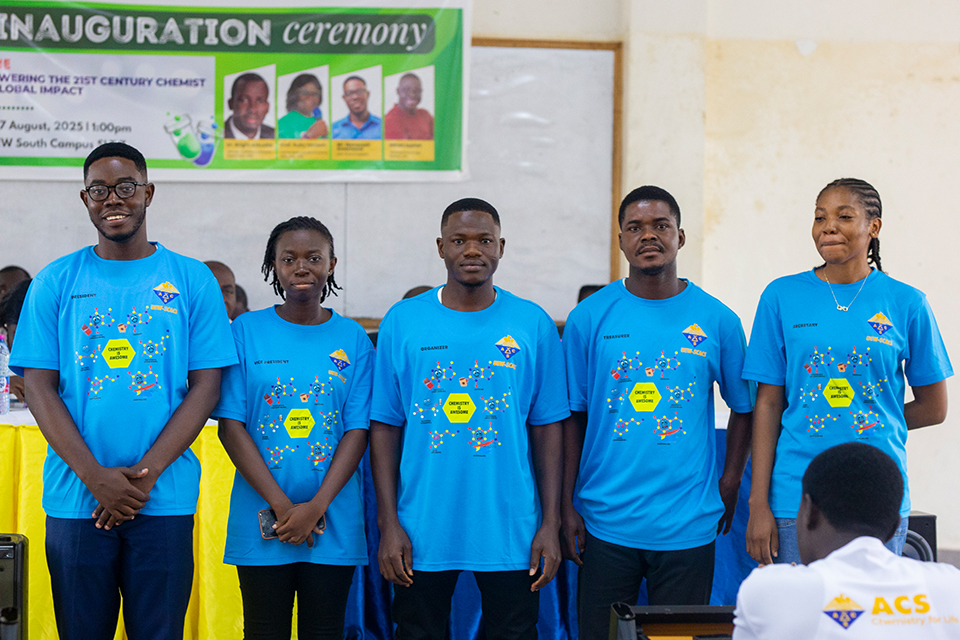
The conference also featured awards and recognition to celebrate innovation and active participation among the student chapters.
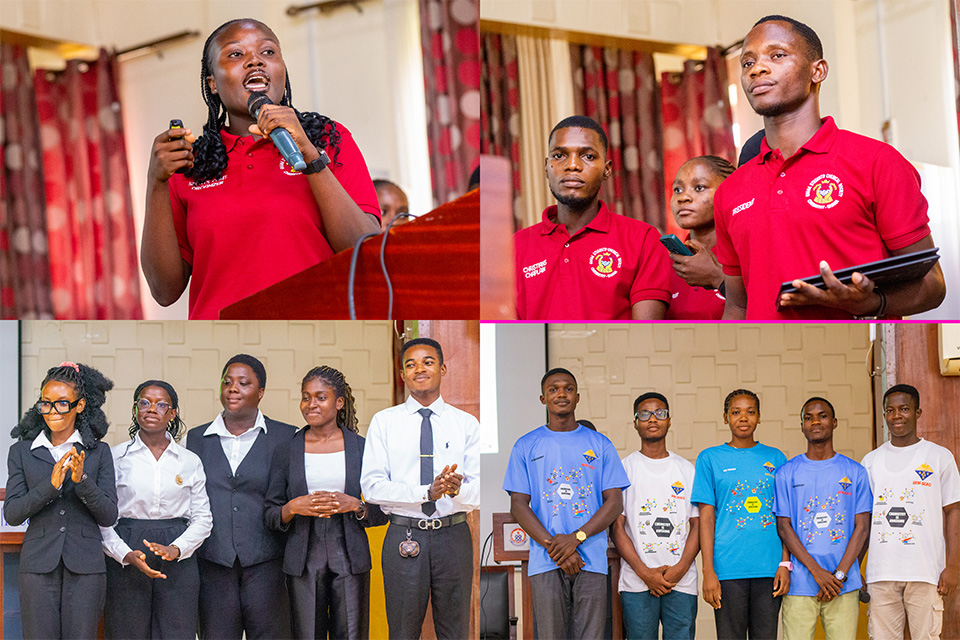
By bringing together institutions virtually and in person, the event truly championed "Green Chemistry Without Borders" and blended sustainability dialogue with global mentorship and innovation. The Department of Chemistry Education and its partners used these collaborative discussions to strengthen their commitment to developing sustainable solutions and preparing future chemists to meet urgent environmental demands.