UEW Hosts GGA Conference on Geography-Based Solutions to Africa’s Development Challenges


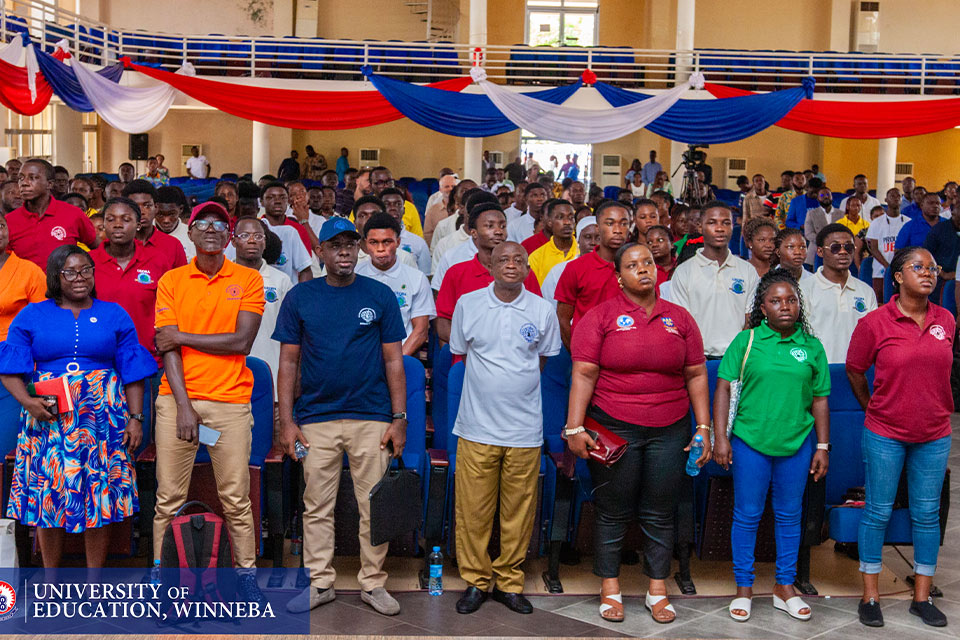
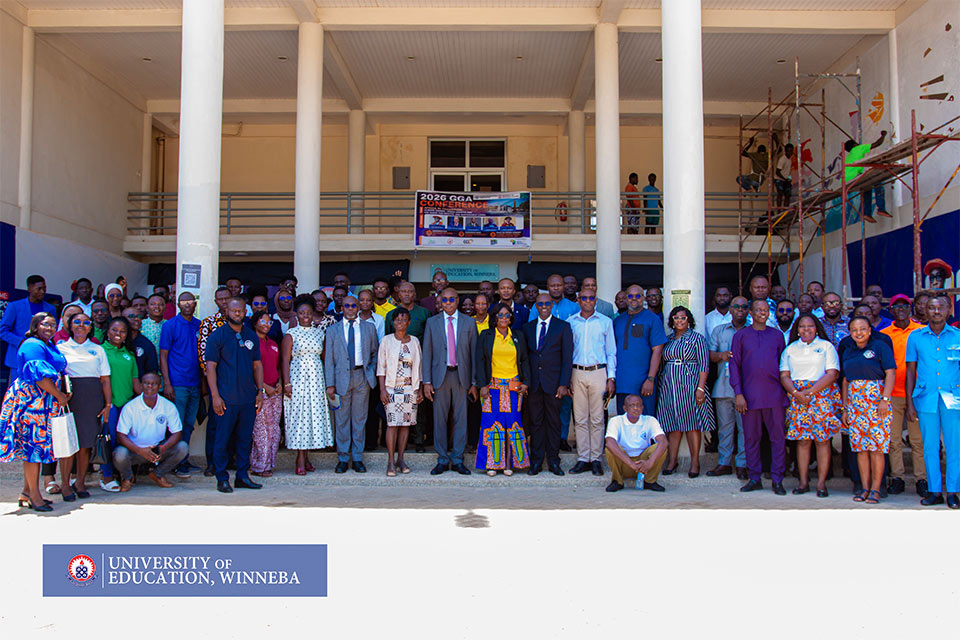
The University of Education, Winneba (UEW) has hosted the 2026 Annual Conference of the Ghana Geographers Association (GGA).
The conference brought together academics, researchers, educators and policymakers to explore geography-based solutions to Africa’s climate change, urbanisation and environmental challenges.
The Jophus Anamuah-Mensah Conference Centre hosted the conference from Tuesday, 22nd to Friday, 25th September 2026. It anchored its discussions on the theme, “Africa in Transition: Climate Change, Urban Growth and the Quest for Healthy and Sustainable Living.”
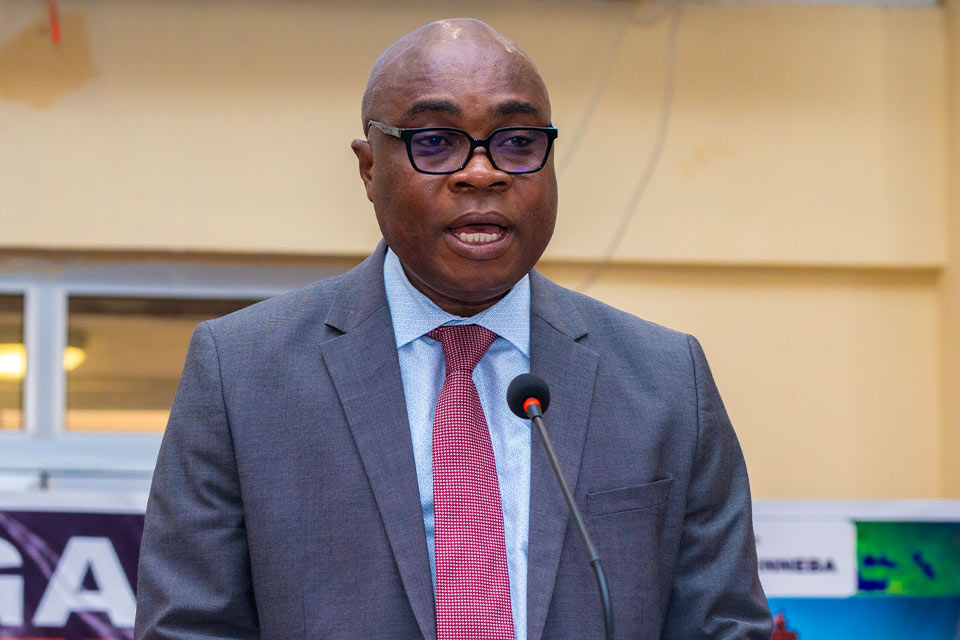
Chairing the opening ceremony, Prof. Stephen Jobson Mitchual, the Vice-Chancellor of UEW, underscored the importance of geographical research in addressing interconnected development challenges including climate change, urbanisation, environmental degradation, migration, food security and regional inequalities.
He emphasised that Ghana’s rapid urban growth, rising pressure on infrastructure and the devastating impact of unsustainable mining demanded evidence-based research to guide urban planning and public policy. Consequently, he challenged universities and professional associations to translate their research into practical community solutions rather than confining it to academic circles.
Prof. Mitchual also encouraged postgraduate and early-career researchers to use academic conferences to strengthen their research, build professional networks and develop their scholarly capabilities.
Prof. Mitchual urged participants to channel the conference’s research outcomes to policymakers to support the development and improvement of policies addressing climate change, urban growth and environmental degradation. He stressed that tackling these challenges required collective commitment and practical action informed by research.
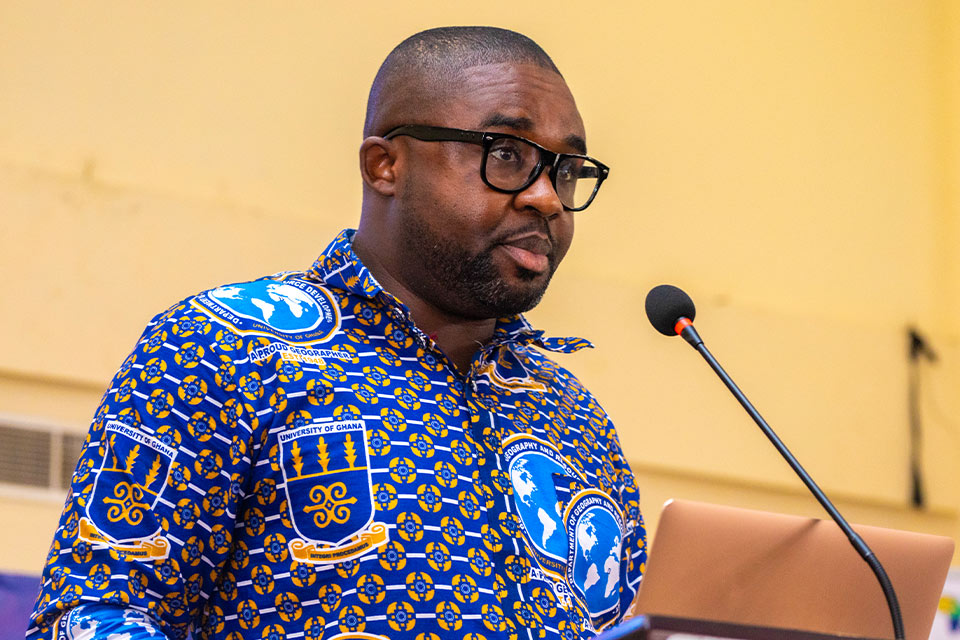
Prof. Ebenezer Amakwa, Secretary of the GGA, reaffirmed the relevance of geography to national and continental development, highlighting the growing importance of Geographic Information Systems (GIS) in contemporary geography education and practice.
He explained that the Association had incorporated practical GIS training into its annual conferences to equip teachers with the technological and pedagogical skills needed to implement Ghana’s revised geography curriculum.
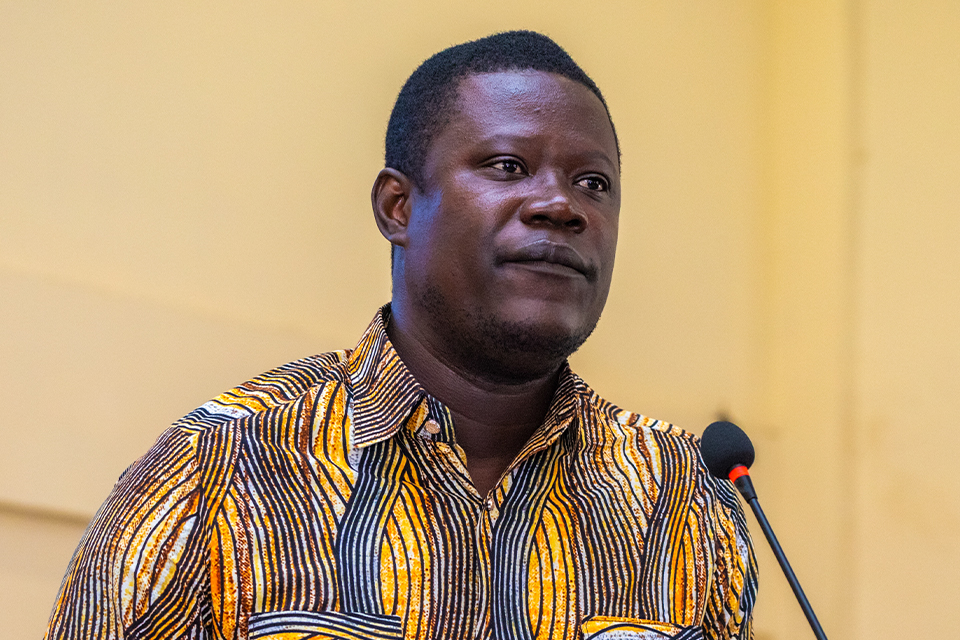
Addressing urbanisation challenges, Dr. Prince Kwame Odame of UEW’s Department of Geography Education examined the implications of rapid urban growth for transportation, housing, livelihoods, infrastructure and the environment. He identified informal settlements, traffic congestion, pressure on public services and social segregation as key challenges confronting expanding African cities.
He advocated sustainable urban planning approaches that prioritise efficient public transportation, walking and cycling, responsible land use and environmental protection.
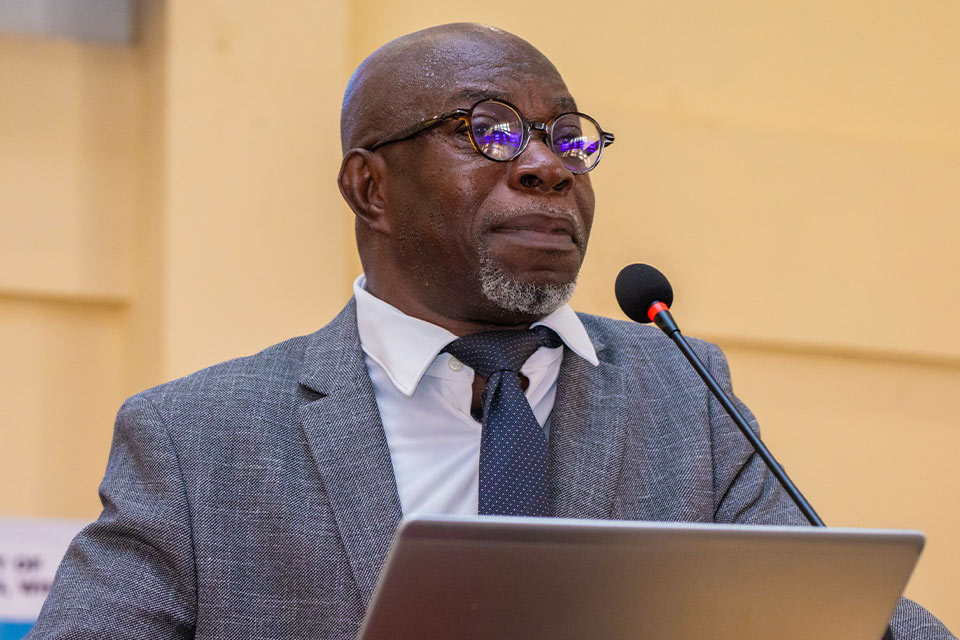
Prof. Samuel Agyei Mensah, Professor of Geography at the University of Ghana, highlighted the effects of environmental conditions on human health, identifying air pollution, extreme heat, flooding, poor waste management and unsafe water systems as major concerns.
He called for stronger environmental management, improved transportation systems, efficient waste disposal and cleaner cooking technologies to promote healthier living conditions.
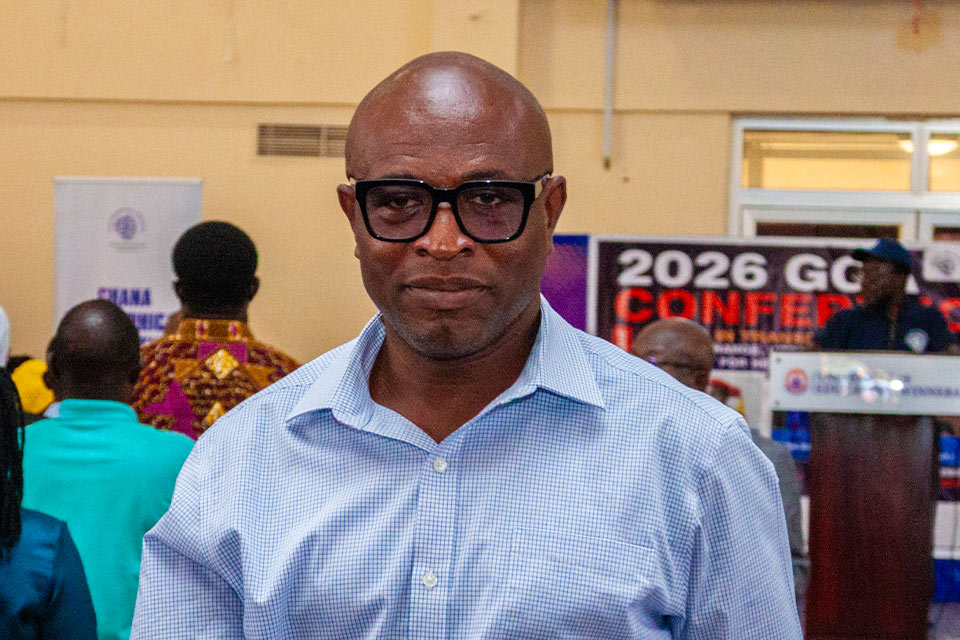
Prof. Anselm Komla Abotsi, the Dean of the Faculty of Social Sciences Education at UEW, encouraged delegates to engage meaningfully, exchange ideas and establish lasting partnerships to advance geographical knowledge and practice.
The conference reinforced the role of geography and geospatial research in informing development policies and promoting healthier, more inclusive and sustainable communities across Africa.