SACOST-UEW Trains 105 Effutu Teachers in Robotics and Coding Integration


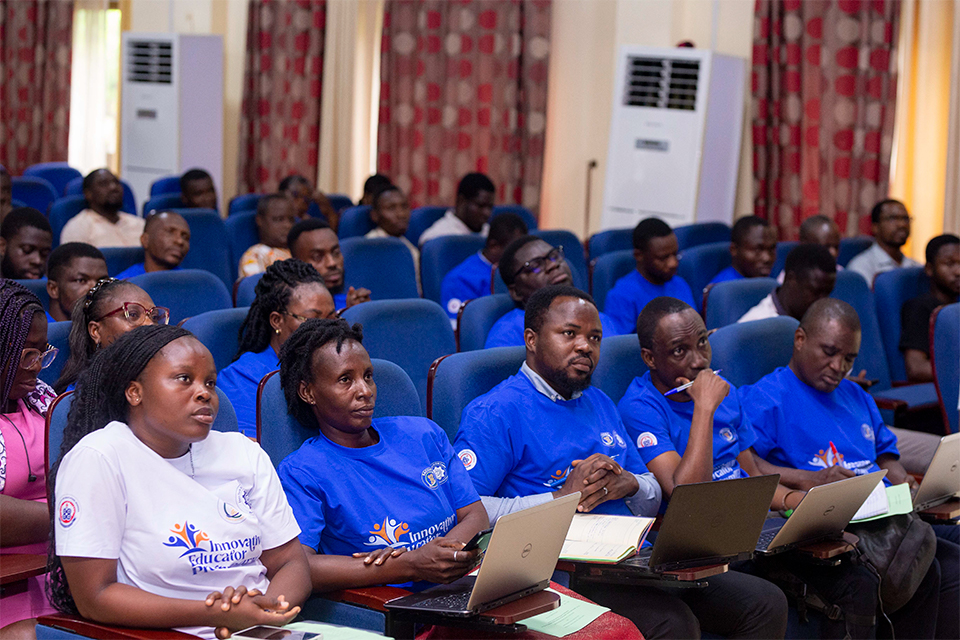
The Centre for School and Community Science and Technology Studies (SACOST) of the University of Education, Winneba (UEW) in collaboration with the InovTech STEM Center on Tuesday, 30th September, 2025, held a professional development workshop for teachers in the Effutu Municipality to build capacity in robotics and coding integration for classroom teaching.
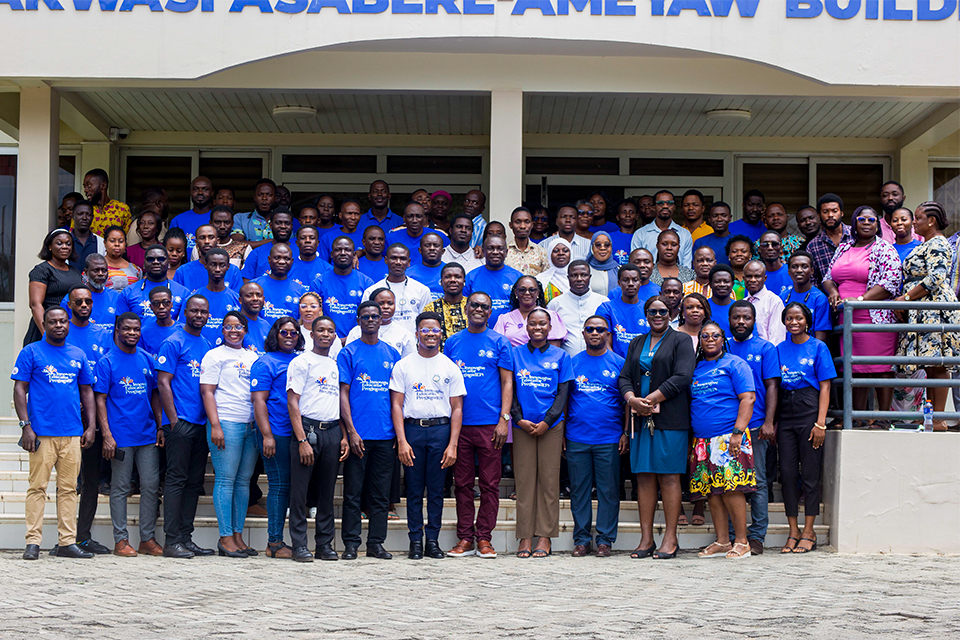
The workshop, held at the North Campus Mini-Conference Room under the theme “Introducing Teachers to KodeVR as a Tool for Coding, Simulation and Robotics Integration in STEM and Non-STEM Lessons,” brought together 105 teachers, comprising 15 from private schools and 90 from public basic schools, each representing Mathematics, Science and ICT. The initiative forms part of SACOST’s mission to empower teachers with 21st-century digital skills and to bridge the gap between classroom theory and real-world technological application.
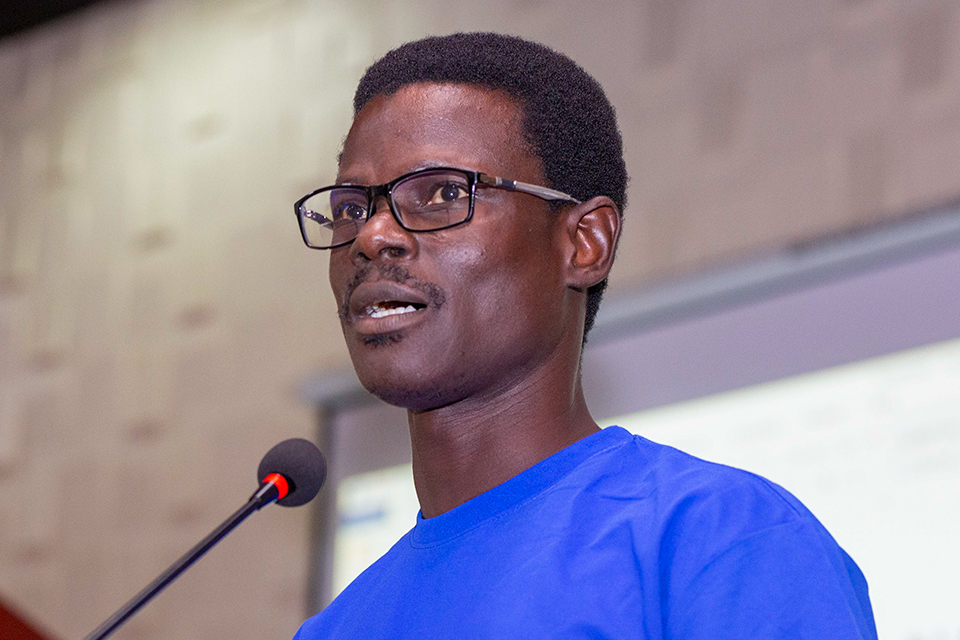
Welcoming participants, Prof. Peter Akayuure, Head of SACOST, described the workshop as a bold step in equipping teachers for future-ready classrooms. He explained that the training was designed to achieve three purposes: building the capacity of Mathematics, Science and ICT teachers in coding and robotics using KodeVR; promoting digital pedagogy to boost creativity and problem-solving among pupils and sustaining the learning process through a mentorship programme that includes school-based follow-ups.
He added that the initiative was part of UEW’s broader mandate of community engagement where the University extends its expertise beyond campus to positively impact local schools.
Prof. Akayuure expressed appreciation to InovTech and the participating teachers, pledging that SACOST would sustain the momentum by organising similar capacity-building initiatives. “This is just the beginning; we are committed to ensuring that teachers in Effutu and beyond are equipped to lead their classrooms into the digital age,” he said.
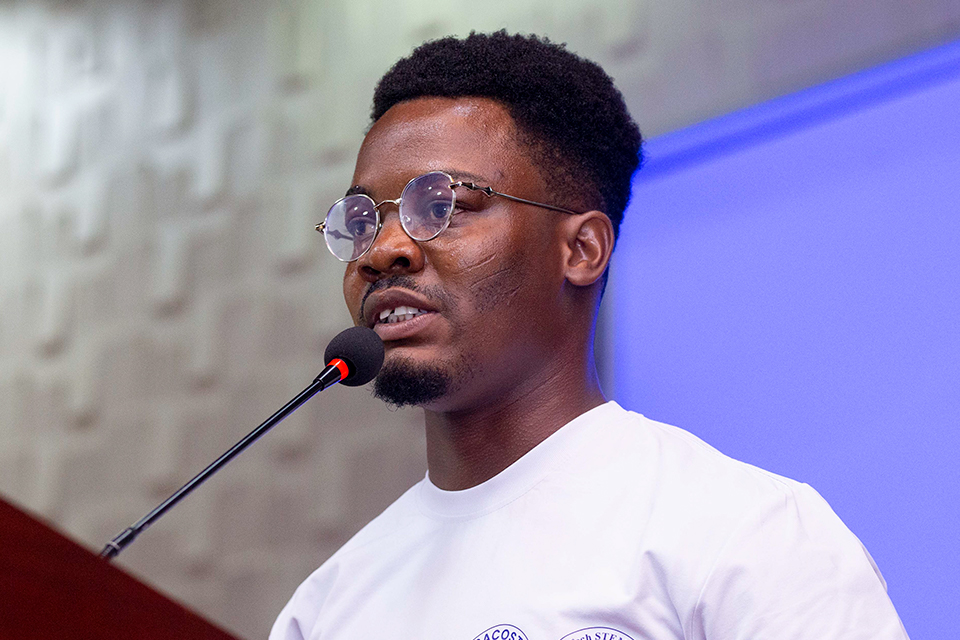
Partnering organisation InovTech STEM Center brought technological innovation to the session. Its founder and CEO, Mr. Jonathan Kennedy Sowah, explained that the Center uses robotics education as an entry point to teach STEM in an engaging and relatable way. “We use robotics because it incorporates all aspects of STEM. When students calculate the area of a circle, they can immediately see how it applies in programming a robot to move from point A to point B. This makes learning meaningful,” he noted.
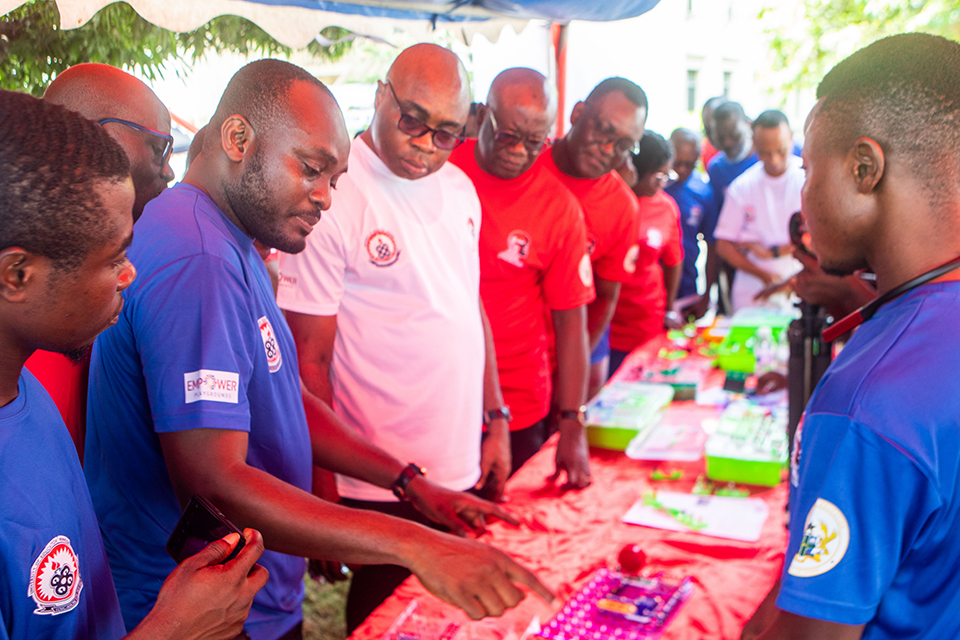
Mr. Sowah highlighted InovTech’s breakthrough creation, KodeVR — the first mobile-first virtual robotics platform of its kind, built in Africa to make STEM education affordable and accessible even without expensive hardware.
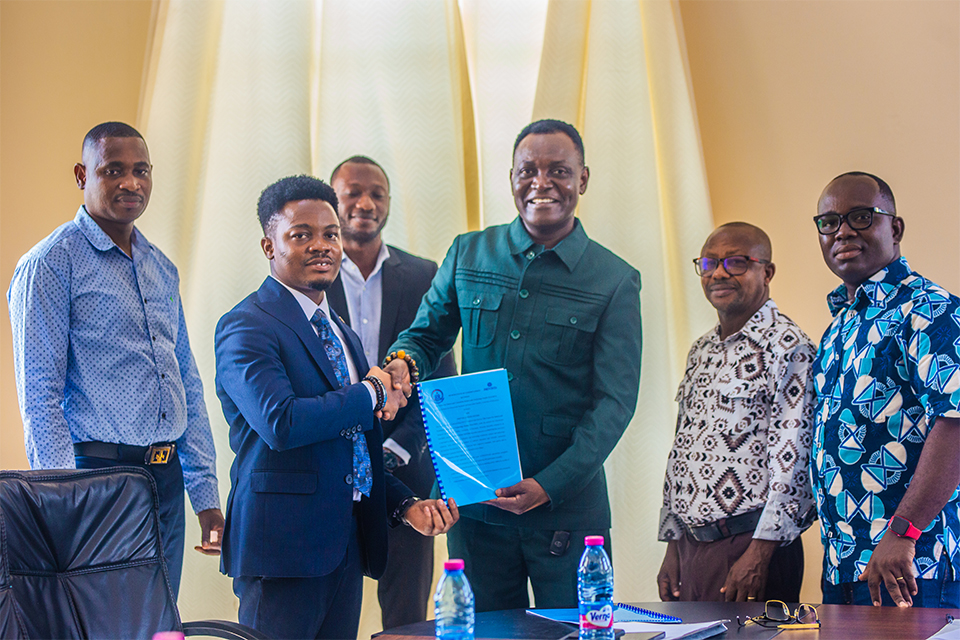
Teachers at the workshop were given access to the platform with InovTech pledging to support outstanding schools with robotics kits and extended access to its digital resources.
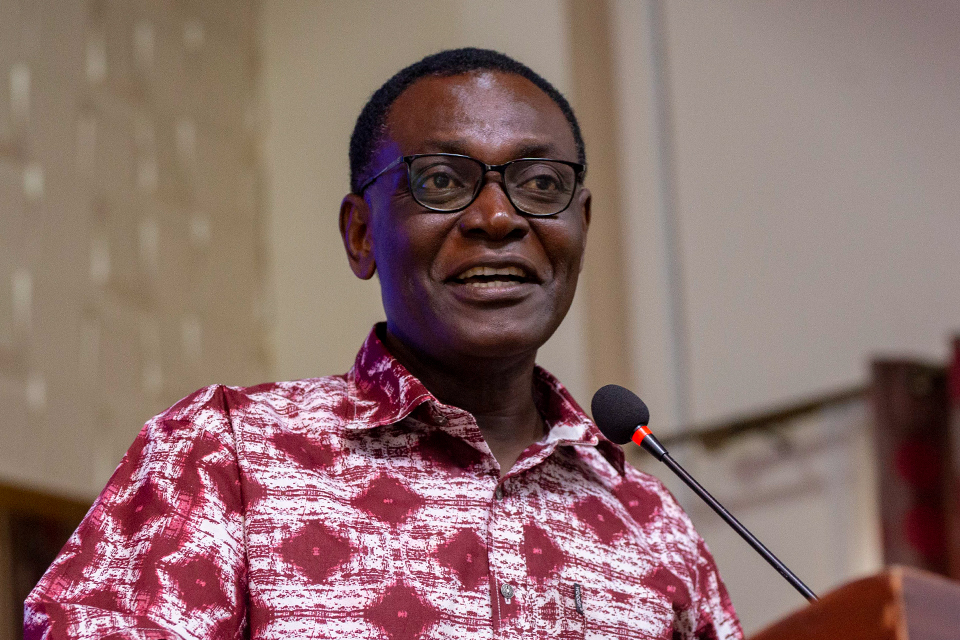
Prof. Hope Pius Nudzor, Director of the Institute for Educational Research and Innovation Studies (IERIS) commended the youthful teacher participants for their energy and commitment. He urged them to see themselves not only as classroom instructors but also as collaborators in educational research. “We are building a community of practitioners; going forward, we will rely on you to help collect critical data from schools to inform research and improve practice,” he explained. He called for a database of participants to be created, emphasising the long-term benefits of closer collaboration between researchers and teachers on the ground.
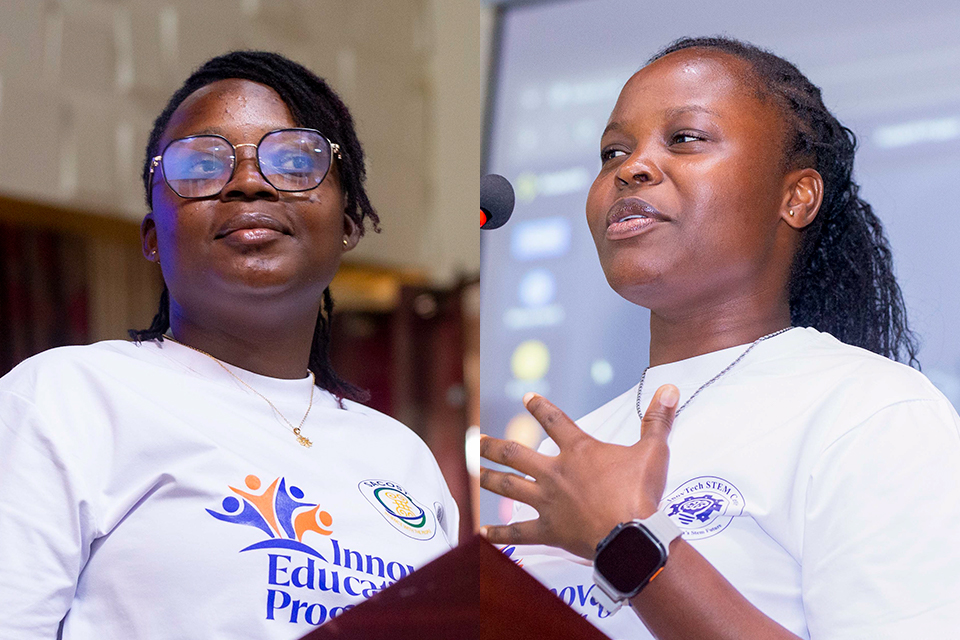
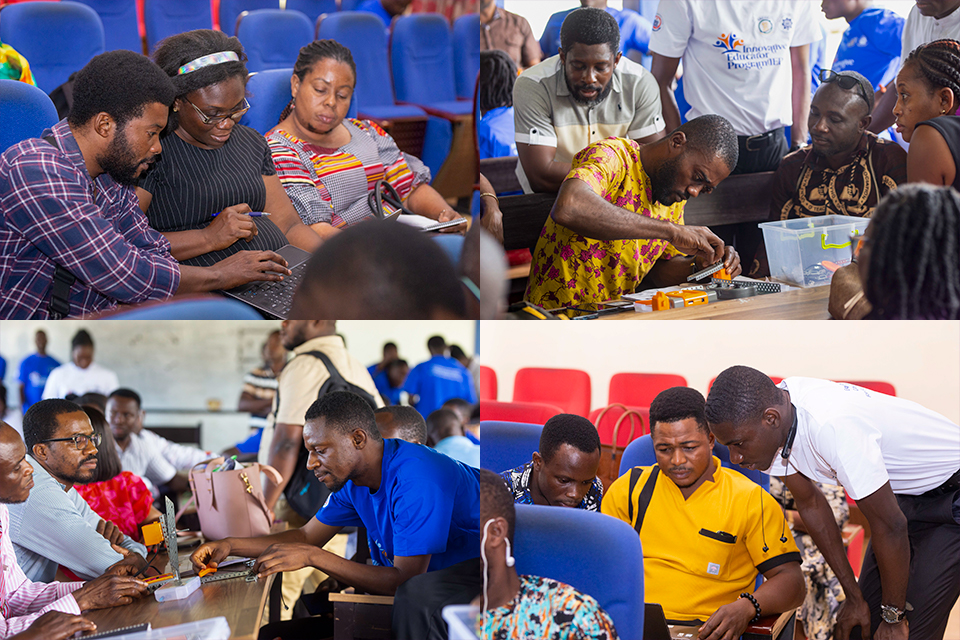
The training also featured practical sessions led by Ms. Deborah Boluwatife Adeolu, Research and MEL Lead, and Ms. Dorcas Yakubu, Lead Instructor. Ms. Deborah Adeolu introduced participants to the fundamentals of robotics including sensors, controllers, actuators, block-based and text-based programming, loops and conditional statements. She explained how these concepts could be used to teach problem-solving and critical thinking in the classroom.
Ms. Dorcas Yakubu complemented this with hands-on coding exercises, guiding teachers through block-based programming using KodeVR. She stressed that robotics helps students “think outside the box,” teaching precision, creativity and problem-solving in ways that connect directly to their future. “Robots do not improvise; they only do what you instruct them to. This is why robotics is powerful. It teaches students to design, test and refine solutions step by step,” she said.
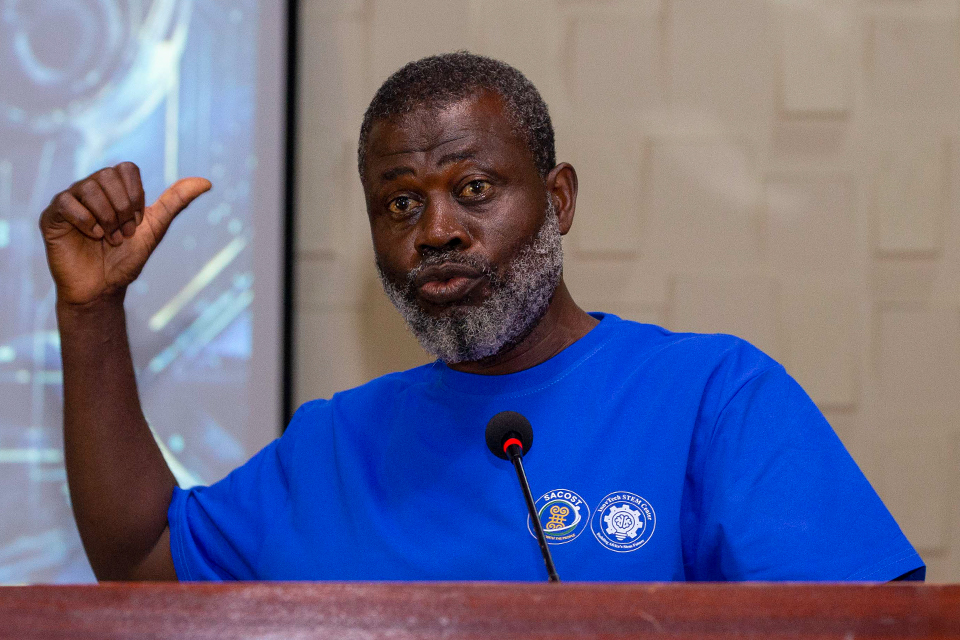
Adding a unique perspective, Mr. Ahmed Kobina Amihere, Research Fellow at SACOST, drew connections between robotics and core concepts in science and mathematics. Using Newton’s laws of motion, he demonstrated how the movement of robots can be used to explain inertia, momentum and reactions in physics as well as transformations and vectors in mathematics.
Throughout the workshop, facilitators underscored the value of innovation in education, urging participants to embrace technology not as a replacement for teachers but as a tool to enhance their effectiveness. They also emphasised the importance of collaboration between institutions like SACOST and InovTech to ensure continuous mentorship and resource sharing.
The workshop, which blended theory, practice and mentorship, reinforced UEW’s role as a driver of educational innovation in Ghana. It also highlighted the University’s commitment to transforming local schools into hubs of creativity and technology, ensuring that the next generation of learners is not left behind in the digital revolution.