SPED-UEW Seminar Highlights the Need for Real-World Speech Perception Assessment


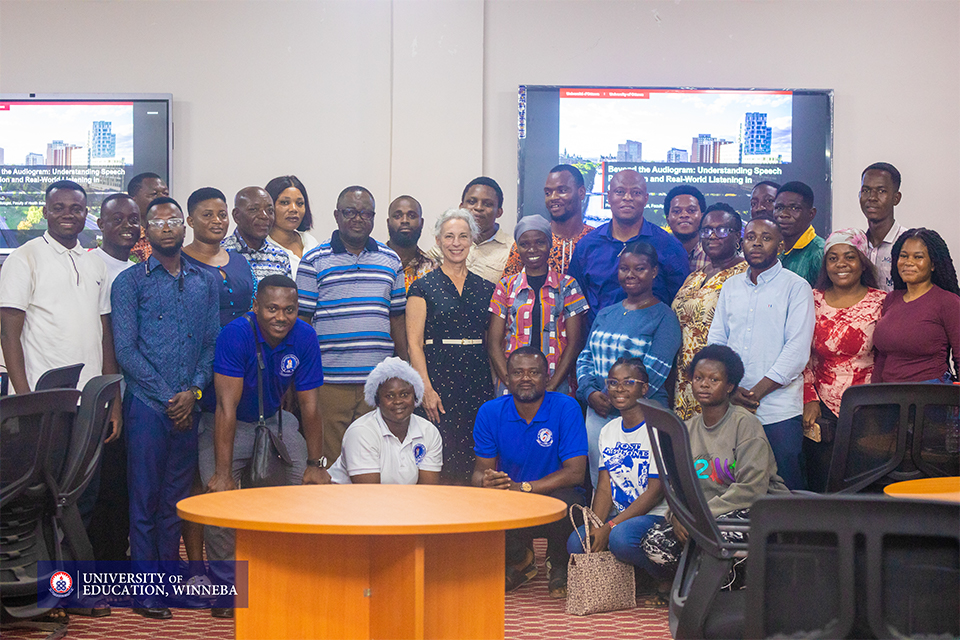
The Department of Special Education (SPED) at the University of Education, Winneba (UEW) emphasised the need to supplement conventional audiometric testing with comprehensive speech-in-noise assessments, particularly to evaluate children's auditory comprehension within chaotic classroom environments.
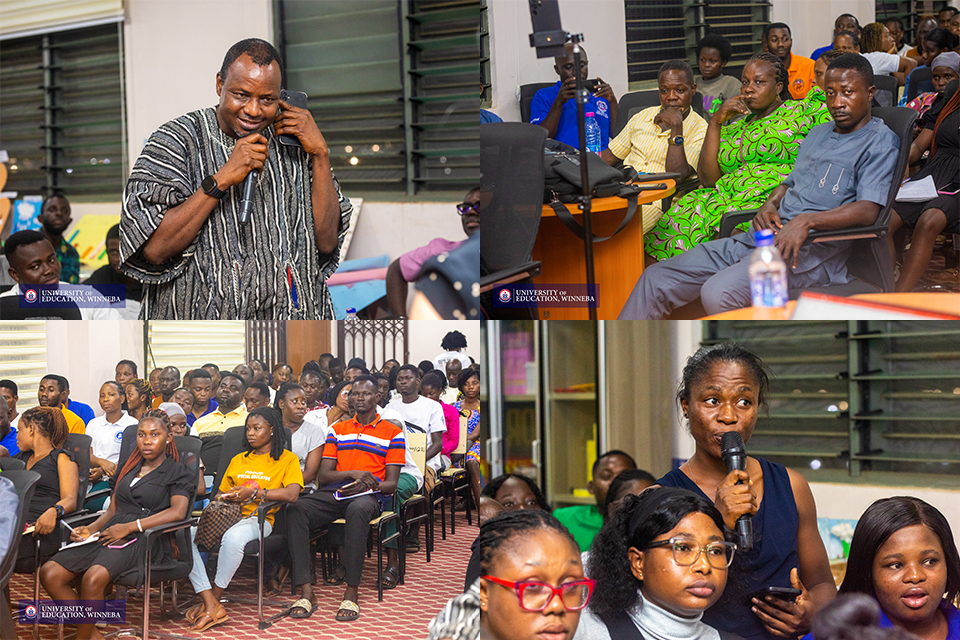
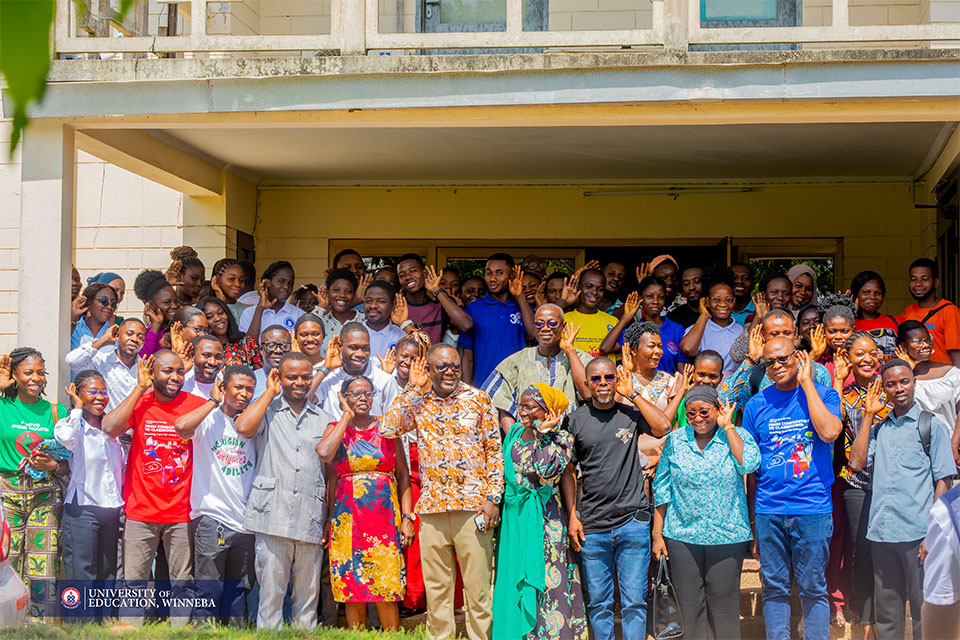
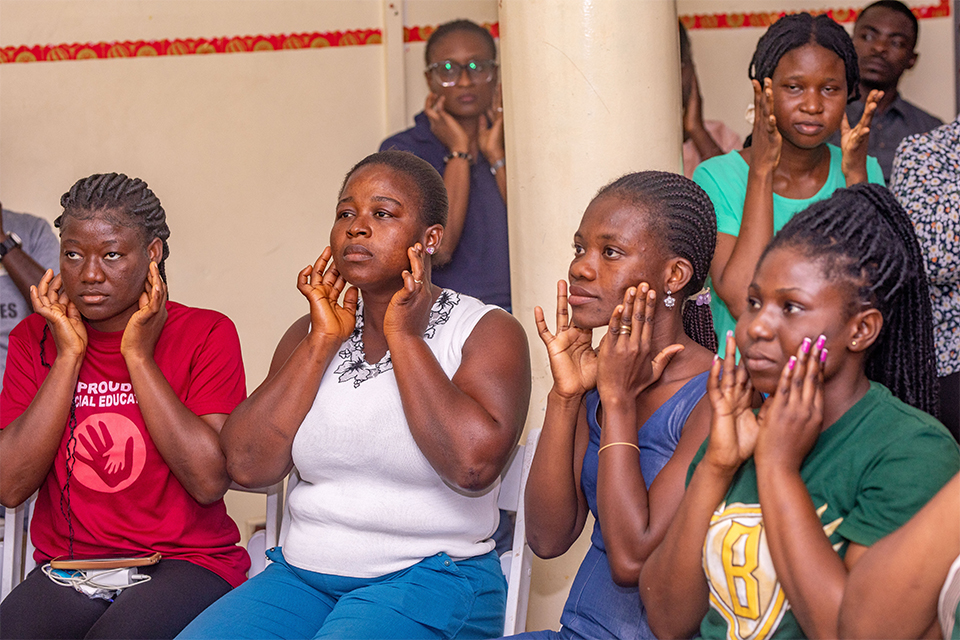
The seminar, themed “Beyond the Audiogram: Understanding Speech Perception and Real-World Listening in Children,” brought together faculty, students and international collaborators to explore the implications of hearing difficulties for communication, classroom interaction and learning.
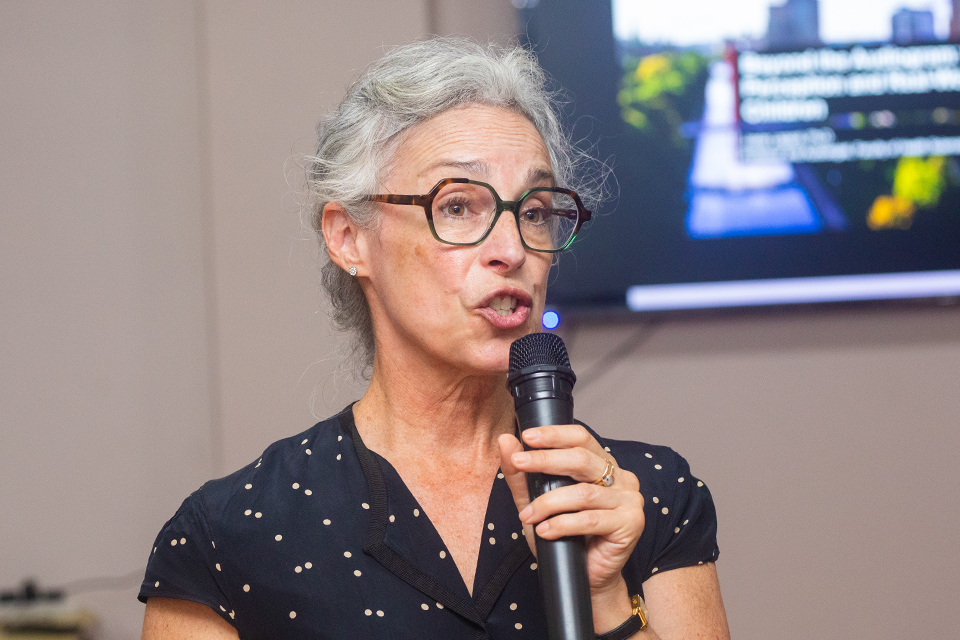
Delivering the keynote address, Prof. Josée Lagacé of the University of Ottawa, Canada, explained that normal audiogram results do not necessarily guarantee effective speech perception, as children may struggle to understand spoken instructions amid classroom noise and other environmental distractions.
She stressed that speech recognition in noise must be assessed alongside conventional hearing tests to provide a more comprehensive understanding of children's listening abilities and educational needs.
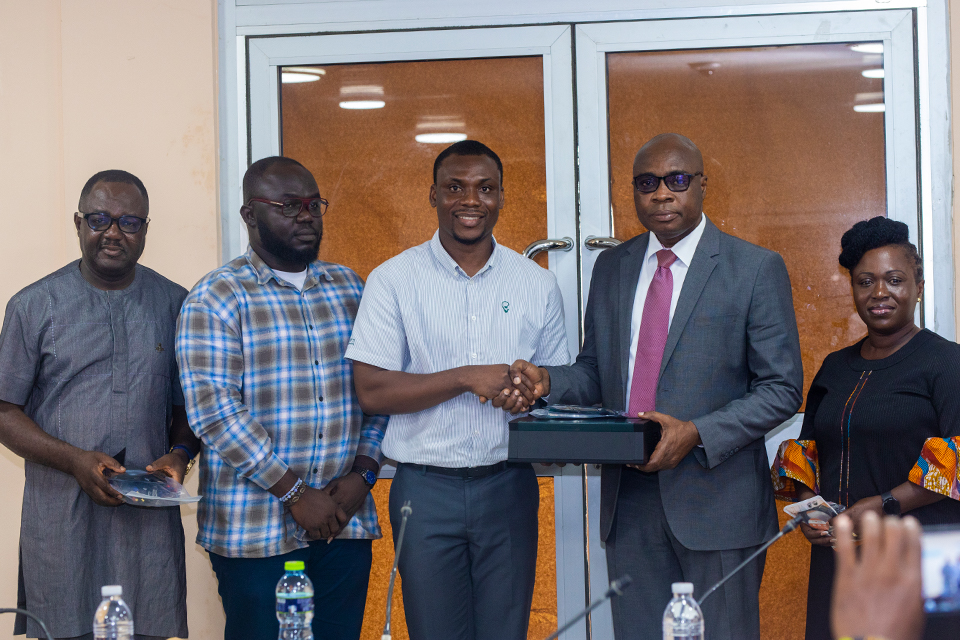
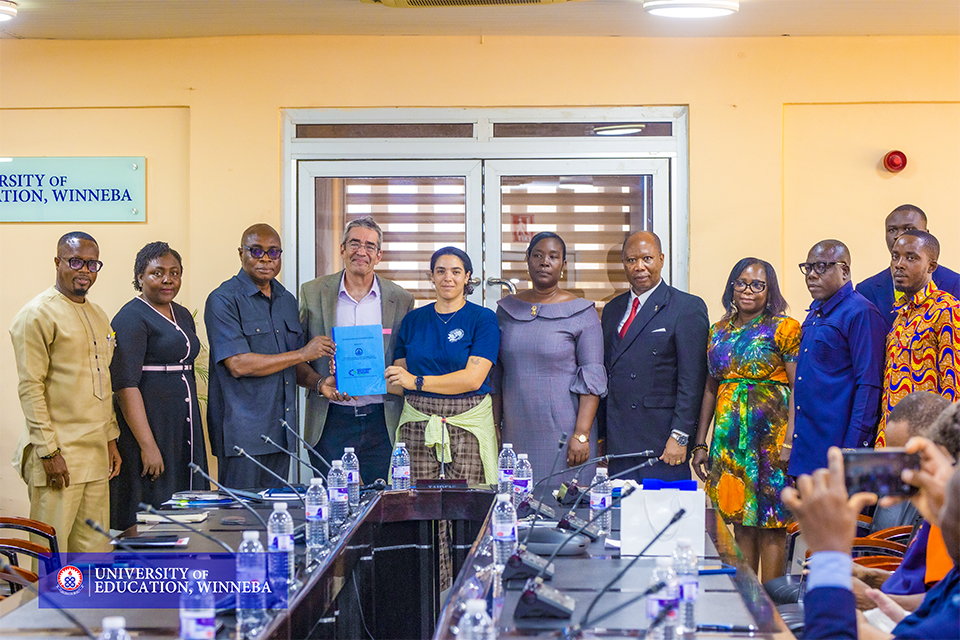
Prof. Josée Lagacé also highlighted collaborative work with UEW to develop a Ghanaian version of the Digit Triplet Test, an assessment tool designed to evaluate speech recognition in noise and adapted to local languages and contexts.
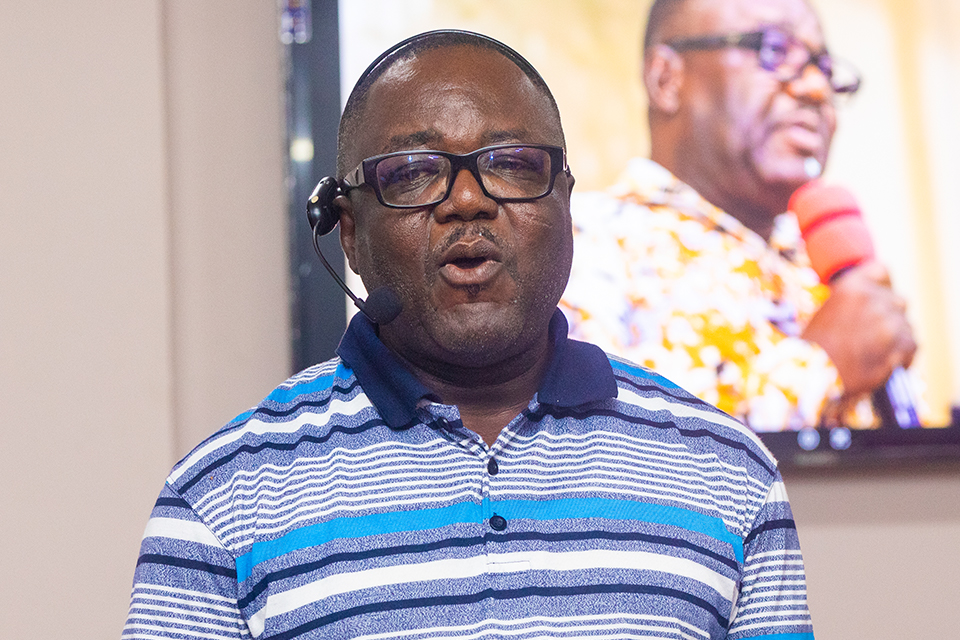
Dr. Emmanuel Kwasi Acheampong, the Head of SPED, said hearing assessment must extend beyond measurements obtained in quiet clinical settings to reflect the realities of learning environments. He emphasised that understanding how children hear and process speech in classrooms is essential to identifying barriers to learning and informing appropriate educational support.
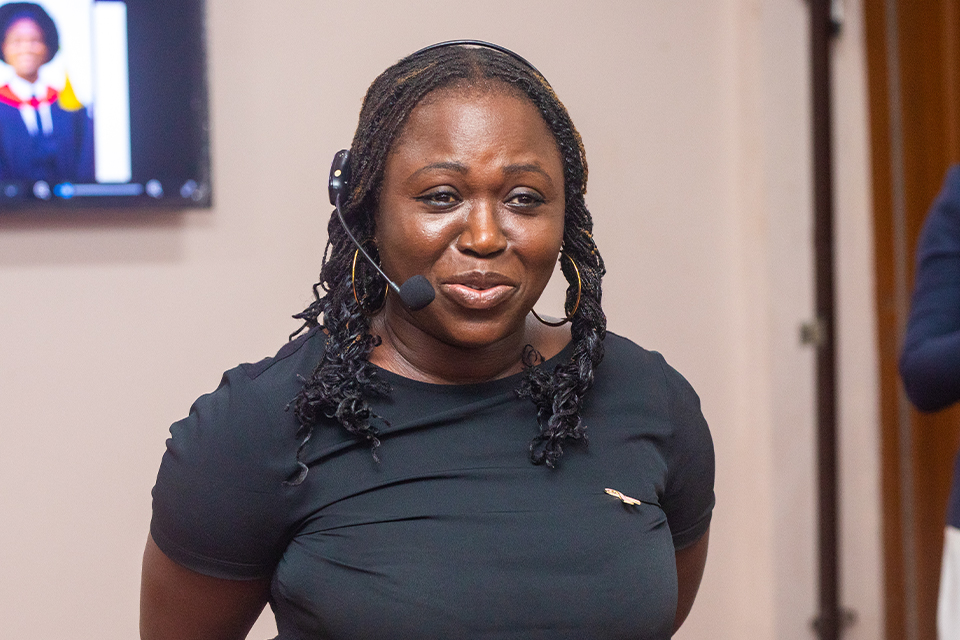
Prof. Patricia Mawusi Amos, the Dean of the Faculty of Applied Behavioural Sciences in Education (FABSE), underscored the importance of understanding how hearing difficulties affect communication and classroom participation. She noted that the ability to hear does not always translate into understanding instructions or interacting effectively.
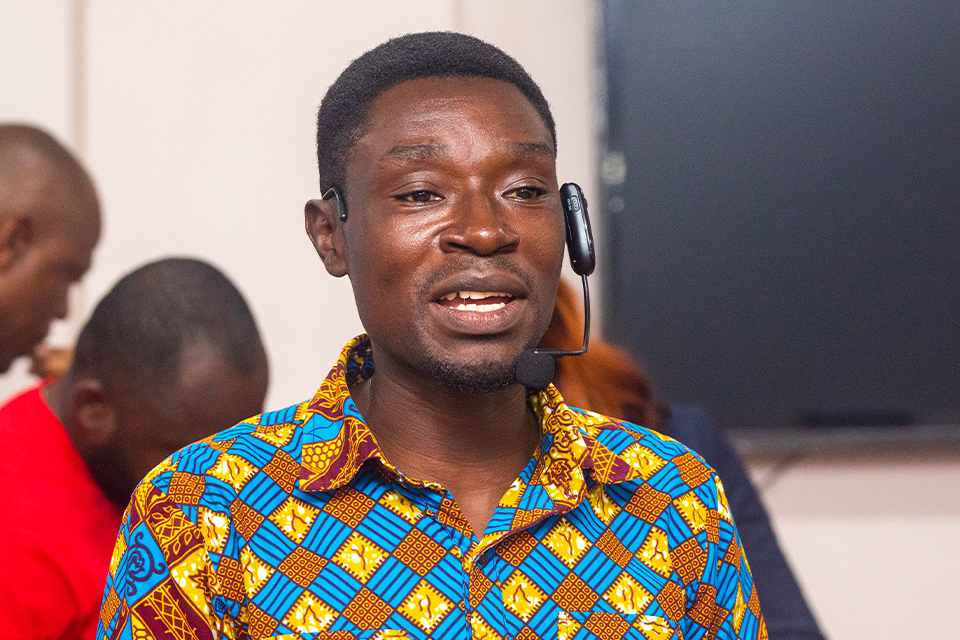
Dr. Cyril Mawuli Honu-Mensah, the seminar’s Chairperson, challenged participants to consider how clinical hearing test results could apply to real-life listening situations, particularly in noisy environments.
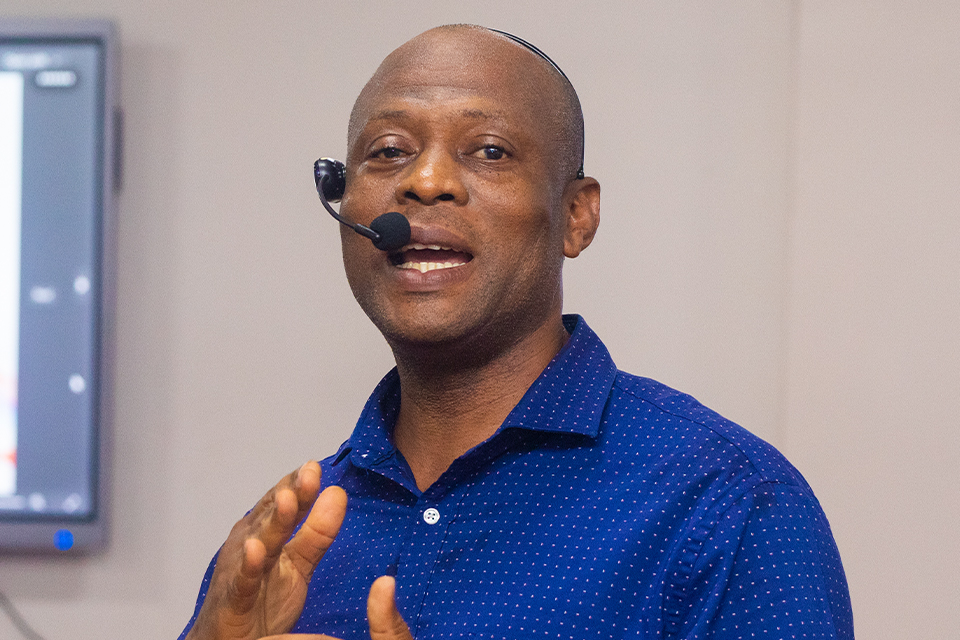
The host, Dr. Sesi Collins Akotey, acknowledged Prof. Josée Lagacé's mentorship and expressed appreciation for her engagement with the University.
The seminar reinforced the importance of integrating speech-in-noise assessment into educational practice to help identify children who may experience listening difficulties despite having normal hearing thresholds. The initiative also highlighted UEW's commitment to research collaboration and inclusive educational practices that respond to the diverse learning needs of children.