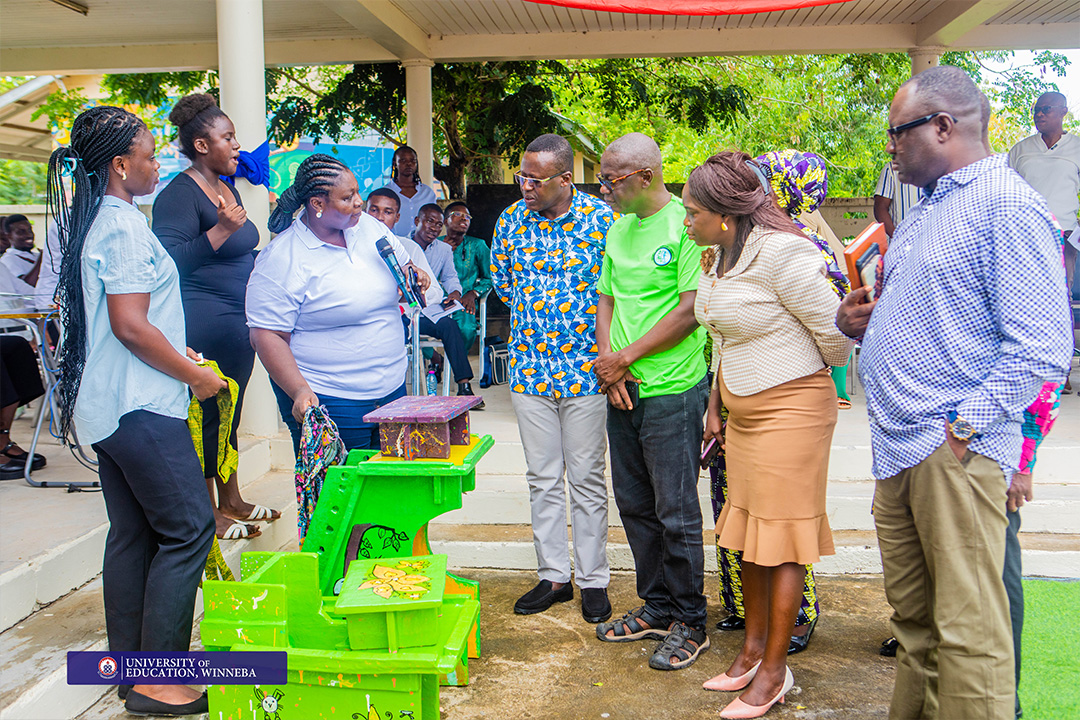
UEW, Israeli Partners Explore Establishing an Assistive Technology Hub


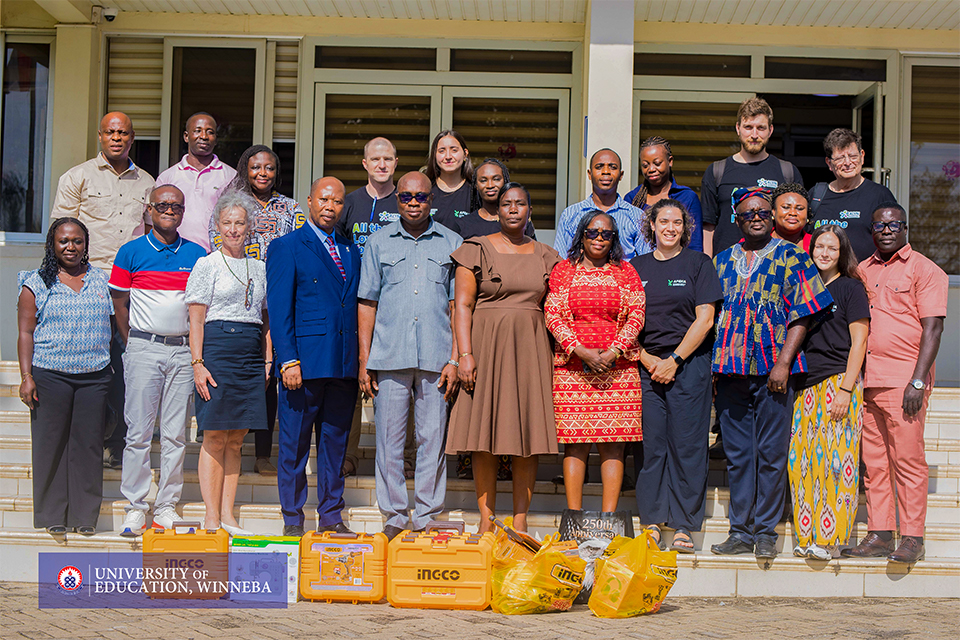
The University of Education, Winneba (UEW) is exploring an assistive technology innovation hub to develop affordable, locally adapted solutions for children with disabilities. This initiative follows a visit by an Israeli delegation and the donation of assistive equipment to support the University’s work in special needs education.
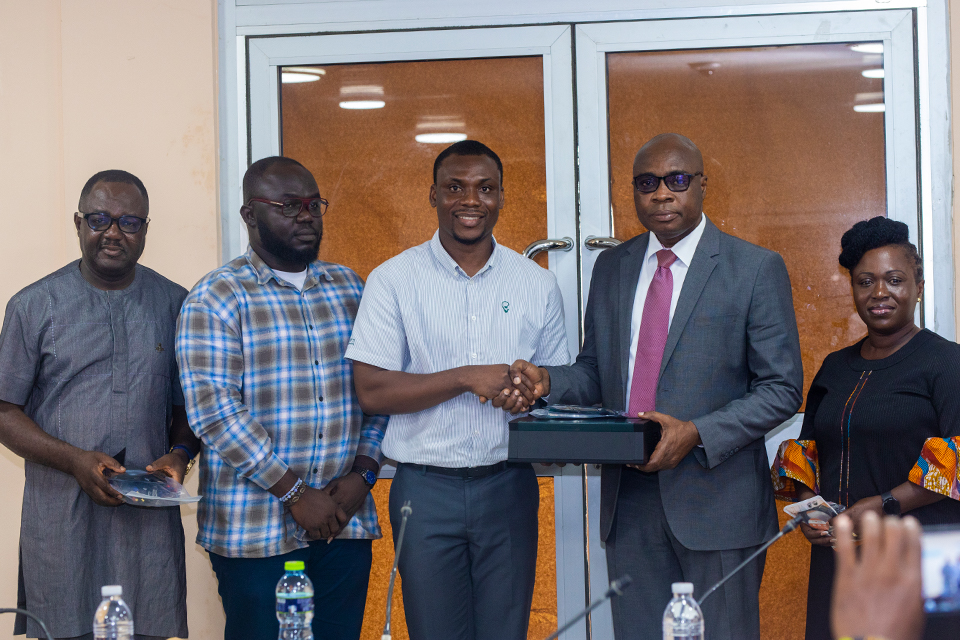
The delegation, comprising representatives of Engineers Without Borders (EWB) Israel and Alyn Hospital, alongside audiology specialist Prof. Josée Lagacé of the University of Ottawa, Canada, met with UEW Management at the Council Chamber on Tuesday, 13th October, 2026, to discuss collaboration in assistive technology, professional training, research and community engagement.
The proposed hub is expected to equip students, local professionals and community members with the knowledge and resources to develop assistive devices using locally available materials and technologies suited to the needs of persons with disabilities.
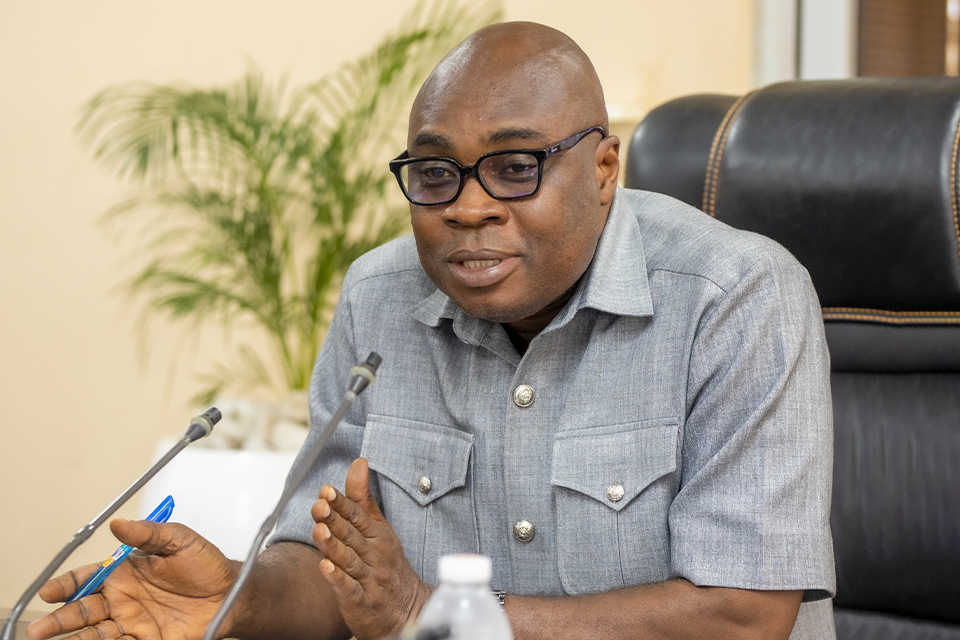
Welcoming the delegation, Prof. Stephen Jobson Mitchual, the Vice-Chancellor of UEW, expressed appreciation for the donated equipment and the existing collaboration. He emphasised the University's commitment to partnerships that improve lives through teaching, research and community service.
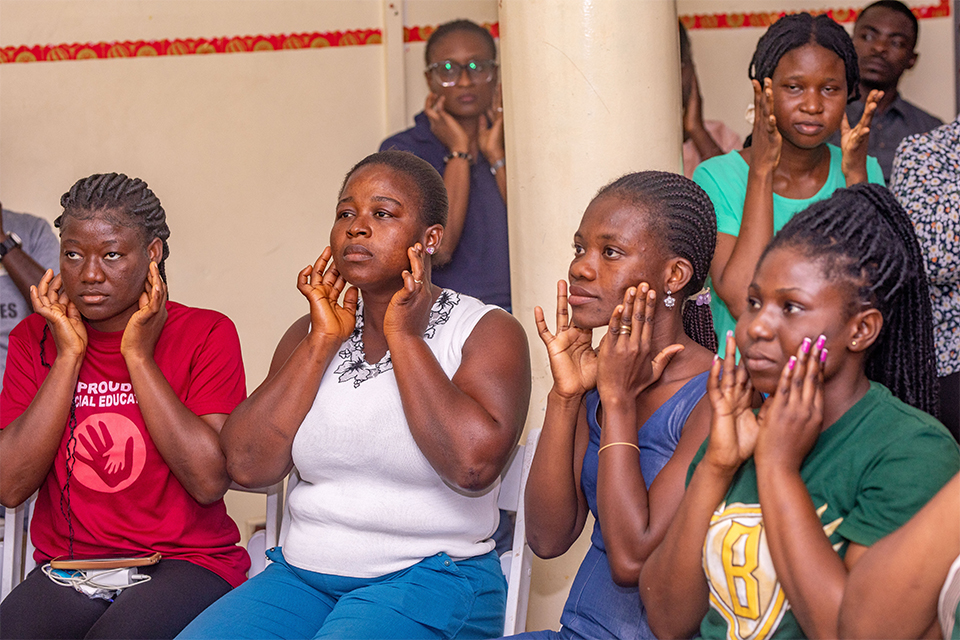
He noted that the University's special education and audiology units have provided hearing screening services to communities across the country despite limited facilities. He added that more support would strengthen their capacity to serve more people. “Collaboration is a fundamental part of university activities. A university is not an island. We collaborate, share knowledge and share facilities to improve the lives of our citizens,” he said.
Prof. Mitchual called for the partnership to extend beyond equipment donations to include joint research, team teaching and knowledge exchange to address challenges associated with hearing loss and other disabilities.
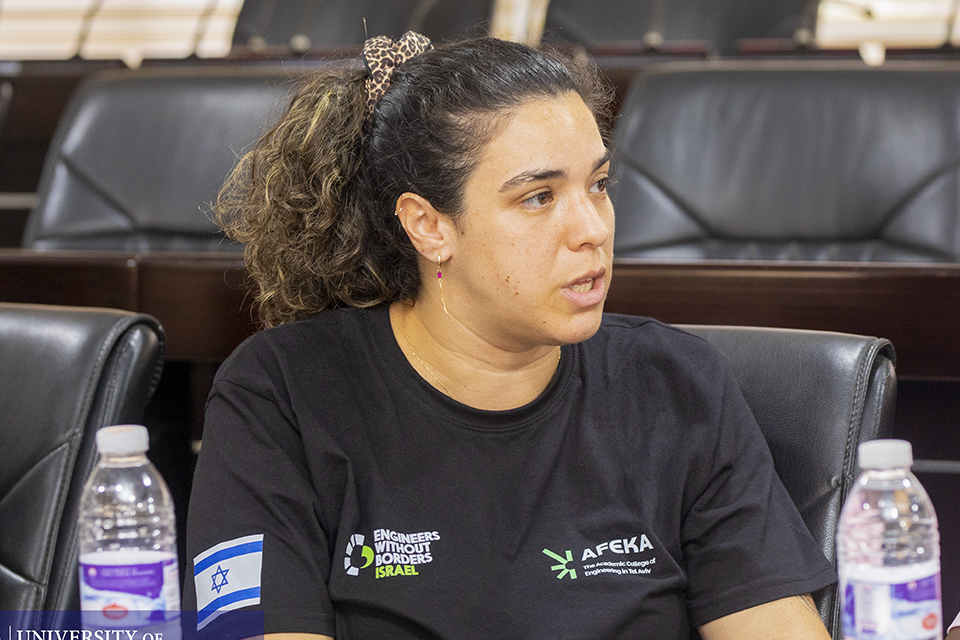
Yuval Barda Meiner, the Project Manager of Engineers Without Borders Israel, explained that the initiative was founded on the principle of appropriate technology which prioritises affordable, easy-to-use and maintainable solutions adaptable to local needs.
She said the team intended to transfer the technical knowledge needed for UEW students and local professionals to design and produce assistive devices rather than simply introduce technologies developed abroad.
Yuval Meiner added that the proposed hub would serve as a resource for students, professionals in special needs education and the wider community with the partners continuing their engagement beyond the delegation's visit.
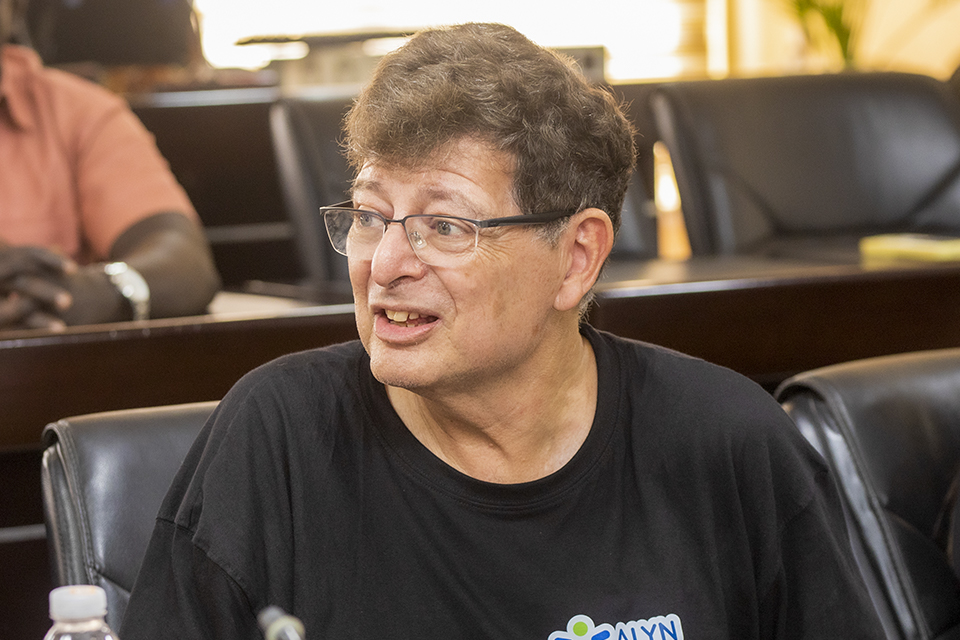
Henry Haral of Alyn Hospital, a non-profit rehabilitation institution in Jerusalem, said the team would work with local professionals to adapt existing assistive solutions to Ghanaian conditions, particularly for children who require support with everyday activities.
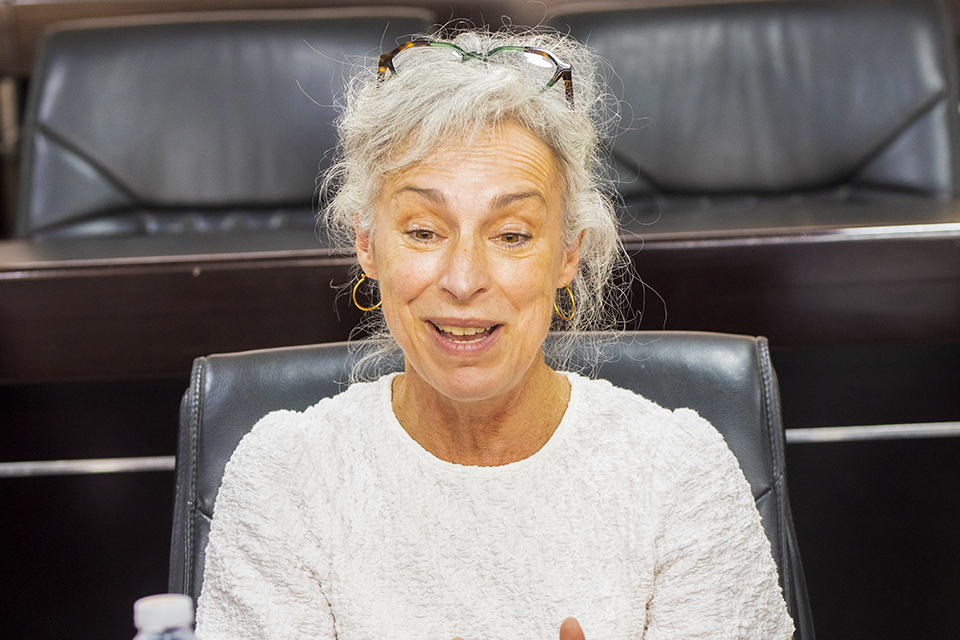
Meanwhile, Prof. Josée Lagacé said her contribution would focus on strengthening audiology training and research collaboration including developing training programmes for future audiologists and speech-language pathologists.
She also expressed interest in extending research on speech recognition in noisy environments to school-aged children and generating data on hearing loss to help guide the provision of appropriate services.
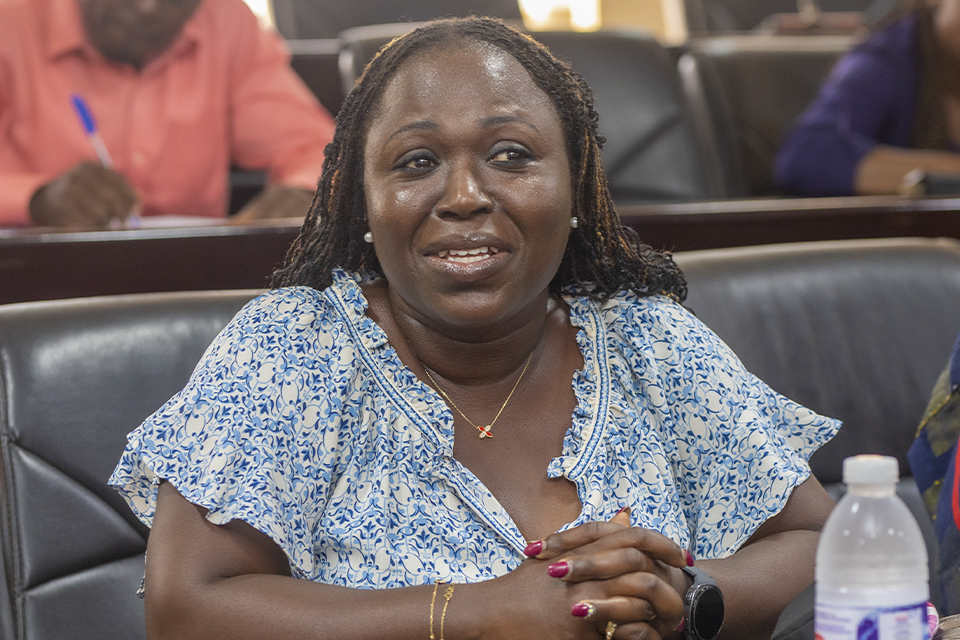
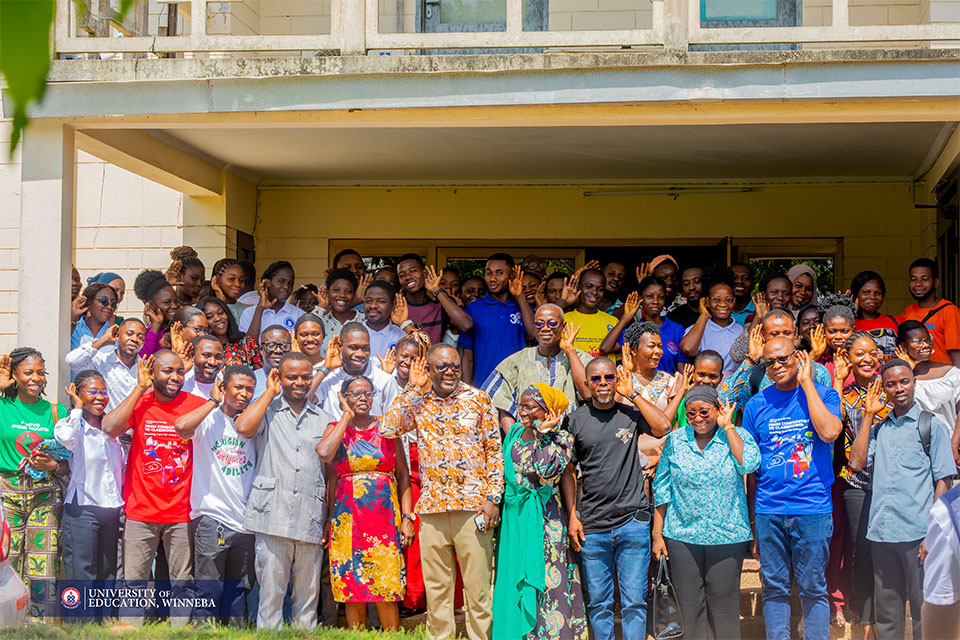
Prof. Patricia Mawusi Amos, the Dean of the Faculty of Applied Behavioural Sciences in Education, said the delegation had brought assistive tools to support the University's efforts and indicated that further equipment could be provided as the collaboration progressed. She added that the partnership would also support community engagement including hearing-related screening activities for children.
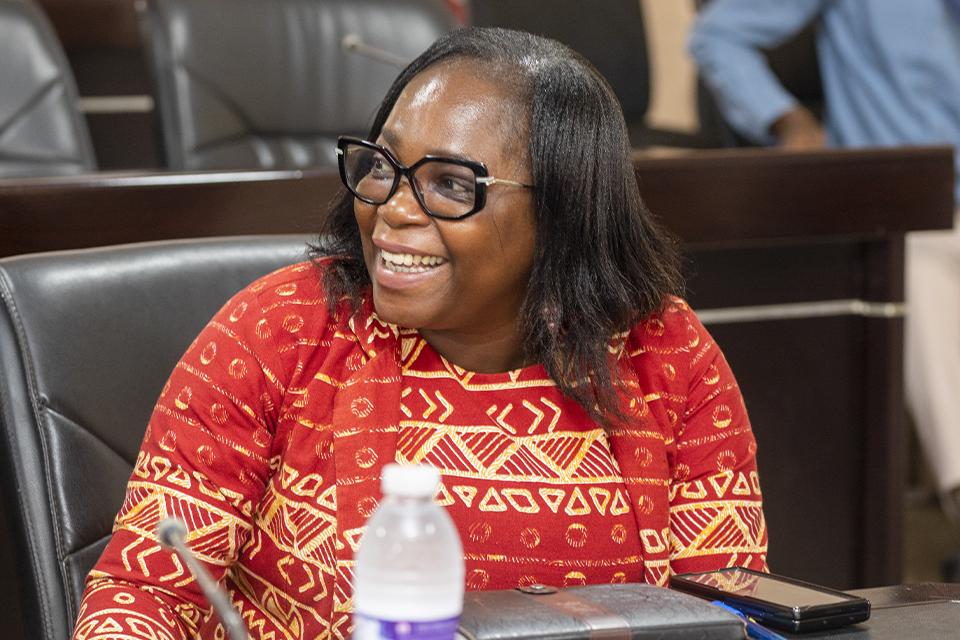
Prof. Esther Yeboah Danso-Wiredu, the Pro-Vice-Chancellor, thanked the delegation for the donation and its commitment to supporting the University and surrounding communities.
The visit reinforces UEW's efforts to strengthen inclusive education and disability support through international partnerships, practical innovation and research to improve the quality of life of persons with disabilities.