FHASHEE-UEW Develops Qualitative Research and AI Skills for Staff and Students


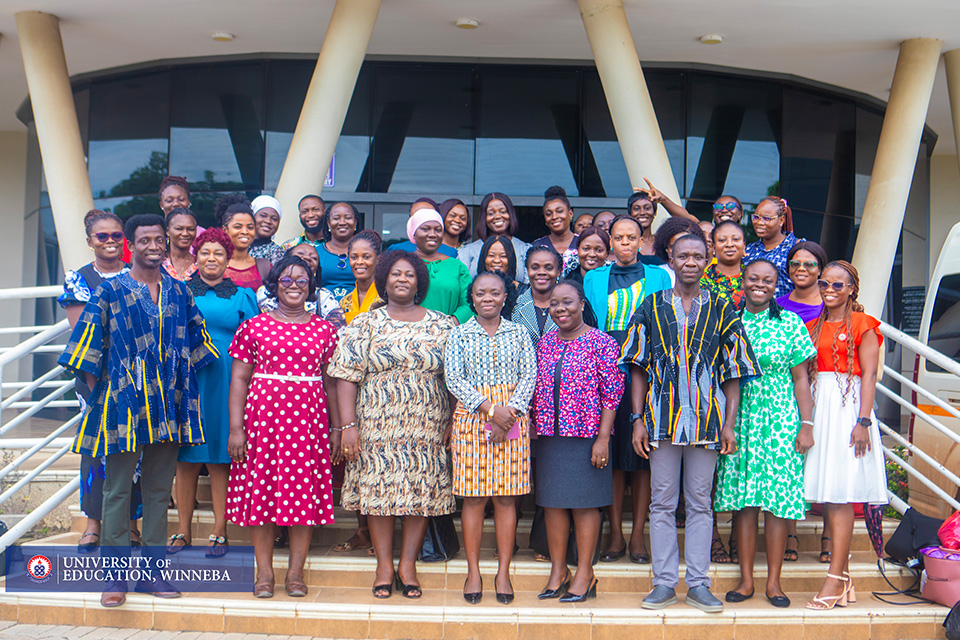
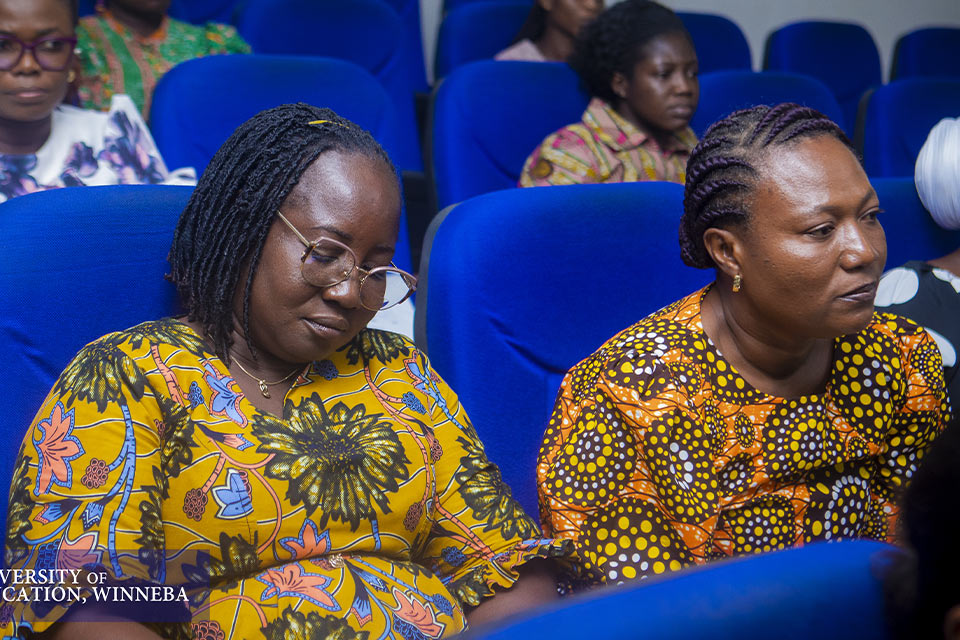
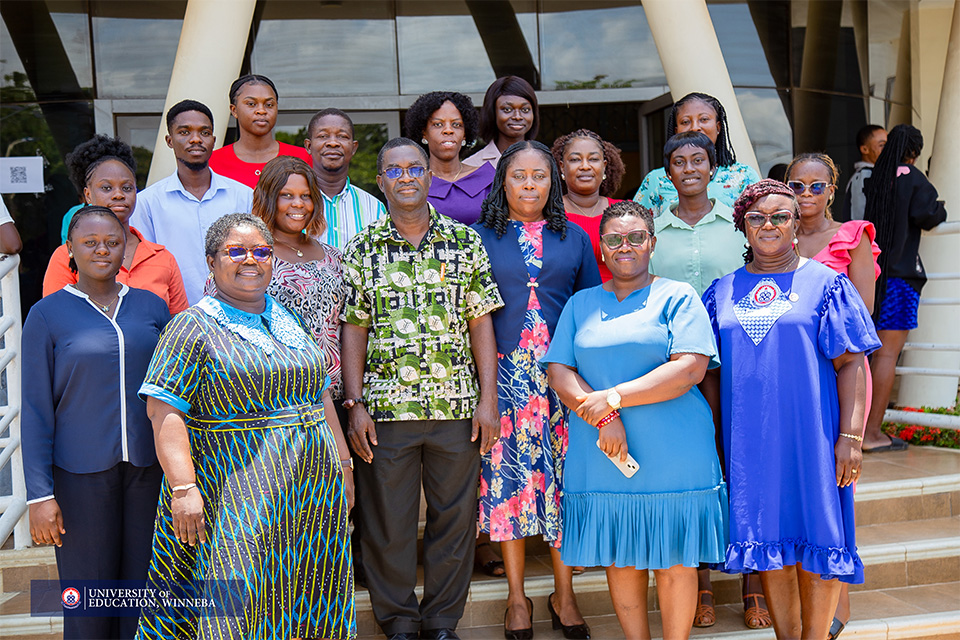
The Faculty of Health, Allied Sciences and Home Economics Education (FHASHEE) of the University of Education, Winneba (UEW) has organised a two-day workshop to enhance the qualitative research competencies and digital research skills of staff and postgraduate students.
Held at the Students Centre Seminar Room III under the theme, “Building Competency in Qualitative Research and Digital Tools for Research Excellence,” the workshop equipped participants with contemporary qualitative research methodologies and practical knowledge on the responsible use of Artificial Intelligence (AI) in academic research.

Opening the workshop, Prof. Rosemary Quarcoo, Head of the Department of Clothing and Textiles Education, emphasised the importance of continuous professional development in research and scholarship. She noted that the initiative formed part of the Faculty’s commitment to promoting research excellence and building capacity to undertake impactful and ethically grounded studies.
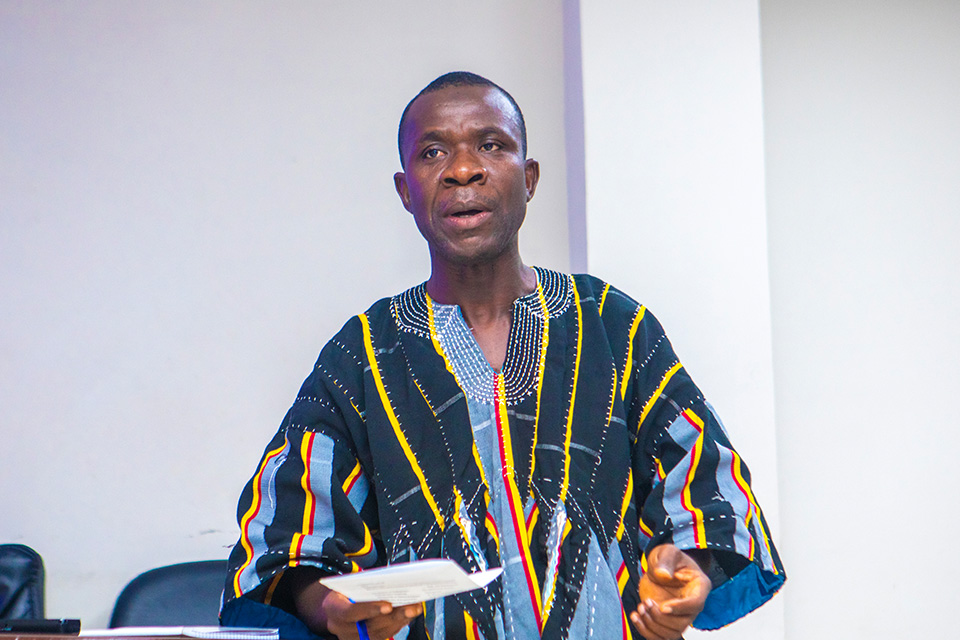
Prof. Seibu Munkaila, Chairperson of the opening ceremony and Deputy Director of the Institute for Teacher Education and Continuing Professional Development (ITECPD), highlighted the critical role of research in advancing knowledge and addressing societal challenges. He commended the organisers for the initiative and encouraged participants to maximise the opportunity to strengthen their research capabilities.
Prof. Munkaila expressed satisfaction with the active participation and encouraged attendees to apply the knowledge gained to improve the quality of their research and academic outputs. He further underscored the need to uphold academic integrity, avoid plagiarism and use AI as a complementary tool rather than a substitute for scholarly effort.
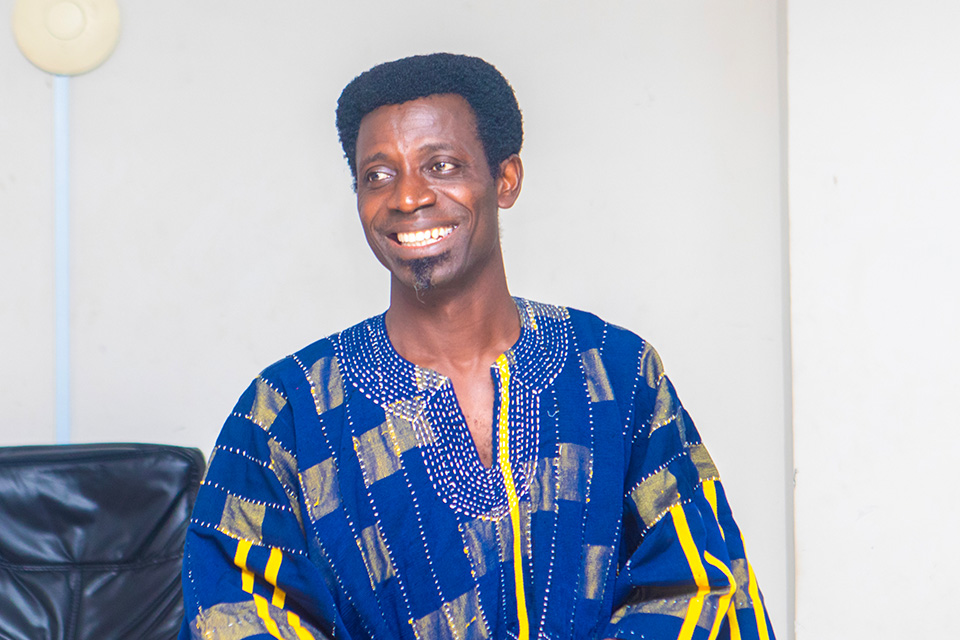
Prof. Osuanyi Quaicoo Essel, the Vice-Dean of the School of Creative Arts and lead facilitator, delivered an extensive presentation on qualitative research philosophies, paradigms and methodologies. He explained how philosophical assumptions shape research approaches and designs and guided participants through key concepts including ontology, epistemology, axiology and reflexivity.
Prof. Essel stressed that qualitative research requires an appreciation of multiple realities and lived experiences. He urged researchers to remain conscious of their positionality and potential biases throughout the research process. He also demonstrated practical approaches to identifying research problems and generating research ideas from professional practice, personal experiences and existing literature.
A major highlight of the workshop was the exploration of emerging AI tools for academic research. Participants were introduced to digital platforms that support evidence synthesis, research gap identification, theory development and research planning.
While acknowledging the benefits of AI, Prof. Essel cautioned against overreliance on AI-generated content, stressing that researchers must verify all outputs and consult original sources.
“AI is a useful tool, but researchers must verify every output and consult original sources. AI can generate inaccuracies, biases and fabricated information if not carefully monitored,” he advised.

Participants engaged in hands-on exercises on research problem formulation, prompt development and evaluation of AI-generated outputs, enabling them to apply the concepts discussed during the sessions.
The workshop forms part of UEW’s broader commitment to fostering research excellence, innovation and ethical scholarship while equipping researchers with the skills needed to navigate the rapidly evolving digital research landscape.