DFLME-UEW Equips Staff and Postgraduate Students with Digital Research Skills


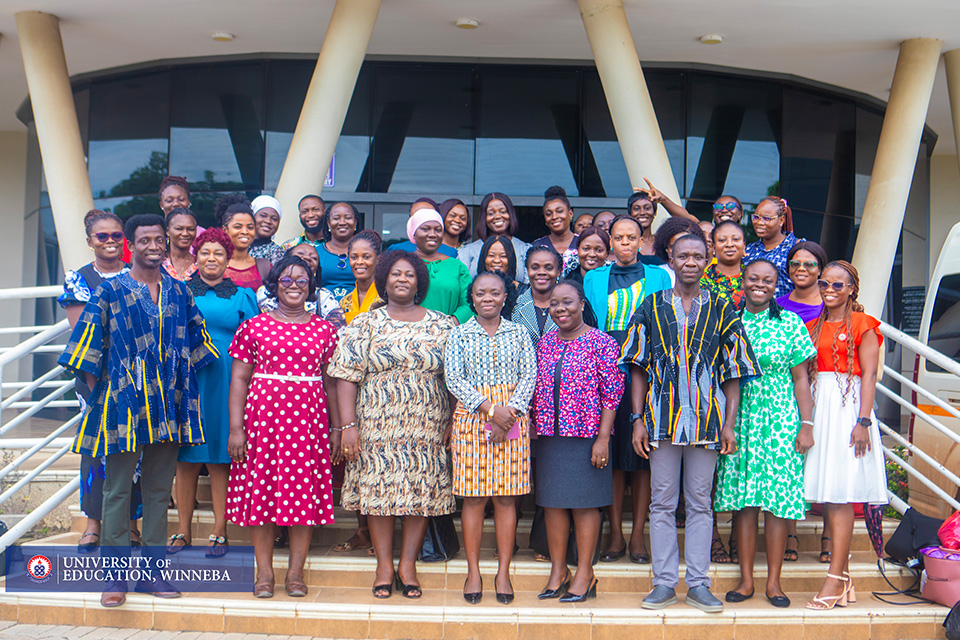
The Department of Family Life Management Education (DFLME) at the University of Education, Winneba (UEW) has intensified efforts to equip staff and postgraduate students with advanced competencies in qualitative research, literature review, referencing and digital research tools to strengthen research excellence.
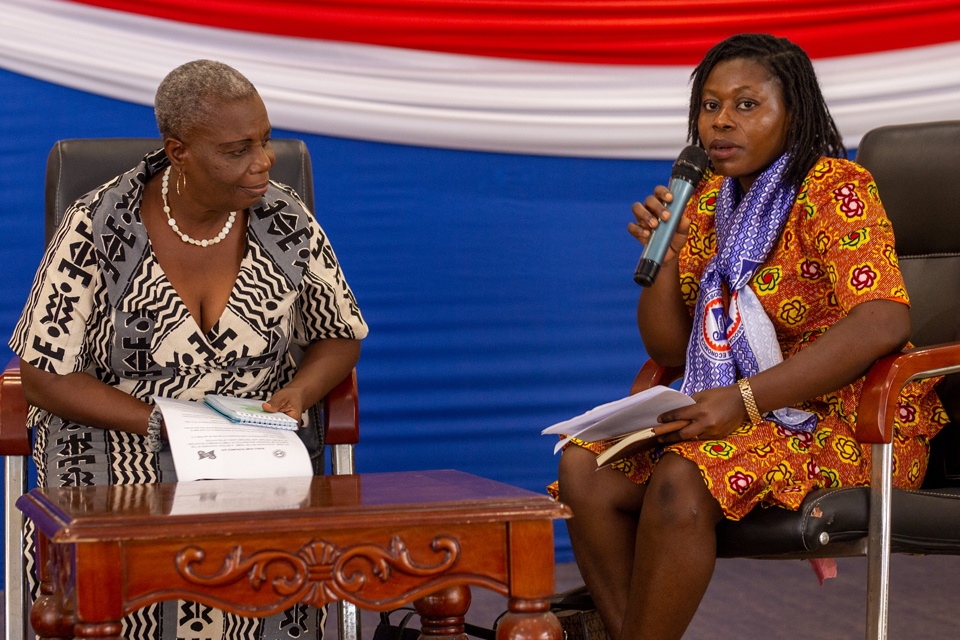
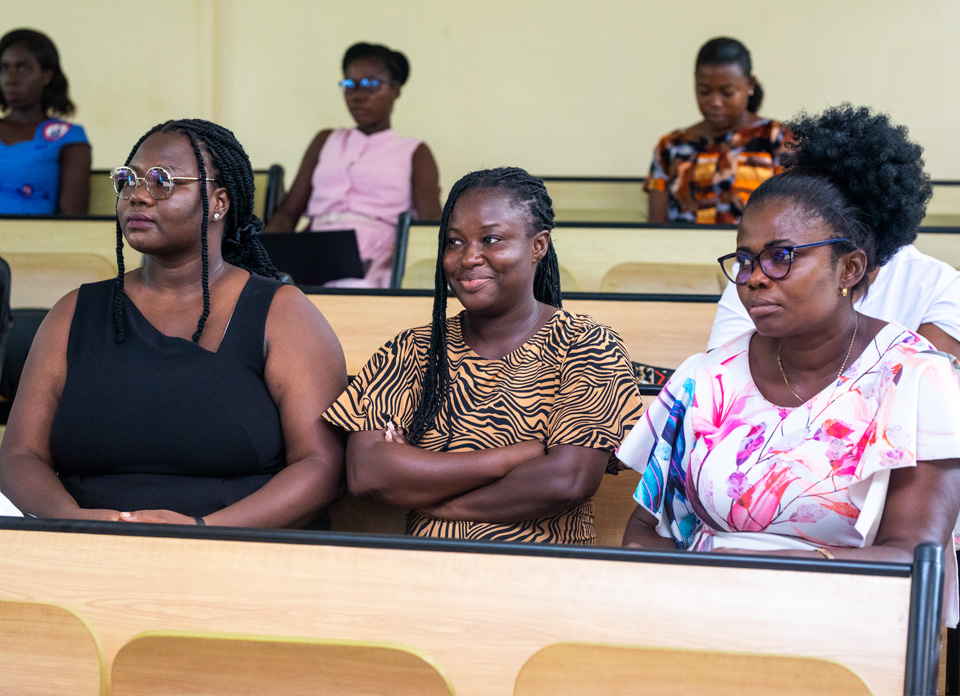
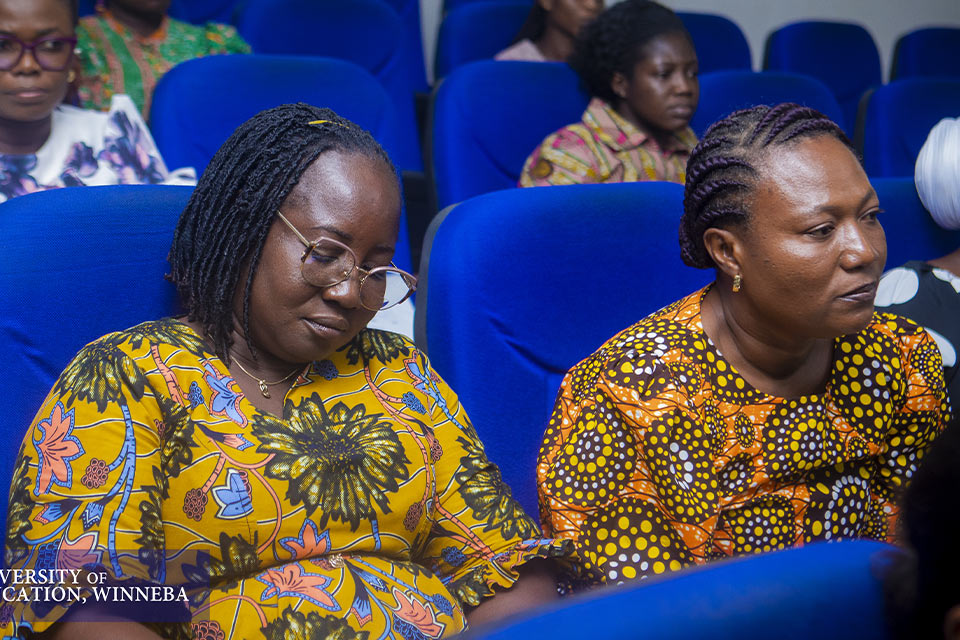
The initiative formed part of a two-day workshop held at the Students Centre Seminar Room III on Thursday, 11th and Friday, 12th June, 2026, under the theme, "Building Competency in Qualitative Research and Digital Tools: An Innovative Pathway to Research and Teaching Excellence."
A key highlight of the second day was a presentation by Dr. Jonathan Nii Barnor Barnor, who challenged participants to move beyond traditional approaches to literature reviews by leveraging digital tools that reveal citation relationships and the evolution of scholarly knowledge.
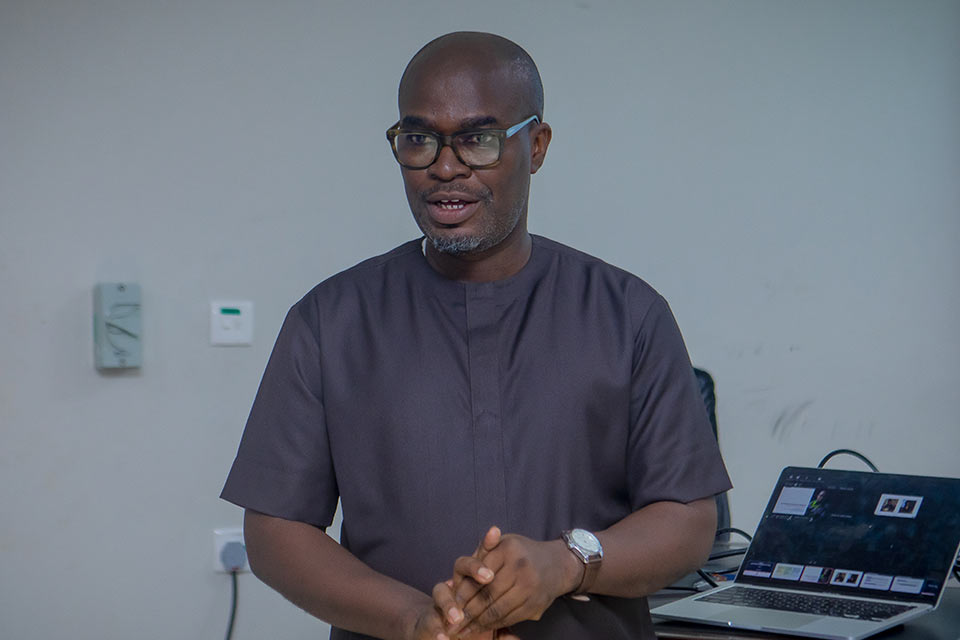
Dr. Barnor introduced participants to an innovative citation-mapping platforms which enable researchers to trace how academic ideas develop over time, identify influential publications and uncover scholarly networks within their fields of study.
According to him, understanding the connections among scholarly works allows researchers to identify foundational studies, recognise emerging trends and produce more rigorous and impactful research.
He further disclosed that new digital systems are being developed to support academic assessment by automatically checking the consistency between in-text citations and reference lists. According to him, this will reduce the burden of manual verification for lecturers and supervisors.
Addressing the growing influence of artificial intelligence on higher education, Dr. Barnor urged researchers to embrace technology responsibly while maintaining meaningful engagement with scholarly literature.
“Students must be able to understand and defend their work regardless of the tools they use,” he emphasised, cautioning against overreliance on AI-generated content.
The research expert also underscored the importance of academic integrity, describing referencing as a fundamental pillar of credible scholarship. He urged participants to adhere to proper citation practices, avoid plagiarism and ensure accurate attribution of intellectual contributions.
Dr. Barnor encouraged postgraduate students and researchers to utilise reference management software such as Mendeley, EndNote, and RefWorks to organise scholarly materials, automate citations and improve the efficiency and quality of academic writing.
He noted that effective literature searching, proper citation practices and the strategic use of digital tools are essential for enhancing the credibility, visibility and impact of research outputs.

Welcoming participants to the second day of the workshop, Mrs. Priscilla Yaaba Adjei, the Head of the Department of Family Life Management Education, commended the active participation of staff and students during the opening session.
She observed that participants had engaged extensively with emerging digital and artificial intelligence tools and expressed confidence that the workshop would further strengthen their research and teaching capabilities.
The workshop forms part of the Department's commitment to fostering innovation-driven scholarship and preparing researchers and educators to thrive in an increasingly digital academic environment.