DRID-UEW Strengthens Research Excellence Through Grantsmanship and Innovation Commercialisation Seminar


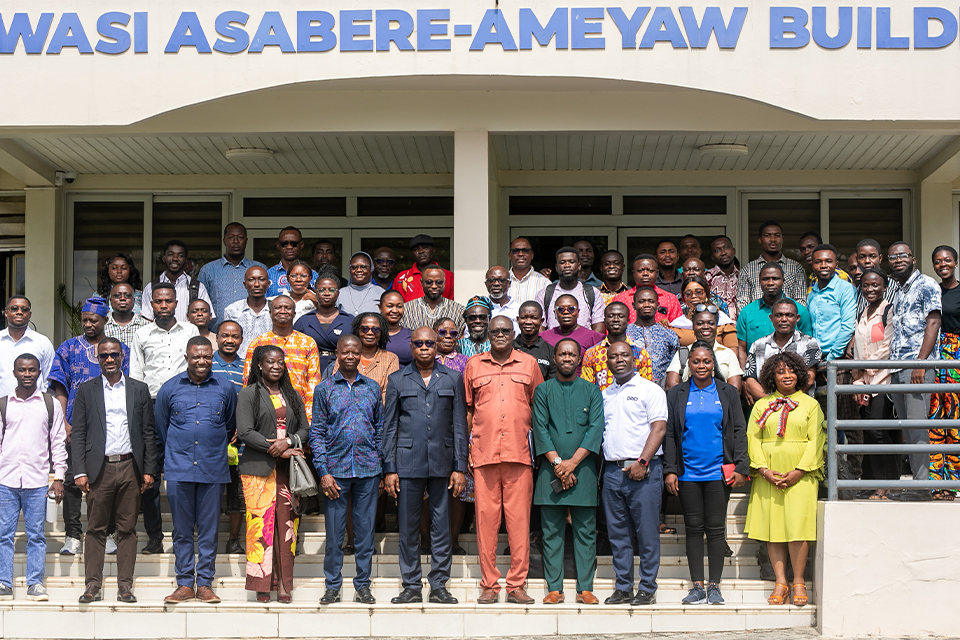
The Directorate of Research, Innovation and Development (DRID) at the University of Education, Winneba (UEW) hosted a university-wide seminar on research capacity building, grantsmanship and innovation commercialisation.
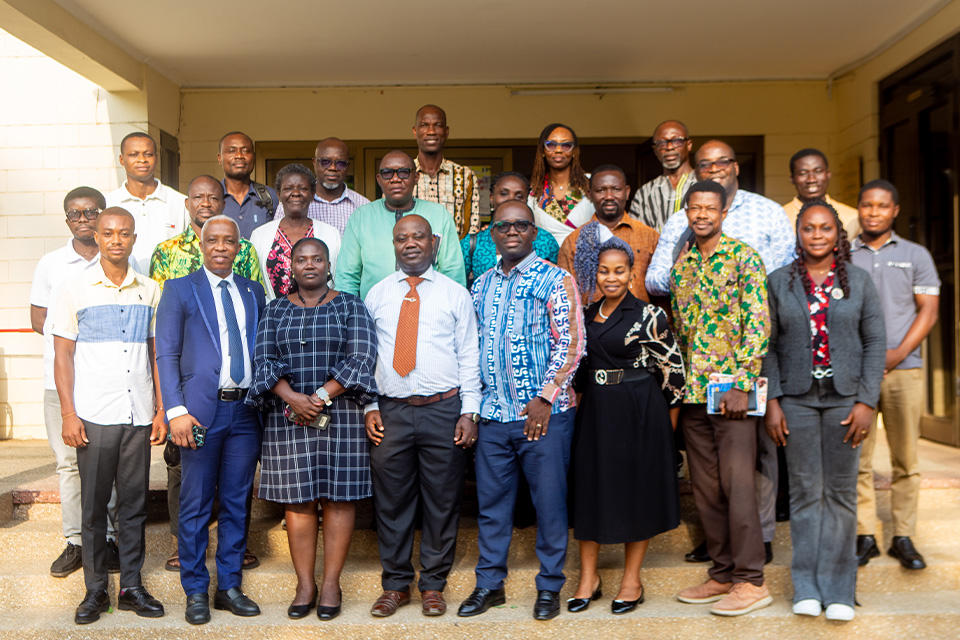
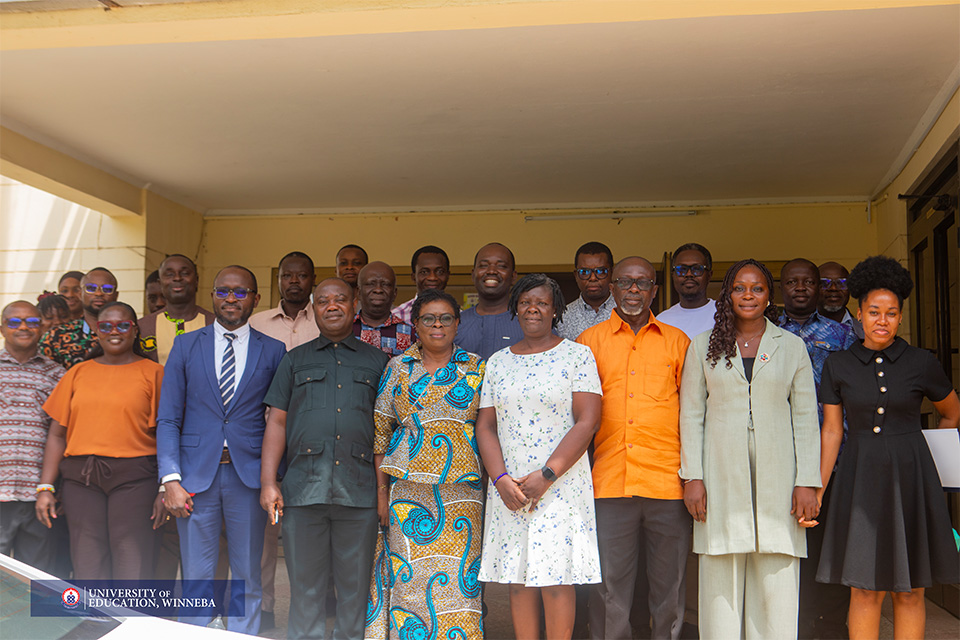
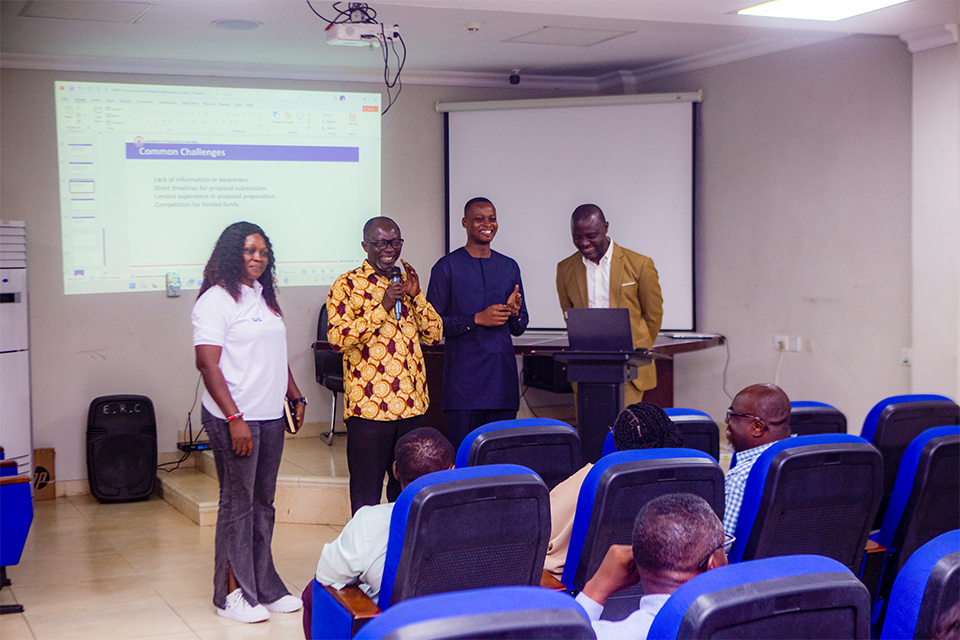
The strategic seminar, held at the North Campus Mini-Conference Room on Tuesday, 17th February, 2026, brought together academic leaders, researchers, graduate students and facilitators to equip participants with critical skills for securing research grants, strengthening research output and translating research into societal impact.
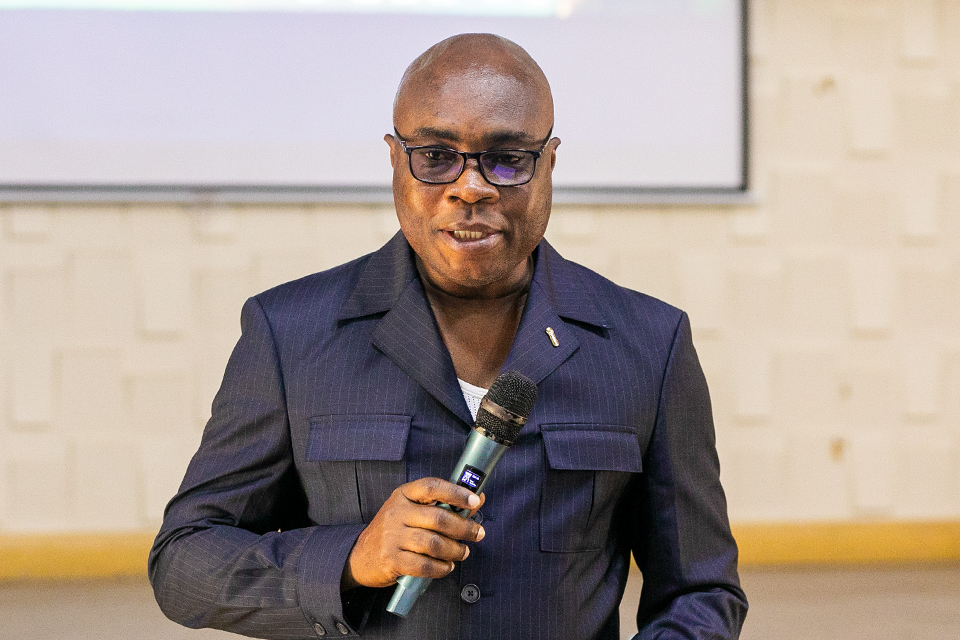
Prof. Stephen Jobson Mitchual, the Vice-Chancellor, underscored the indispensable role of research in defining the relevance and credibility of universities. He stated that institutions that fail to prioritise research cannot fully fulfil their mandate as universities. According to him, global development and technological breakthroughs are driven by academic and research institutions that transform ideas into impactful solutions.
Prof. Mitchual emphasised that UEW must rise above its traditional strengths in teaching to become a leading research-intensive institution known for producing innovative solutions to societal challenges. He explained that modern universities are judged not by student numbers alone but by the impact of their research, grant income and innovation outputs. He therefore encouraged lecturers, researchers and students to develop a strong research culture, engage in continuous grantsmanship training and pursue interdisciplinary collaborations.
The Vice-Chancellor further noted that UEW’s Strategic Plan (2025–2030) prioritises targeted investments in early-career researchers, research infrastructure and cross-disciplinary partnerships. He expressed confidence that the seminar would empower participants to develop competitive research proposals, improve grant acquisition rates and strengthen the University’s global visibility and reputation.
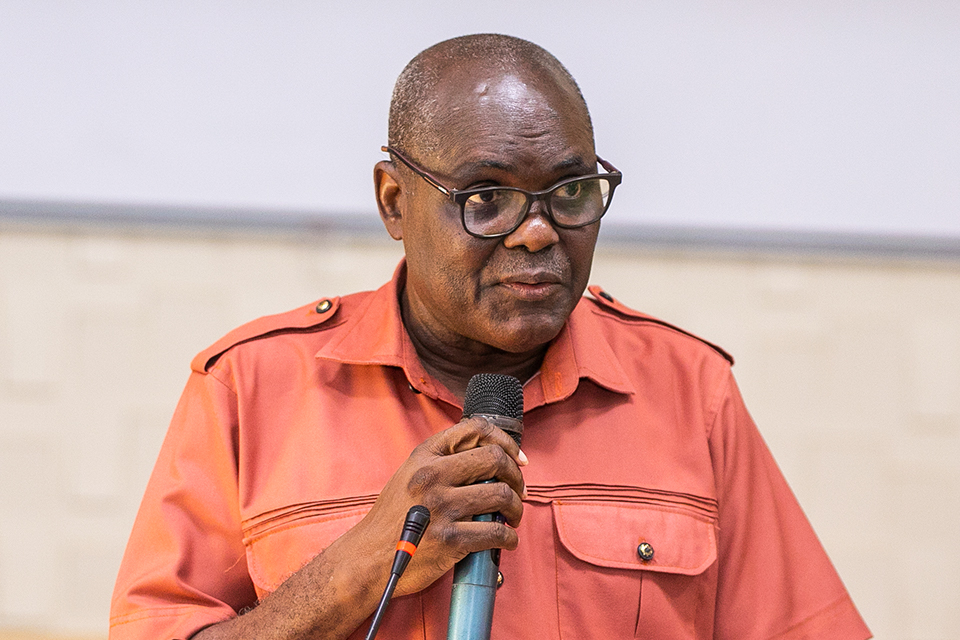
Delivering the welcome address on behalf of the Registrar, Mr. Steve van Kamassah, Deputy Registrar of the Division of Publications and Communication, emphasised that universities must go beyond transmitting knowledge to actively generate new knowledge and transform it into tangible societal value. He described the seminar as a “strategic intervention” to strengthen research capacity, enhance grant acquisition and promote innovation commercialisation across the University.
Mr. Kamassah noted that research remains the engine of academic relevance and institutional prestige. He urged faculty and researchers to move from being consumers of global research to contributors who generate solutions to real-world problems.
He stressed that grantsmanship is not merely about securing funding but about building strategic partnerships, presenting compelling research ideas and positioning the University to compete globally. He further highlighted management’s commitment to reviewing research policies, reducing bureaucratic bottlenecks and creating incentives that reward innovation and productivity.
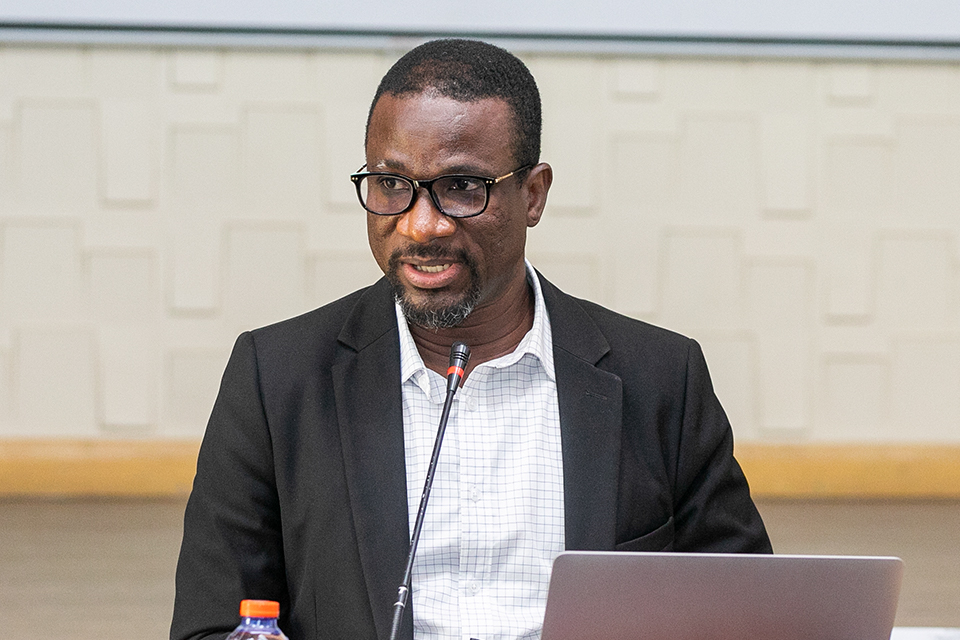
Providing expert insight during the seminar, Prof. David Teye Doku, Director of the Directorate of Research, Innovation and Consultancy at the University of Cape Coast, highlighted the critical relationship between research, teaching and community service. He explained that research informs teaching and contributes to evidence-based solutions that benefit society.
Prof. Doku challenged participants to prioritise research productivity and publication quality, noting that universities must intentionally develop researcher capacity, support early-career academics and strengthen multidisciplinary research collaborations. He stressed that grant acquisition is essential for institutional growth as it provides funding, enhances institutional reputation and attracts high-quality talent.
He also underscored the importance of credible research publications and warned against predatory publishing practices, urging academics to ensure their works undergo rigorous peer review to maintain credibility and global recognition. He emphasised that strong research output and effective grant management systems are key indicators of institutional excellence.
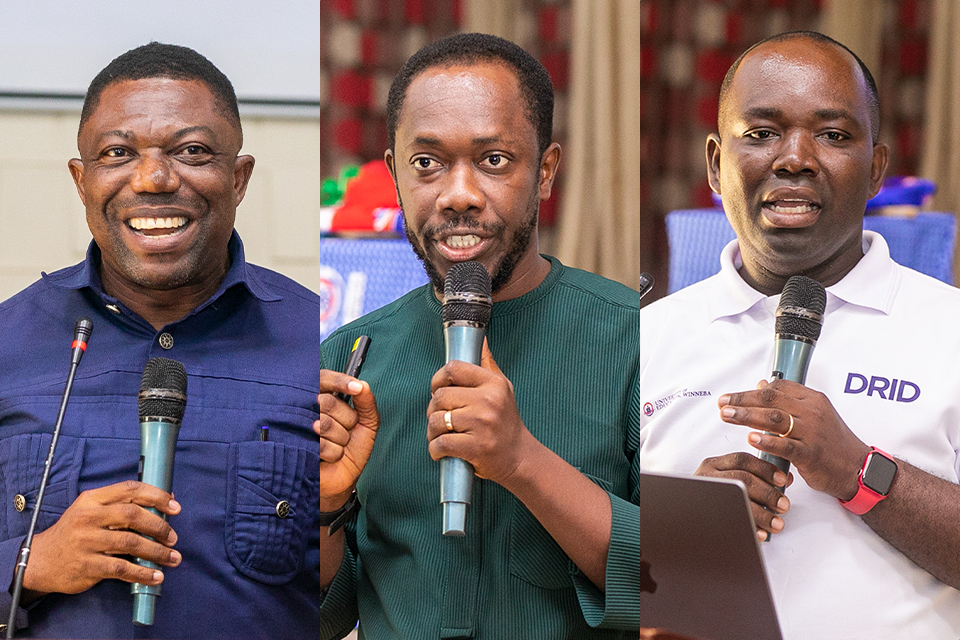
Prof. Enoch F. Sam, reinforced the importance of building sustainable research ecosystems and fostering innovation-driven development. They encouraged participants to embrace innovation and commercialisation, engage industry partners and translate academic research into practical solutions that address societal and economic needs.
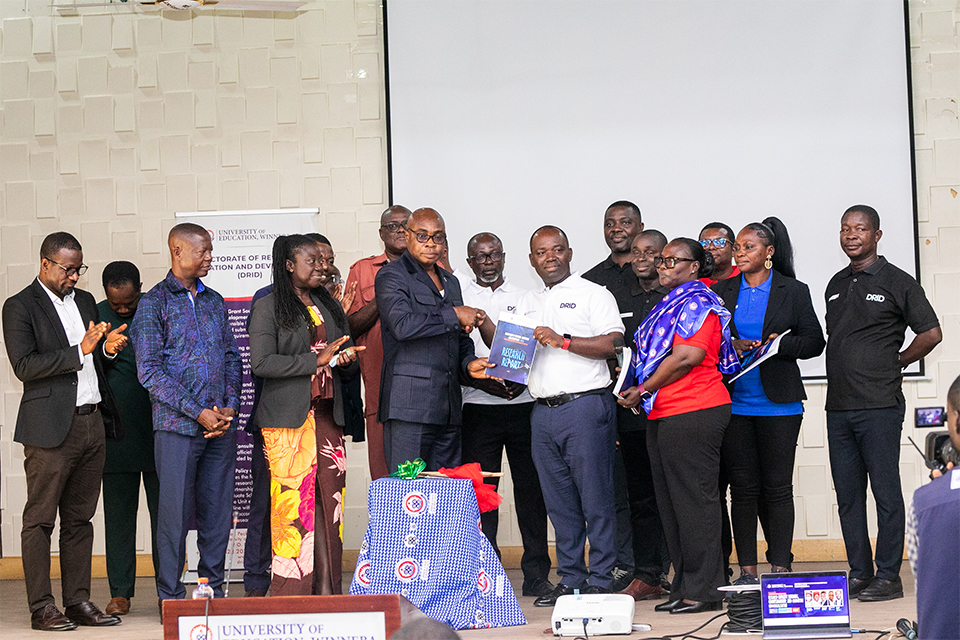
The seminar, organised by DRID in collaboration with the Division of Human Resource, forms part of UEW’s broader strategy to strengthen research capacity and enhance its position as a globally competitive institution. The occasion was also used to launch the inaugural edition of the UEW Research Report.
Participants expressed appreciation for the seminar, describing it as timely and transformative. Many noted that the training provided valuable insights into grant writing, research visibility and innovation commercialisation which will contribute significantly to their academic and professional growth.
The initiative reflects UEW’s commitment to its core mandate of teaching, research and community service. By strengthening research capacity and promoting innovation, the University continues to position itself as a leading institution dedicated to generating knowledge, advancing national development and contributing to global academic excellence.