UEW and UNESCO Launch MIL Adaption Project for Teachers


Eight scholars from the University of Education, Winneba (UEW) have launched an initiative aimed at integrating Media and Information Literacy (MIL) into Ghana’s teacher education system.
The project, supported by a UNESCO Ghana grant, seeks to adapt and implement the UNESCO MIL Curriculum to equip trainee teachers with the competencies needed to navigate the increasingly complex digital information landscape.
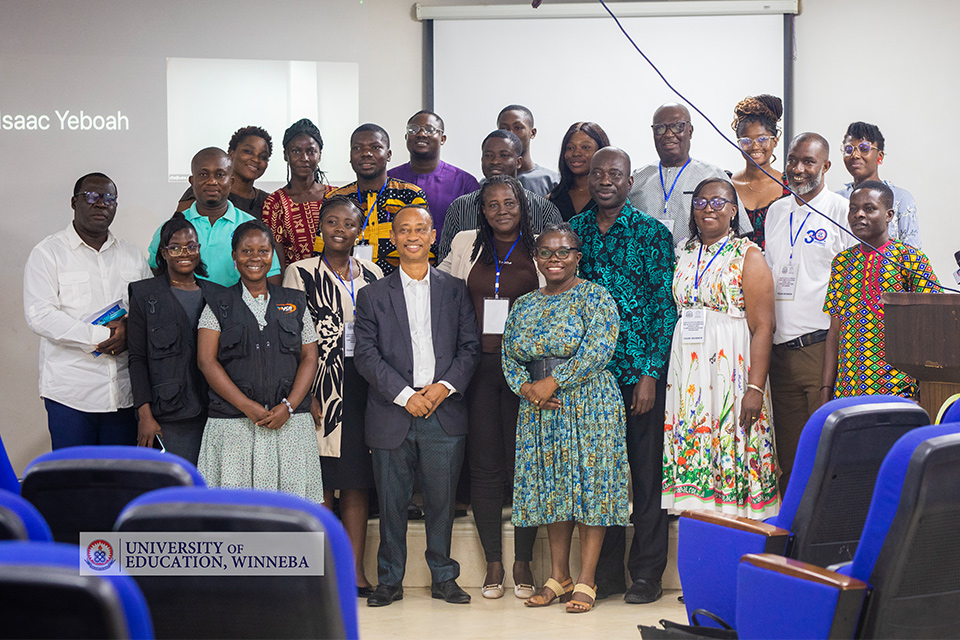
The project’s inception workshop was held on Tuesday, 21st October, 2025, at the Students Centre Seminar Room III of UEW with participation from key education stakeholders including representatives from the Ministry of Education (MoE), National Council for Curriculum and Assessment (NaCCA), Ghana Education Service (GES), UNESCO Accra Office and teachers from various schools. The hybrid event, which was also streamed via Zoom, marked a major step towards embedding critical digital and media literacy skills into teacher training curricula across Ghana.
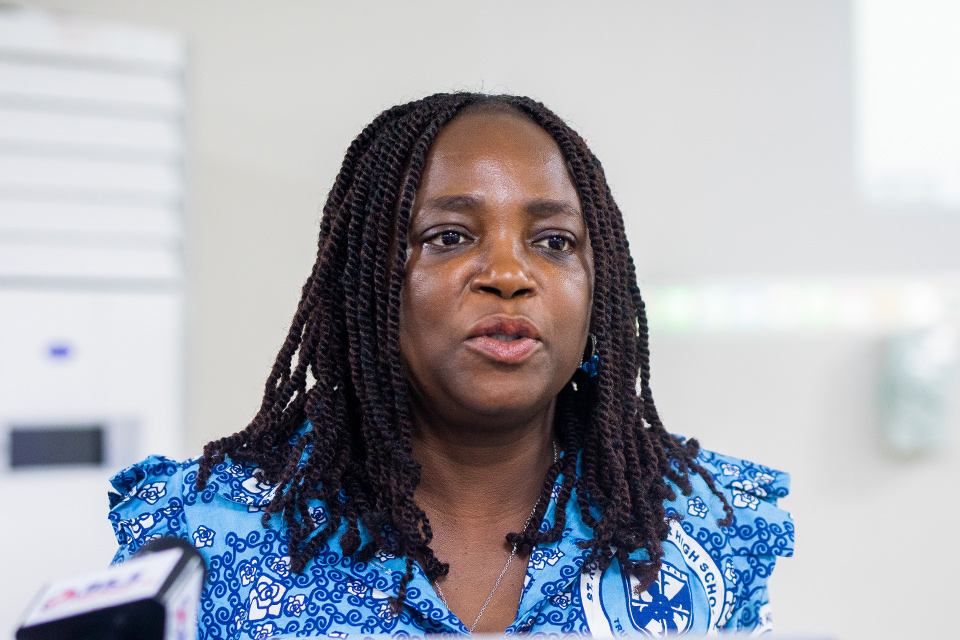
In her opening remarks, Prof. Esther Yeboah Danso-Wiredu, Pro-Vice-Chancellor of UEW and a member of the MIL Adaptation Project Team, commended UNESCO for partnering with UEW on such a transformative initiative. She emphasised the University’s commitment to advancing national educational development through impactful projects and noted that UEW’s role as Ghana’s premier teacher education institution positioned it as a powerful vehicle for national change.
“This is one of the projects UEW is undertaking with UNESCO as part of our efforts to deepen collaboration. We have assured UNESCO that any project they collaborate on with us will have a wide reach because UEW is the only university in West Africa solely mandated to train teachers from basic to tertiary levels. If you interview ten Ghanaian teachers, about eight will tell you they passed through UEW. That means projects carried out here have a national impact,” she stated.
Prof. Esther Danso-Wiredu further noted that communication remains central to all educational endeavours, stressing the importance of responsible information sharing in an era where digital misinformation spreads rapidly. She reaffirmed management’s full support for the project’s successful implementation.
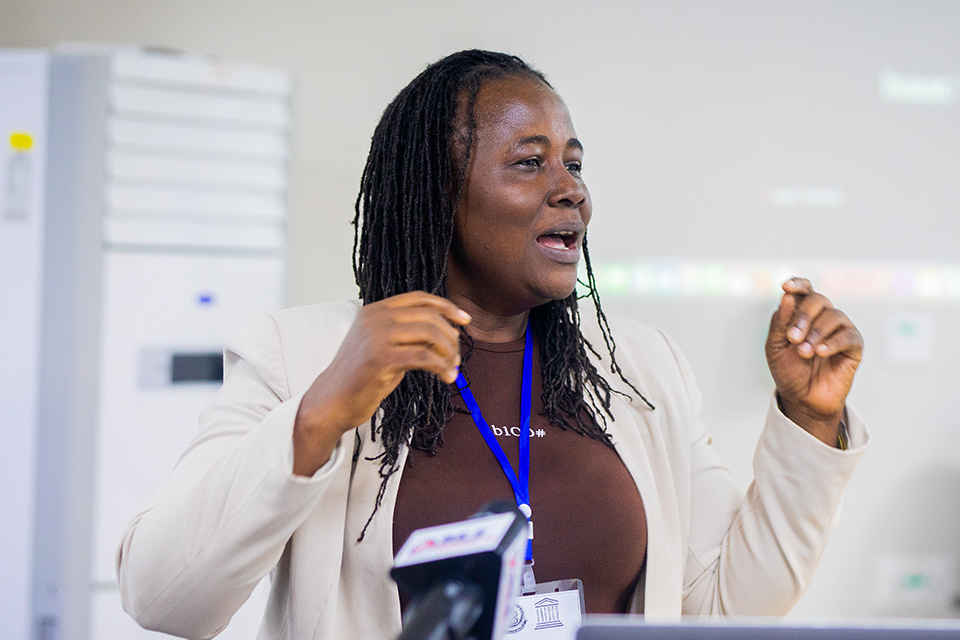
Leading the project, Prof. Gifty Appiah-Adjei explained that the initiative responds to the growing challenge of “information disorder” caused by misinformation, disinformation and mal-information in the digital era. She observed that the widespread use of digital devices among Ghanaian students has exposed them to vast quantities of both credible and misleading information, making the need for Media and Information Literacy urgent.
“This project seeks to integrate Media and Information Literacy into teacher education as a strategic response to the problem of information disorder. By equipping trainee teachers with the knowledge to critically assess and responsibly produce information, we not only protect young people from online harm but also foster responsible digital citizenship,” she said.
Prof. Gifty Appiah-Adjei outlined the project’s expected outcomes including the development of a Ghana-specific version of the UNESCO MIL Curriculum, enhanced institutional and faculty capacity and pilot implementation in selected teacher education programmes. She stressed that the ultimate goal is to produce digitally literate students capable of consuming media critically and producing content responsibly.
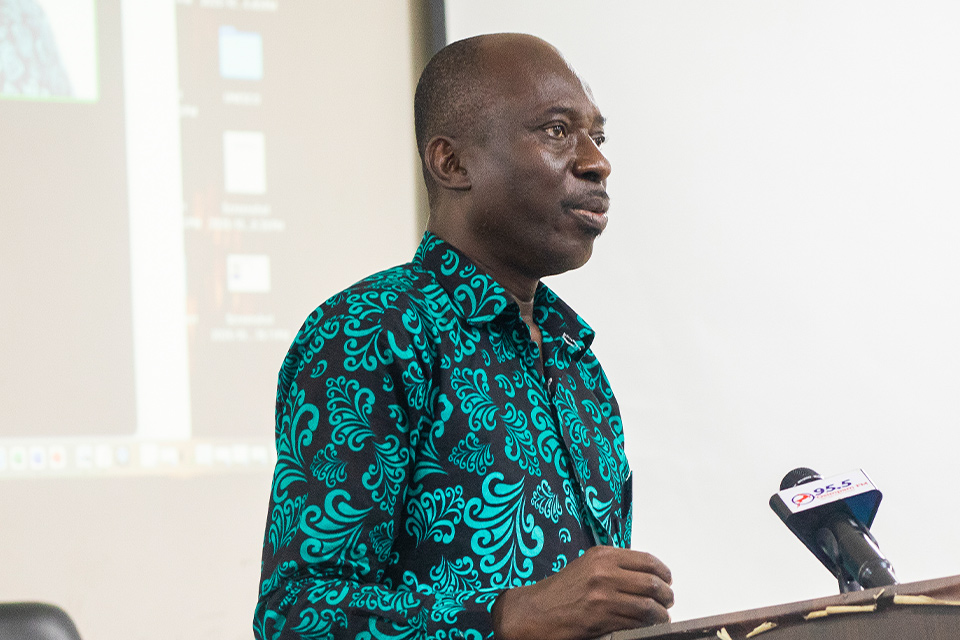
Representing NaCCA, Mr. Reginald George Quartey, Director for Curriculum, applauded UEW’s leadership in initiating a dialogue on media and information literacy. He underscored the Council’s readiness to collaborate with UEW to promote media literacy across all subjects rather than treating it as a standalone discipline.
“Media and Information Literacy is not a single concept but a fusion of several competencies — information literacy, media literacy and digital literacy — all aimed at empowering citizens to ‘think critically and click wisely,’ as UNESCO puts it. In an era of misinformation and disinformation, students must be able to navigate complex information environments safely. This competency lays the foundation for lifelong learning and active citizenship,” he noted.
Mr. Quartey highlighted how NaCCA has already embedded elements of media literacy in various subjects within the basic and secondary school curricula and called for collective efforts from universities, government agencies and civil society organisations to sustain such innovations.
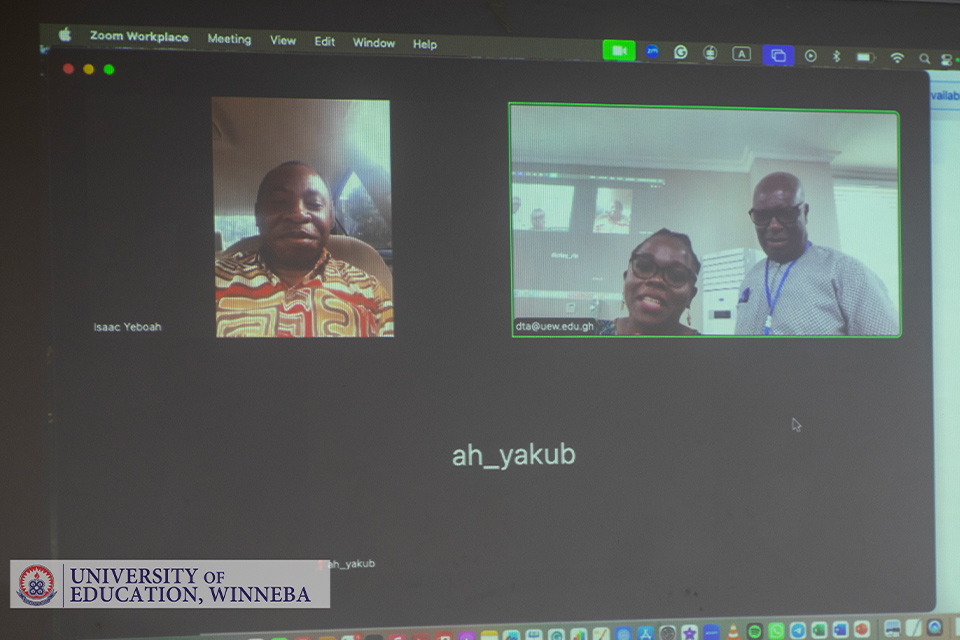
Representing GES, Mr. Isaac Yeboah, Differentiated Learning Coordinator at the GES Headquarters, emphasised that integrating MIL into teacher education aligns perfectly with Ghana’s broader education transformation agenda. “As we navigate rapid technological change and the proliferation of online information, we must equip our students and teachers with the skills needed to think critically, evaluate information and communicate responsibly,” he stated.
Mr. Yeboah noted that the GES is already implementing digital and differentiated learning programmes to enhance foundational skills and that the UEW–UNESCO collaboration adds a vital layer by building teachers’ capacity in responsible media engagement. He assured the University of GES’s commitment to supporting the initiative’s rollout nationwide.
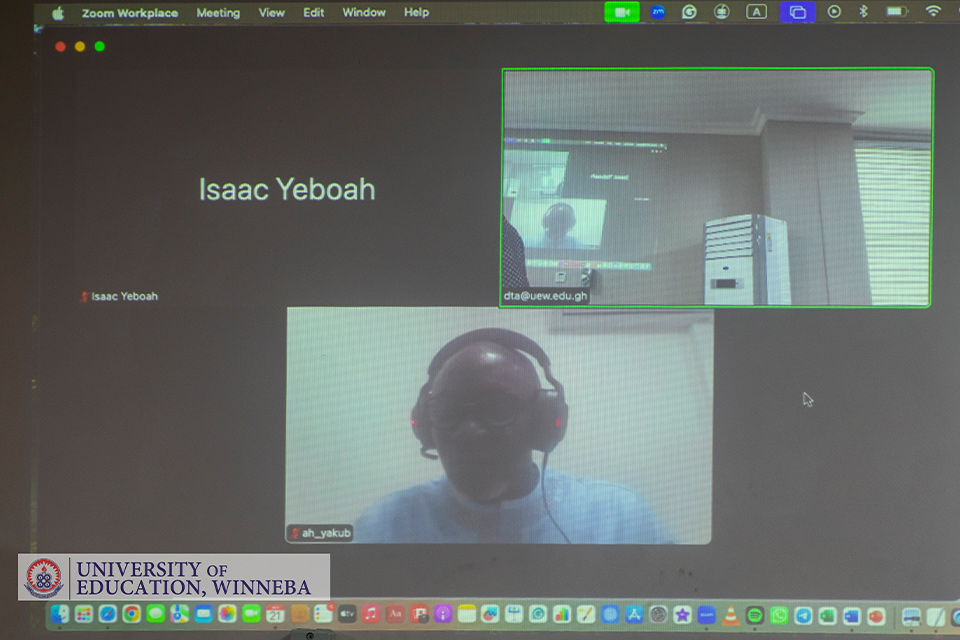
Delivering remarks on behalf of the Head of the UNESCO Ghana Office, Mr. Abdul Hamid Yakub, National Programme Officer at the Communication and Information Sector, commended UEW for championing this cause. He reiterated that the project aligns with UNESCO’s mandate to promote freedom of expression and the free flow of ideas as enshrined in Article 19 of the Universal Declaration of Human Rights.
“The Media and Information Literacy initiative lies at the heart of these freedoms. While digital technologies facilitate communication and knowledge sharing, they also create vulnerabilities such as misinformation, polarisation and loss of public trust,” he explained.
Mr. Yakub outlined UNESCO’s five key competencies of MIL — understanding the role of information and media in sustainable development, evaluating content critically, appreciating cultural contexts, applying ethical standards and promoting literacy across communities — urging UEW to integrate these principles into teacher certification and lifelong learning programmes.
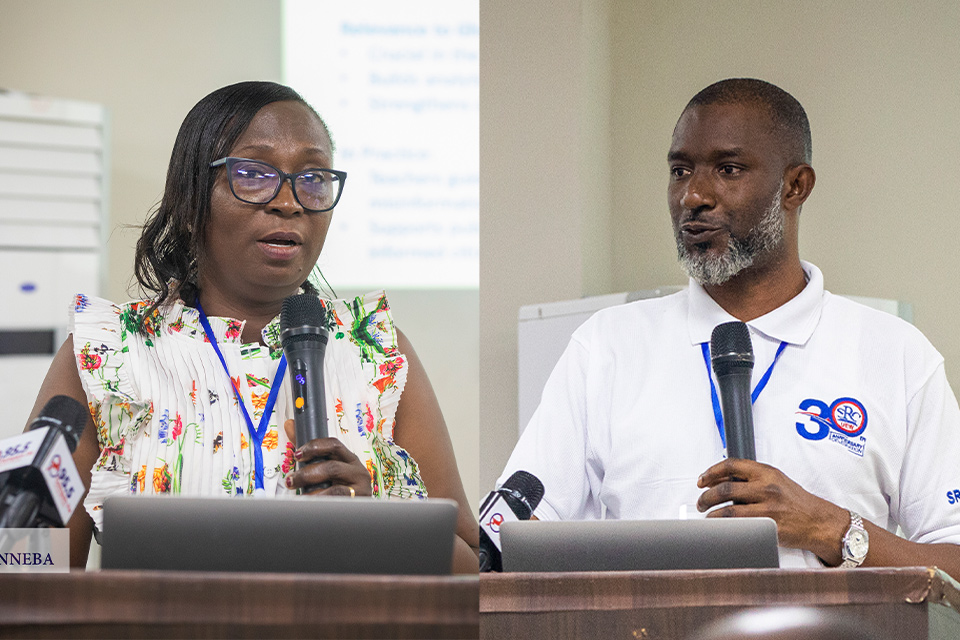
Prof. Emma Sarah Eshun and Mr. Samuel Krow Anim, members of the project team, delivered a joint presentation that explored the practical aspects of integrating MIL into the Ghanaian education system. Prof. Emma Eshun emphasised the importance of training teachers to evaluate information critically, especially in an age where artificial intelligence can generate convincing yet false content.
She proposed the establishment of Media and Information Literacy Clubs in schools to encourage fact-checking, storytelling and responsible content creation among learners. Mr. Anim, on his part, stressed the ethical use of information, advocating for digital empathy, data protection and civic responsibility in online interactions.
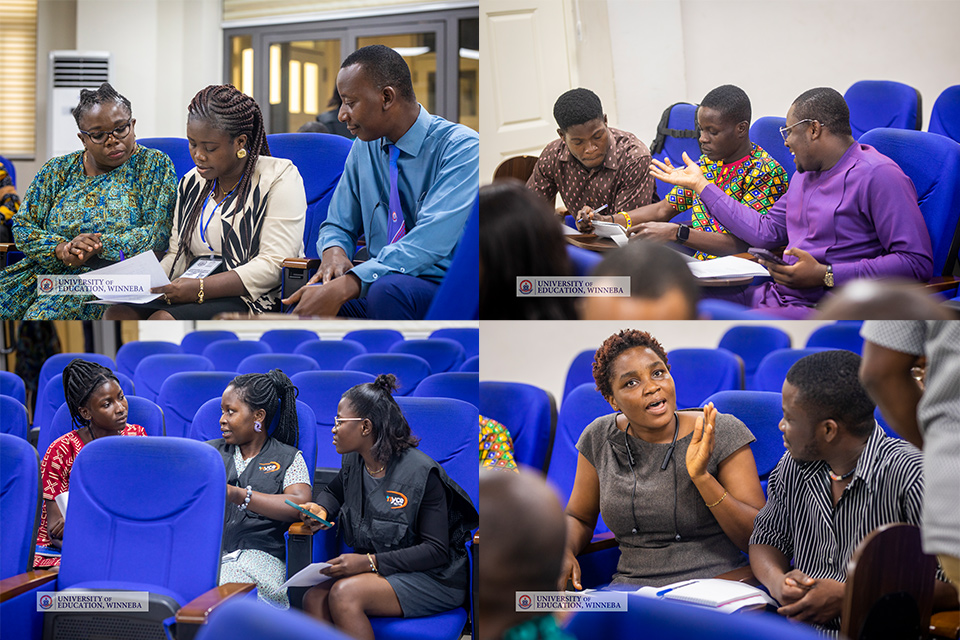
The project’s inception workshop ended with an interactive session where participants shared ideas on curriculum design, teacher training strategies and approaches to sustaining MIL initiatives across educational institutions.
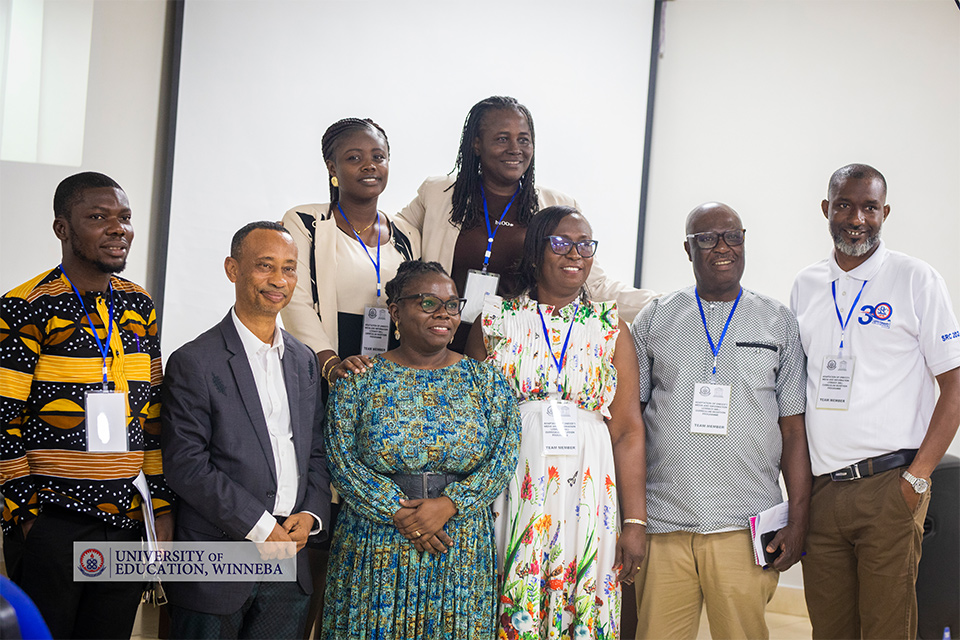
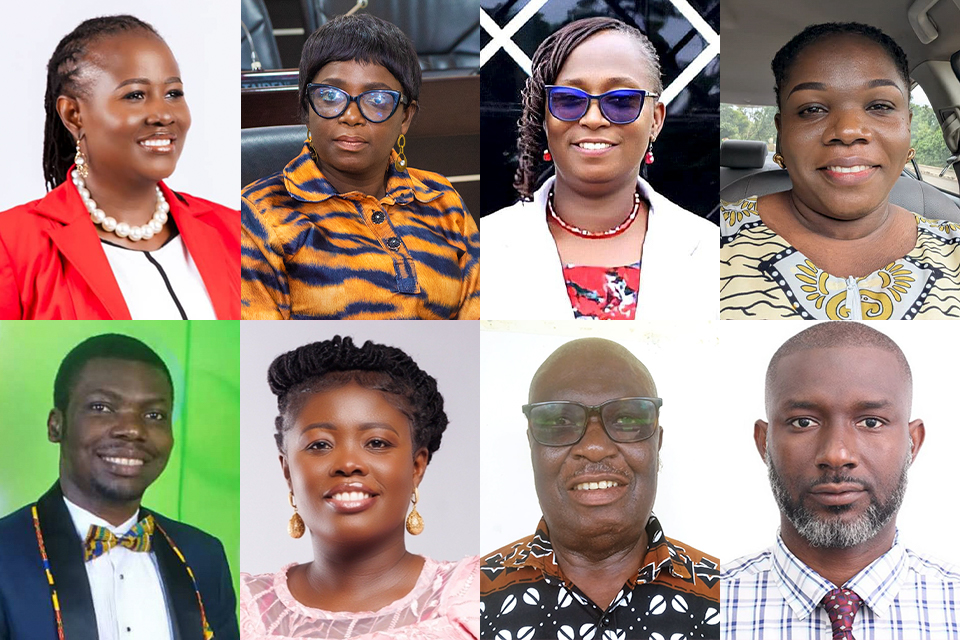
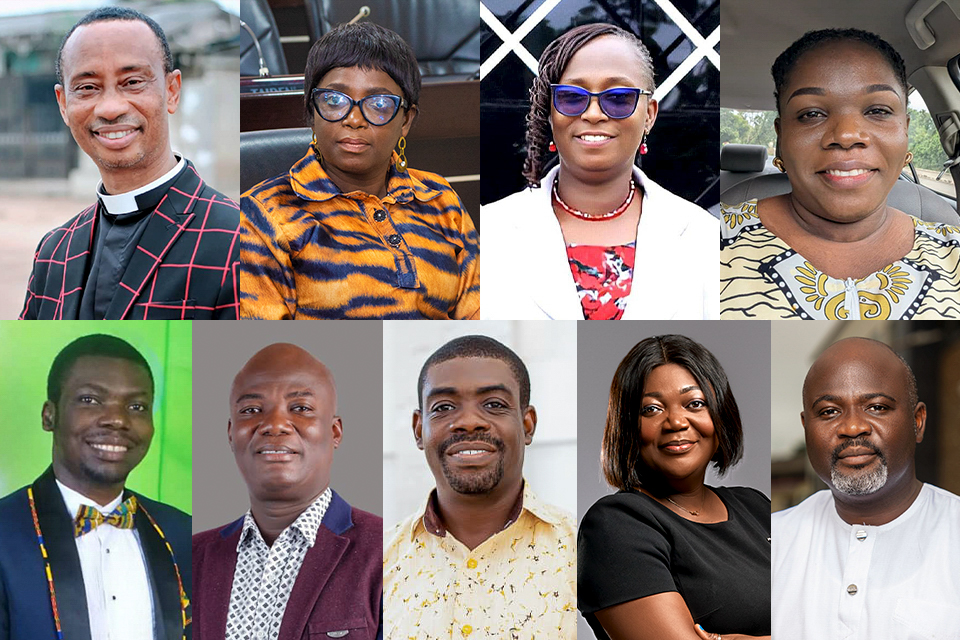
The MIL Adaptation Project Team comprises Prof. Gifty Appiah-Adjei (Lead), Dr. Latipher Appiah-Agyei (Coordinator), Prof. Esther Yeboah Danso-Wiredu, Prof. Emma Sarah Eshun, Dr. Gideon Ampofo, Dr. Shirley Dankwa, Mr. Samuel Krow Anim, and Mr. Cletus Kolog Ngaaso.
The initiative positions UEW at the forefront of efforts to advance responsible digital citizenship and strengthen Ghana’s teacher education curriculum for the 21st century