SGS-UEW Strengthens Research Integrity by Building Capacity for Ethical Review


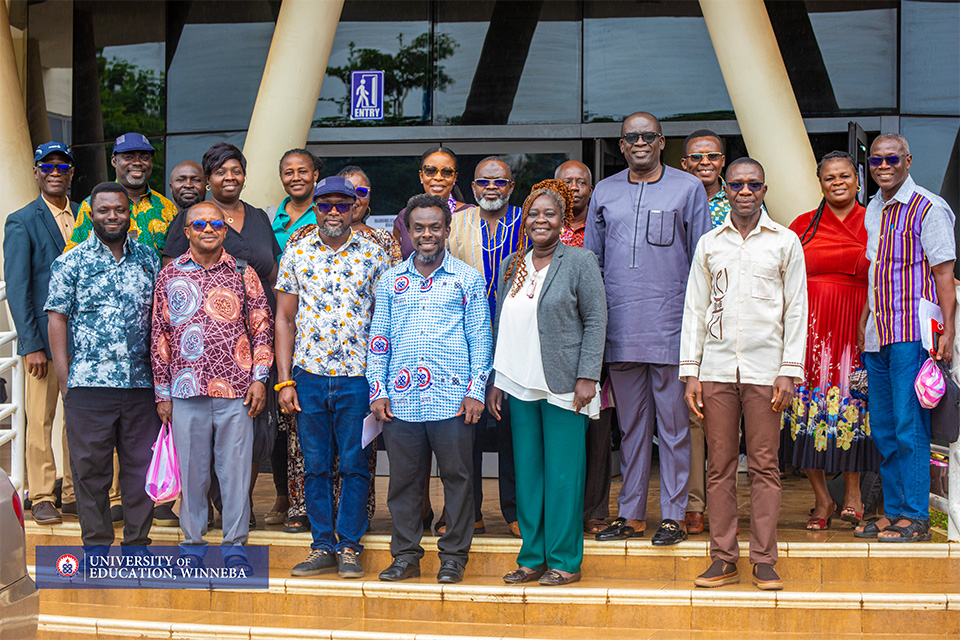
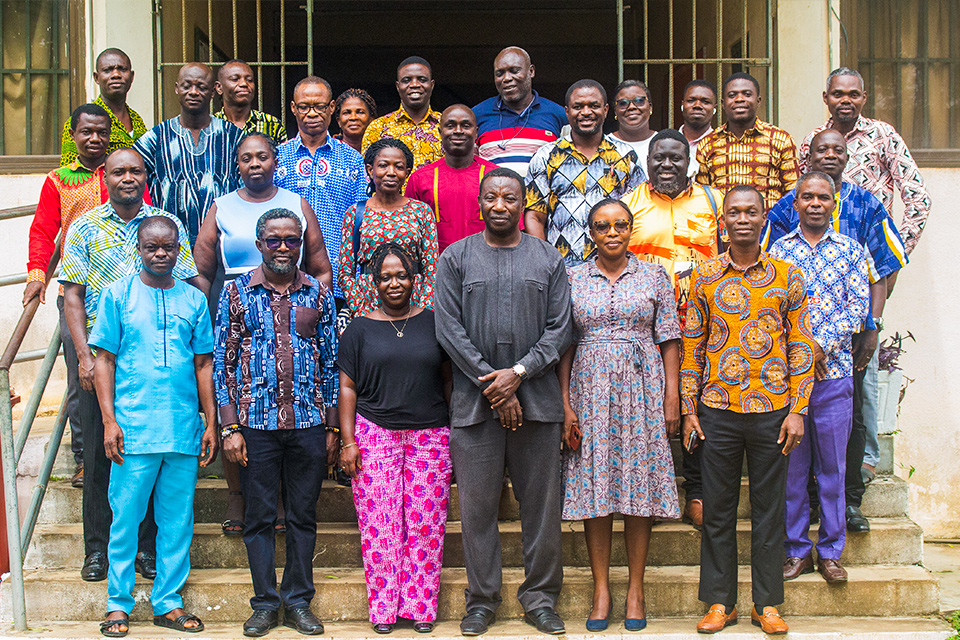
The University of Education, Winneba (UEW) has strengthened its commitment to research excellence and integrity by equipping members of its Institutional Ethical Review Board (IERB) and newly nominated reviewers with enhanced knowledge and skills to uphold ethical standards in research.
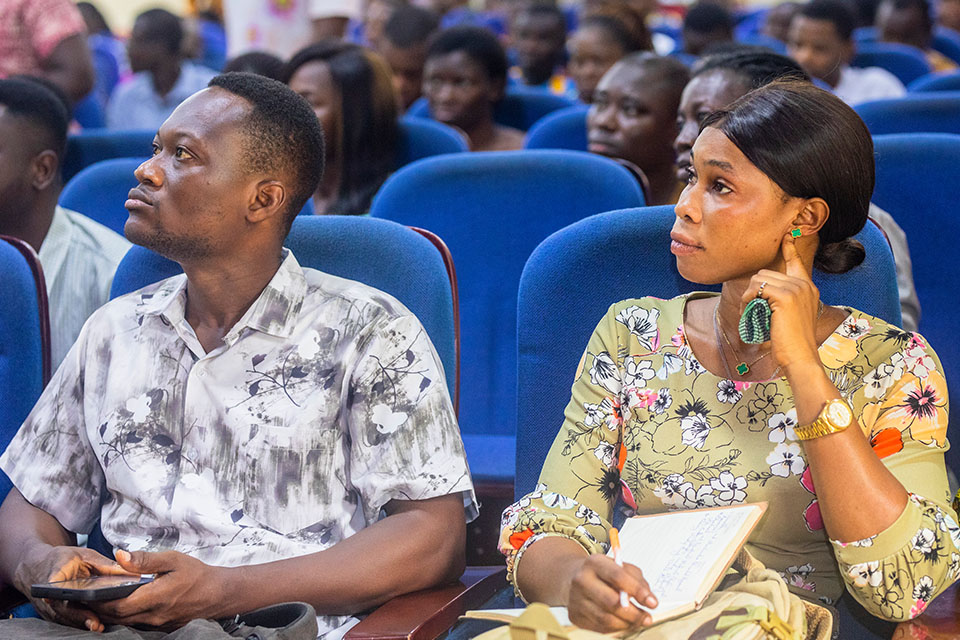
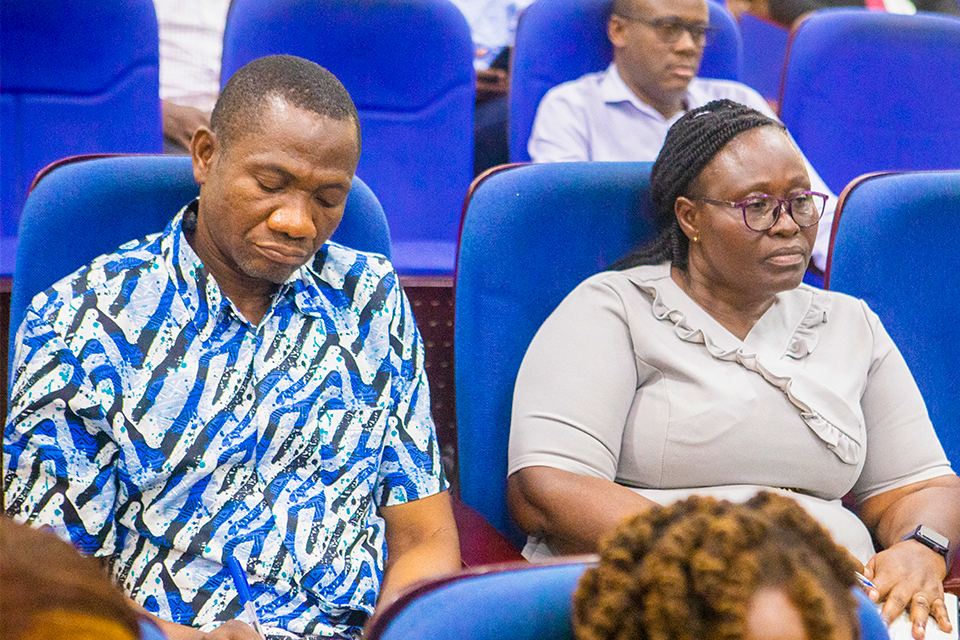
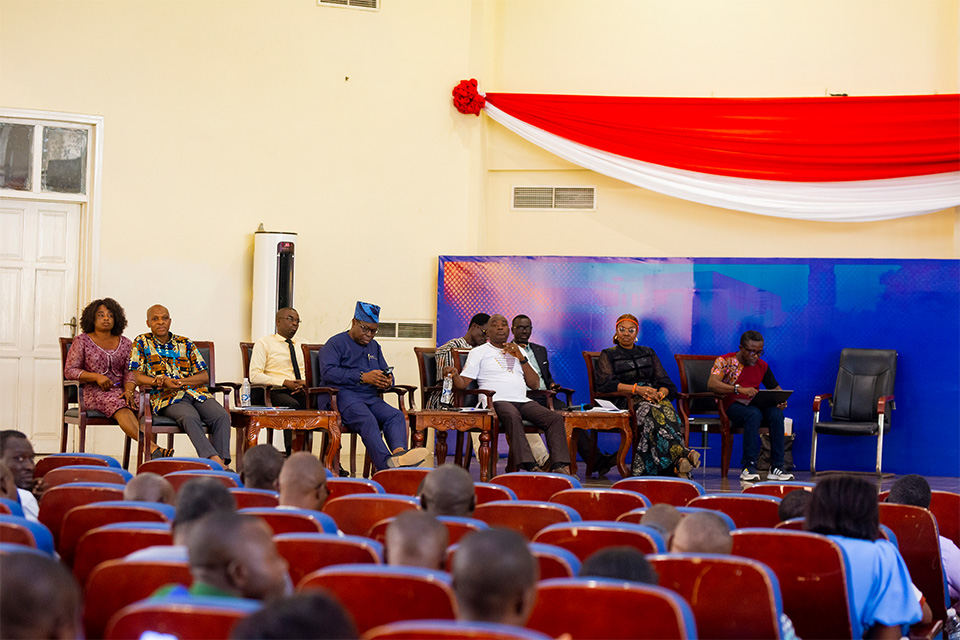
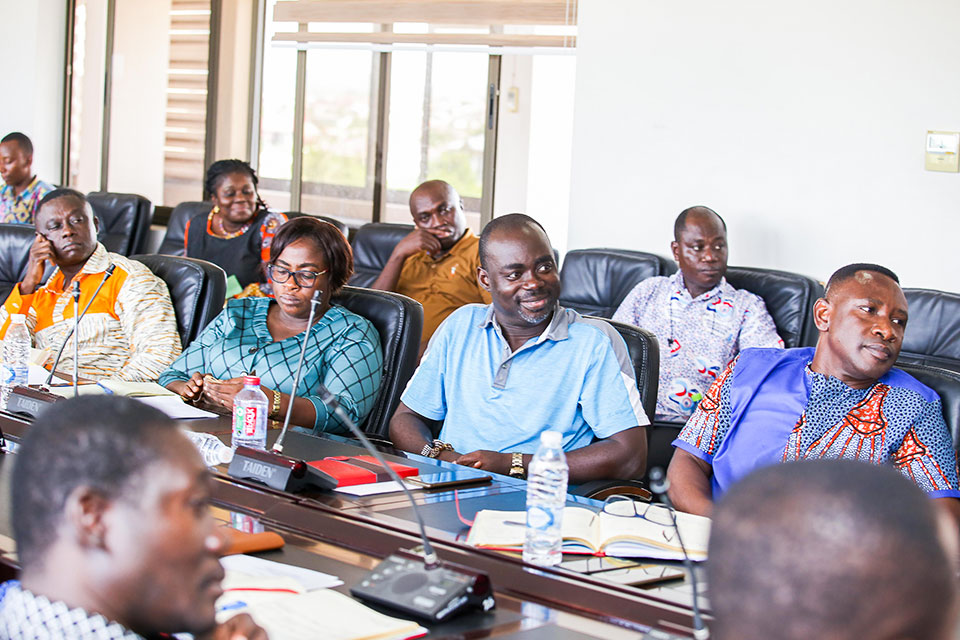
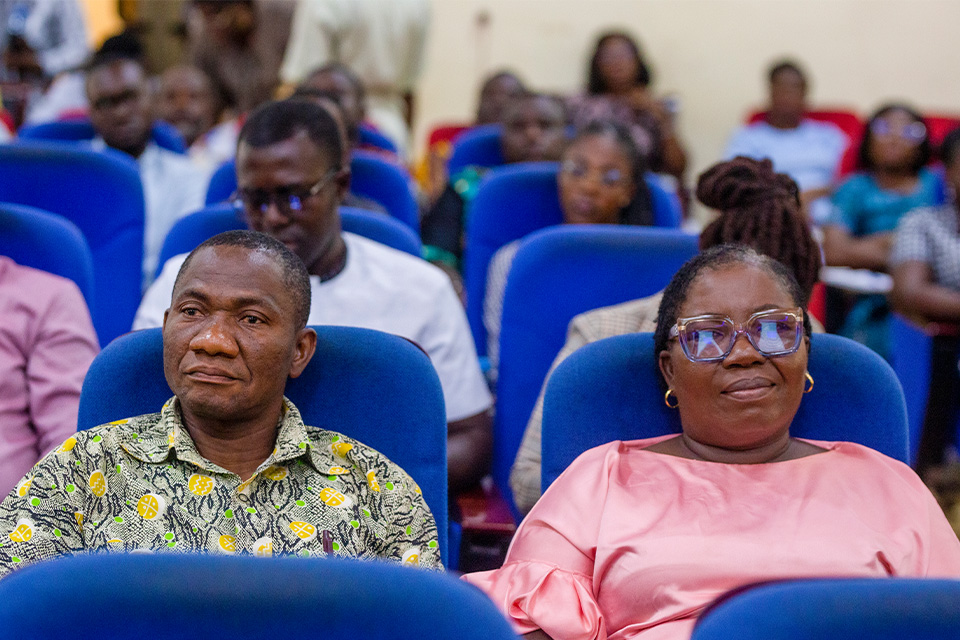
The orientation programme, organised by the School of Graduate Studies (SGS) at the Students Centre Seminar Room III on Thursday, 2nd July 2026, sought to strengthen the University's ethical review system and ensure that research conducted by staff, students and external collaborators meets internationally accepted ethical standards.

Prof. Akwasi Kwarteng Amoako-Gyampah, the Vice Dean of SGS, chaired the programme and described it as a significant step towards improving the quality, efficiency and responsiveness of ethical protocol reviews at the University.
He noted that the increasing volume of research at UEW demands a robust ethical review system capable of delivering timely, objective and high-quality assessments while protecting research participants and supporting researchers.
Prof. Amoako-Gyampah urged reviewers to discharge their responsibilities with professionalism, fairness and integrity. He stressed that ethical review should enhance research quality rather than create unnecessary obstacles. He added that the School of Graduate Studies would institutionalise continuous ethics training to keep reviewers abreast of emerging issues and best practices in research governance.
He expressed appreciation to participants for their commitment. He noted that their contribution would strengthen the University's research ecosystem and enhance the credibility of its scholarly outputs.
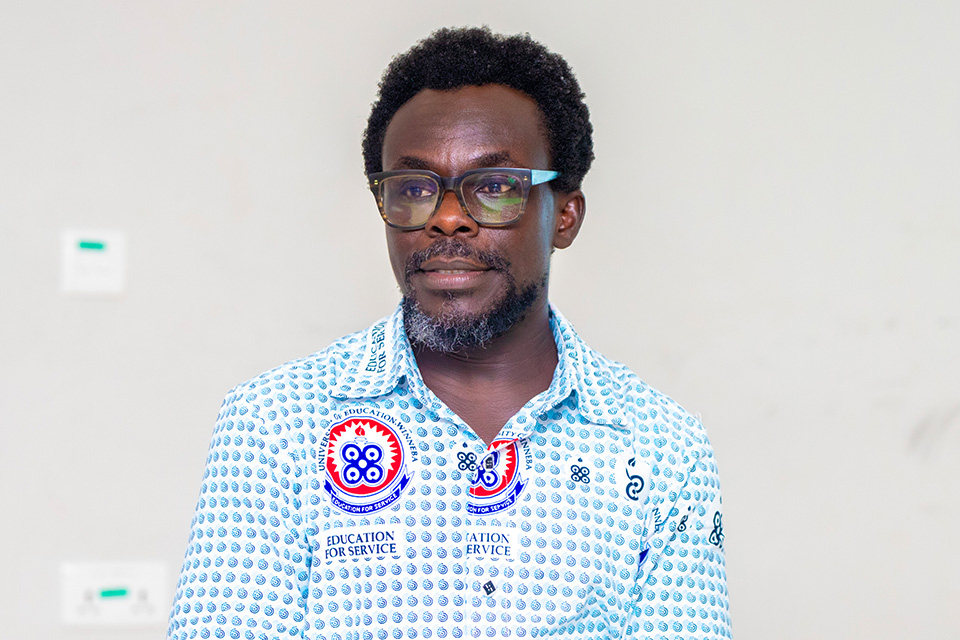
The Resource Person, Dr. Yaw Asamoah of the Department of Geography Education, guided participants through the ethical review process, focusing on reviewers' responsibilities, informed consent, data protection, research involving vulnerable populations and the preparation of clear, constructive review reports.
Dr. Asamoah emphasised that ethical review requires specialised knowledge beyond disciplinary expertise and underscored the critical role of continuous capacity building in maintaining high standards of research governance.
"Research ethics is no longer optional in contemporary scholarship. High-quality research must be conducted within established ethical frameworks and reviewers have a responsibility to ensure that these standards are upheld," he said.
He further noted that a strong ethical review system protects the University's reputation, strengthens public confidence in its research and enhances its standing within the global academic community.
The orientation reinforced UEW's commitment to promoting responsible research practices and building a culture of integrity, accountability and excellence through a credible and effective ethical review system.