UEW, H2 University Deepen Intercultural Dialogue on Children’s Participation


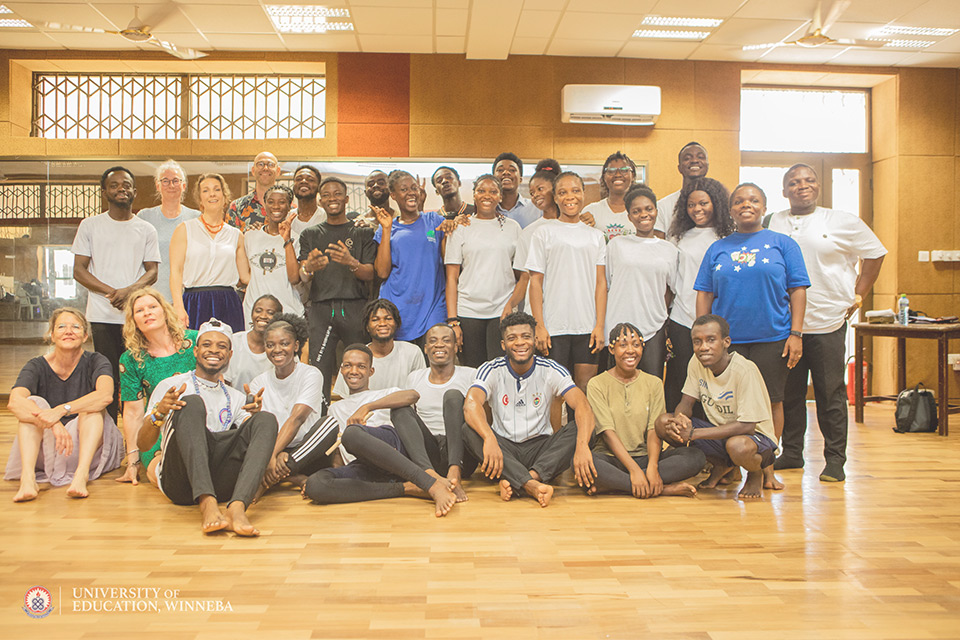
The University of Education, Winneba (UEW) in partnership with Germany’s Hochschule Magdeburg-Stendal (H2) has launched a joint academic initiative bringing together students and scholars from both institutions to examine children’s rights, societal participation and the role of play in relation to the environment.
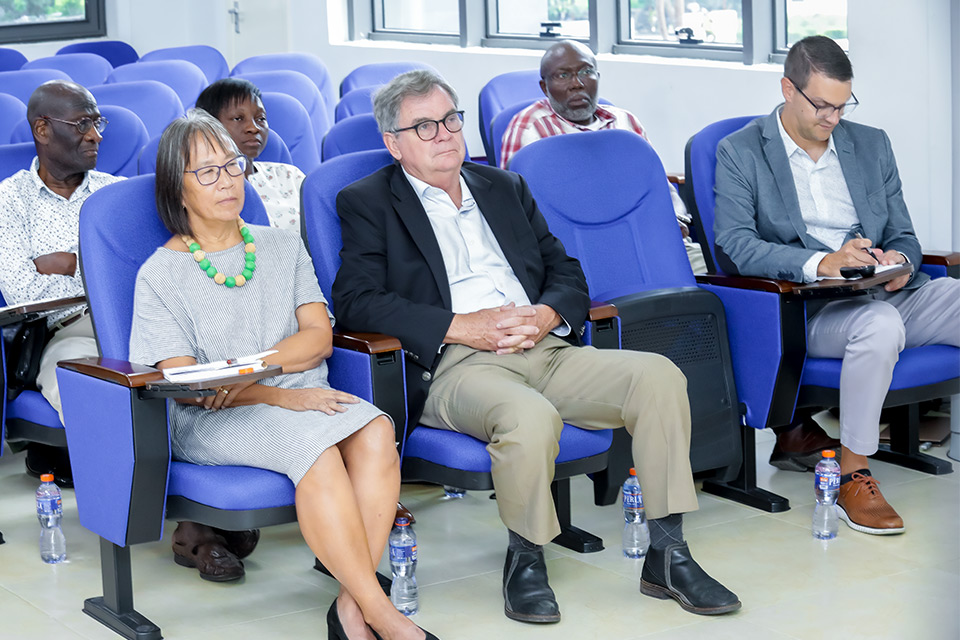
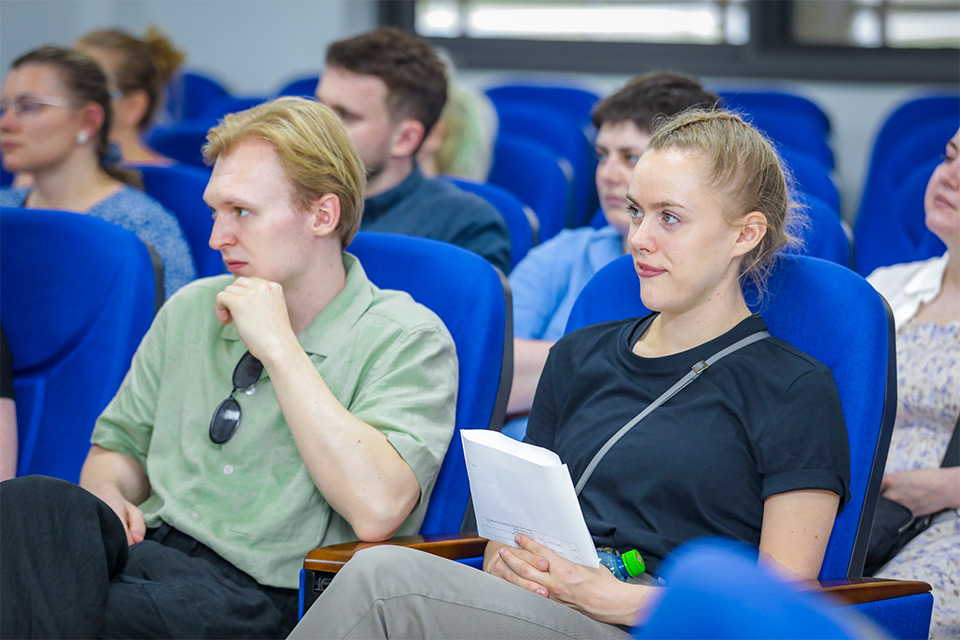
The engagement, held from Saturday, 22nd August to Saturday, 5th September, 2026, at the Students Centre, North Campus, UEW, forms part of a Summer Vacation Workshop on the theme, “Children’s Participation in Society: An Intercultural Encounter.”
The workshop provided a platform for participants to examine how cultural and social contexts influence childhood while comparing Ghanaian and German approaches to child-upbringing, education, discipline, independence, play and community life.

Welcoming the German delegation, Prof. Esther Yeboah Danso-Wiredu, the Pro-Vice-Chancellor of UEW, on behalf of Management, described international partnerships as important avenues for knowledge exchange and institutional development.
She encouraged participants to make meaningful use of the engagement and their stay in Ghana, urging the German delegation to share their experiences of UEW with others. She also expressed the hope that similar opportunities would enable more Ghanaian students and academics to visit partner institutions in Germany.

Speaking on child rights protection, Prof. Harrison K. Golo of the Centre for Conflict, Human Rights and Peace Studies and Vice-Dean of the Centre for International Programmes, challenged participants to rethink conventional notions of childhood. He argued that childhood is fundamentally shaped by a complex interplay of age, cultural expectations, family structures, social status and evolving responsibilities.
He noted that in some African communities, children may assume adult-like responsibilities at an early age. This makes the experience of childhood significantly different from one cultural setting to another.
Prof. Golo stressed the need for stronger protection of children against abuse, exploitation, neglect and discrimination. He emphasised education as a fundamental right that should not be denied because of circumstances created by families or institutions.
He advocated for a paradigm shift from punitive physical punishment towards constructive disciplinary methods rooted in communication, mutual understanding and positive correction. He underscored the importance of giving children opportunities to express their views and participate in decisions affecting their lives while ensuring they grow in safe and supportive environments.

Contributing to the discussions, Prof. Angret Zierenberg highlighted the critical role of play in childhood development, describing it as more than entertainment.
She explained that play contributes to children’s physical, emotional, social and cognitive development while strengthening creativity, problem-solving, self-regulation, social relationships and resilience.
Prof. Angret Zierenberg expressed concern about the growing pressures on contemporary children, including academic demands, highly structured extracurricular activities and limited opportunities for free play. She therefore called on parents and teachers to create environments that allow children to explore, discover and learn through play.

Dr. Vivian Acquaye, Vice-Dean of Student Affairs, who examined the concept of ecological childhood, broadened the discussion to the relationship between children and their surrounding environments. She explained that child development is shaped by an interconnected ecosystem of spaces including the home, school, community, spiritual environments, digital landscapes and the natural world.
Dr. Vivian Acquaye advocated nurturing children’s awareness of and responsibility towards nature. She noted that helping them understand their relationship with trees, rivers, animals and other elements of the environment could foster lifelong commitment to environmental protection.

The intercultural exchanges enabled participants to reflect on similarities and differences in Ghanaian and German approaches to childhood and consider how experiences from both contexts could contribute to practices that promote children’s wellbeing, participation and agency.
The collaboration further demonstrates UEW’s commitment to using international partnerships to create opportunities for students and academics to exchange knowledge and engage with contemporary educational and social issues from diverse cultural perspectives.