UEW’s DSSE and CAS Equip Lecturers with Modern Assessment Design Skills


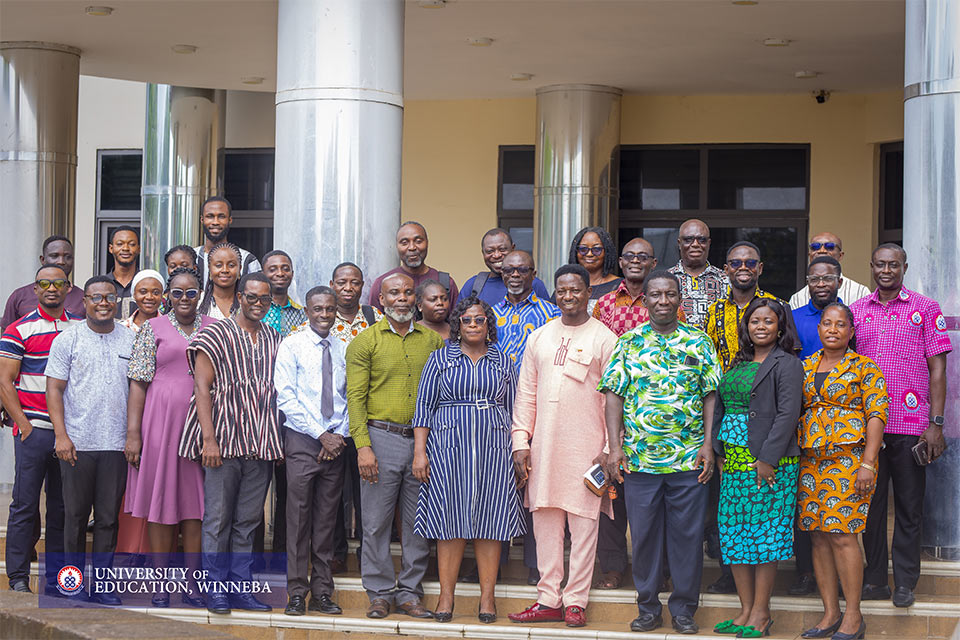
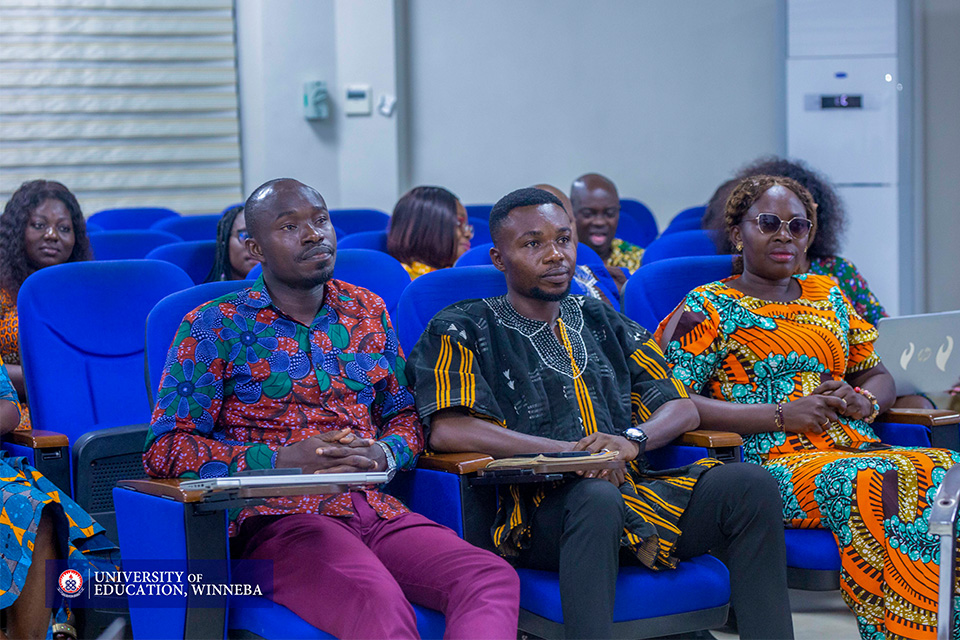
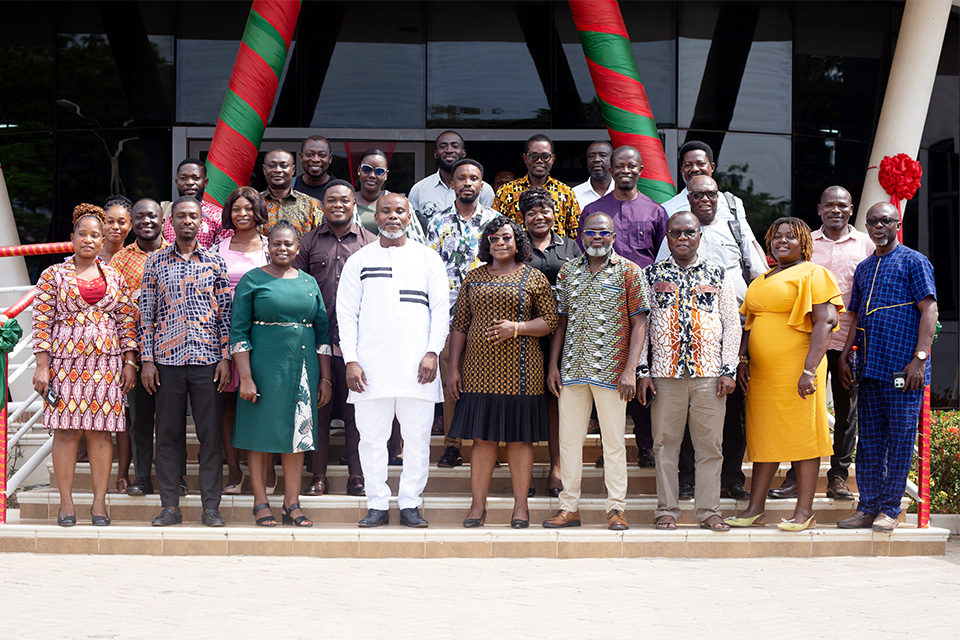
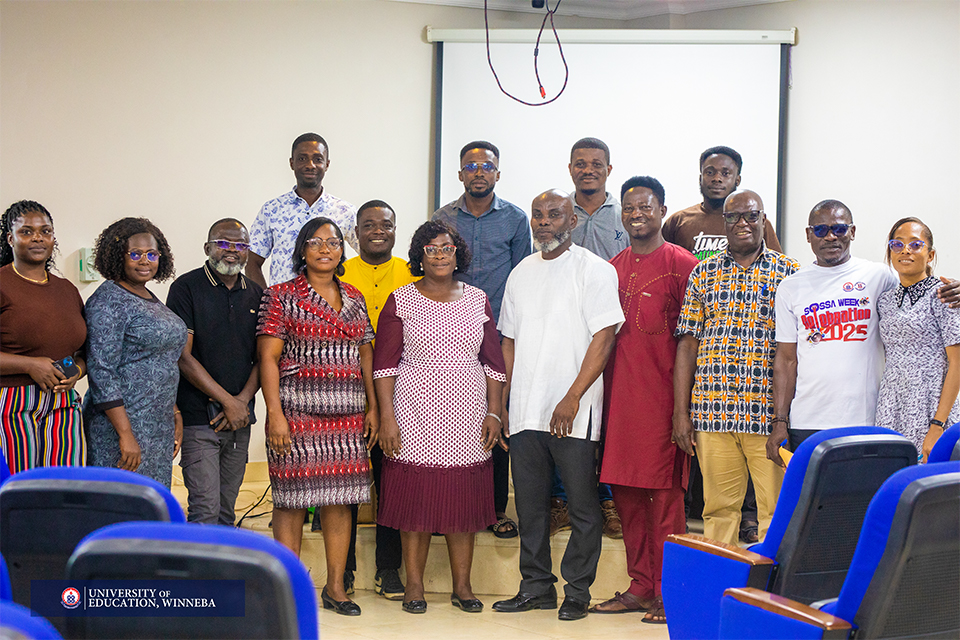
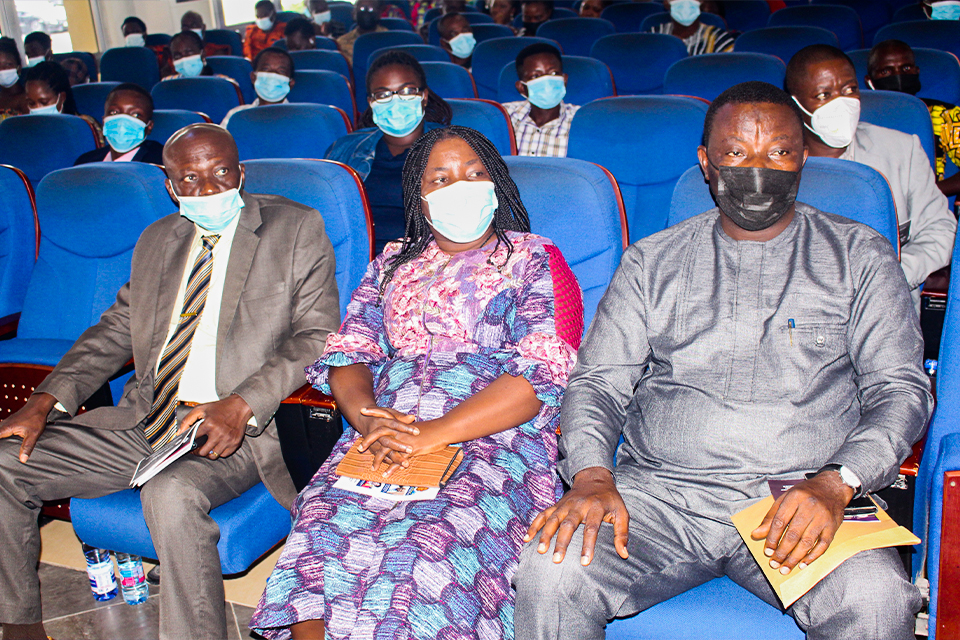
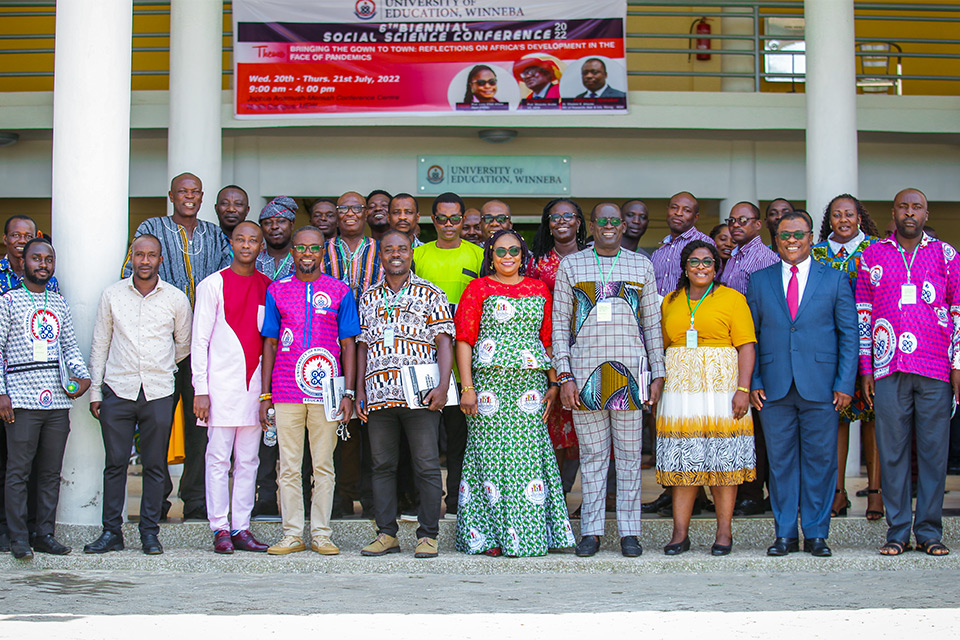
The Department of Social Studies Education (DSSE) in collaboration with the Centre for African Studies (CAS) has organised a workshop on assessment item construction to strengthen lecturers' capacity to design valid, fair and outcome-based assessments.
Held at the Students Centre Seminar Room II on Wednesday, 17th June, 2026, the workshop highlighted key areas including Principles of Quality Assessment and Test Blueprint Development, Construction of Multiple-Choice Questions (MCQs) for Undergraduate Assessment and Construction and Marking of Essay-Type Questions. The programme also featured practical exercises and discussions on sample assessment items.

Opening the workshop, Prof. Lucy Effeh Attom, the Dean of the Faculty of Liberal and Social Studies Education, underscored the critical role of assessment in measuring students' learning outcomes and maintaining academic standards. She noted that contemporary assessment practices have moved beyond rote memorisation to emphasise higher-order thinking skills such as analysis, synthesis and application.
Prof. Lucy Attom urged lecturers to continuously update their assessment skills to ensure examinations adequately reflect course objectives and effectively differentiate among varying levels of student performance. She stressed that the quality of graduates produced by the University is closely linked to the quality of assessments used in teaching and learning.
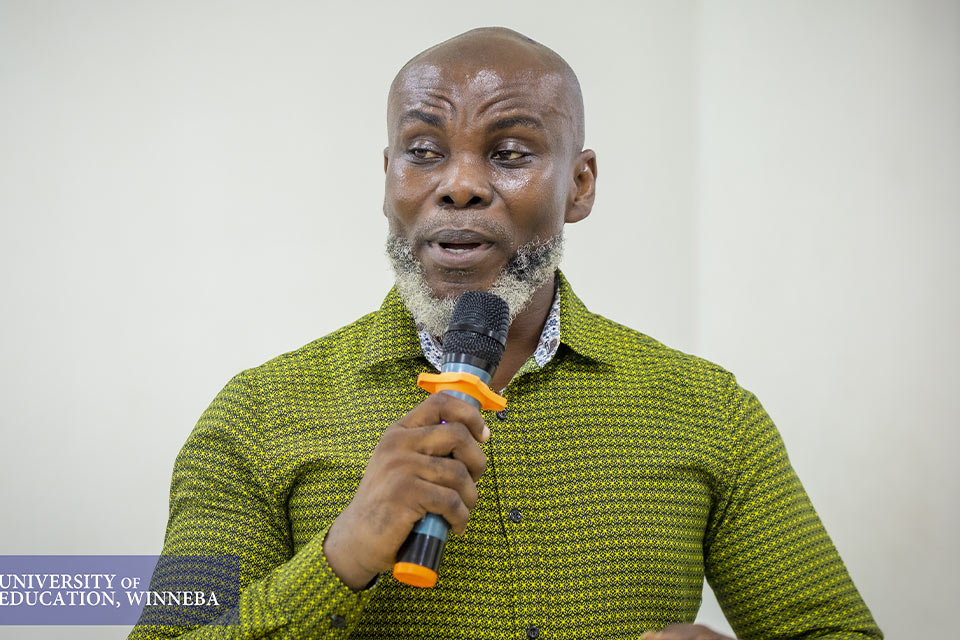
Prof. Isaac Eshun, the Head of the Department of Social Studies Education, described the workshop as a timely opportunity for lecturers to refresh their knowledge and remain abreast of evolving assessment practices. He noted that effective teaching is incomplete without sound assessment and quality feedback.
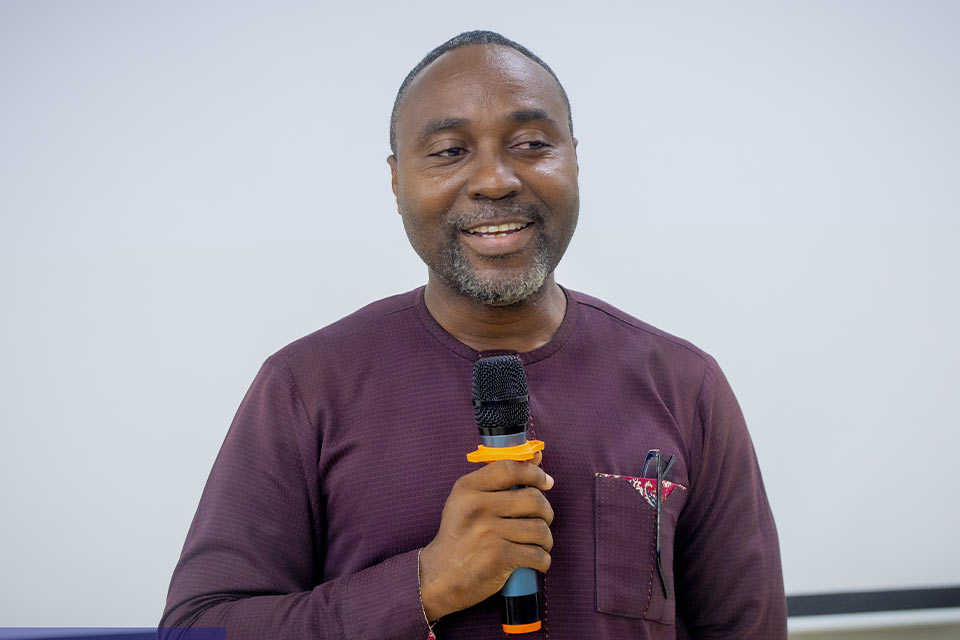
Dr. Richard Abankwa Agyapong, the Head of the Centre for African Studies, highlighted the growing shift towards digital and technology-driven assessment systems globally. He encouraged participants to design assessment items that can withstand scrutiny beyond the examination room and meet international standards of quality and relevance.
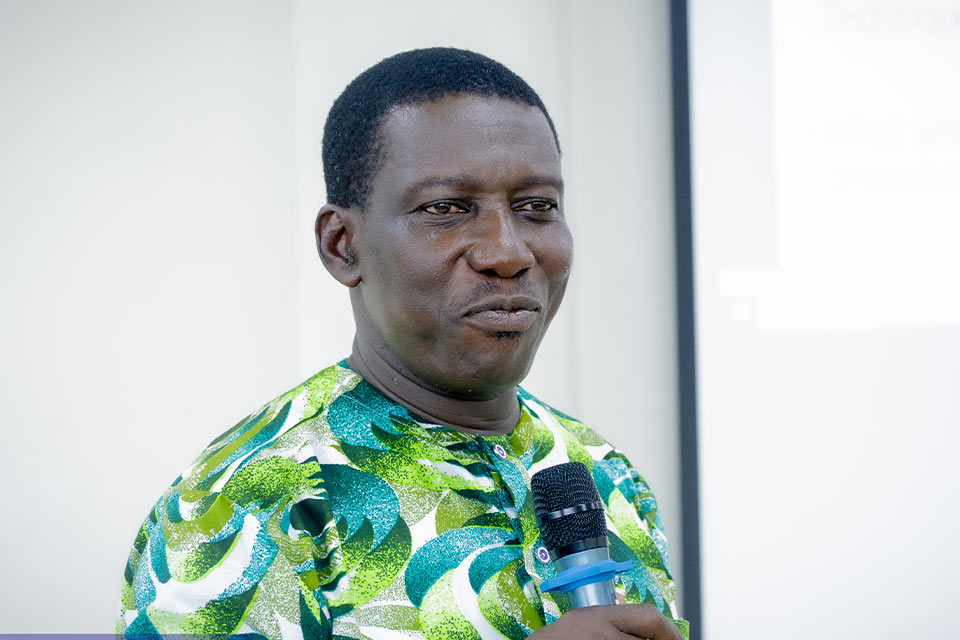
Facilitating the workshop, Prof. Paul Kobina Effrim of the Department of Educational Foundations called for a more deliberate and evidence-based approach to assessment design. He cautioned against the use of poorly constructed questions, including items copied from internet sources or generated without adequate consideration of students' learning needs.
According to him, effective assessment must align with course objectives, learning outcomes and instructional practices. He encouraged lecturers to develop realistic distractors for multiple-choice questions based on students' common misconceptions and classroom experiences rather than relying solely on artificial intelligence-generated items.
Prof. Effrim also emphasised the importance of diagnostic assessment, clear examination instructions and the use of test blueprints to ensure comprehensive coverage of course content and cognitive learning levels.

Also facilitating the workshop, Dr. Simon Ntumi of the Department of Educational Foundations challenged lecturers to critically examine existing assessment practices and ensure that every assessment item measures clearly defined knowledge, skills or competencies.
He cautioned against assessment practices that prioritise attendance, personal preferences or unrelated classroom experiences over intended learning outcomes. He advocated the use of authentic, contextualised and student-centred assessment tasks capable of measuring understanding, application and critical thinking.
Dr. Ntumi further encouraged lecturers to prepare marking schemes alongside examination questions, conduct thorough reviews before moderation and align assessment formats with the competencies being evaluated.
The workshop forms part of ongoing efforts by the Department of Social Studies Education and the Centre for African Studies to enhance assessment quality, promote fairness and strengthen teaching and learning outcomes across the University.