CAS-UEW Hosts Youth Peace Dialogue


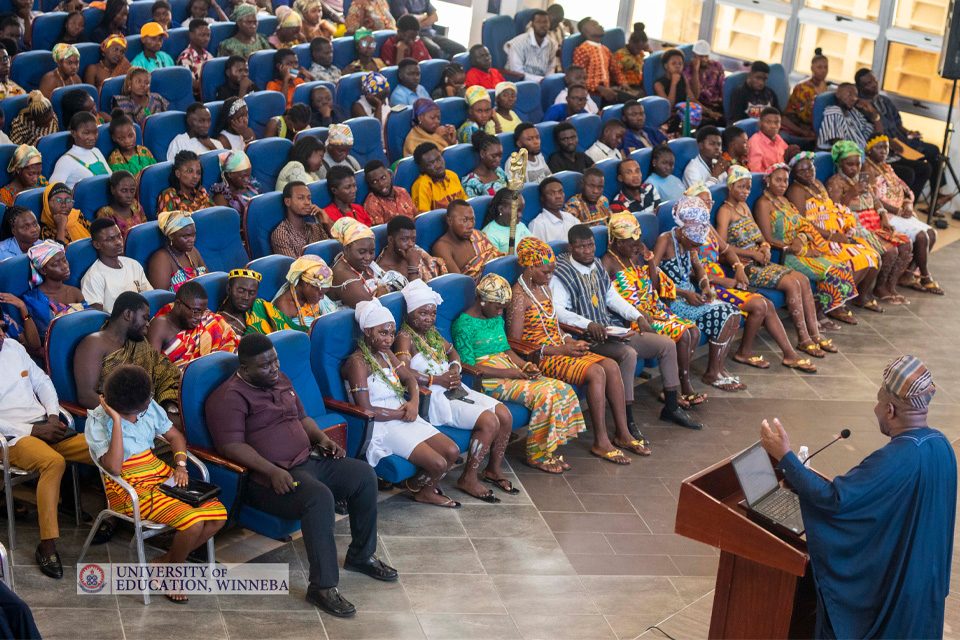
The Centre for African Studies (CAS) at the University of Education, Winneba (UEW) hosted a public dialogue on the theme “The Role of Youth in Protecting Peace in the Sub-Region.”
The event, organised by Mr. Robert Quartey, brought together a diverse group of academics, security professionals, students and cultural organisations in an atmosphere charged with inspiration and purpose.
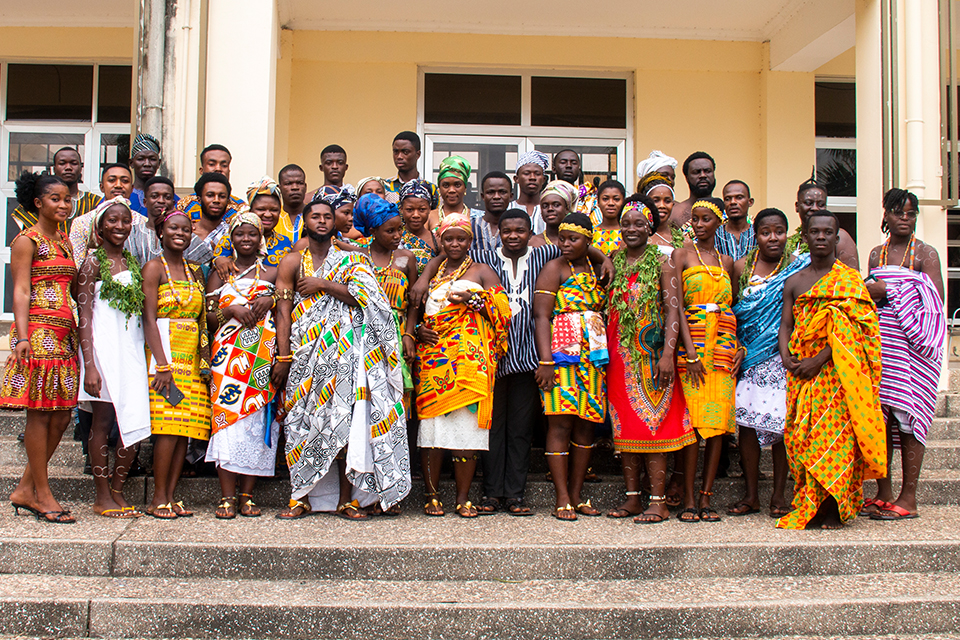
The melodious voices of the Winneba Youth Choir set an appropriate tone for the discussions, filling the Jophus Anamuah-Mensah Conference Centre on Thursday, 14th August 2025, with harmonies that emphasised the spirit of unity and collaboration.
Delivering the keynote address, Assistant Commissioner of Police (ACP) Samuel Asiedu Okanta, a seasoned law enforcement leader and current Police Coordinator for the African Union Support Mission in Somalia, underscored that peace and security are a “shared responsibility” that can only thrive when governments, security agencies and community members work hand in hand.
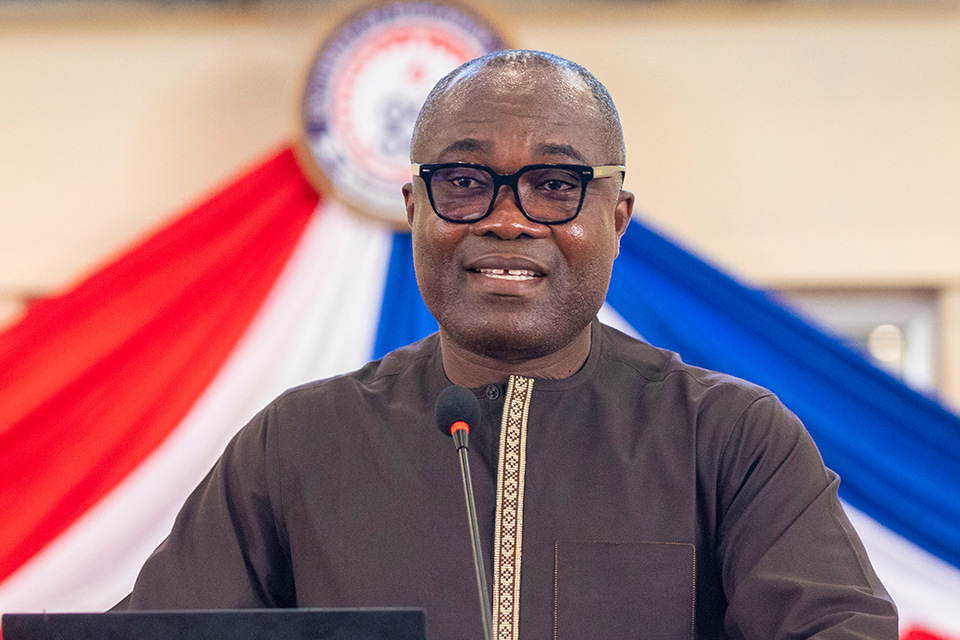
He reminded the audience that youth bring unmatched energy, creativity and strong community connections, making them indispensable partners in preventing violence, resolving disputes and safeguarding national development.
Drawing on decades of field experience and case studies from across Africa, ACP Okanta highlighted youth-led peacebuilding successes in countries such as Tunisia, Kenya, Liberia and Somalia, where young people mediated disputes, countered extremist narratives and mobilised communities to reject violence. “You are powerful and the way you use your influence can either make peace or destroy it. But whatever you do must be constructive,” he told the students.
The keynote speaker emphasised the value of community policing as a framework for harnessing youth contributions, stressing that prevention is always more effective than response.
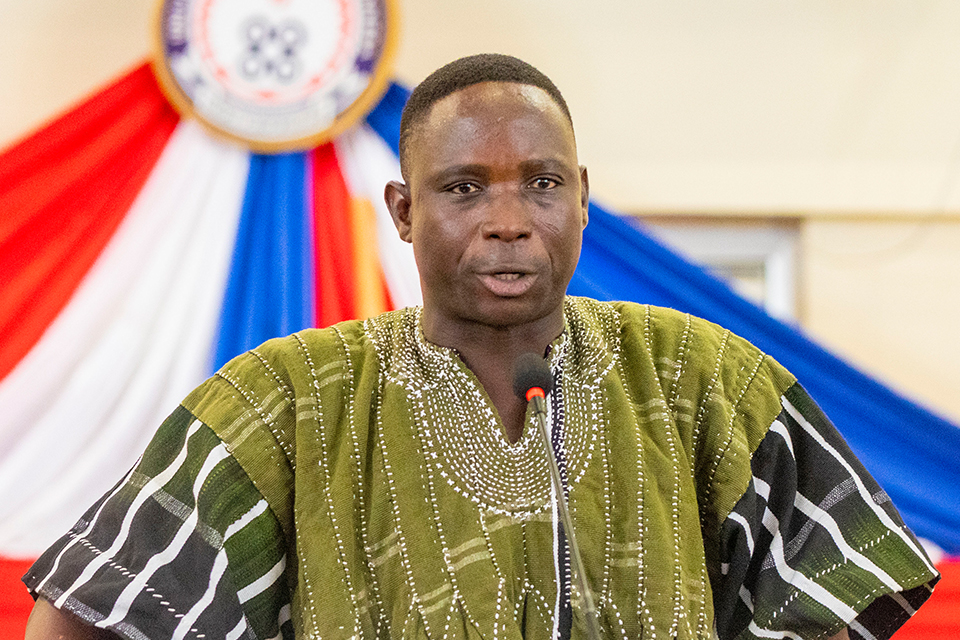
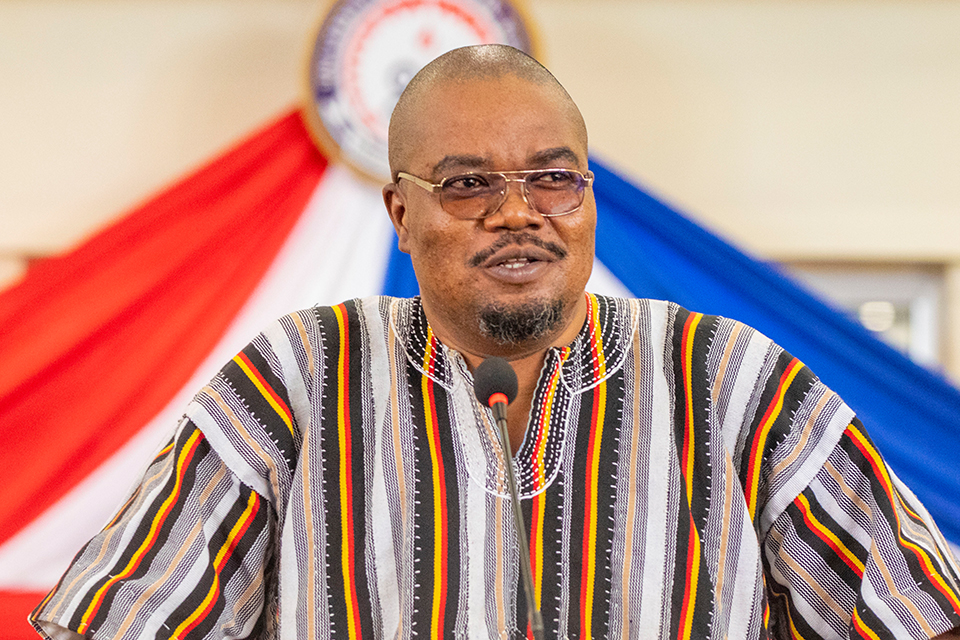
Prof. David Zuure, Vice-Dean of the Faculty of Liberal and Social Studies, reinforced the message, urging students to channel their exuberance into nation-building rather than destructive activities. “You are the leaders of today and tomorrow; protect peace because your aspirations, dreams and future depend on it. Misdirected energy will only jeopardise the very stability you need to succeed,” he declared.
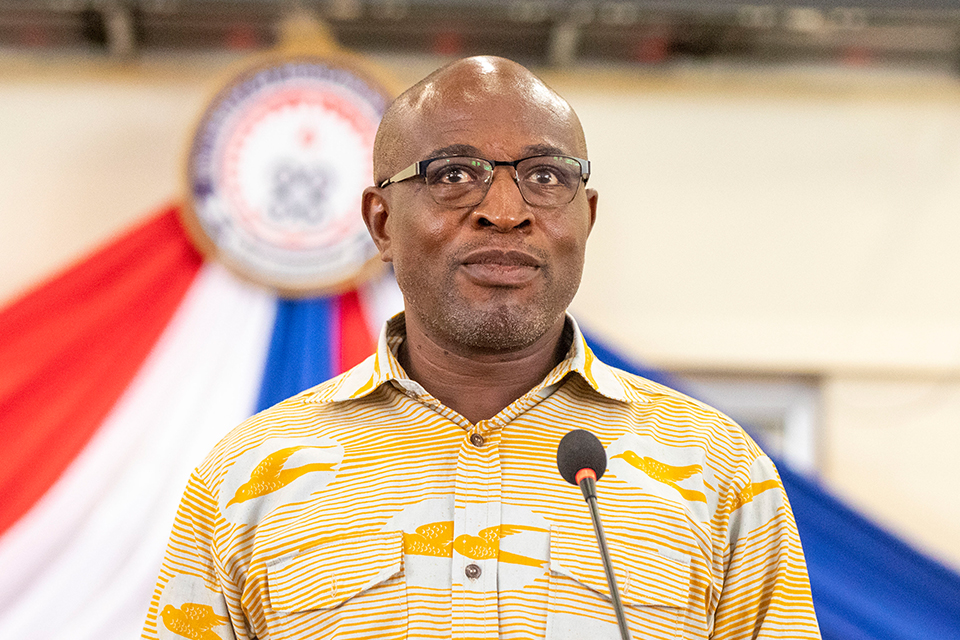
Prof. Anslem Abotsi, Dean of the Faculty of Social Sciences Education, focused on the need for tolerance and justice as the bedrock of peace. “For peace to exist, there must be justice,” he affirmed, cautioning against inflaming tensions through divisive attitudes. He encouraged students to respect established protocol when addressing grievances and to serve as ‘disciples of peace’ in their departments, hostels and communities.
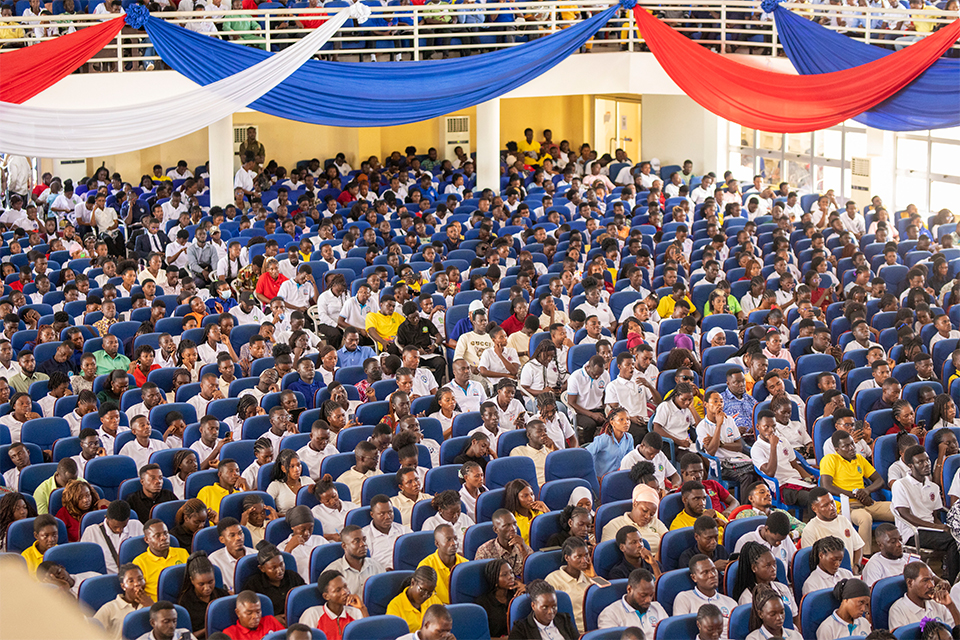
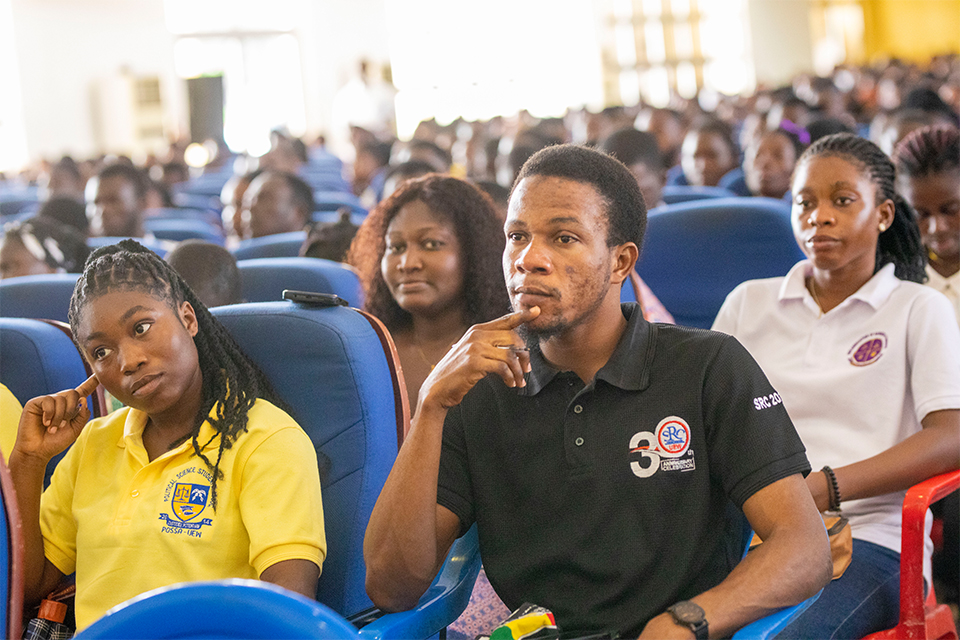
The event’s interactive segment proved equally engaging with students proposing practical solutions to enhance youth participation in peacebuilding. Ideas ranged from empowering young leaders in local governance to leveraging music, storytelling and creative arts to promote unity to adopting respectful communication with elders in decision-making spaces. Others stressed the importance of staying away from narcotics, bridging generational mistrust and resisting political manipulation that undermines national interests.
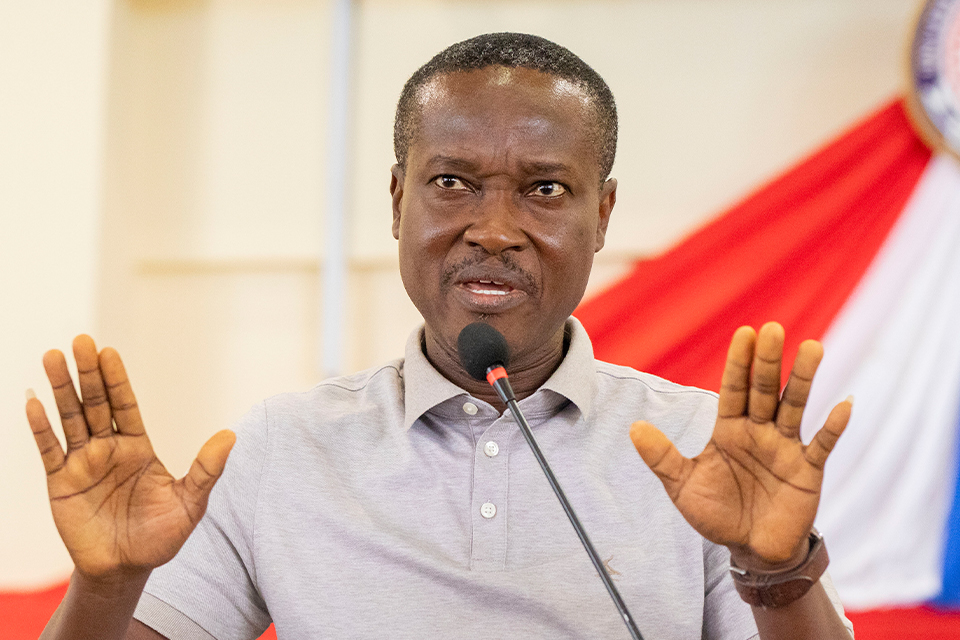
Prof. George Dandy Dampson, Director of the Office for Institutional Advancement (OIA), took a deeply personal approach, urging students to confront and resolve their “internal conflicts” before attempting to tackle societal ones.
Sharing his journey from reluctant trainee teacher to professor, he encouraged them to embrace their paths with pride and purpose. “The best way to solve larger conflicts is to start within us,” he said.
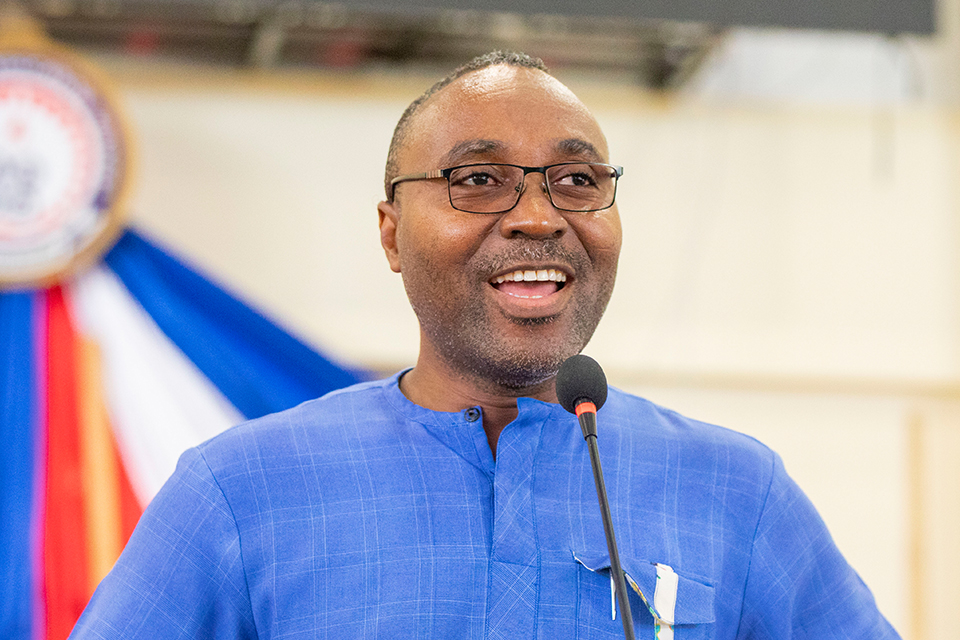
Dr. Richard Abankwa Agyapong, Head of CAS, closed the session with a charge for action. “The torchlight has been handed to you; take these lessons beyond this hall, into your communities, and let your actions speak for peace,” he told the students.
As the event came to a close, the message was clear: peace in Africa will not be handed down as a gift; it must be actively built, defended and sustained. And in that mission, the youth are not just participants; they are the driving force.