UEW Holds Workshop to Enhance Capacity for Operational Plan Preparation


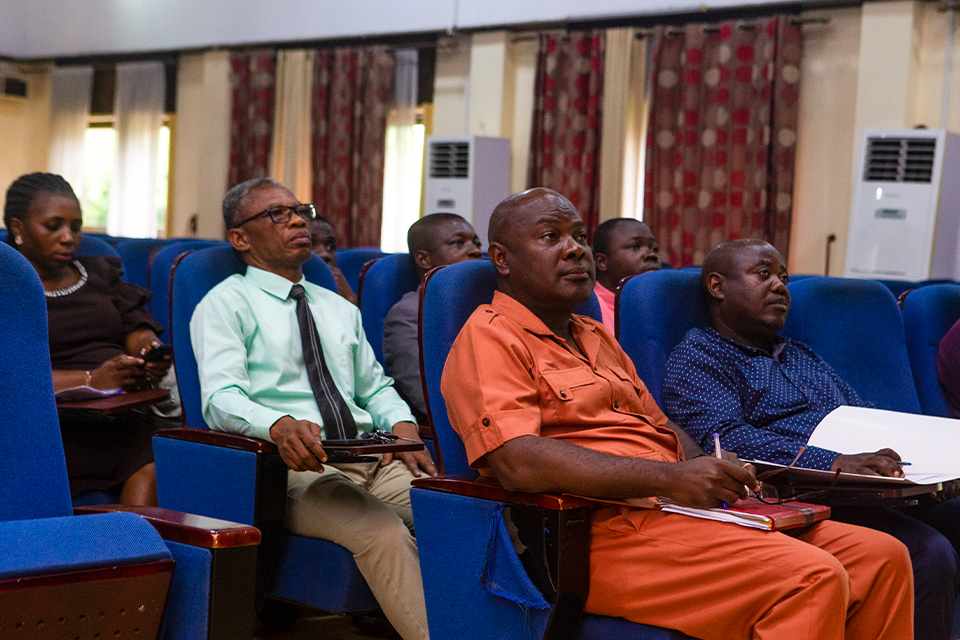
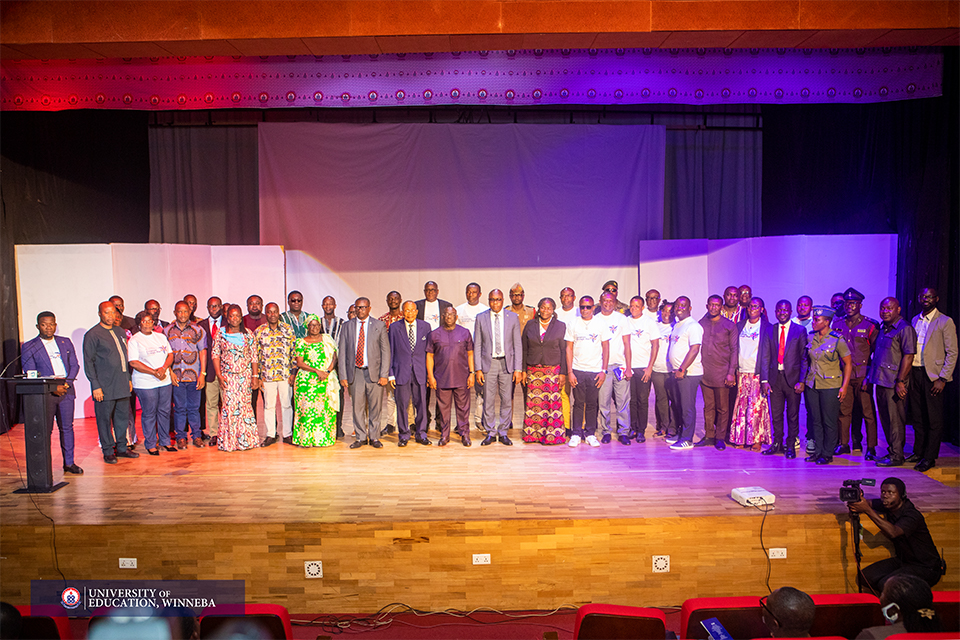
The Planning Office of the University of Education, Winneba (UEW) has organised an intensive workshop series for sections of the University community to build capacity for the preparation of operational plans to align with UEW’s new Corporate Strategic Plan.
The workshop, which began on Tuesday, 23rd September, 2025, and continued through Wednesday, 1st October, 2025, involved faculties, schools and administrative outfits at both the Winneba and Ajumako campuses.
Facilitated by Mr. Prince Asiedu, Deputy Registrar at the Planning Office, the sessions sought to demystify the operational planning process and equip participants with practical skills to translate the University’s 2025–2030 Corporate Strategic Plan into actionable annual targets. According to him, the launch of the strategic plan in August 2025 was only the beginning; the real test lies in how well the entire university community commits to implementing it.
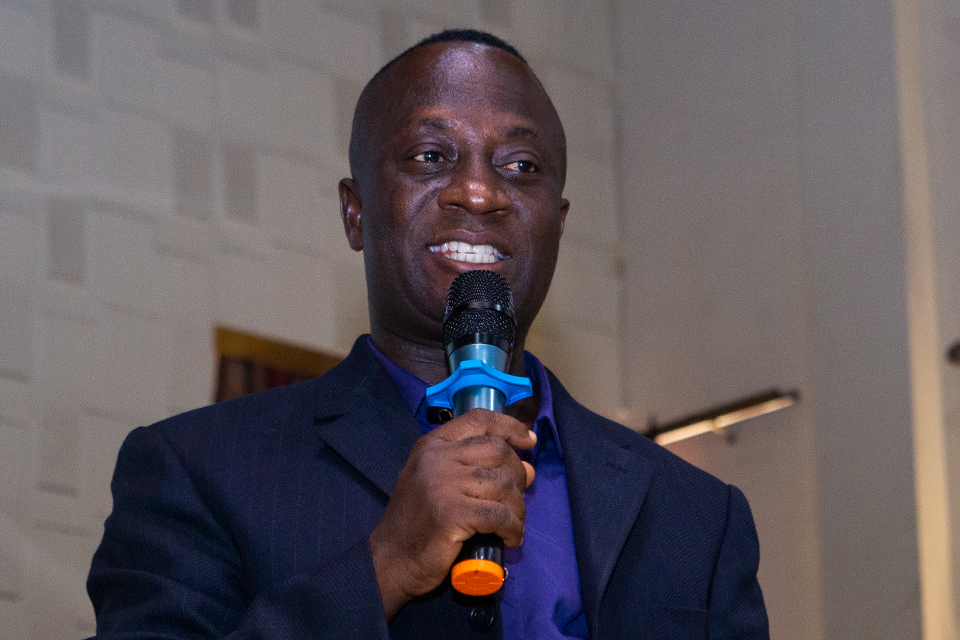
Mr. Asiedu explained that the delay in launching the plan was due to the transition between the previous and newly constituted University Council. He noted that the final endorsement and useful inputs from the new Council ensured that the strategic document was both accurate and reflective of UEW’s history and aspirations. With the launch completed, the Planning Office has turned its attention to ensuring every faculty, school and department prepares an operational plan that directly feeds into the broader institutional agenda.
The facilitator broke the workshop into two major parts. The first revisited the five thematic areas of the Corporate Strategic Plan—excellence in teaching, learning and research; proactive administrative systems; access, equity and inclusion; financial and environmental sustainability and infrastructure development. He emphasised that these thematic areas and their 28 objectives form the “Bible” of UEW’s growth agenda until 2030 and no operational plan should invent new themes or deviate from them.
The second part focused on how to prepare a one-year operational plan. Mr. Asiedu guided participants on how to align their budgets with their operational priorities, stressing that “an operational plan and a budget are essentially the same; the plan describes what you will do, and the budget shows how you will fund those activities.” He warned against submitting budgets without clear operational direction and urged units to align activities with key performance indicators, means of verification and realistic timeframes.
He further explained the implementation cycle, noting that the Strategy Plan Monitoring Committee, now streamlined to 14 members for efficiency, would oversee the process. Each section is required to submit annual reports detailing achievements, gaps and challenges which will be consolidated and forwarded to the University Council through the Vice-Chancellor. Faculties are also encouraged to establish their own monitoring teams to localise implementation.
Highlighting some gaps and opportunities, Mr. Asiedu called on faculties to contribute towards reversing the decline in international student enrolment which fell from 25 to just eight in the 2024/2025 academic year. He also emphasised the need to revitalise distance education centres, many of which have closed due to regulatory requirements, resulting in the loss of thousands of students. He urged units to think innovatively about resource mobilisation, sustainability and inclusivity including the introduction of gender-balanced and disability-friendly programmes.
The workshop also addressed sustainability targets, pointing out that only 16 of UEW’s 198 programmes had previously embedded sustainability principles. Going forward, the strategic plan requires all faculties to integrate environmental sustainability in both operations and curriculum. Mr. Asiedu revealed that management is already in talks with renewable energy partners to reduce UEW’s energy consumption by 40 percent by 2030.
On practical guidance, he advised participants to break down activities into sub-tasks, develop clear KPIs, and keep evidence such as requisition records, asset registers, appointment letters, and website links to facilitate monitoring. He reminded participants that cost estimates in the strategic plan are indicative and not guaranteed, hence the need for faculties to actively pursue internally generated funds, grants and partnerships.
He also emphasised the importance of teamwork and accountability in plan preparation. “Root your sectional plan in the corporate strategic plan. Do not reinvent the wheel. Be realistic, only include activities you can deliver in the year and always keep evidence to show progress,” he advised.
Addressing concerns from participants, Mr. Asiedu assured that operational plans could be updated when new regulatory directives arise, provided they are properly aligned to existing strategic objectives. He also urged staff to channel cross-cutting initiatives through the right administrative structures rather than bypassing reporting lines.
In closing, Mr. Asiedu encouraged participants to submit drafts early for feedback and underscored the collective responsibility of every section of the University in realising UEW’s strategic vision. “The strategic plan is our roadmap through to 2030. It will only succeed if every unit translates it into practical actions and takes ownership of its implementation,” he concluded.
The operational plan workshop, which combined strategic reflection with hands-on training, marked a major step in ensuring that UEW’s ambitious vision is grounded in practical, evidence-based actions across the University community.