UEW Champions Trauma Awareness to Foster Healing and Build Resilient Communities



The Department of Counselling Psychology at the University of Education, Winneba (UEW) has intensified efforts to promote mental health awareness and trauma-informed support systems through a two-day Trauma Awareness Walkathon and Community Wellness Programme.
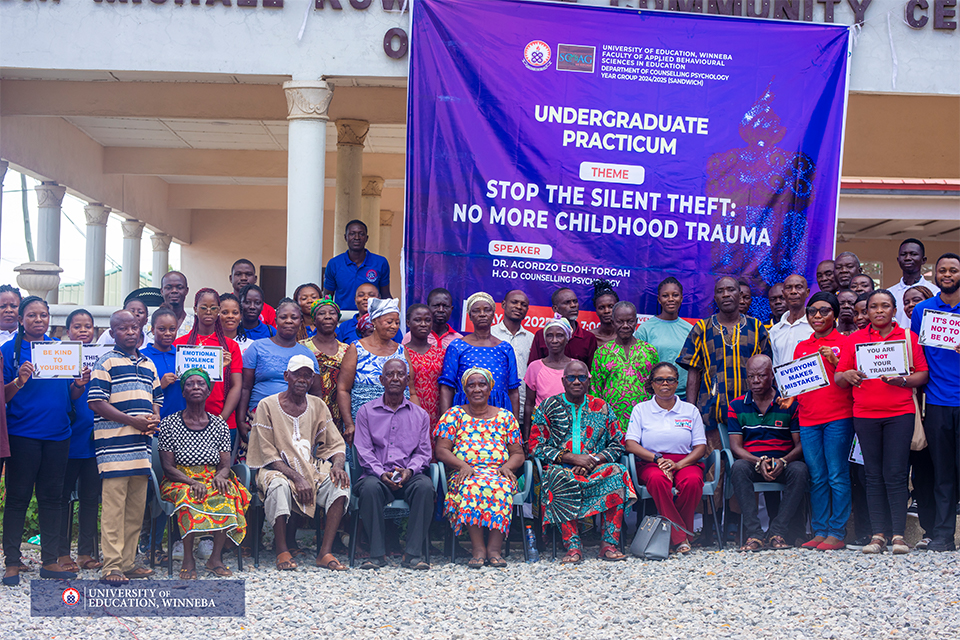
The two-day programme was held under the theme, “Trauma Awareness Walkathon: Restoring Minds, Rebuilding Communities.”
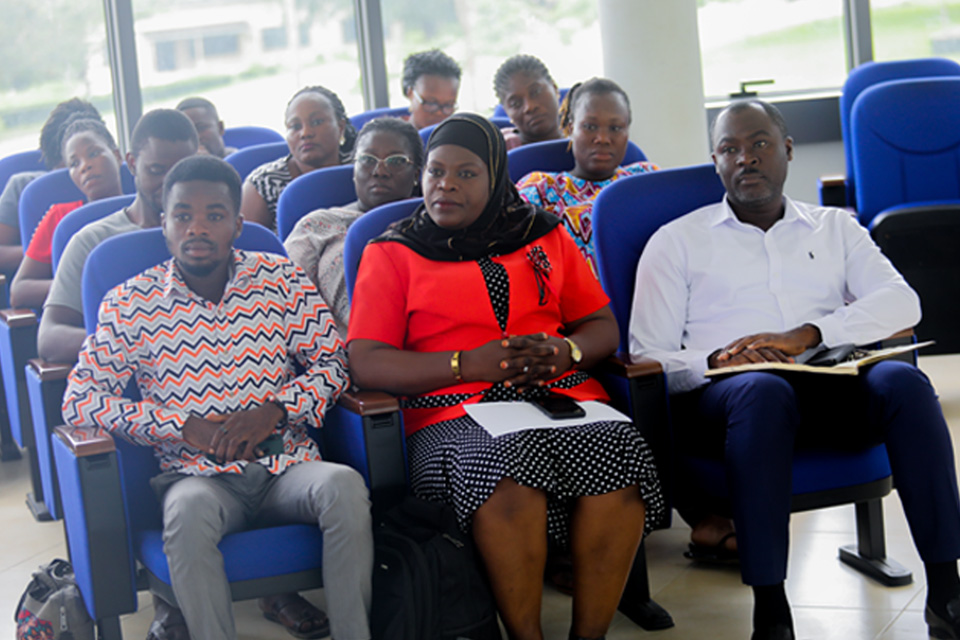
The programme, which commenced with a walkathon from the North Campus to the Central Campus on Thursday, 28th May, 2026, culminated in a seminar at the Jophus Anamuah-Mensah Conference Centre on Friday, 29th May, 2026. This event brought together mental health professionals, academics, students and community stakeholders to discuss the growing impact of trauma on individuals and society.
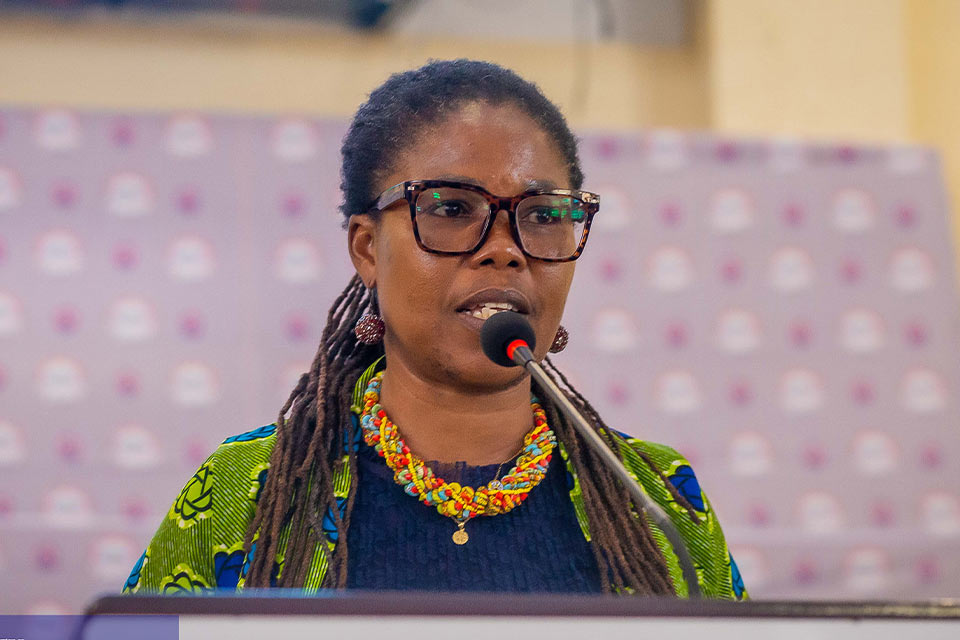
Addressing participants, Prof. Nyuiemedi Agordzo Edoh-Torgah, the Head of the Department of Counselling Psychology, stressed that trauma remains a silent burden affecting many people across homes, schools, workplaces and communities. She noted that grief, abuse, neglect, addiction, academic pressure and family challenges continue to leave lasting emotional and psychological scars on many individuals.
According to her, the walkathon symbolised unity, compassion and advocacy for people experiencing emotional distress while the seminar sought to increase trauma awareness, encourage healthy help-seeking behaviours and promote emotional resilience among students and staff. “Restoring minds begins when individuals feel heard, supported and valued while rebuilding communities starts when institutions intentionally create safe, compassionate and trauma-informed environments where healing can take place,” she stated.
Prof. Nyuiemedi Edoh-Torgah urged individuals experiencing emotional difficulties to seek professional support, emphasising that “healing is possible, help is available and no one should suffer alone.”
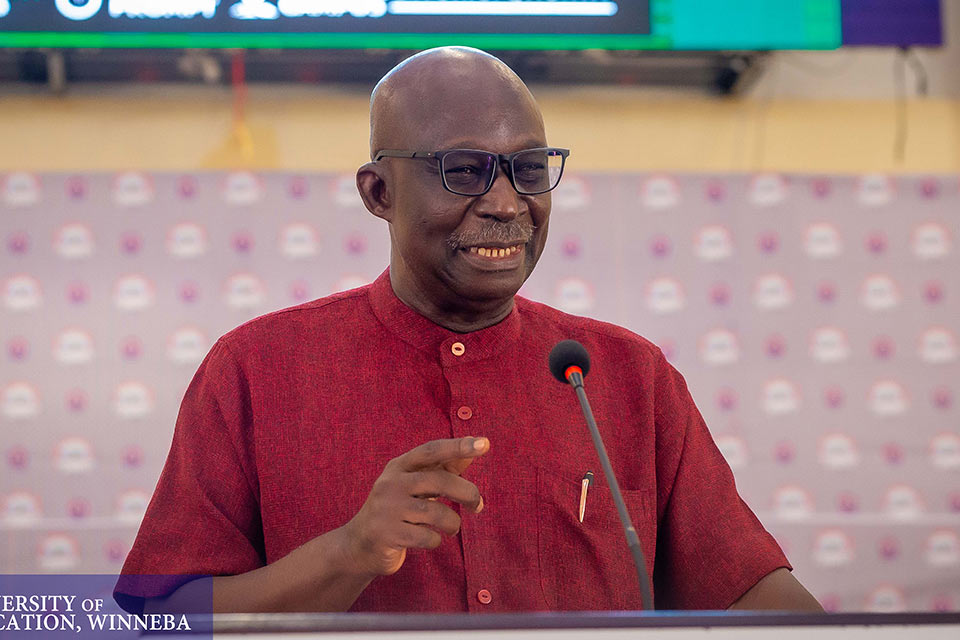
Mr. Joseph Ebo Hewton, Chairman of the seminar and Board Chairman of Sinapi Aba Trust, underscored the far-reaching effects of trauma on families and communities. He encouraged participants to become advocates for trauma awareness and to support individuals facing emotional and psychological challenges.
Mr. Hewton advised people not to suffer in silence but to confide in trusted persons or professionals capable of offering the necessary support and guidance. He further called for discretion when handling sensitive information shared by people experiencing distress.

A key highlight of the programme was a drama performance portraying the life of a young woman whose childhood exposure to domestic violence left her deeply traumatised. The presentation illustrated the devastating effects of unresolved trauma including anxiety, nightmares, fear, emotional withdrawal and unhealthy relationship patterns. The drama concluded with a strong message encouraging victims to seek professional counselling and support rather than endure their struggles alone.
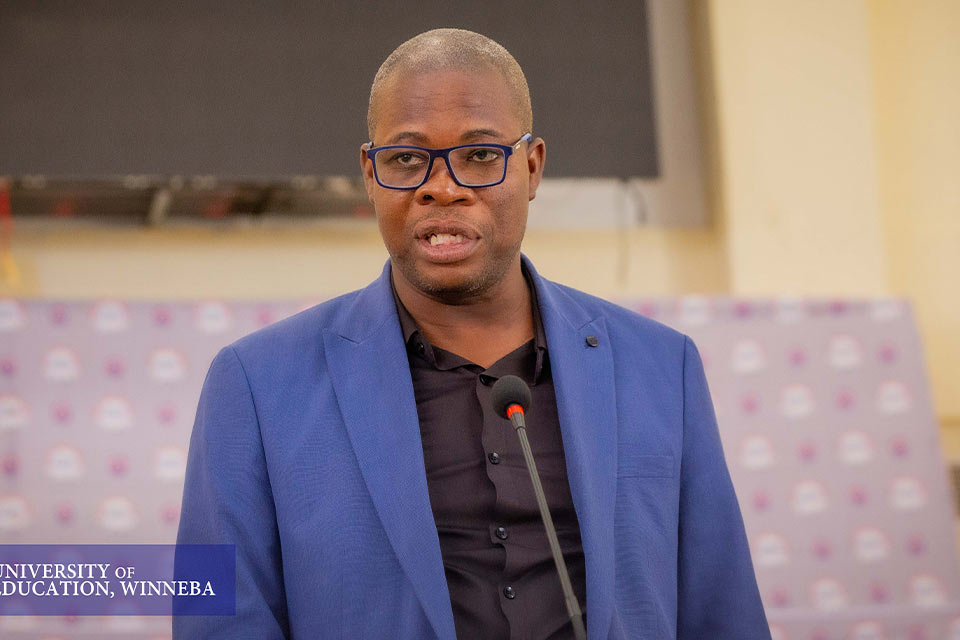
Representing the African Trauma Care Alliance, Mr. Kingsley Eyram King-Kuadzi, Vice-President of the Ghana National Association of Certified Counsellors and Lead Counselling Psychologist at Wellworld, Ghana, described the seminar as a significant step towards addressing an often-overlooked public health challenge. He observed that trauma frequently manifests through poor concentration, isolation, substance abuse, anxiety, depression and academic difficulties, adding that many people are attempting to function while carrying deep emotional pain.
Mr. King-Kuadzi cited research indicating high levels of anxiety, stress and depression among university students in Ghana and cautioned against dismissing struggling students as lazy, weak or unserious. “Sometimes what we call lack of motivation is depression. Sometimes what we call attitude is a wounded nervous system trying to protect itself,” he remarked.
He called on students to seek help early when they notice warning signs such as persistent sadness, social withdrawal, sleep difficulties and feelings of hopelessness. He also urged lecturers, administrators and peers to create supportive environments that promote emotional safety and psychological wellbeing.
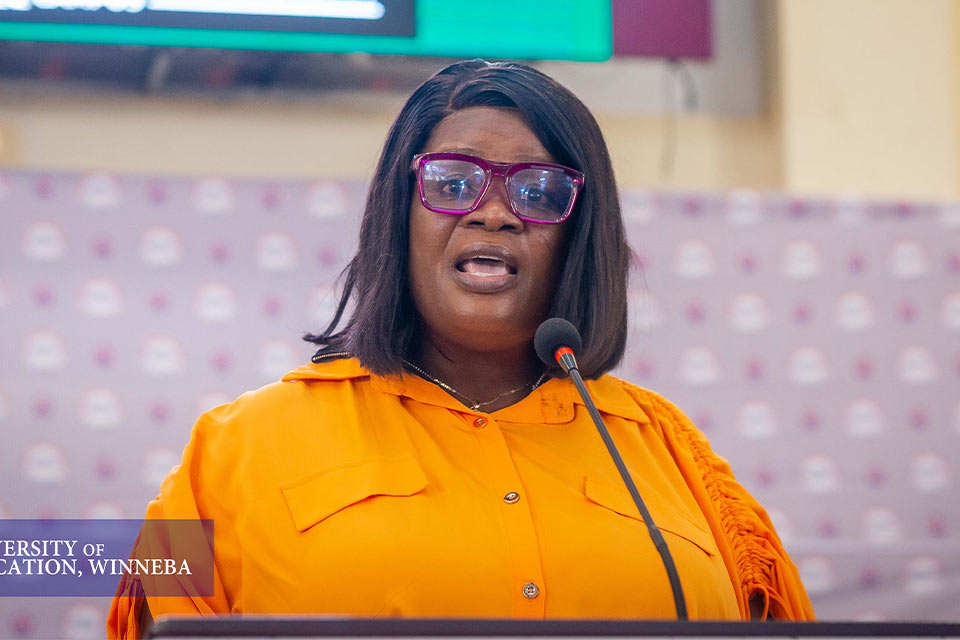
Representing Prof. Patricia Mawusi Amos, the Dean of the Faculty of Applied Behavioural Sciences in Education, Dr. Florence Akua Mensah, the Vice-Dean, emphasised that the wellbeing of individuals is inseparable from the wellbeing of communities. She noted that people who receive support to overcome adversity, heal from difficult experiences and build resilience are better positioned to contribute meaningfully to society.
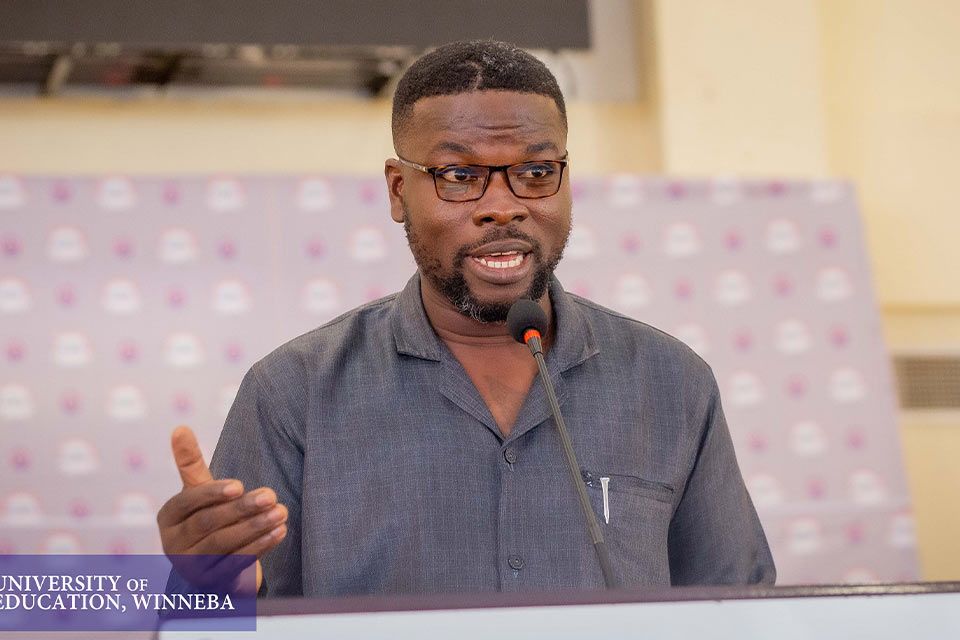
The seminar also featured expert presentations on trauma, addiction and recovery. Mr. Eric Kwaku Arhinful, the Director of HeFA Addiction Hub, delivered a presentation on “Trauma, Addiction and Recovery: Preventing Substance Dependence in University Communities,” where he highlighted the intricate relationship between unresolved trauma and substance abuse among young people. He underscored the importance of early intervention, prevention strategies, psychological first aid and recovery support systems in safeguarding students from substance dependence.
Prof. Nyuiemedi Edoh-Torgah further deepened the conversation with a presentation on “Understanding Trauma, Toxic Stress and Trauma Recovery Pathways in Higher Education,” drawing attention to the impact of prolonged stress and traumatic experiences on students' academic performance, emotional wellbeing and social functioning.