UEW CHSS Leads Initiative to Promote Hearing Health Awareness


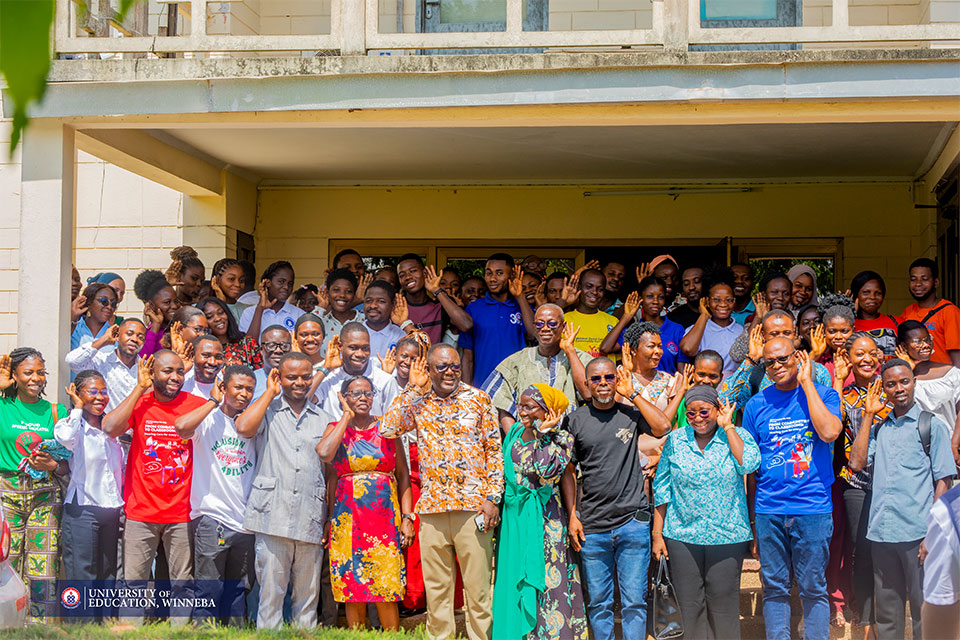
The Centre for Hearing and Speech Services (CHSS) at the University of Education, Winneba (UEW) has commemorated this year’s World Hearing Day with a seminar to strengthen awareness, early detection and inclusive classroom practices for children with hearing challenges.
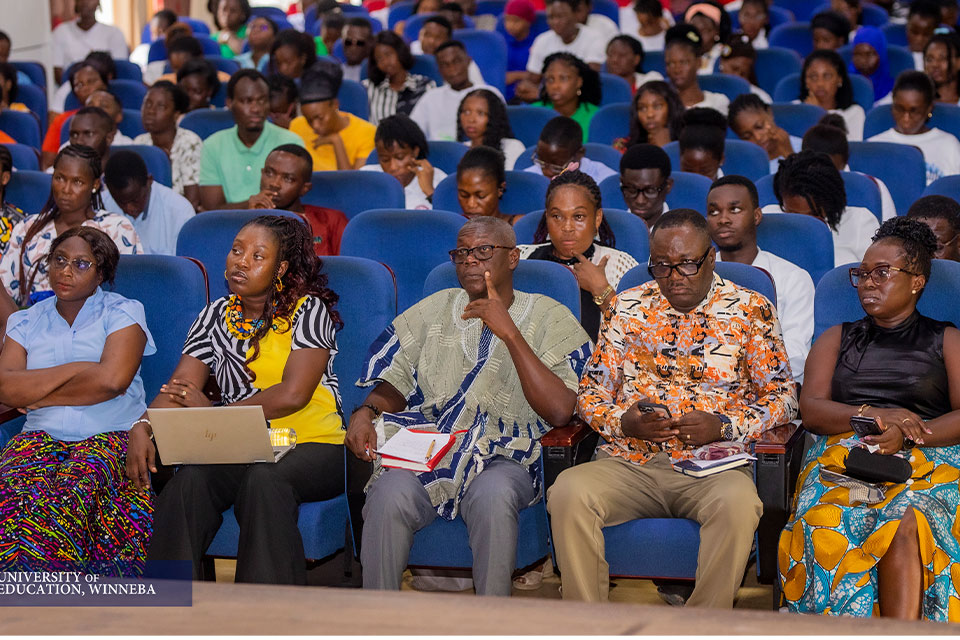
The event, held on Tuesday, 3rd March, 2026, at the North Campus Mini-Conference Room, was organised under the global theme, “From Communities to Classrooms: Hearing Care for All Children.” It brought together faculty, students, health professionals, community stakeholders and partners to deliberate on practical strategies to bridge gaps between homes, communities and educational settings in hearing healthcare delivery.
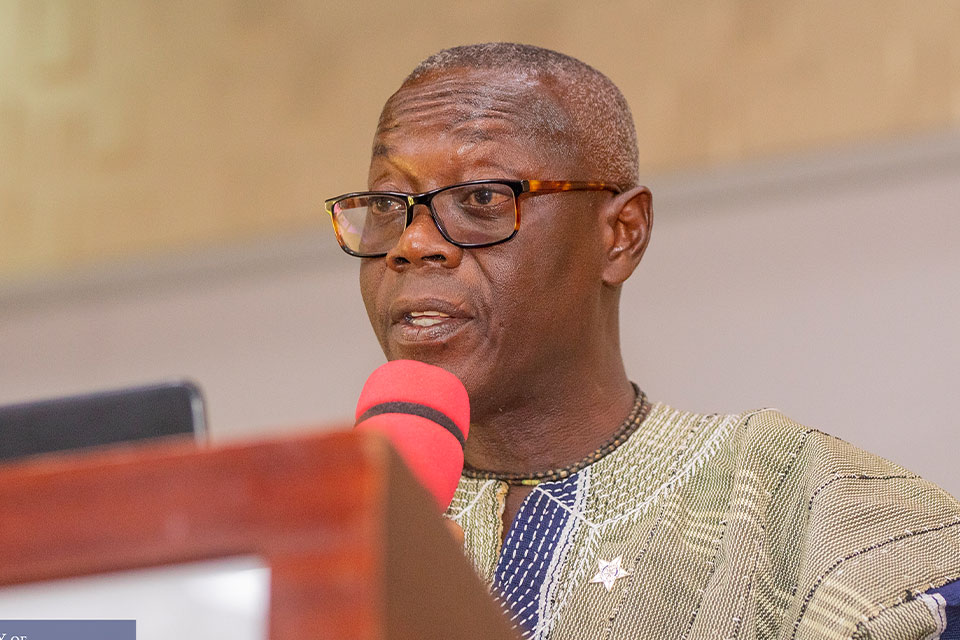
Prof. Yaw Nyadu Offei, Chairman of the occasion, described the theme as both powerful and timely, stressing that hearing care must begin where children live and learn. He noted that millions of children worldwide experience hearing difficulties, many of which are preventable or treatable if detected early. When left unidentified, he said, hearing loss adversely affects language development, academic performance, social inclusion and emotional well-being.
He emphasised that in Ghana and across Africa, preventable causes such as untreated ear infections, excessive noise exposure and limited access to screening continue to undermine children’s development. Prof. Offei called for community awareness, school-based screening, early referral systems and inclusive classroom strategies, urging parents, teachers, religious bodies and traditional leaders to eliminate stigma and collaborate to protect every child’s right to hear and learn.
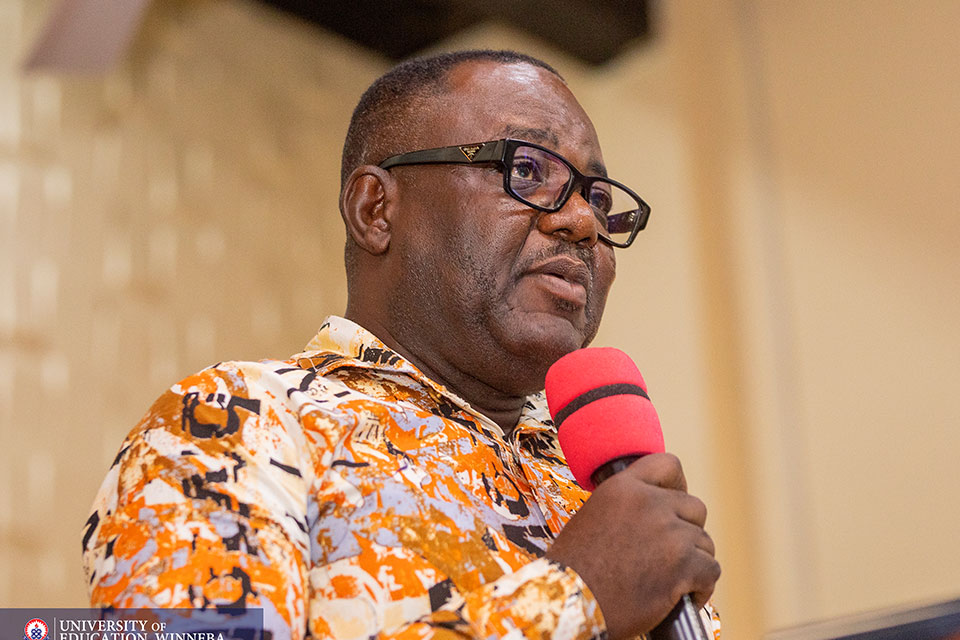
Dr. Emmanuel Acheampong, Head of the Department of Special Education, underscored the growing public health burden of hearing loss globally and nationally. Citing statistics, he indicated that while over 1.5 billion people worldwide live with some degree of hearing loss, Ghana alone records between 1.5 and 2 million people with disabling hearing difficulties. He lamented that because hearing impairment is often invisible, many children are misunderstood, mislabelled as slow learners or difficult and subsequently overlooked in classrooms.
Dr. Acheampong highlighted the Department’s sustained community outreach initiatives, noting that CHSS and its partners have conducted screening exercises across Effutu and beyond including Keta and other underserved communities. He reaffirmed the Department’s commitment to expanding screening services and called on the university community, municipal authorities and families to serve as ambassadors to promote early identification and prevention.
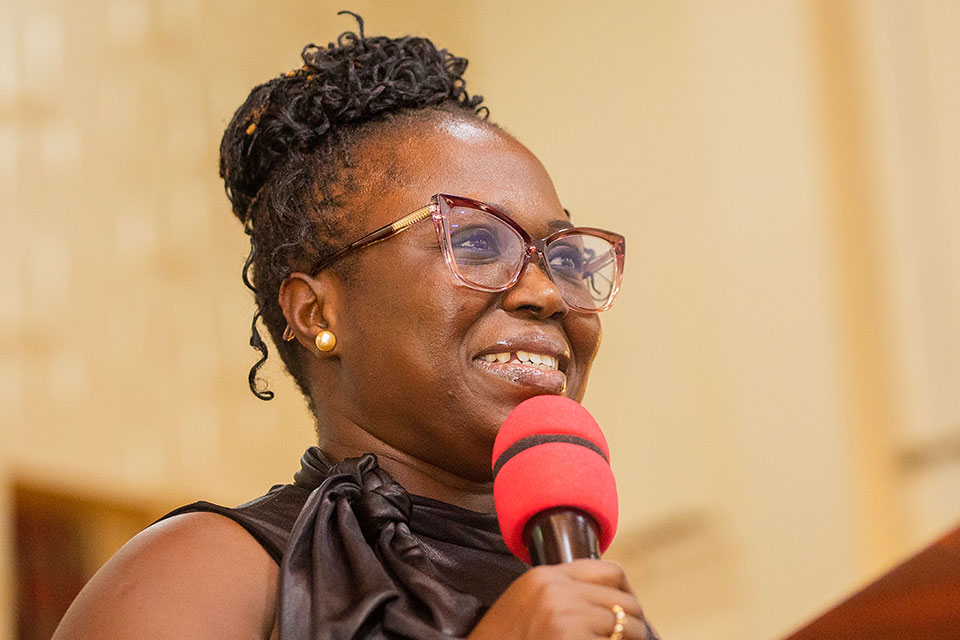
Prof. Patricia Mawusi Amos, the Dean of the Faculty of Applied Behavioural Sciences in Education, commended CHSS and its partners for championing hearing health advocacy on campus. She observed that hearing is foundational to communication, learning and inclusion, and reiterated that responsibility for hearing care begins at the home.
Prof. Patricia Amos warned against harmful listening habits, particularly among children who frequently use earphones and personal audio devices without supervision. She stressed that untreated hearing difficulties can erode children’s confidence, academic performance and social participation. Drawing from personal experience, she encouraged routine screening and early medical checks, urging parents and guardians not to trivialise health assessments that could save lives and secure children’s future.
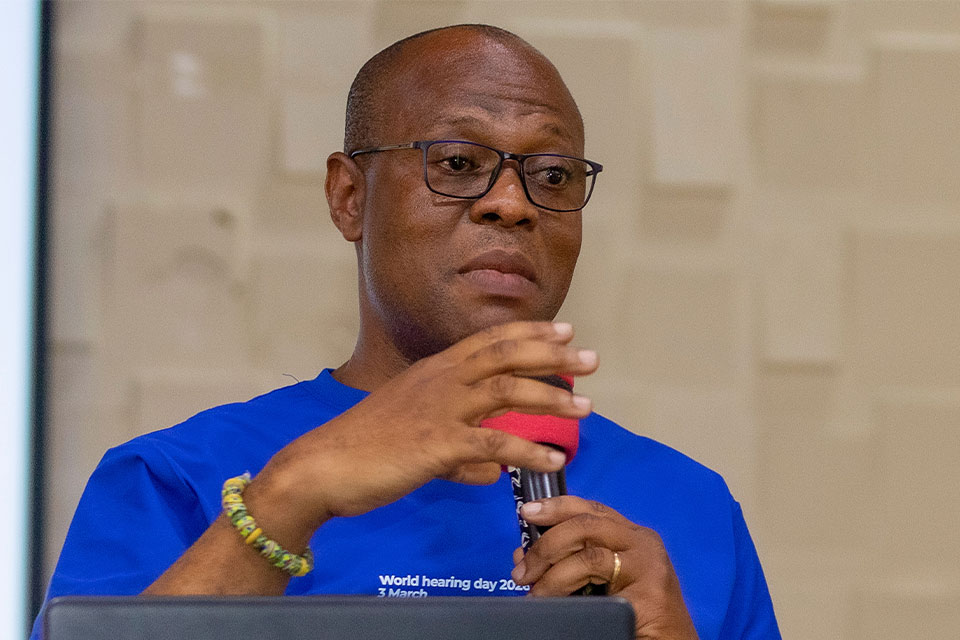
Dr. Sesi Collins Akotey, the Coordinator for CHSS, explained the significance of World Hearing Day, commemorated annually on 3rd March under the auspices of the World Health Organisation (WHO). He noted that the date, symbolically represented as 3/3, reflects the two ears and serves as a reminder of the importance of protecting hearing amid rising global noise exposure and industrialisation.
He identified shortages of audiologists and special education resource teachers, inadequate diagnostic infrastructure, limited public awareness and the absence of a comprehensive national ear and hearing care policy as critical gaps. He advocated scaling up newborn screening programmes, integrating hearing checks into child welfare clinics, strengthening school screening, leveraging telehealth, subsidising hearing devices under the National Health Insurance Scheme and fostering public-private partnerships.
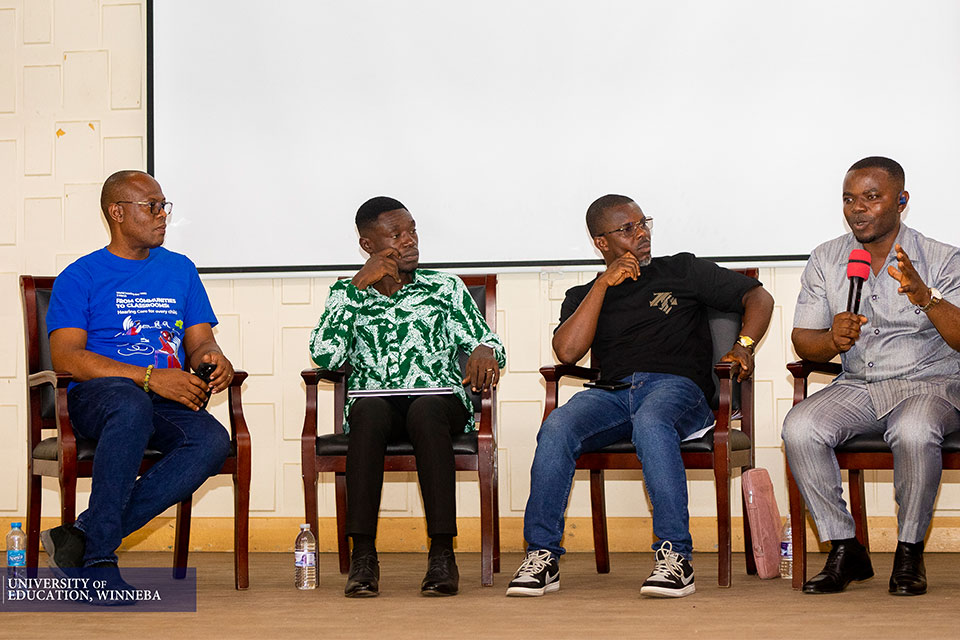
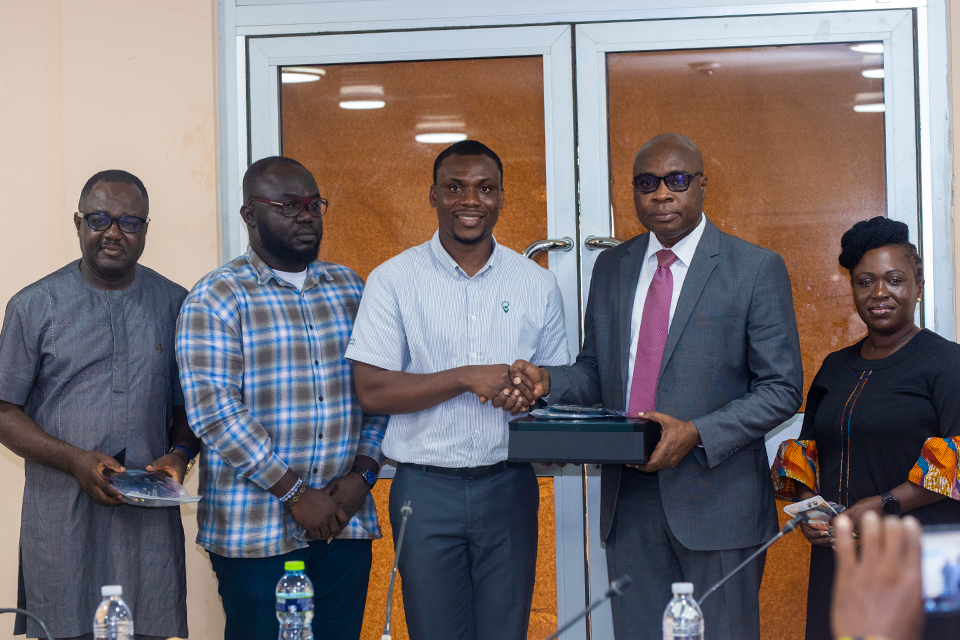
The seminar also featured presentations focused on the identification of childhood hearing loss in community settings, school-based hearing screening implementation and the adoption of inclusive classroom practices. Furthermore, there was a panel discussion on fostering collaboration between communities and educational institutions to enhance hearing care. Participants engaged in substantive discussions on effective interventions to improve referral systems and ensure the creation of inclusive learning environments for children with hearing impairments.
Speakers at the event collectively called for sustained advocacy and coordinated action beyond the annual celebration. They reiterated that hearing connects children to language, language to education and education to opportunity, making hearing health central to safeguarding Ghana’s human capital. The seminar ended with a renewed commitment by CHSS and its partners to intensify outreach, research and service delivery efforts to ensure that no child is left behind due to preventable hearing loss.