UEW Researchers Train Facilitators to Strengthen PLCs in Schools


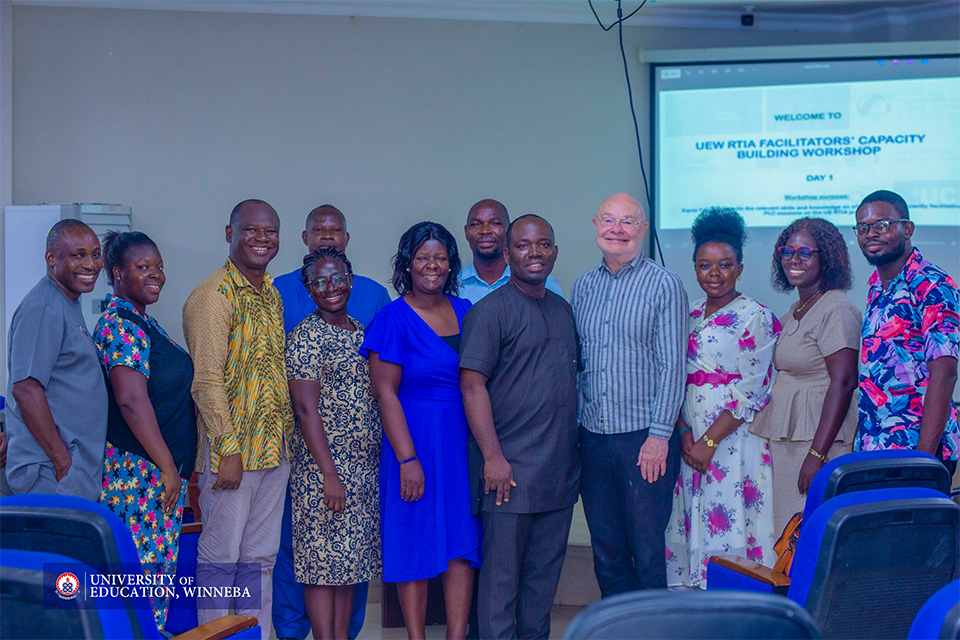
A team of researchers from the University of Education, Winneba (UEW), led by Prof. Ruby Hanson, has organised a two-day workshop to equip facilitators with the requisite skills and knowledge to effectively facilitate Professional Learning Communities (PLCs) under the UEW Regional Teachers Initiative for Africa (RTIA) Project.
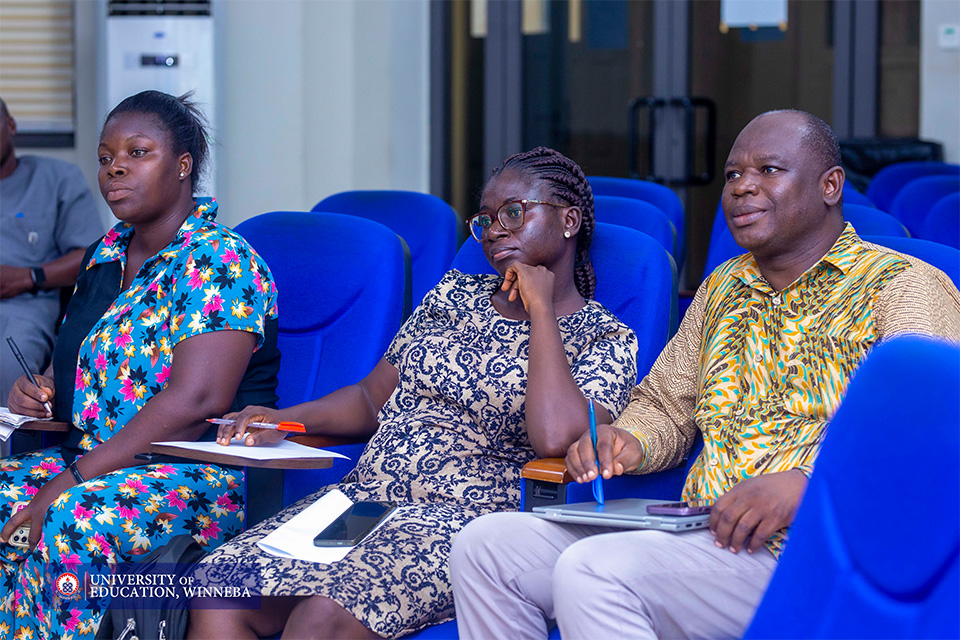
The workshop, held at the Students Centre Seminar Room III on Tuesday, 12th and Wednesday, 13th May, 2026, formed part of ongoing PLC sessions aimed at enhancing teacher professionalism, agency and community engagement in schools.
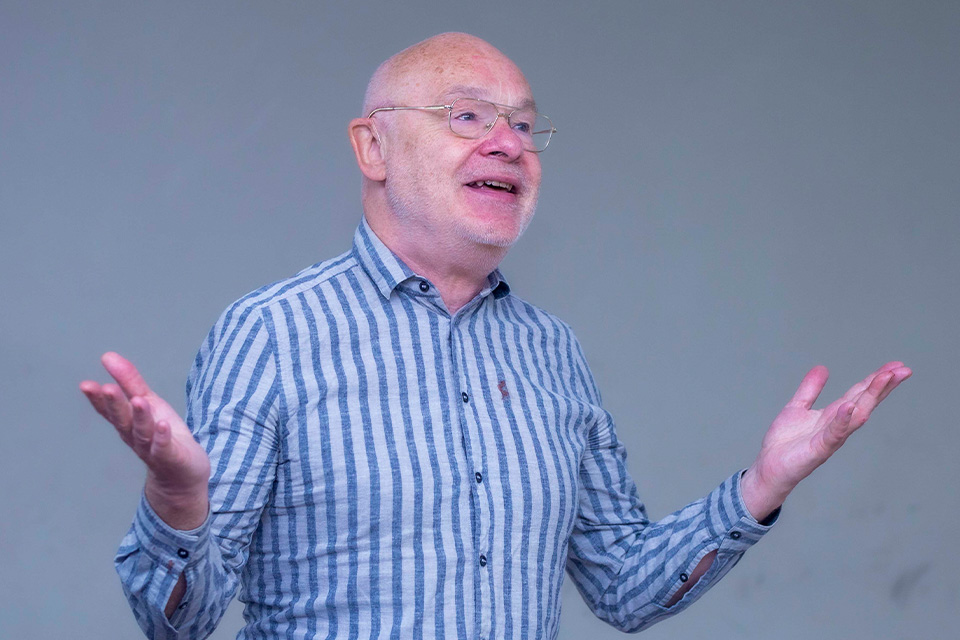
The opening day featured a presentation by Dr. Sean Higgins, the United Kingdom partner on the project, on an overview of the project objectives, teacher talks and teacher agency. The session also included facilitation of PLC Sessions Seven to Eleven by Dr. Bawa Mbage and Dr. Boniface Yaayin, a teacher talk session led by Prof. Ruby Hanson (project lead) and a presentation on challenges and management of PLC sessions by Dr. Frank Awuah, a PLC expert.

Speaking at the workshop, Dr. Bernard B. B. Bingab, the Project Manager, explained that the project is grounded in teacher professionalism through Professional Learning Communities (PLCs) which position teachers as agents of change within their communities. He noted that teachers’ communities significantly shape their professional growth, interactions with learners and parents and overall teaching effectiveness. He stressed that “teacher talk” reflects not only classroom instruction but also teachers’ lived experiences and community engagement.
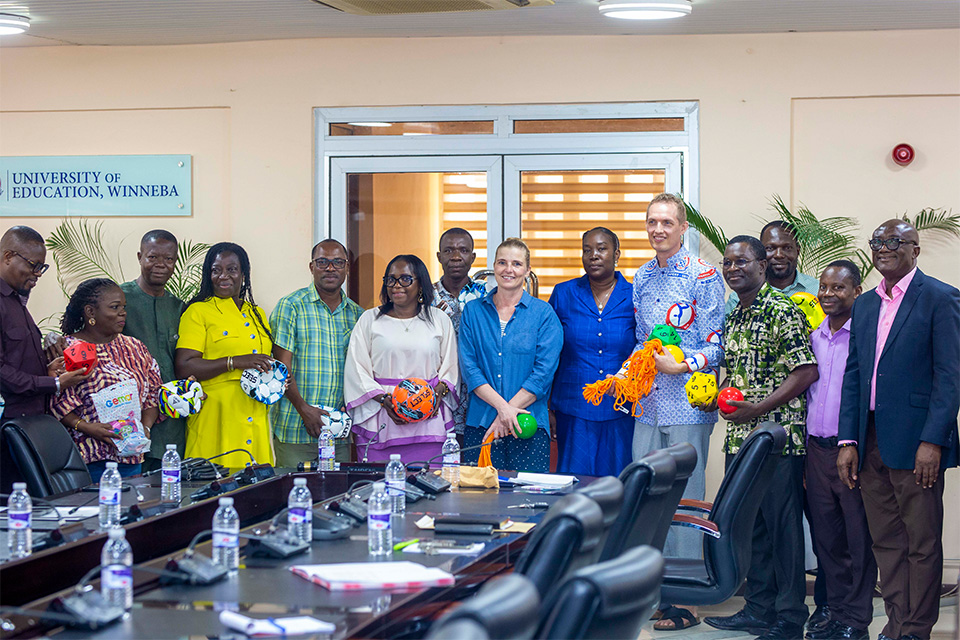
Dr. Bingab disclosed that the project is piloting PLCs in Ghana, South Africa, Botswana and Kenya with the United Kingdom serving as a key partner. According to him, the year-long project is currently in its second phase, focusing on training facilitators to effectively guide PLC activities. He clarified that participants in the workshop were mainly professional educators and trainers selected from Ghana Education Service offices rather than classroom teachers acting in their usual capacities.
He further explained that the pilot is being implemented in the Effutu Municipality and Agona Nyakrom District to help researchers assess differences between urban and rural contexts for future scale-up. The limited number of participants, he added, was intentional to enable the project team to identify gaps and address challenges before nationwide expansion.
Dr. Bingab also highlighted the workshop’s innovative methods including the use of pictures, gender-responsive approaches and imaginative exercises to encourage critical thinking, sustainability and inclusive teaching practices.
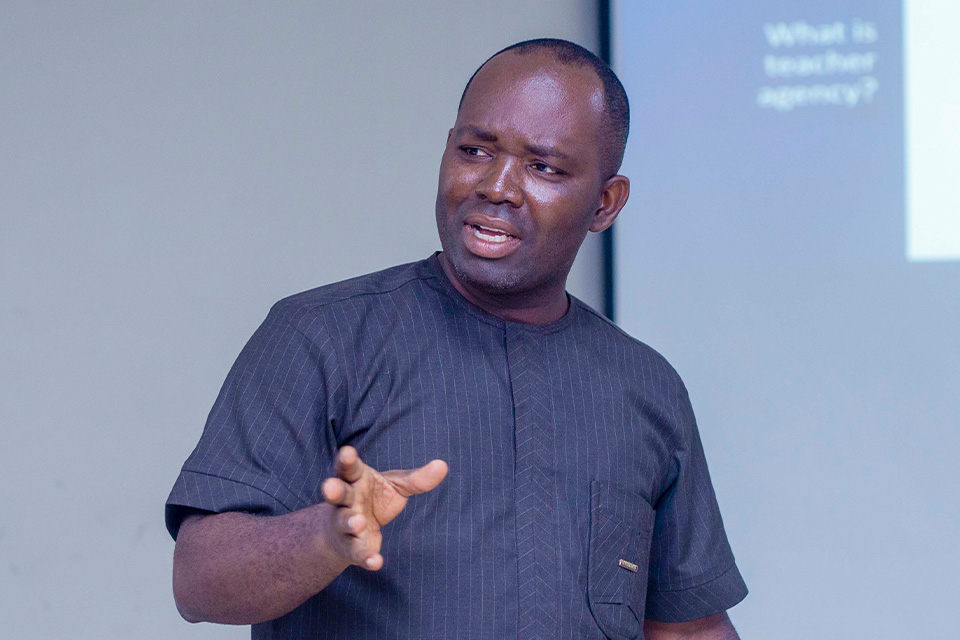
Welcoming participants on behalf of the Vice-Chancellor, Prof. Enoch F. Sam, the Director of the Directorate of Research, Innovation and Development (DRID), underscored the importance of the project to the teaching profession and national development.
He remarked that while mistakes made by doctors could affect individuals, mistakes made by teachers could affect generations, hence the need to equip educators with the right knowledge and skills from the onset. Prof. Sam described PLCs as an emerging and impactful approach to professional growth, self-tutoring and collaborative learning among teachers.
He urged participants to see themselves as agents of change capable of transferring knowledge and best practices to their respective communities and institutions.
Prof. Sam also expressed confidence that the workshop would contribute meaningfully to improving teaching and learning outcomes in Ghana and strengthening professional collaboration among educators.
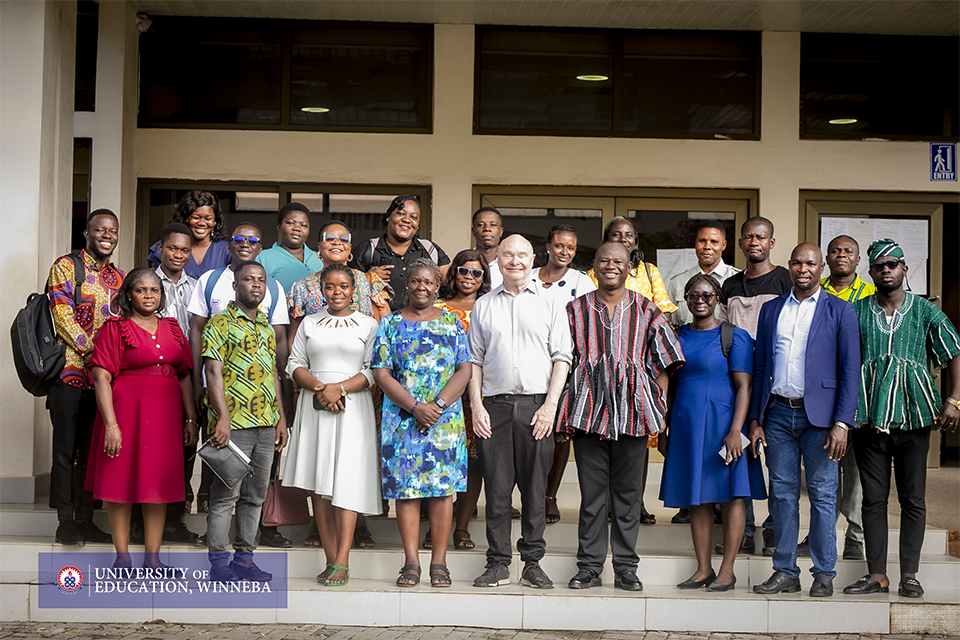
As the workshop ended, participants left with renewed commitment to transforming classroom practice and strengthening collaboration within their schools and communities. The initiative further reaffirmed UEW’s growing role in advancing innovative teacher education and professional development across Ghana and the African continent through research-driven interventions capable of shaping a more responsive, reflective and impactful educational system.