
This webpage serves as a dynamic platform to disseminate the findings for the Erasmus GOT capacity-building project. It provides links to showcase key insights, outcomes, and success stories.
The GOT project is a collaboration between the University of Education, Winneba, the University of Cape Coast, Tallinn University, and Tampere University. It aims to shift lesson delivery towards data-driven and evidence-based methods to provide Digital Education at the University of Education, Winneba.
Visitors can follow the links to explore a resource hub with practical tools and guides, subscribe for updates, and engage through integrated social media and feedback forms. This webpage aims to inspire collaboration and amplify the project's reach within and beyond its target audience.
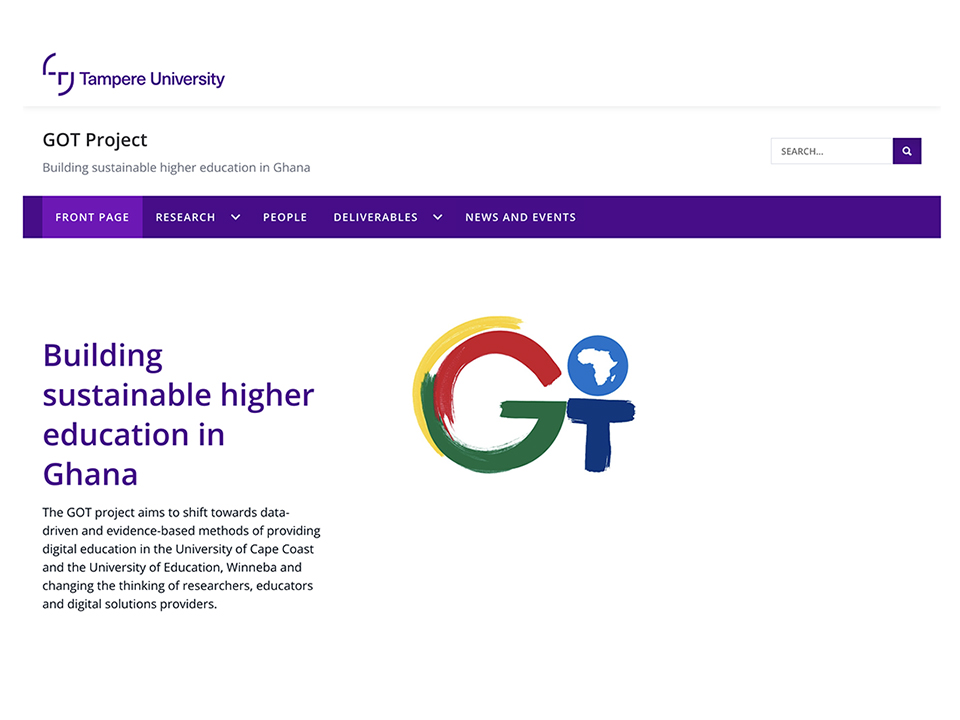
This link takes you to the main project page. From there, you can access most of the research publications on the project. You can also have information on the partners and the people involved in the project.
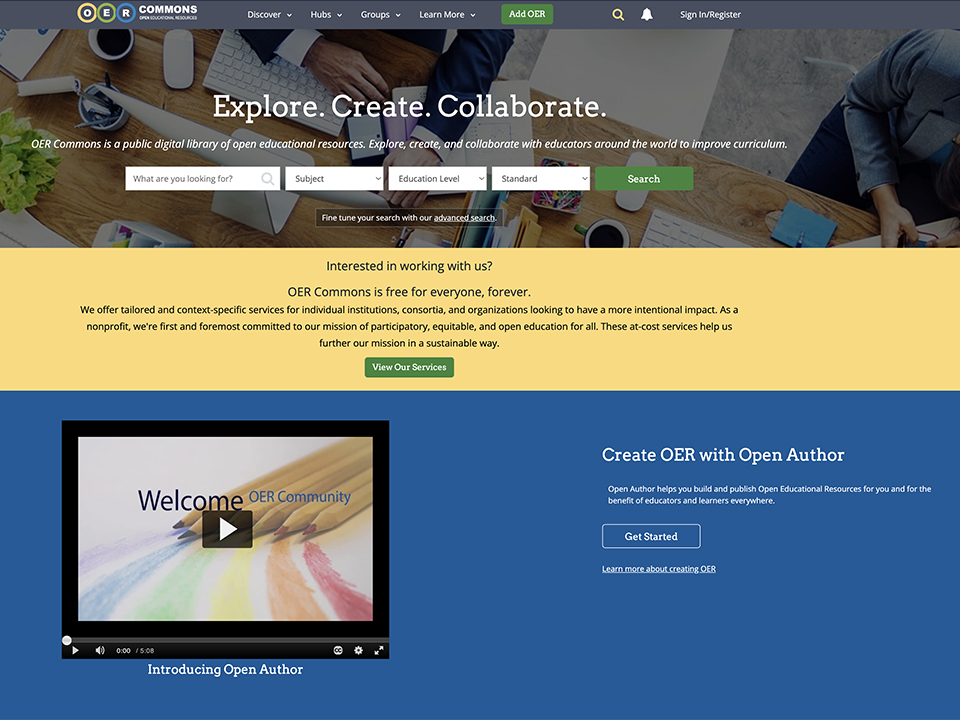
This link takes you to the project dissemination OER Commons lessons. The page has been set up to provide an avenue to share knowledge, tools, and best practices with a broader audience.

This link takes you to the project YouTube dissemination channel. The channel provides access to training videos developed by digital literacy champions and highlights tools and best practices with a broader audience.
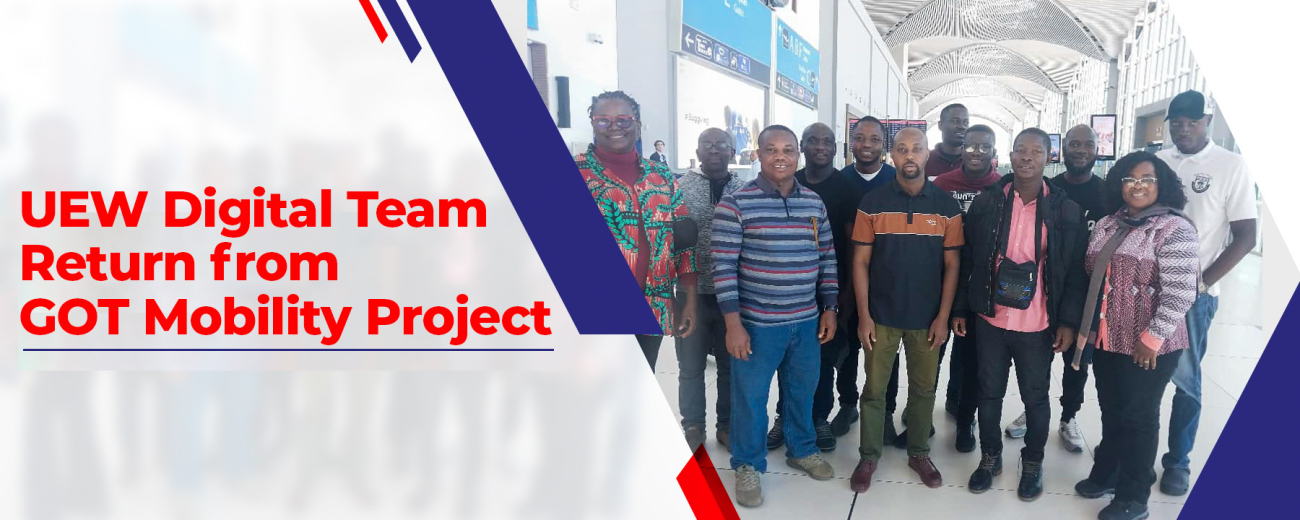
Building sustainable higher education in Ghana
The GOT project aims to shift towards data-driven and evidence-based methods of providing digital education in the University of Cape Coast and the University of Education, Winneba and changing the thinking of researchers, educators and digital solutions providers.
International collaboration aiming development of digital education innovation & delivery
The project focuses on enhancing professional development for higher education teachers in Ghana, emphasizing digital delivery capabilities through strategic planning, policy implementation, and active measures. Participating universities are leading in digital learning environments, aiming to create lasting impacts in targeted areas, promoting equality and inclusion by improving educational access across geographical, social, and economic barriers for thousands of individuals.
Funded By
The project is funded by European Union Erasmus+ programme to support education, training, youth and sport. Funded by the European Union. Views and opinions expressed are however those of the author(s) only and do not necessarily reflect those of the European Union or the European Education and Culture Executive Agency (EACEA). Neither the European Union nor EACEA can be held responsible for them.