UEW Leads National Initiative for Creative Pension and Apprenticeship Reform


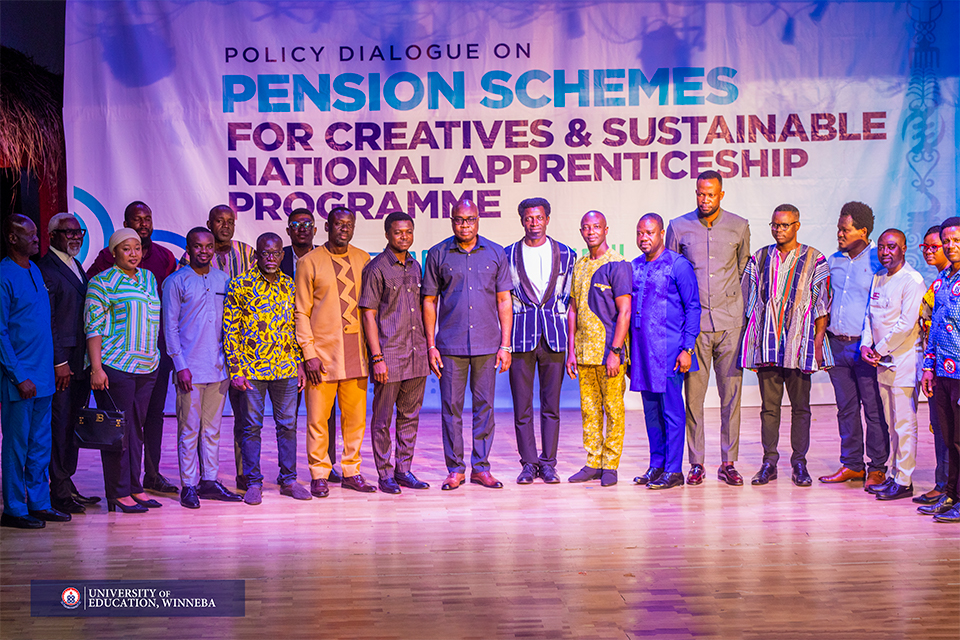
The School of Creative Arts (SCA) at the University of Education, Winneba (UEW) through the Centre for Research in Culture and Creative Arts (CeRCCA) has hosted a national policy dialogue focused on developing a pension scheme for Ghanaian creatives and a sustainable apprenticeship model for the informal sector.
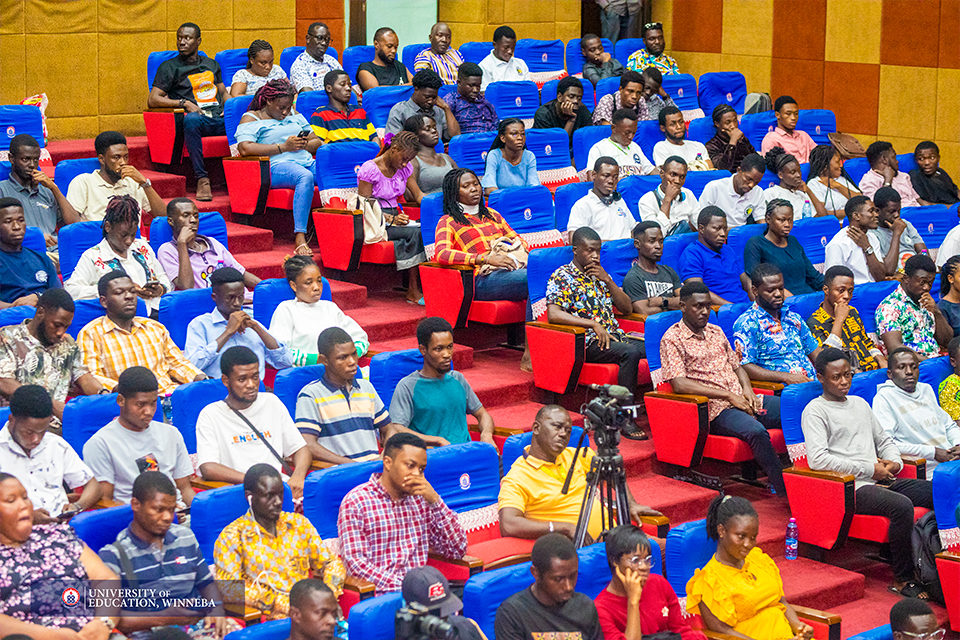
The high-level forum assembled esteemed stakeholders from academia, government, and the creative industries for the presentation and dissemination of research findings in the specified areas. This event took place at the SCA Theatre on Tuesday, 8th July, 2025.
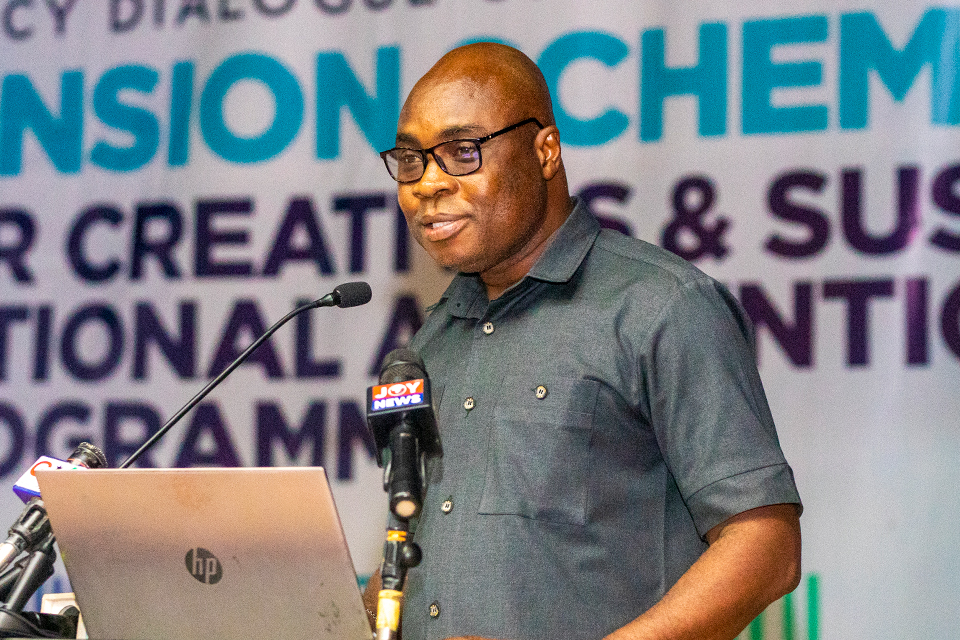
The Vice-Chancellor of UEW, Prof. Stephen Jobson Mitchual commended CeRCCA’s research as a "lifeline for humanity," lamenting how many creatives and informal sector professionals, despite thriving careers, face destitution in old age due to a lack of pension systems. “We have seen artists, movie stars and others still hustling in old age just to survive. That should not be our story,” he remarked.
Prof. Mitchual called for urgent policy reforms to establish creative-specific retirement schemes and scale up apprenticeship training to combat the nation’s 32.8% youth unemployment. “If there is any research that is most relevant today, it is this,” he asserted, urging policymakers to move from “evidence to execution.”
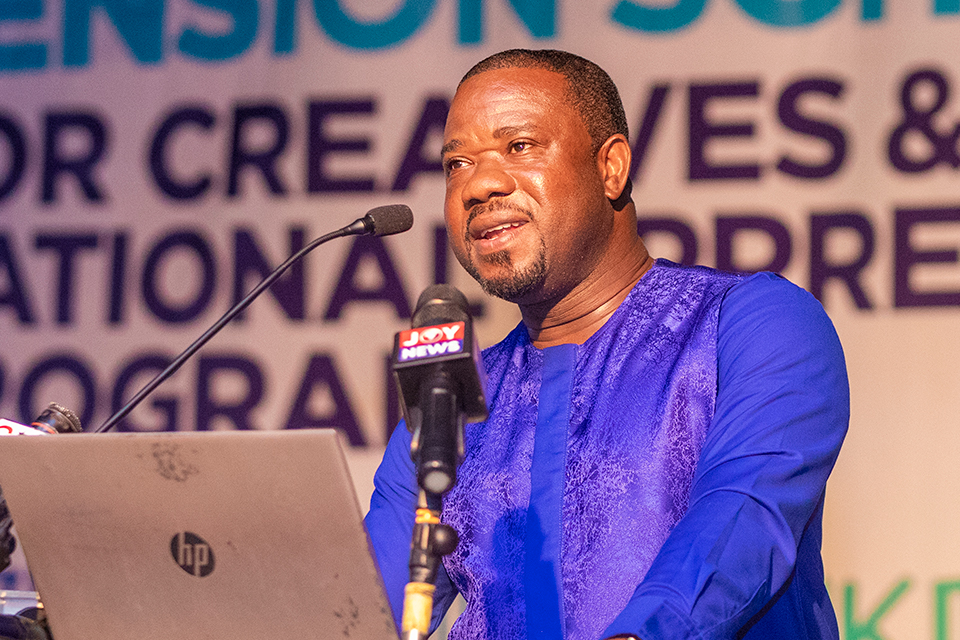
Prof. Evans Asante, Vice-Dean of SCA, echoed this urgency. “We are not just having another academic conversation; this is a national imperative,” he stated. He called for a system that dignifies and secures the future of creatives, artisans and youth in the informal sector.
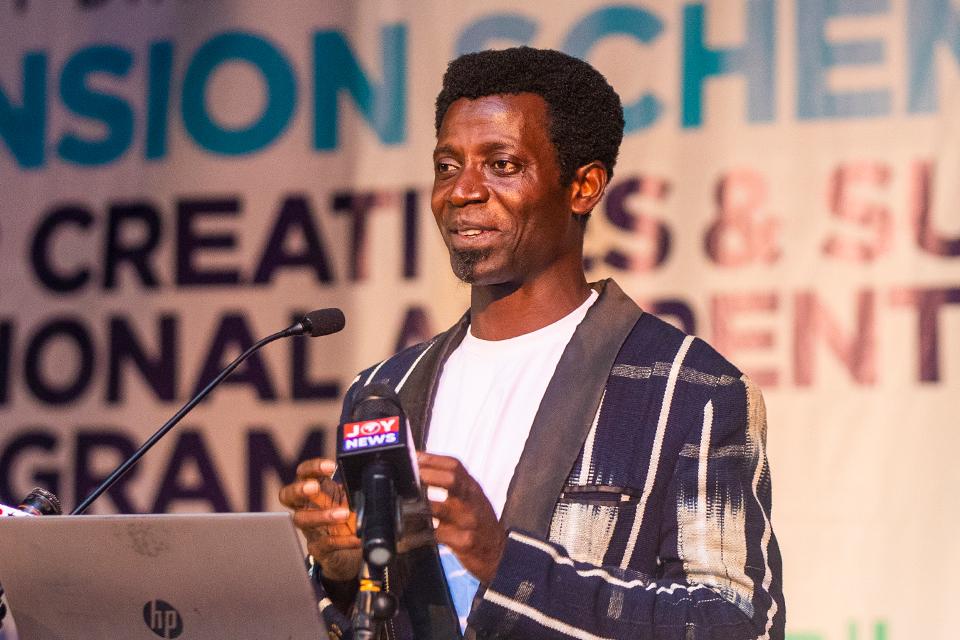
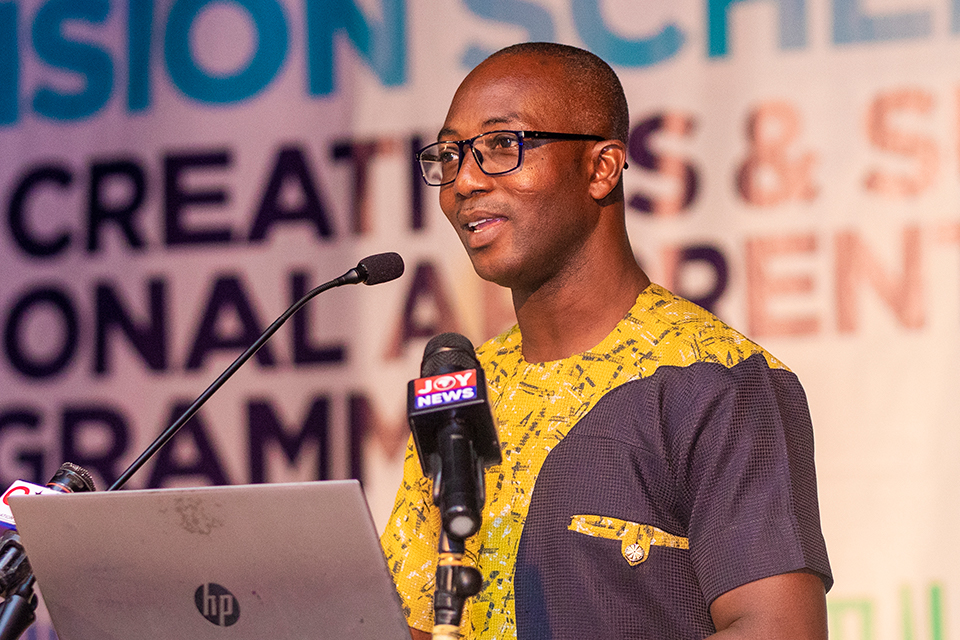
Presenting the research findings, Prof. Osuanyi Quaicoo Essel and Prof. Emmanuel Obed Acquah laid out detailed policy proposals based on comparative studies in Germany, France, South Korea and successful global apprenticeship models. They advocated for legislative reforms, a creative-sector pension fund and a coordinated National Apprenticeship Act that includes both formal and informal sectors.
Prof. Acquah painted a vivid picture of Ghanaian creatives living in poverty after decades of national contribution through music, art, writing and performance. “We celebrate artists in life but forget them in retirement. Let us change that story with legal and structural reforms,” he said.
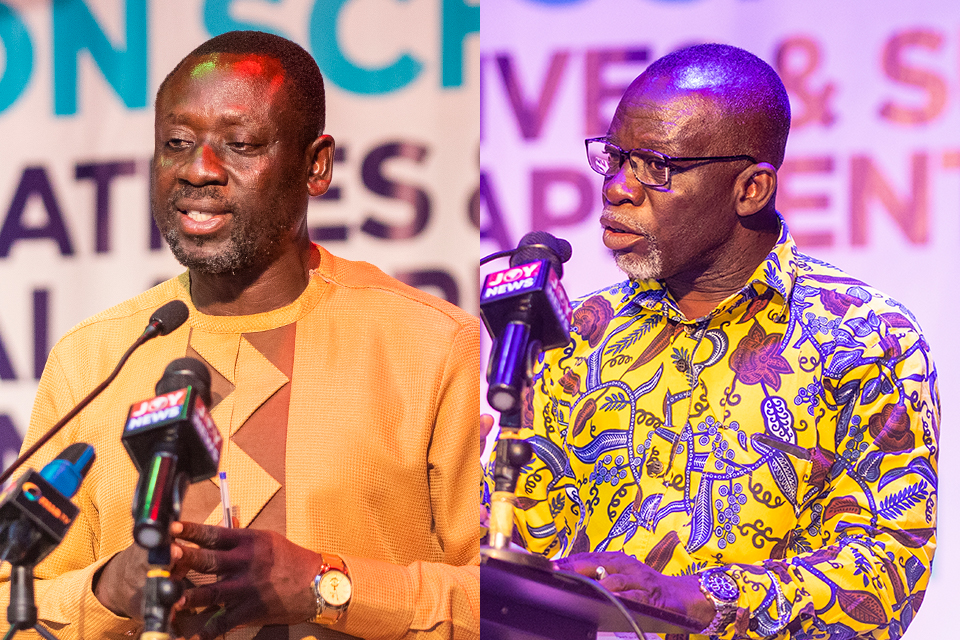
Mr. Abdulai Zakari of the Audiovisual Rights Society and Mr. James Aboagye of the Film Producers Association reinforced the research’s relevance with real-life accounts. They spoke emotionally about veteran creatives living in squalor, unable to access healthcare or housing. They confirmed that irregular income, lack of legal protections and fragmented apprenticeship training continue to plague the sector.
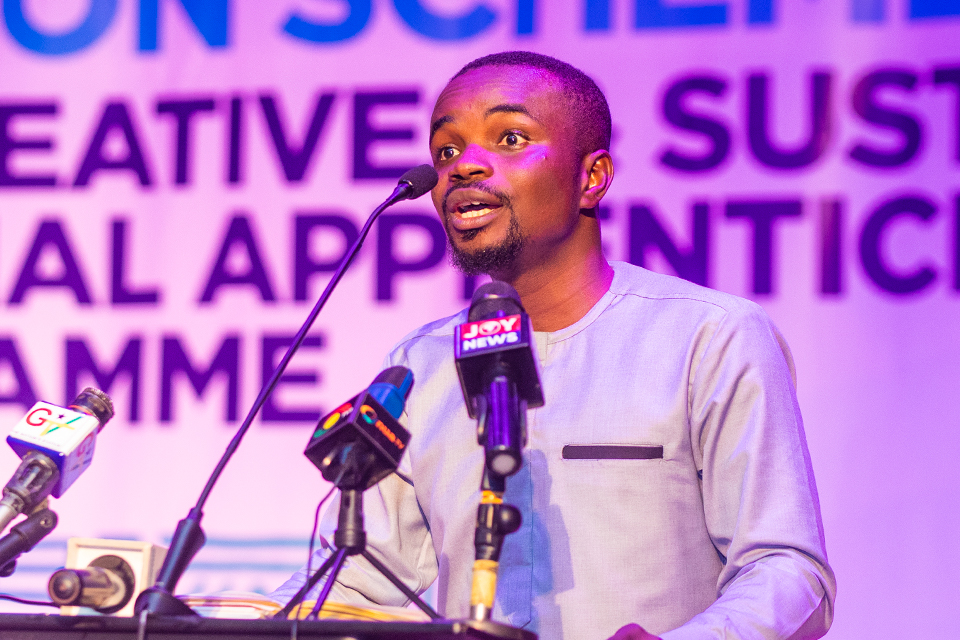
Mr. Jackson Brefo of GHAMRO shared how his organisation had tried to introduce a provident fund scheme for musicians but uptake had been slow due to the voluntary nature of the contribution. “We need a legal framework to make pension contributions mandatory,” he advised.
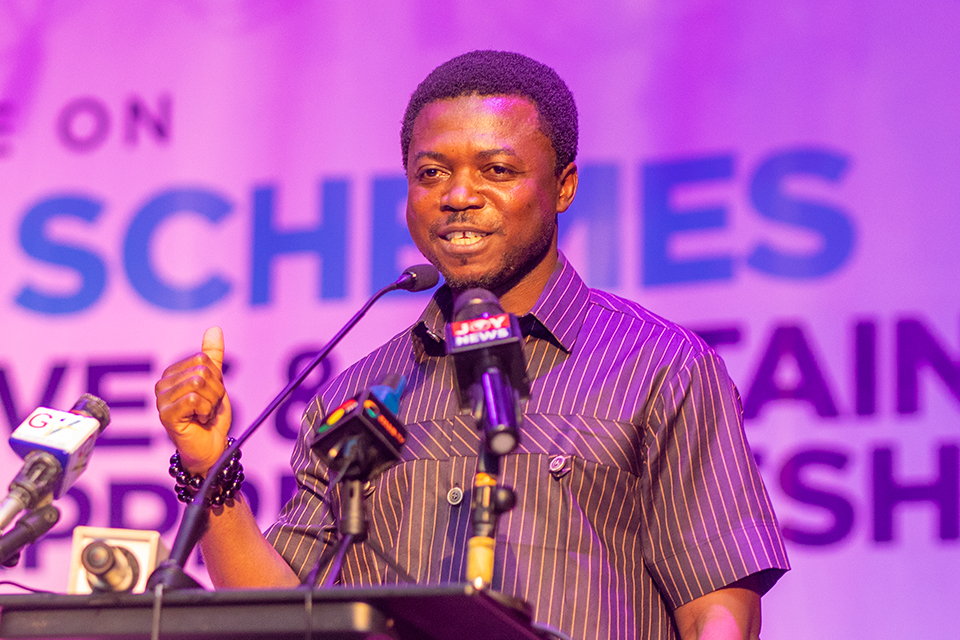
Mr. Nicodemus Derry, National Apprenticeship Coordinator, defended the informal sector’s critical role in Ghana’s economy. “The president cannot go to work without a driver or mechanic; informal workers sustain our nation,” he said. He detailed a new National Apprenticeship Programme targeting youth aged 15–40 with structured training, stipends and standardised curricula to meet industry needs.
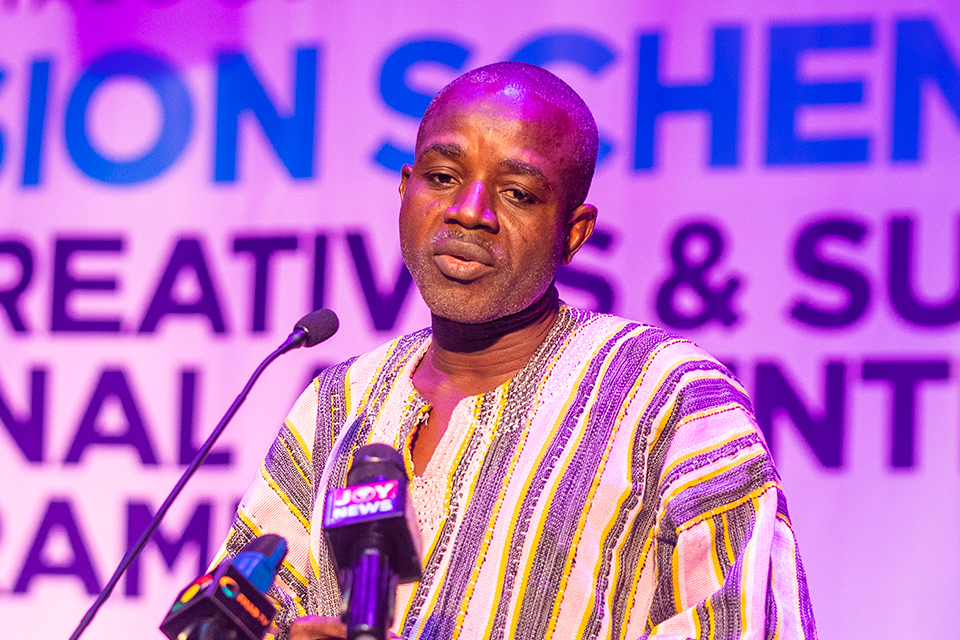
Representatives from the Copyright Office, including Mr. Issa Mahama, emphasised the economic potential of intellectual property and offered institutional support to the initiative while creative sector leaders passionately advocated for legislation to protect the future of their professions.
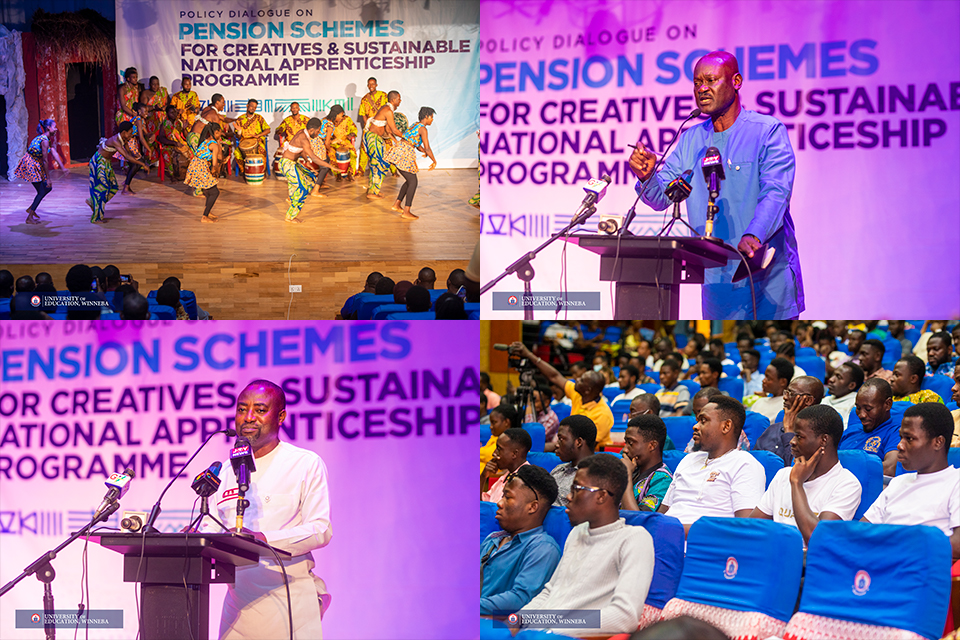
Amid passionate calls and emotional testimonies, one thing became clear—UEW is catalysing a national movement. With rich evidence, compelling narratives and a unified front, the University and its partners are pushing to redefine Ghana’s creative economy—not just as a cultural asset but as a protected, pensionable and professionally structured industry.