UEW, Ideal True Scholar Convene 9th International Conference on Sustainable Futures


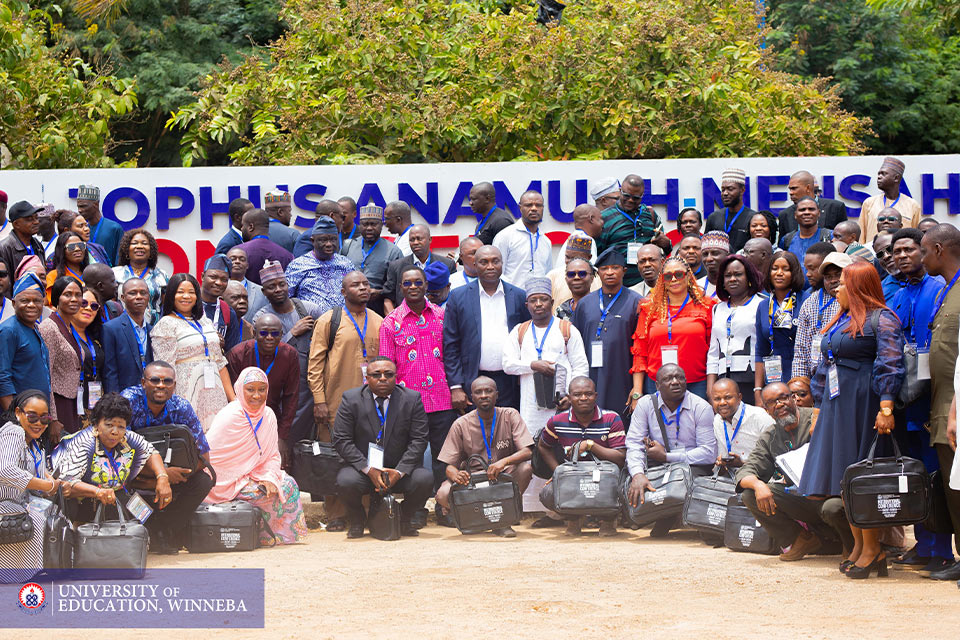
The University of Education, Winneba (UEW), in collaboration with Ideal True Scholar International, has held the 9th International Conference (BCSF 2026), calling for stronger capacities and locally grounded solutions to address complex global challenges.
Held from Tuesday, 25th to Thursday, 27th August, 2026 at the UEW, the conference was organised under the theme, “Building Capacities for Sustainable Futures: Bridging Global Challenges and Local Realities.”
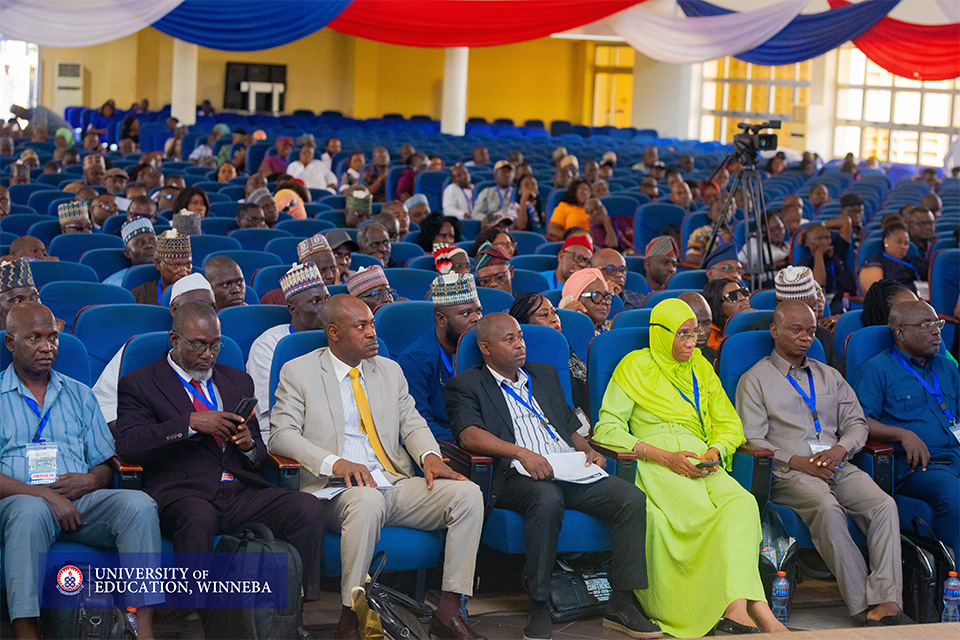
The three-day conference, held in a hybrid format, brought together scholars, practitioners, policymakers, students and other stakeholders to exchange knowledge, share experiences and explore practical responses to challenges such as climate change, environmental degradation, inequalities, technological disruption, health vulnerabilities and the need for quality and relevant education.
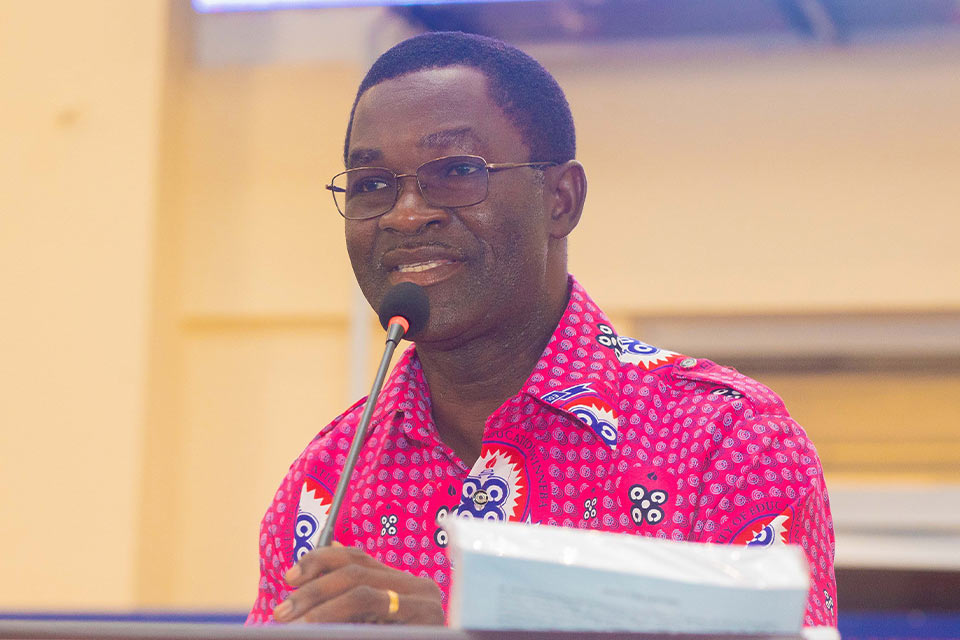
Delivering the keynote address at the opening on behalf of the Vice-Chancellor of UEW, Prof. Fred Yao Gbagbo, the Dean of the Faculty of Health, Allied Sciences and Home Economics Education, said sustainable solutions to global challenges must be grounded in local contexts, knowledge systems and capacities.
He said the challenges facing societies were global in nature but their solutions could not simply be imported. He stressed the need for collaborative scholarship, innovative practices, policy dialogue and deliberate efforts to strengthen human and institutional capacities.
Prof. Gbagbo noted that education remained a foundational pillar for sustainable development, with the quality of educators, relevance of curricula, strength of research and effectiveness of partnerships determining whether future generations would inherit challenges or opportunities.
He said the conference therefore provided an important platform to bridge the divide between global and local perspectives, theory and practice, research and policy as well as aspirations and implementation.
“Let us move beyond diagnosis to the design of actionable pathways,” Prof. Gbagbo urged participants, emphasising that discussions at the conference should translate into improved policies, innovative programmes, stronger institutions and empowered communities.
He further reaffirmed UEW’s commitment to expanding access to quality teacher education, strengthening research that addresses societal problems, deepening industry and community engagement and preparing graduates who are adaptive, ethical and solution-oriented.
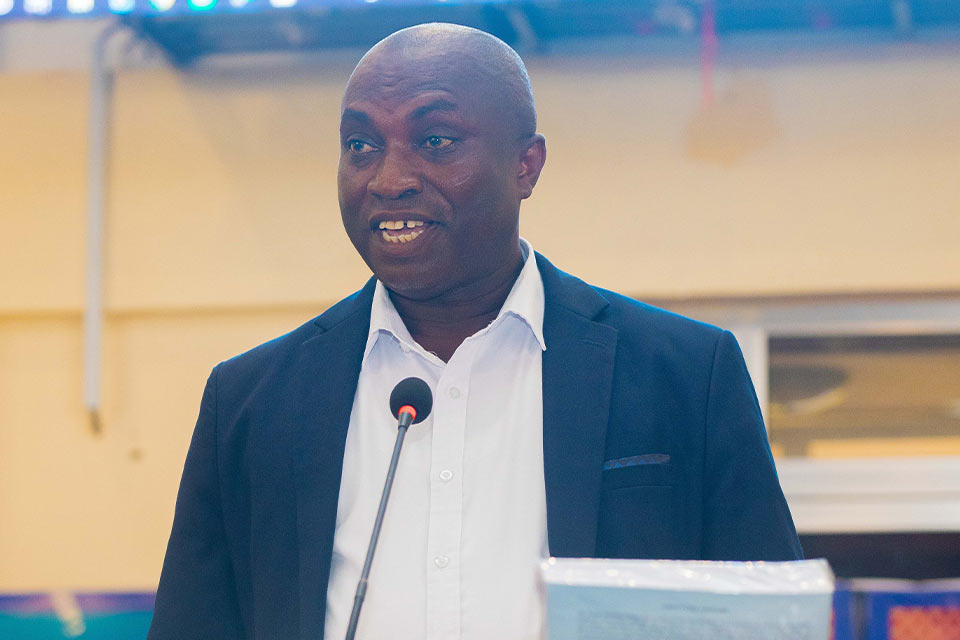
Prof. Hinneh Kusi, the Chairman of the Local Organising Committee and Dean of the School of Education and Life-Long Learning, said the conference was designed to move beyond identifying global challenges to developing practical and context-sensitive solutions.
Prof. Kusi said the collaboration between UEW and Ideal True Scholar International demonstrated the importance of combining global knowledge with local insight and creating opportunities for scholars, policymakers, practitioners and young leaders to engage in meaningful dialogue.
He encouraged participants to use the conference to strengthen individual, institutional and community capacities while building networks capable of sustaining collaboration beyond the three-day event.
The conference featured parallel sessions for the presentation of research papers across themes including Education and Lifelong Learning, Business and Management Sciences, Social Science and Governance, Science, Technology and Innovation, Art, Media and Communication, Health and Climate Resilience, and AI and Emerging Technologies.
It also included tutorials, workshops and exhibition sessions to provide participants with opportunities for knowledge sharing, professional development and engagement beyond formal paper presentations.
The Local Organising Committee comprised Prof. Hinneh Kusi (Chair), Prof. Patricia Mawusi Amos, Prof. Paul Kobina Effrim, Mr. Israel E. Fugar (Secretary) and Prof. Sam Pedro (responsible for Media and Publicity).
The conference generated actionable ideas, partnerships and commitments that could contribute to building resilient individuals and institutions, as well as advancing sustainable development at local, national and global levels.