UEW Commemorates African Union Day with Roundtable on Culture and Inclusivity


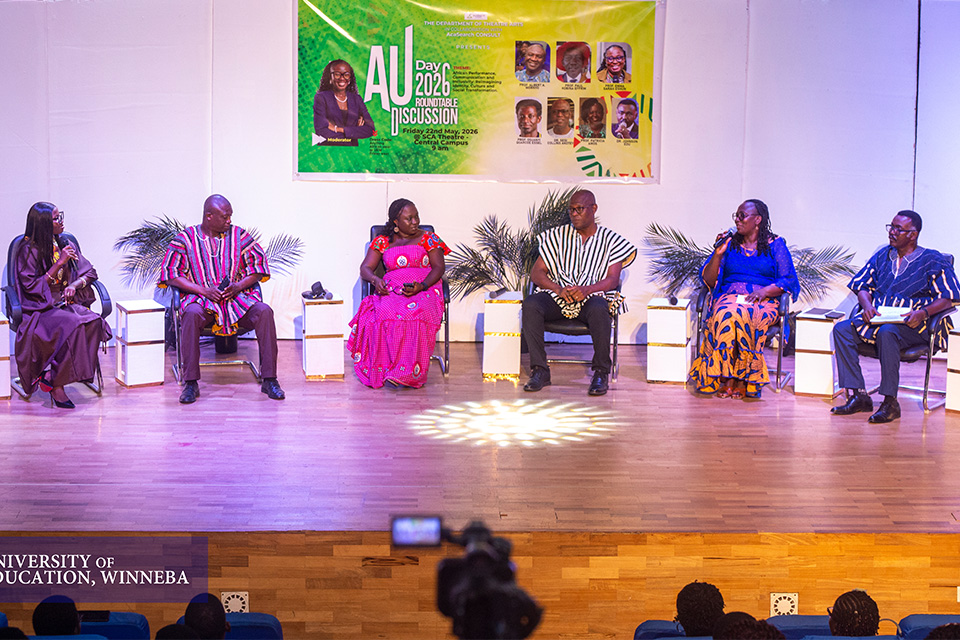
The Department of Theatre Arts at the University of Education, Winneba (UEW) in collaboration with AcaSearch Consult has organised a roundtable panel discussion to commemorate the 2026 African Union Day.
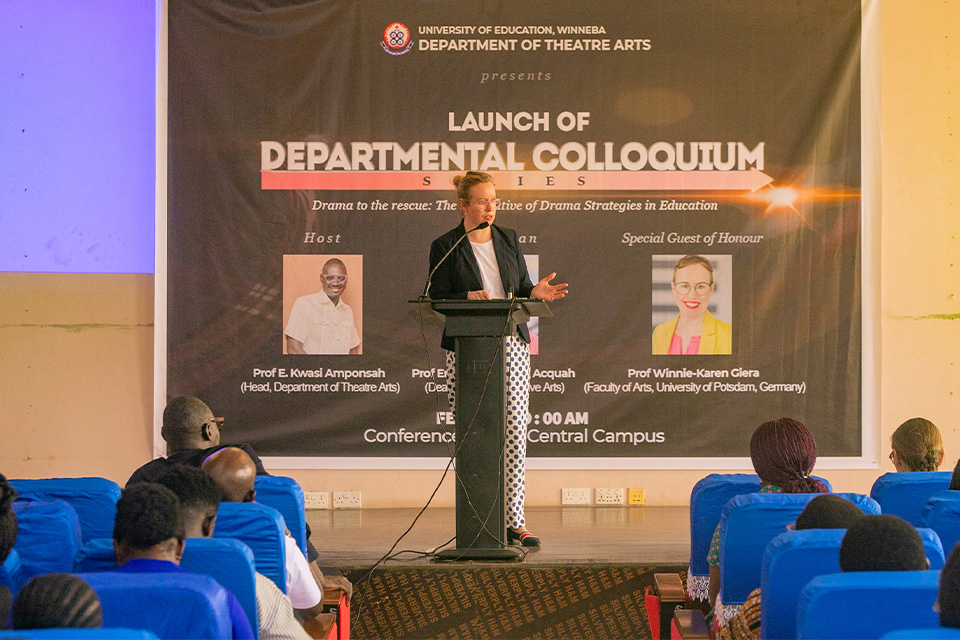
The event, which took place at the School of Creative Arts (SCA) Theatre on Friday, 22nd May, 2026, was held under the theme, “African Performance Communication and Inclusivity: Reimagining Identity, Culture and Social Transformation.” The event brought together academics, students and cultural practitioners to discuss the role of African performance traditions in preserving cultural identity and promoting social transformation.
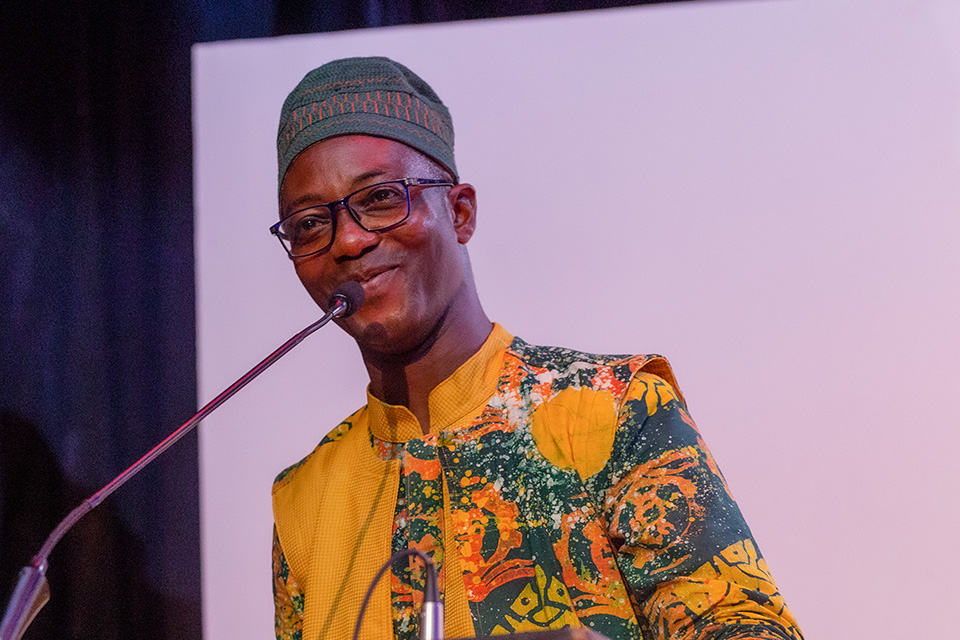
In his welcome address, Prof. Emmanuel Obed Acquah, the Dean of SCA, described African performance traditions as important tools for communication, education and social cohesion. He explained that storytelling, music, dance and proverbs have historically served as means of preserving values, educating communities and promoting unity within African societies.
Prof. Acquah stressed the need for African institutions, particularly UEW, to continue promoting African cultural scholarship and preserving indigenous traditions in the face of globalisation. He further highlighted the importance of inclusivity in African performance spaces, calling for equal representation of women, persons with disabilities and marginalised groups in cultural activities and national development.
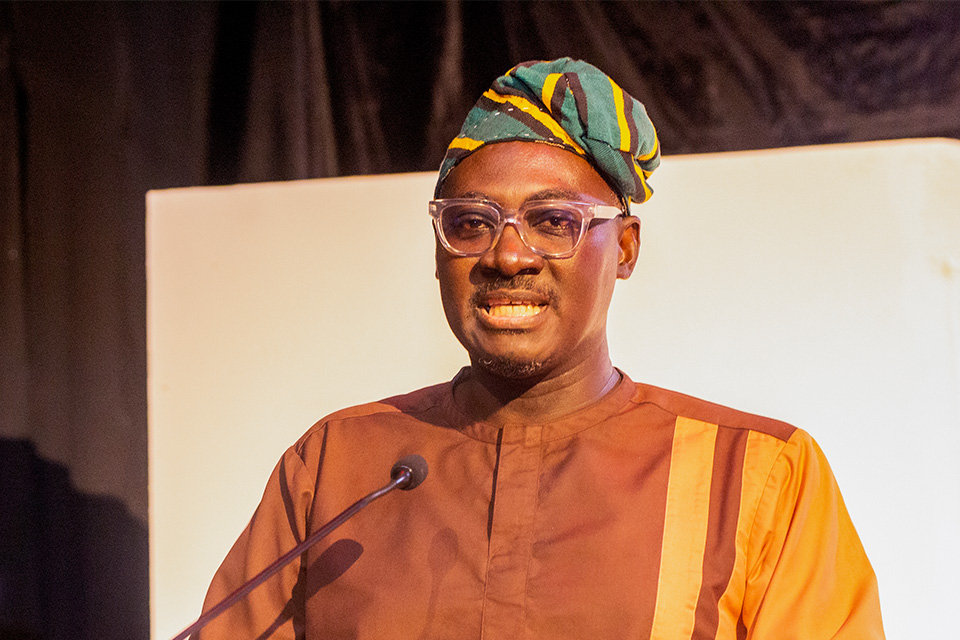
Prof. Ernest Kwasi Amponsah, Head of the Department of Theatre Arts and Chairperson of the programme, encouraged participants to actively engage in discussions and share ideas on African identity, communication and culture. He noted that the roundtable was intended to serve as a platform for intellectual exchange and meaningful dialogue among participants both onsite and online.
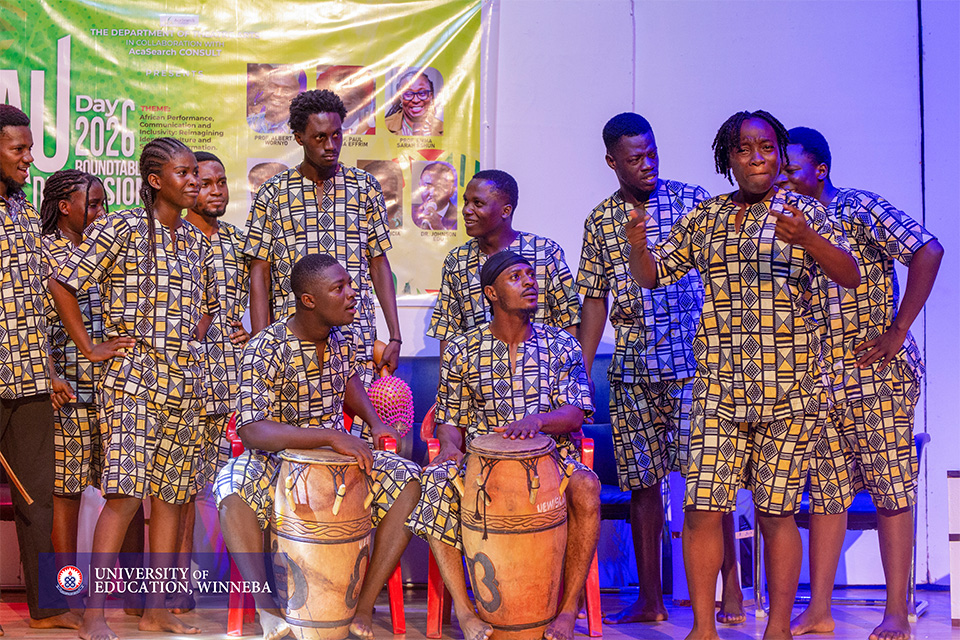
The event also featured a cultural performance by the Ekyinkyin Dance Troupe, showcasing the richness of African artistic traditions.
The call for deeper engagement with African cultural identity and communication was further amplified during the panel discussion moderated by Ms. Ethel Sokuu Agbang. The discussion featured distinguished faculty members of the UEW, namely Prof. Albert Agbesi Wornyo, Prof. Emma Sarah Eshun, Prof. Osuanyi Quaicoo Essel, Prof. Patricia Mawusi Amos, Dr. Sesi Collins Akotey and Dr. Johnson Edu. They examined the relevance of African performance, communication and cultural utility within contemporary globalised spaces.
Opening the discourse, panellists emphasised that African performance and communication are deeply rooted in cultural connotations that naturally foster communal solidarity and inclusivity. Traditional communication is not static or devoid of contemporary relevance; rather, it is highly participatory.
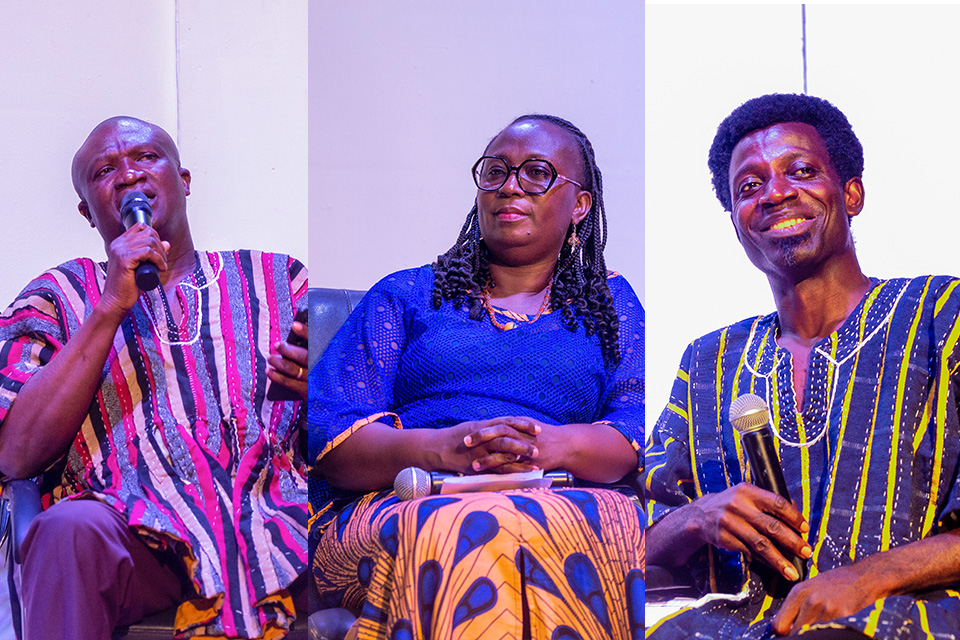
Prof. Wornyo clarified that the African theory of ‘Sankofa’ going back to the past to retrieve what is lost does not mean living in the past. Instead, it is a tool to learn from historical mistakes, trace the root causes of economic disparities and modify suppressed cultural strengths (like indigenous medicine) for modern utility.
Prof. Emma Eshun emphasised that African performance and communication systems remain deeply rooted in traditional and cultural values that continue to promote unity, inclusivity and social cohesion in contemporary society. She explained that indigenous communication forms such as gong-gong beating, traditional attire, dance and communal gatherings serve as important cultural tools that bring people together regardless of age, gender or social status while reinforcing solidarity and collective identity within African communities.
Prof. Essel delivered a sharp historical critique, reminding the audience that Africa's modern divisions began at the 1884 Berlin Conference where Europeans used a "divide and rule" strategy. He warned that this colonial mentality trickled down to making Africans reject their indigenous names and local communities. He urged academics to decolonise their minds and leverage Africa's massive collective strength.
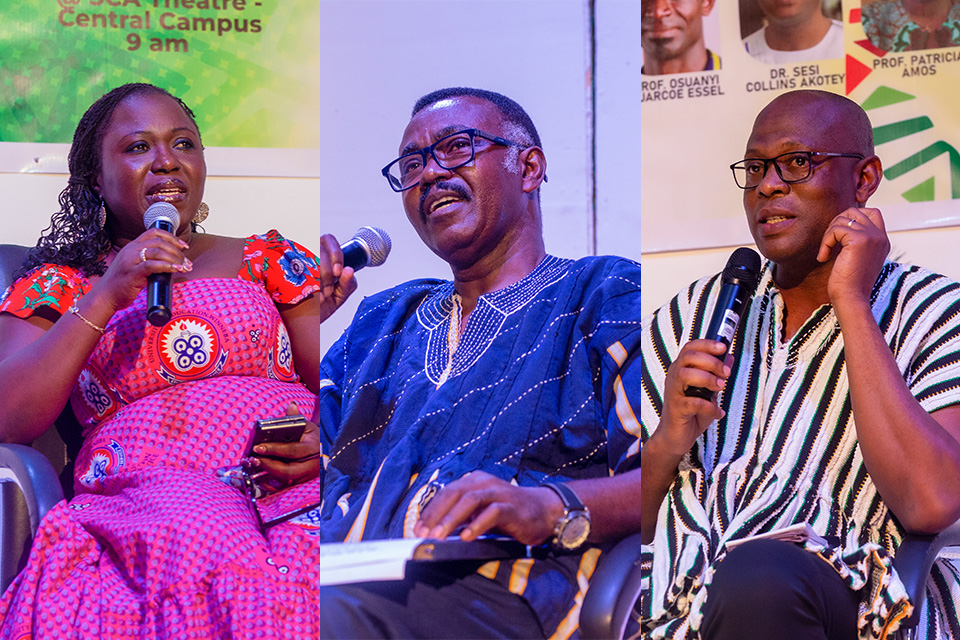
Prof. Patricia Amos argued that while Africa is immensely rich in natural resources, an individualistic mindset keeps the continent fragmented. She challenged Africans to actively look beyond language differences, regional biases and cultural barriers to build true continental solidarity.
Dr. Edu warned that relying purely on default Western AI structures allows outsiders to project a stereotypical narrative of Africa. He urged African experts and content creators to creatively "colonise" AI by embedding local symbols, indigenous musical notes and cultural elements into digital frameworks.
Dr. Akotey stated that inclusivity must move beyond basic textbook definitions and look past narrow definitions of visible disabilities. “True accessibility means proactively designing physical spaces and creative arts for everyone, such as integrating sign language into live theatre and ensuring digital captioning for the online audience to accommodate hearing-impaired individuals,” he remarked.
The programme is part of the SCA's efforts to advance African-centred scholarship, cultural awareness and inclusive dialogue within the university community and beyond.