UEW and Partners Boost Emergency Response with AfroSAFE Training


The University of Education, Winneba (UEW) in partnership with the National Ambulance Service (NAS) and NTU International A/S, has held a two-day Post-Crash Care Integrated Training Programme for emergency care providers under the Safe System for Radical Improvement of Road Safety in Low- and Middle-Income African Countries (AfroSAFE) project.
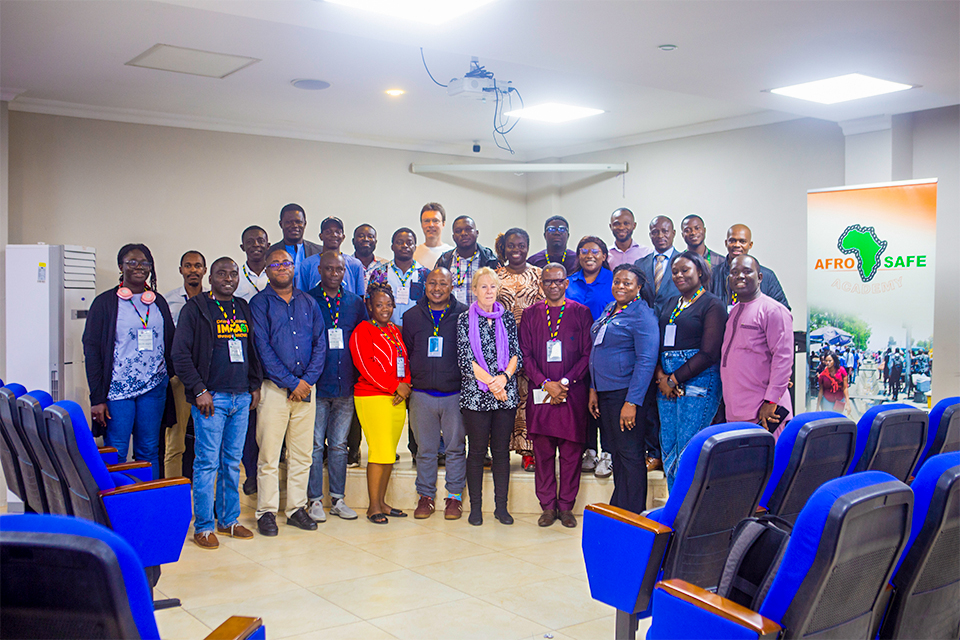
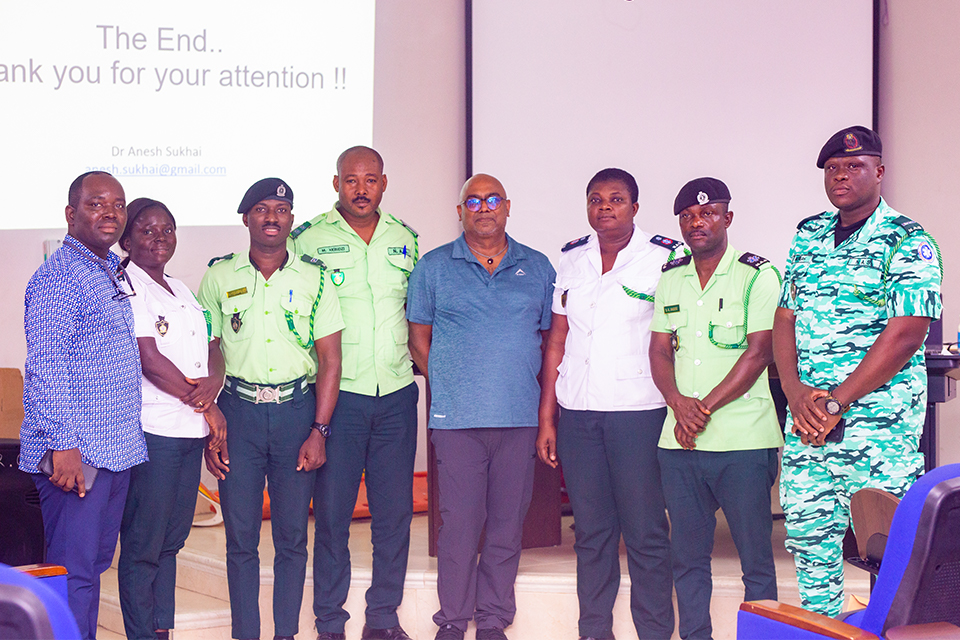
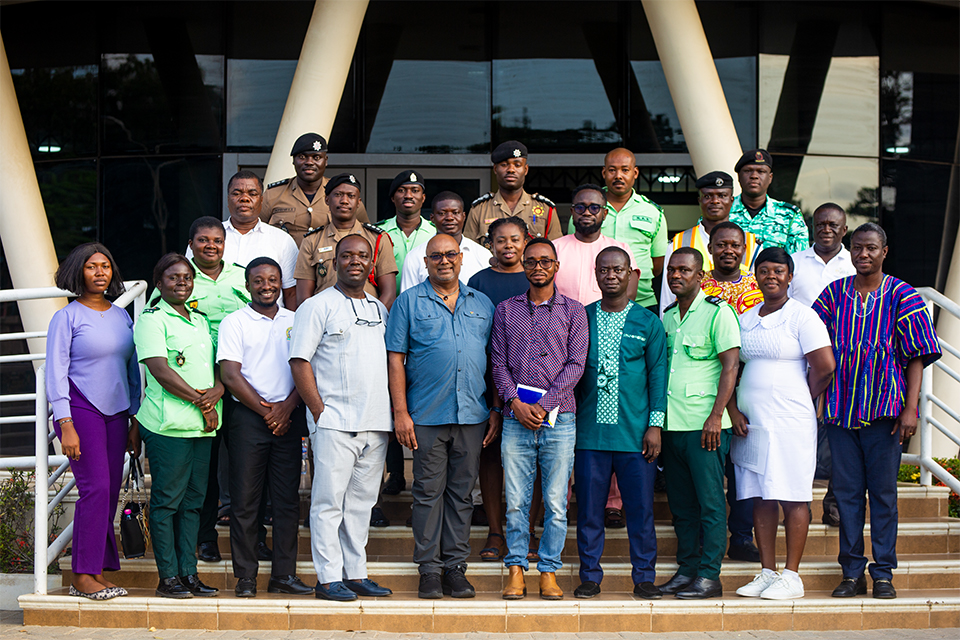
The intensive training, which took place on Tuesday, 11th, and Wednesday, 12th November 2025, at the Students Centre Seminar Room III, brought together key personnel from the Ghana National Fire Service (GNFS), Ghana Police Service (MTTD), Ghana Red Cross Society, NAS and health practitioners from the UEW Hospital and the Winneba Municipal Hospital.
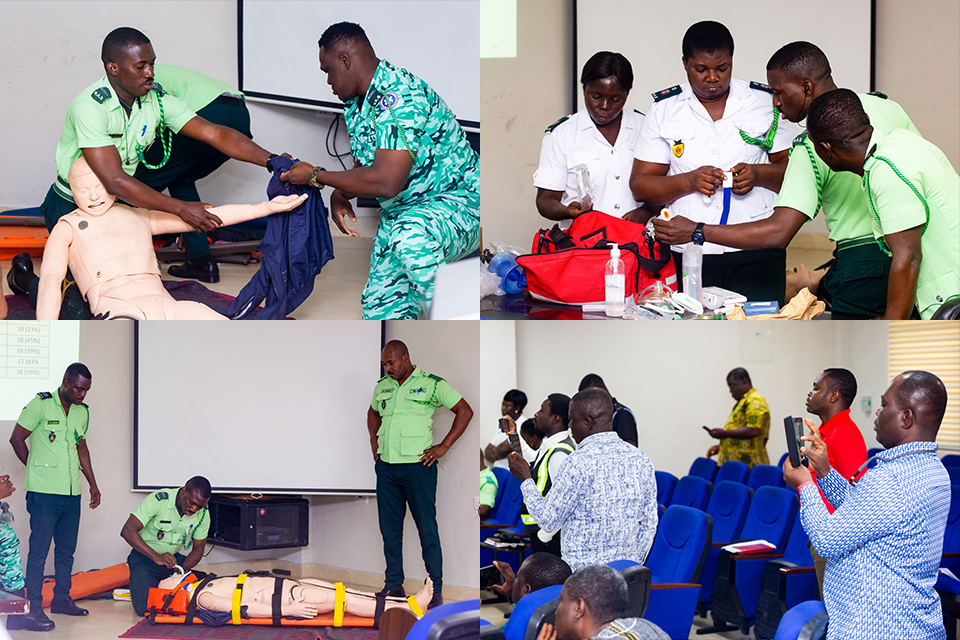
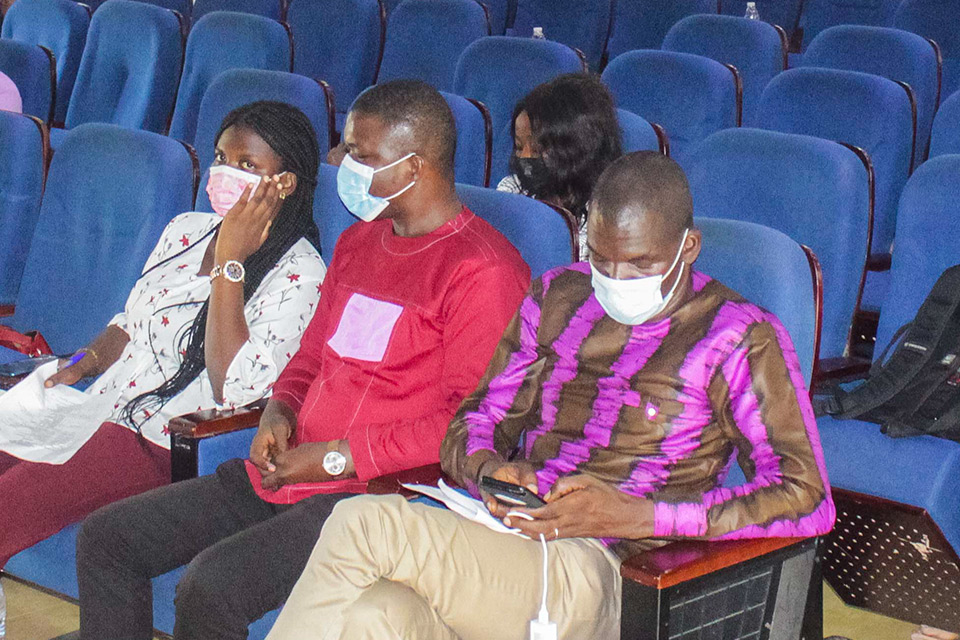
Participants underwent a combination of theoretical and practical sessions, demonstrations and simulations to improve post-crash emergency response and save lives during the critical moments following road accidents.
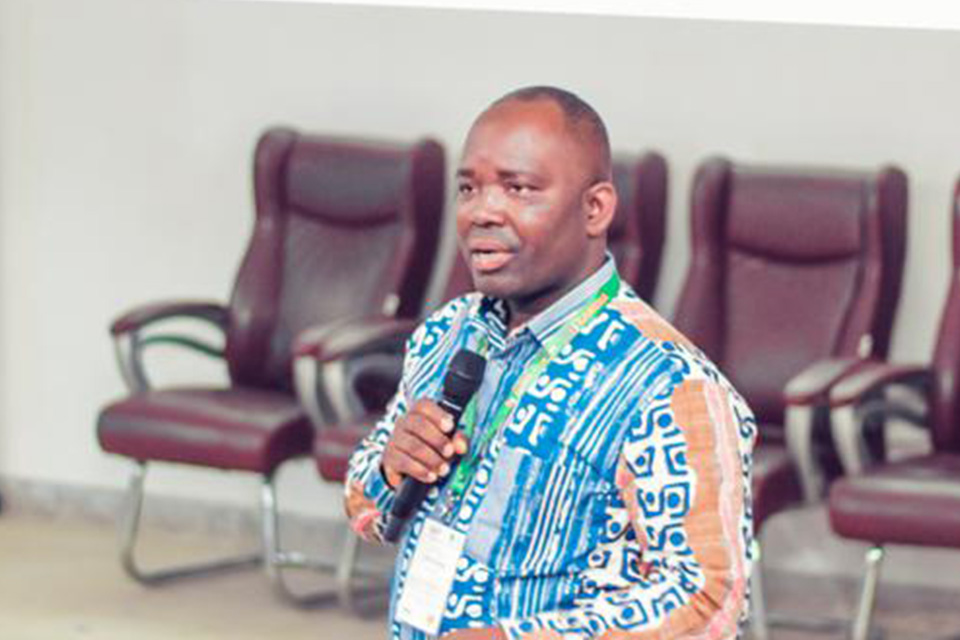
Opening the training, Prof. Enoch F. Sam, Director of the Directorate of Research, Innovation and Development (DRID) and Country Lead and Partner for the AfroSAFE Project in Ghana, underscored UEW’s commitment to advancing research-based solutions that address national and continental road safety challenges. He explained that the AfroSAFE project, a four-year initiative running from 2022 to 2026, involves partners from Ghana, Tanzania and Zambia, as well as four European countries—Denmark, Norway, the Netherlands and Sweden—all of which are globally recognised for their exemplary road safety systems.
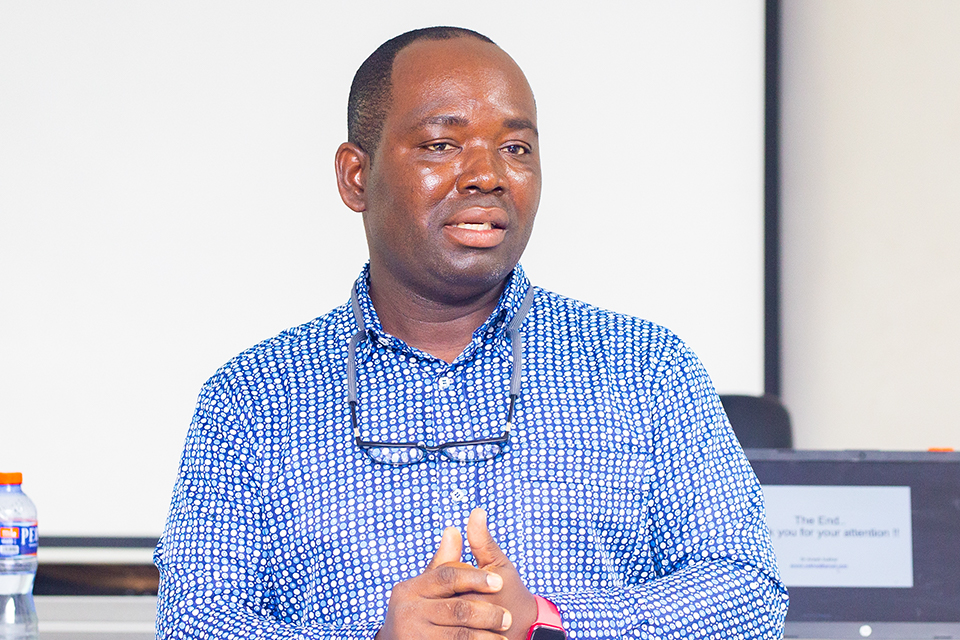
“The AfroSAFE project is anchored on the Safe System approach, which has five key pillars— safe road users, safe roads, safe vehicles, safe speeds and post-crash care. Our focus for this training is on post-crash care, pillar five, because improving how we rescue and treat crash victims within the ‘golden hour’ can be the difference between life and death,” he stated.
Prof. Sam revealed that research conducted along the Cape Coast–Accra Highway showed that many community members often attempted to help crash victims without proper training, inadvertently worsening injuries. “We have not reached the stage where we can prevent all crashes but we can certainly improve survival outcomes by equipping responders with the right knowledge and skills,” he remarked.
Prof. Sam reaffirmed UEW’s readiness to serve as a national hub for road safety research and training. “The University is proud to contribute to a cause that directly impacts national development and public welfare. This collaboration under AfroSAFE is a clear example of how academia can bridge research and real-world impact,” he concluded.

Dr. Anesh Sukhai, Post-Crash Care Specialist and Advisor at NTU International A/S, elaborated on the broader goal of the AfroSAFE programme to build an integrated and collaborative emergency response system.
“This initiative goes beyond clinical training; it is about upskilling both trained and non-formally trained emergency care providers—ambulance drivers, firefighters and first responders—while promoting joint working strategies across all emergency services. Too often, agencies operate in isolation but saving lives after a crash requires coordination, communication and a shared understanding of roles,” he emphasised.
Drawing from two decades of experience in trauma systems and public health, Dr. Sukhai highlighted that over 90% of trauma-related deaths occur in low- and middle-income countries, with many victims dying before reaching hospital care. “Studies indicate that effective emergency response could prevent over half of trauma deaths and a third of disabilities. This training is therefore about systems thinking—linking clinical response, pre-hospital intervention and rehabilitation to achieve better survival outcomes,” he said.
He cautioned against merely copying high-income countries’ systems, urging African nations to develop context-specific, homegrown solutions. He called for greater public education on the use of Ghana’s Universal Access Number (112) and integration of emergency communication systems to enhance coordination among ambulance, fire and police services. “Our ultimate goal is to build an emergency response system that is trusted, accessible and effective, one that ensures no life is lost because help arrived too late,” he said.
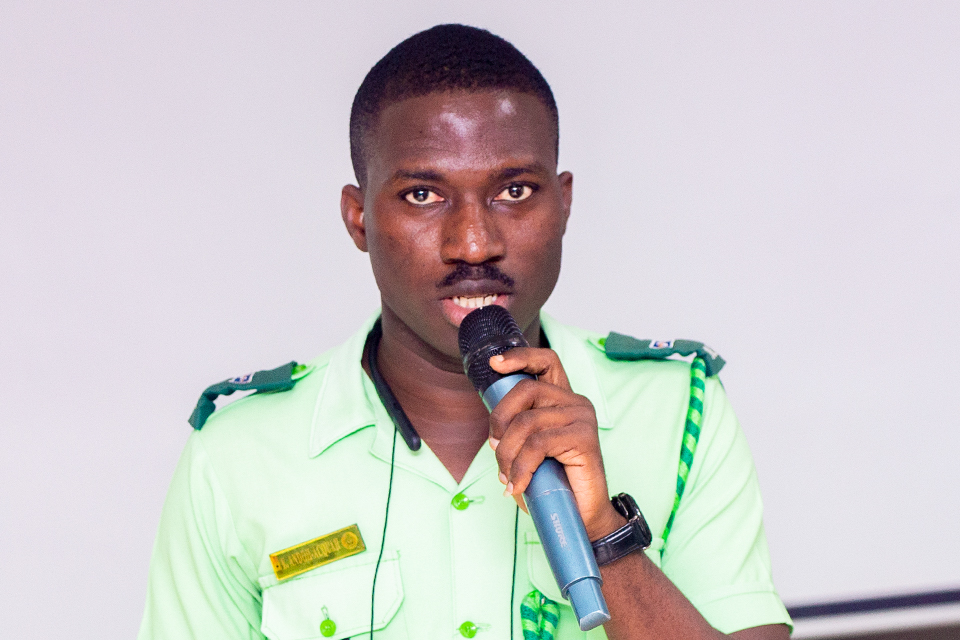
Participants engaged in intensive hands-on sessions facilitated by SEMT Ebenezer Andoh-Acquah, Medical Technician, Training and Development Unit, NAS, who demonstrated essential trauma care procedures based on the ABCDE and DRABC approaches (Airway, Breathing, Circulation, Disability, Exposure / Danger, Response, Airway, Breathing, and Circulation).
He underscored that life-saving interventions must occur within the first five minutes of arrival at a crash scene. “Bystanders often rush to those shouting for help, overlooking silent victims who are usually in critical condition,” he cautioned. He trained participants on airway management, bleeding control, spinal precautions and shock prevention, noting that improper handling could result in paralysis or death.
Mr. Andoh-Acquah also demonstrated emergency techniques such as the three-sided chest wound dressing, use of improvised tourniquets, log-roll manoeuvre for spinal protection, and recovery positioning. He urged responders to maintain scene safety, perform rapid patient assessment and apply systematic triage in multiple-casualty incidents.
Over the two days, participants were taken through topics such as: “Post-Crash Care Principles and Frameworks; Background to Post-Crash Trauma Care; Basic Anatomy and Physiology; Safety and Activation of the Emergency Response System; Primary and Secondary Surveys; Multiple Casualty Incidents and TRIAGE; Positioning, Moving, Transporting and Handing Over the Patient; Beyond Clinical Care: Comforting the Patient and Self-Care and Joint Working and Emergency Response Frameworks in Ghana.
The training also introduced participants to the World Health Organisation (WHO)’s tools and frameworks for trauma management including the Emergency Care System Assessment (ECSA) tool, Hospital Emergency Unit Assessment Tool (HEAT) and the WHO Basic Emergency Care (BEC) course, key instruments for evaluating and improving national trauma systems.
Participants expressed appreciation to UEW, DRID and the AfroSAFE project team for organising a highly practical and insightful programme, describing it as “a timely intervention that could save countless lives.”
The training forms part of UEW’s broader mission to promote innovation, research and partnerships that advance sustainable development in Ghana and across Africa.