GRASAG-UEW’s 9th IMCfPS Calls for Educational Transformation


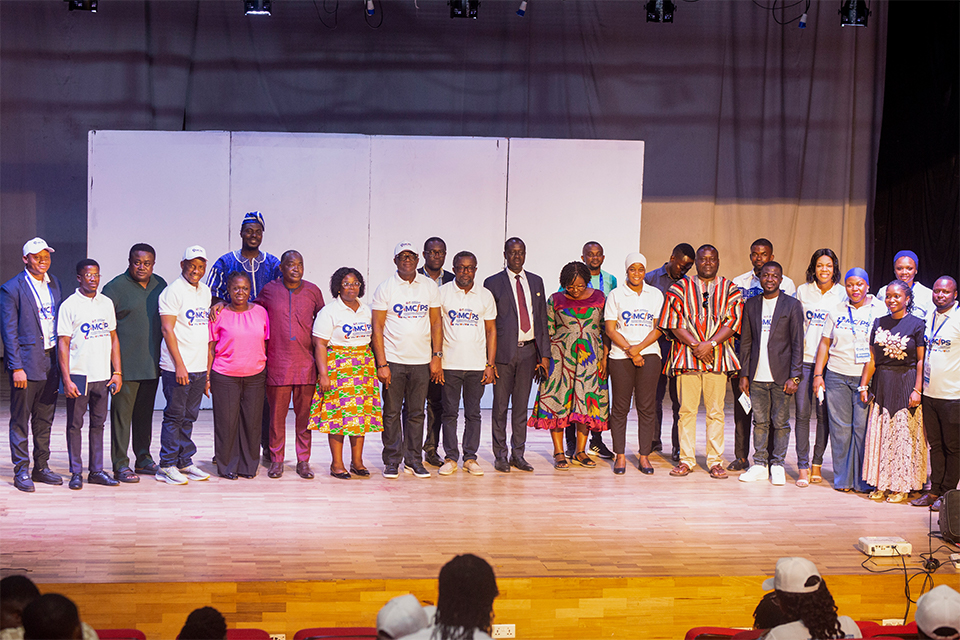
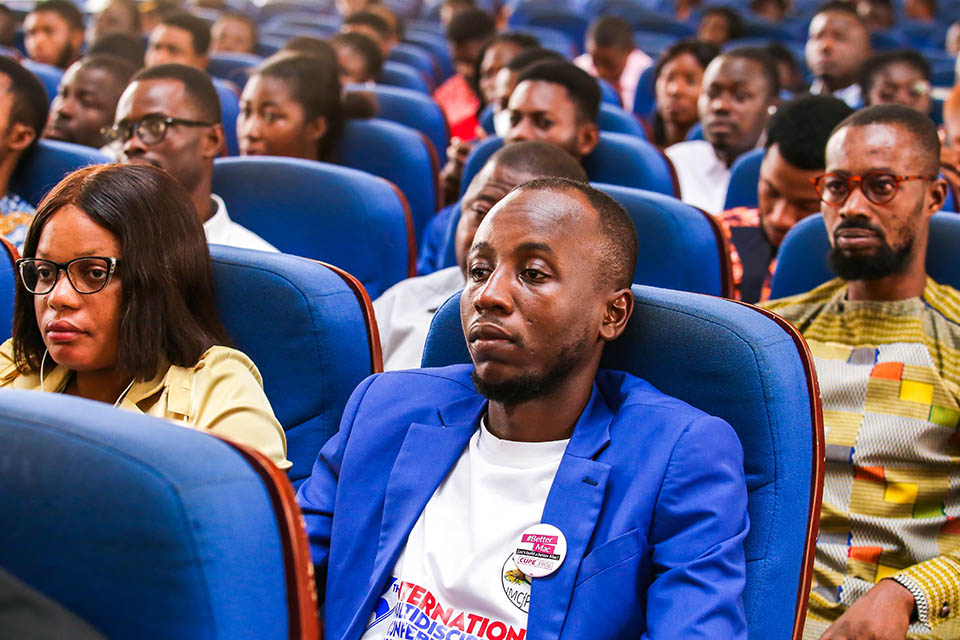
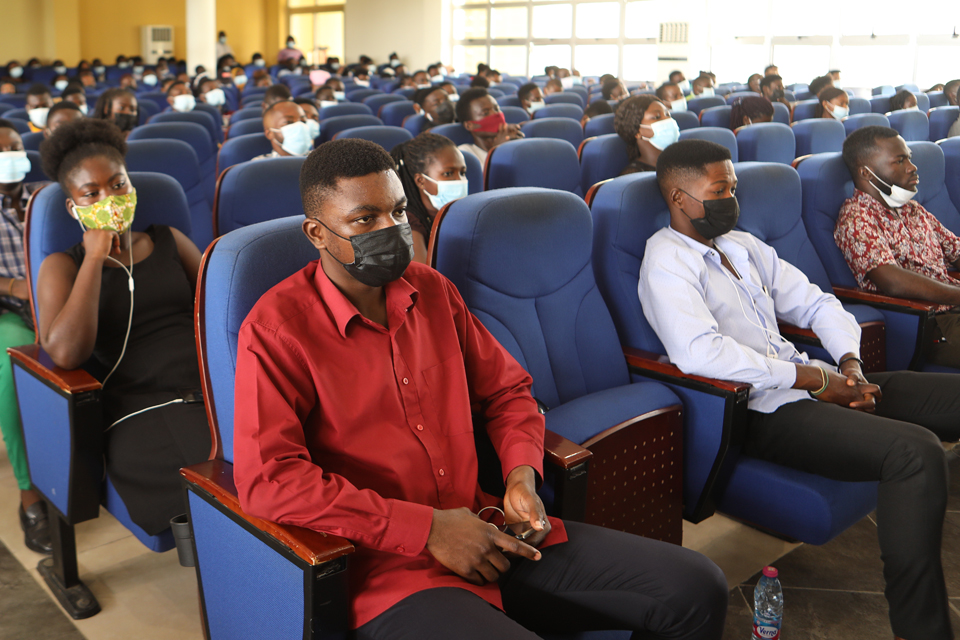
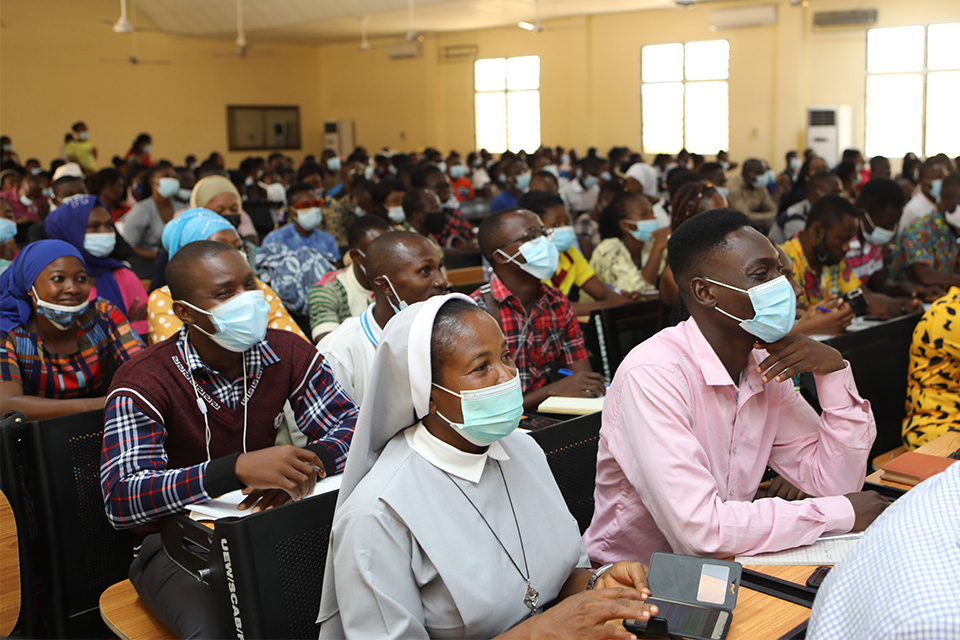
The University of Education, Winneba (UEW) on Thursday, 11th September, 2025, hosted the opening ceremony of the 9th International Multidisciplinary Conference for Postgraduate Students (IMCfPS) at the School of Creative Arts Theatre, Central Campus.
Organised by the UEW Chapter of the Graduate Students’ Association of Ghana (GRASAG-UEW), the conference was held under the theme “Transforming Education for Sustainable Employment.”
The event brought together scholars, students, policymakers and industry leaders to interrogate how postgraduate research can better connect education to sustainable livelihoods in an evolving economy.
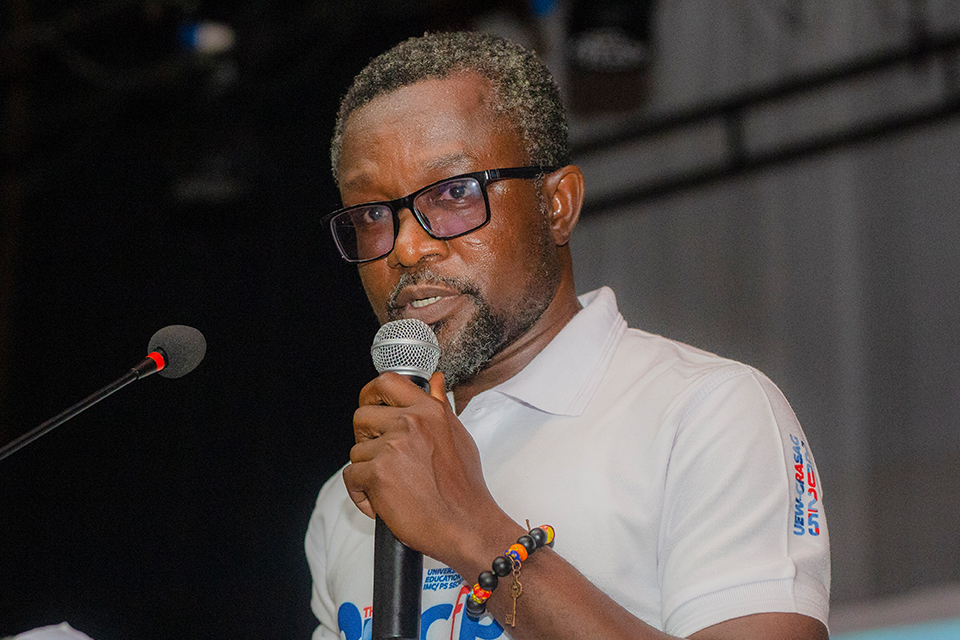
Delivering the Chairman’s acceptance address on behalf of the Vice-Chancellor, Prof. Akwasi Kwarteng Amoako-Gyampah, Vice-Dean of the School of Graduate Studies, underscored the importance of the conference theme. He described the gathering as an opportunity for deep reflection and collaboration. “Education is not merely about classrooms, exams or degrees. It is about shaping lives, fostering creativity and empowering individuals to face the challenges of our era, whether they are climate change, inequality or inclusive growth,” he noted.
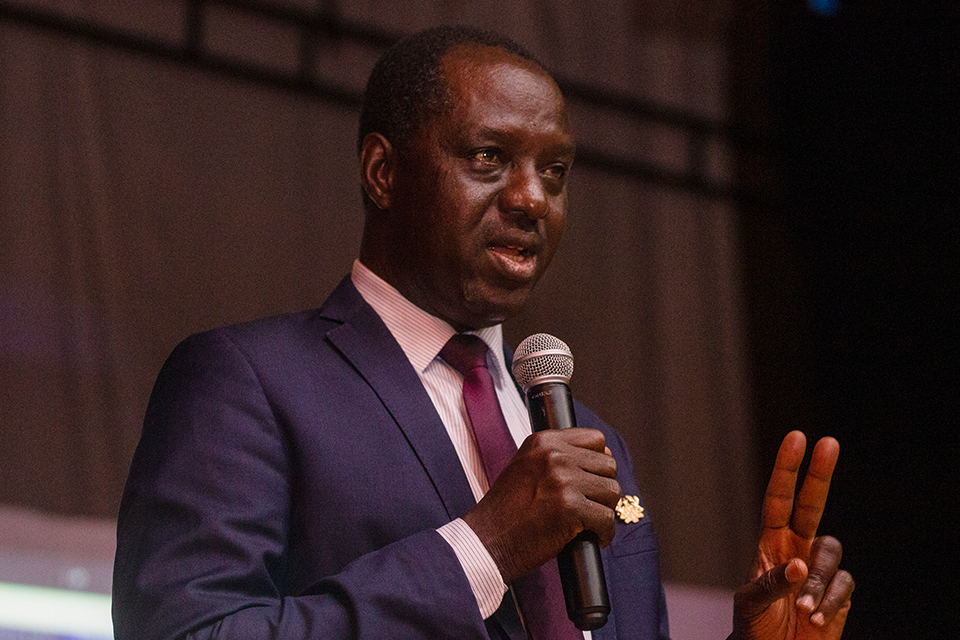
In his keynote lecture, Prof. Samuel Awinkene Atintono, Principal of the Accra College of Education and Chairman of PRINCOF, painted a sobering picture of the disconnect between education and employment. Drawing from his presentation on “Transforming Education for Sustainable Employment,” he identified outdated curricula, limited industry collaboration and an overemphasis on certification as major barriers.
He argued that many graduates leave university theoretically trained but practically unprepared, resulting in widespread underemployment. “Certification does not automatically translate into sustainable jobs. A graduate in agriculture who cannot apply mechanised farming techniques or an IT graduate unfamiliar with current industry tools reflects the crisis we face,” he stressed.
Prof. Atintono called for urgent reforms including stronger internships, industry advisory boards, skills-based curricula and scaling up of Technical and Vocational Education and Training (TVET). He further urged policymakers, lecturers and institutions to “move education beyond the paper attained” and align programmes with real-world needs.
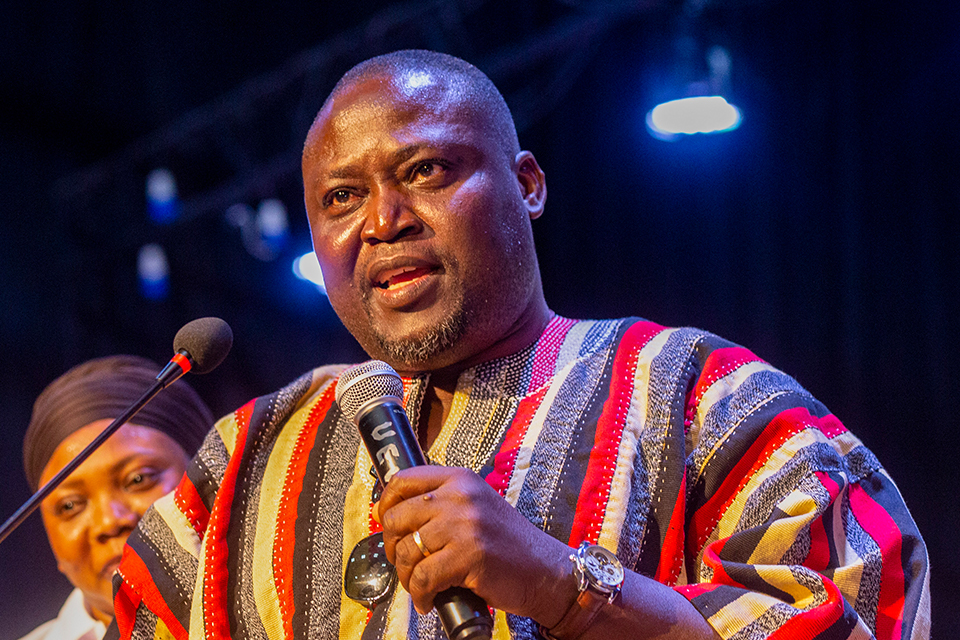
Delivering the guest speaker’s address, Amb. Clemence Gyato, Group CEO of Aynok Holdings, issued a passionate call for Ghana to rethink employment creation beyond dependence on the public sector. He lamented that with the government employing only about 10% of the working population, the private sector shoulders the burden of job creation. “We cannot keep waiting for vacancies to be created only when someone dies or retires as though jobs were coffins waiting to be filled,” he remarked.
Amb. Gyato challenged universities to pioneer practical, job-creating enterprises, citing agriculture and agribusiness as untapped areas. He also cautioned the youth against distractions that waste potential. “Too many are caught up in fleeting trends such as TikTok dances and shortcuts that offer no sustainable future. Education must instill humility, discipline and creativity. Without discovering your purpose, you drift through life imitating others instead of contributing meaningfully to society,” he said.
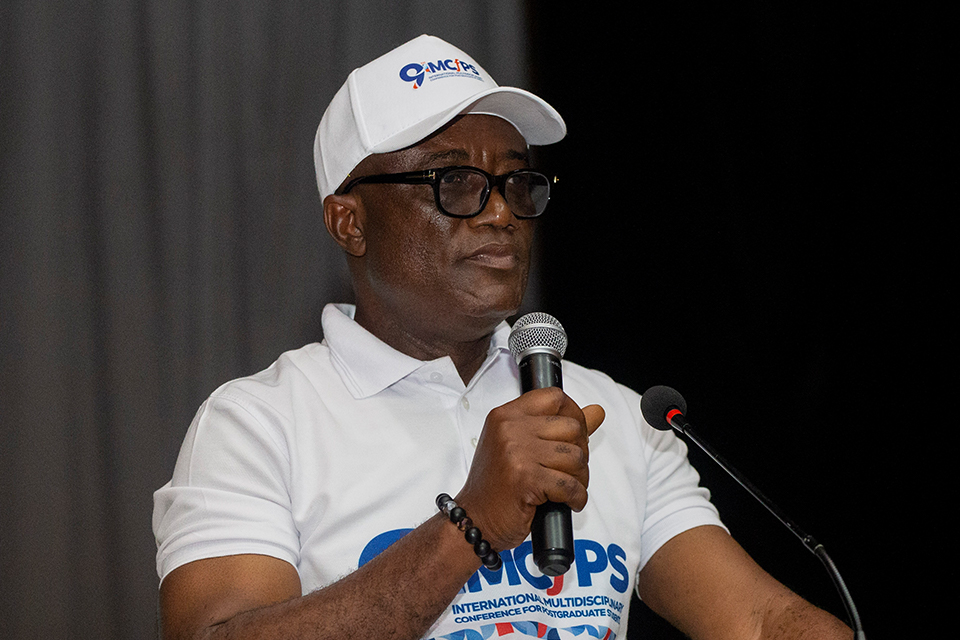
Welcoming participants, Prof. Charles K. Assuah, Dean of the Centre for International Programmes and Chairman of the Conference Planning Committee, described the conference as both timely and essential. He highlighted subthemes including teacher education, STEM for job creation, entrepreneurship, EdTech-academia partnerships and inclusive education as critical in bridging the education-employment gap. “Postgraduate students are uniquely positioned to lead this transformation by producing evidence, driving innovation and influencing policy,” he said.
He encouraged students to see their presentations not merely as academic exercises but as catalysts for dialogue, collaboration and practical solutions.
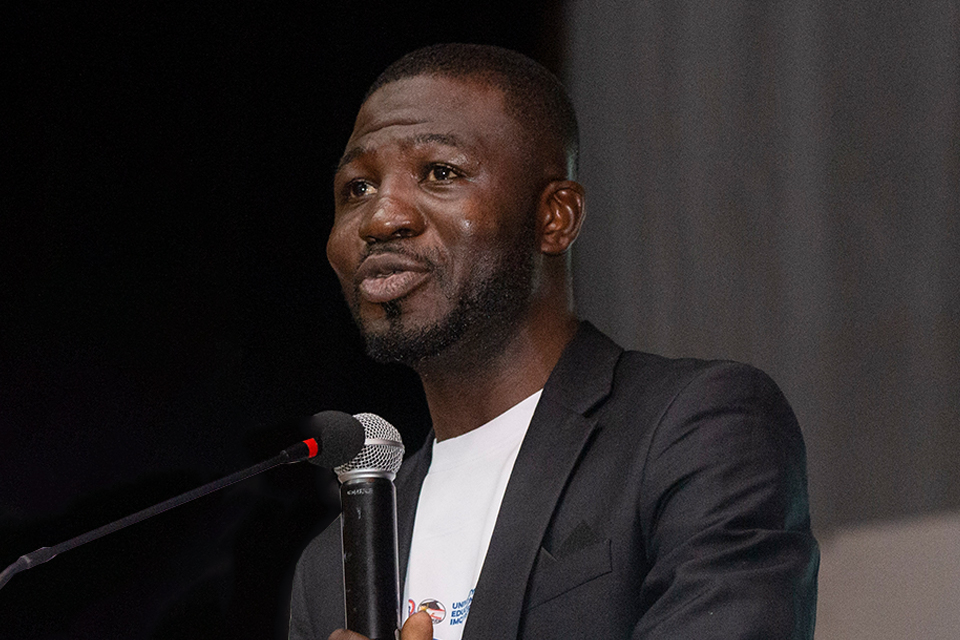
Mr. David Kwaku Xefu, President of GRASAG-UEW, welcomed delegates and emphasised the pivotal role of postgraduate research in shaping national development. “This gathering is not just another academic event; it is a convergence of minds, disciplines, and ideas. Education must not only impart knowledge but also nurture creativity and prepare learners for the world of work in an ever-changing global economy,” he stated.
He charged postgraduate students to use the conference as a stage to test their scholarship, challenge orthodoxies and translate their findings into actionable initiatives.
The opening ceremony closed with a renewed sense of urgency and commitment. The contributions of the five key people collectively highlighted the need for Ghana’s higher education system to move beyond theory and certification to foster creativity, innovation and sustainable employment opportunities.