UEW Scholars Secure Erasmus+ Grant for Sign Language Training


The University of Education, Winneba (UEW) continues to achieve remarkable progress on the international research stage as five of its faculty members have jointly secured an Erasmus+ Lump Sum Grant for a project on “Inter-Continental Collaboration in Sign Language Interpreter VET Education.”
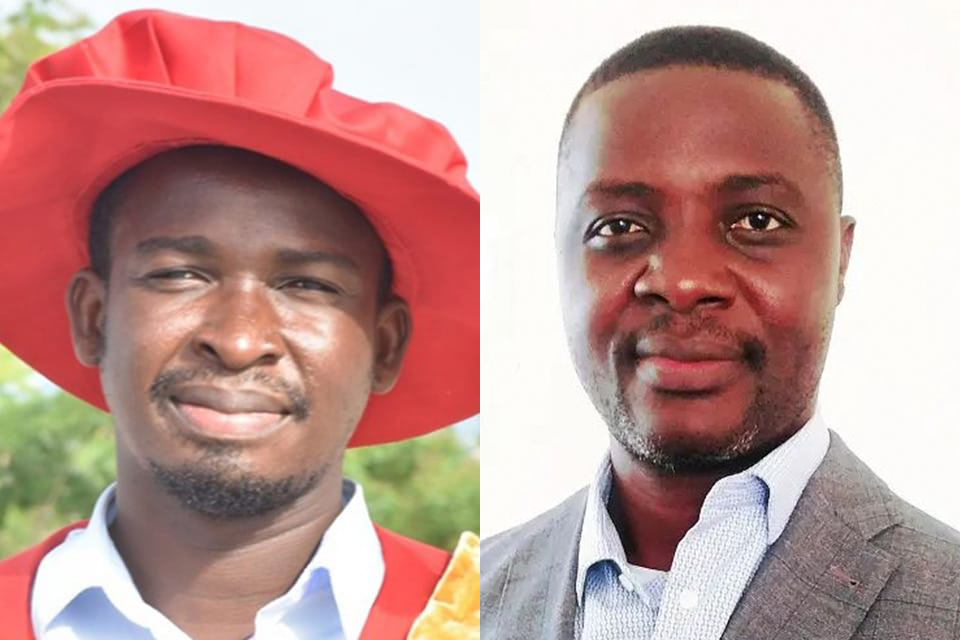
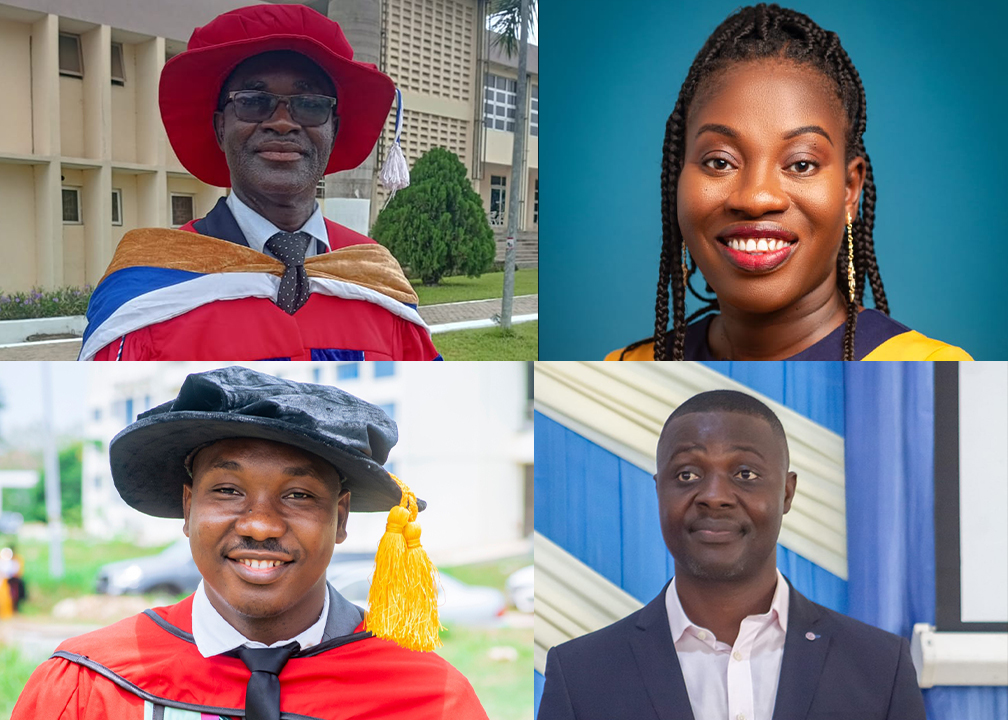
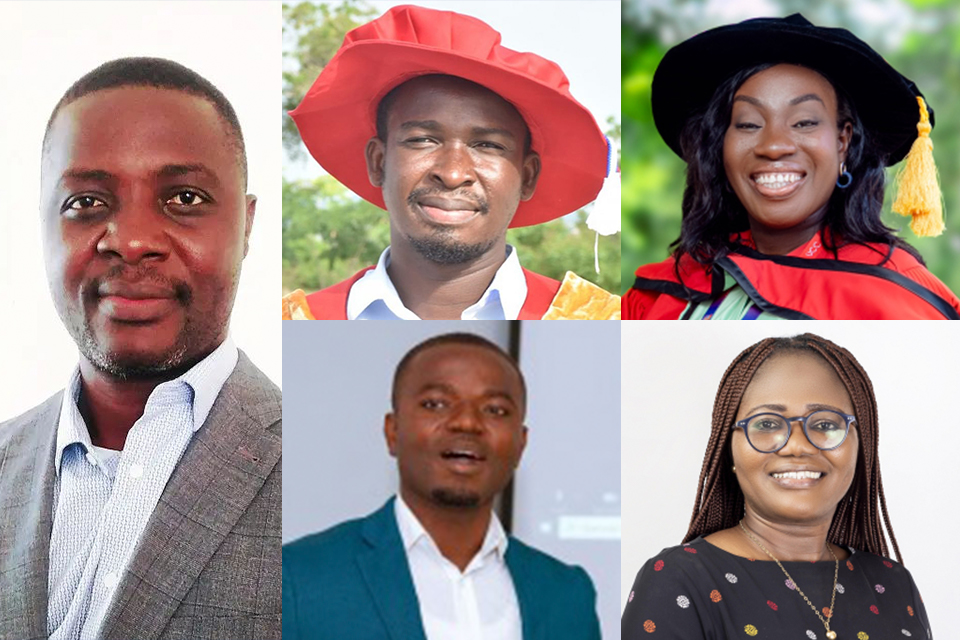
The award-winning team consists of Dr. Richard Osei Agjei (Project Coordinator), Dr. Bright Ankudze (Project Coordinator), Dr. Gifty Nana Yaa Rockson (Co-investigator), Dr. Daniel Fobi (Co-investigator) and Prof. Mavis Amo-Mensah, PhD (Co-investigator). Their project, titled “SignUnity: A Continental Collaboration in Sign Language Interpreter VET Education,” aims to revolutionise the training of sign language interpreters across Africa and Europe by developing a standardised vocational education and training (VET) curriculum.
This initiative addresses a critical global issue—the severe shortage of professionally trained sign language interpreters and the limited access to quality interpreter education, especially in Sub-Saharan Africa. The project aims to enhance linguistic competence and interpreting techniques by developing a specialised curriculum aligned with international standards and ethical practices among interpreters while promoting greater inclusion of deaf and hard-of-hearing communities.
Central to the project is the development of a new vocational curriculum tailored to interpreter training complemented by an interactive digital manual on ethical guidelines. These innovations will be broadly accessible through e-learning platforms, allowing both African and European partners to adopt and adapt them within their training programmes. The project also encourages collaboration between higher education institutions, vocational training providers, Non-Governmental Organisations (NGOs) and organisations representing the deaf community.
This multi-stakeholder approach ensures that the curriculum responds to real labour market needs and equips interpreters with the necessary skills to succeed in both local and international settings.
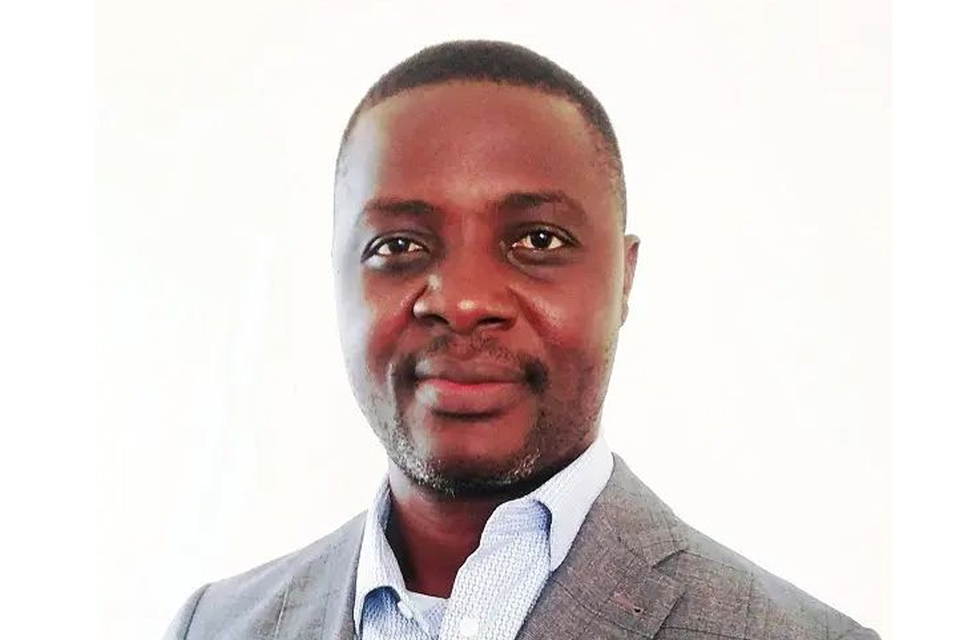
Dr. Agjei emphasised the significance of the grant, noting that the project is not only a milestone for UEW but also a vital step towards equity and social justice. “By training a new generation of skilled interpreters, we are enhancing accessibility, fostering diversity and ensuring that the deaf and hard-of-hearing community is fully included in social and economic life,” he stated.
Dr. Ankudze added that the initiative will set new standards in vocational education and training. “This is a future-focused project that harnesses digital tools and international collaboration to create sustainable solutions in interpreter education. It will provide lasting benefits for both Africa and Europe,” he said.
The proposal aligns closely with EU-Africa Global Gateway priorities, addressing key areas such as digital transformation, skills development and inclusive growth. It also reflects core EU values of equality, non-discrimination, civic engagement and respect for marginalised groups.
With partners from Ethiopia, Kenya, Ghana and European institutions, the project exemplifies the spirit of intercontinental cooperation for shared development. Beyond curriculum development, the project features an ambitious capacity-building plan including workshops, pilot training, professional mentoring and mobility activities for participants. The consortium also intends to establish sustainable frameworks to ensure the project’s long-term impact well beyond the duration of the grant.