UEW Faculty Win Erasmus+ Grant for Bioeconomy Research



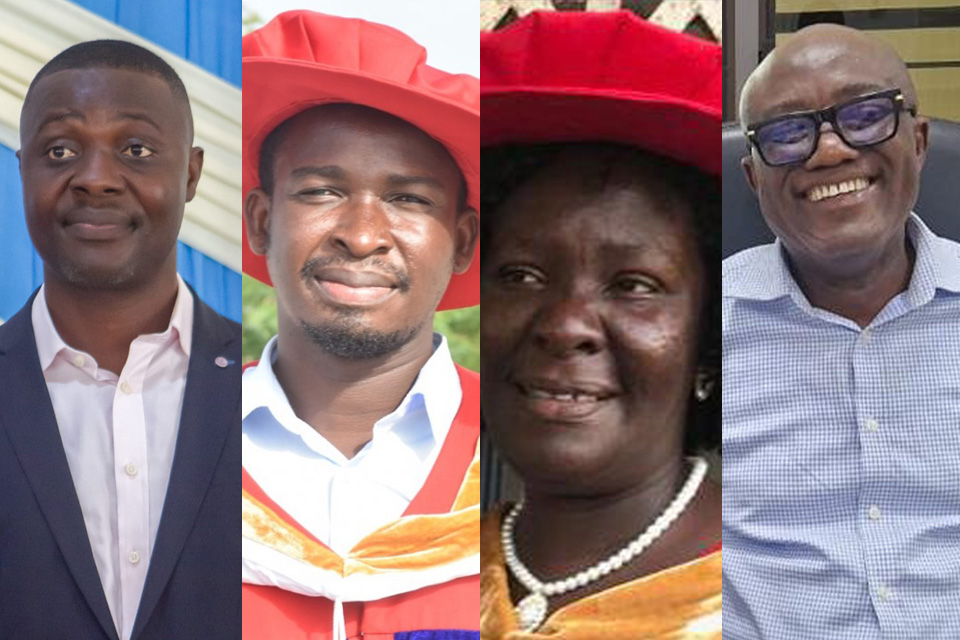
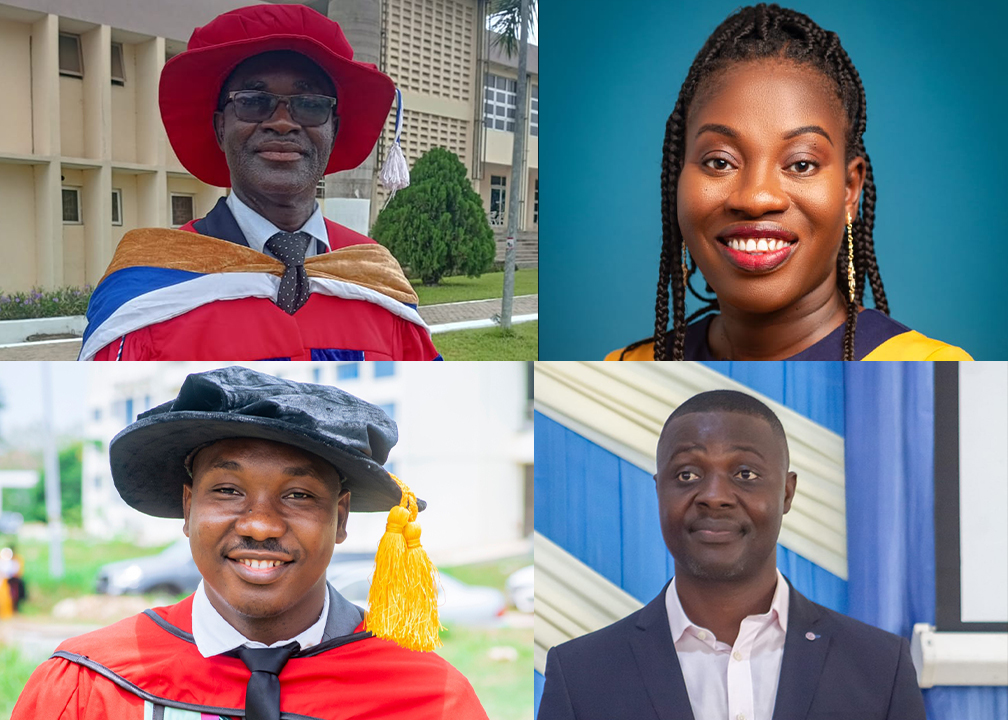
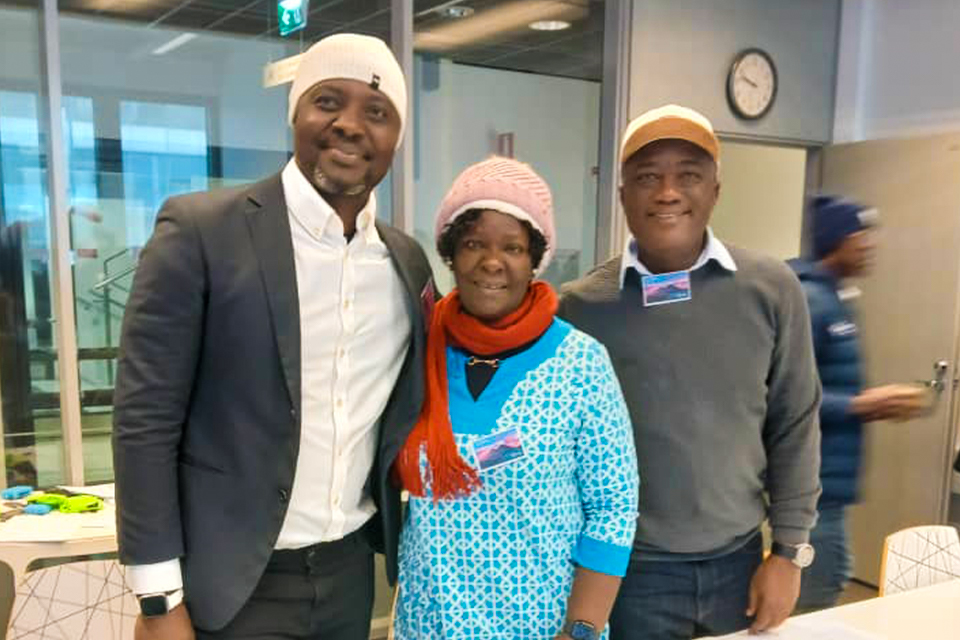
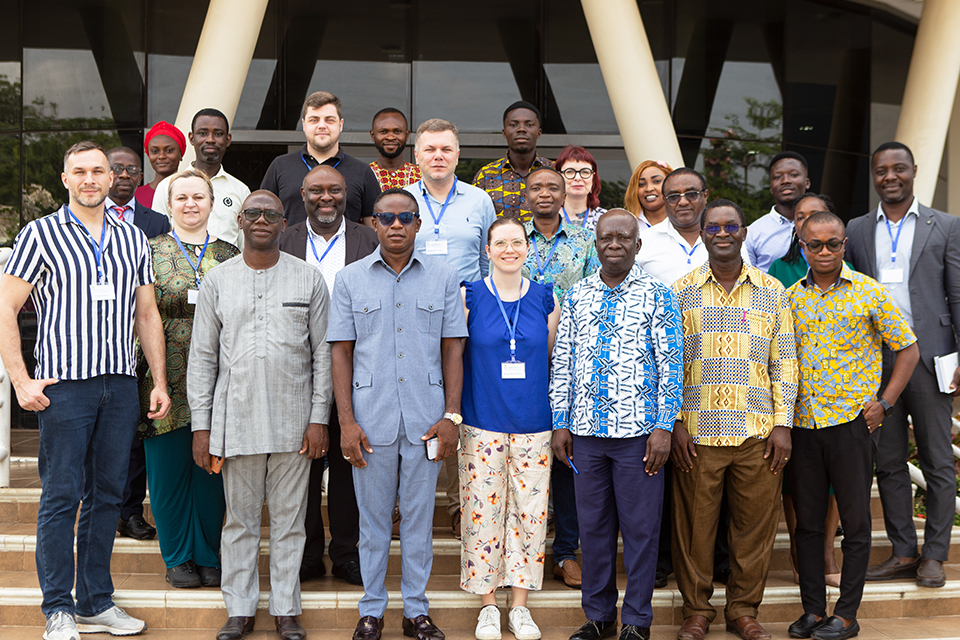
Two faculty members of the University of Education, Winneba (UEW), Dr. Bright Ankudze (Project Coordinator) and Dr. Richard Agjei (Co-Investigator), have won a highly competitive Erasmus+ Lump Sum Grant to undertake research on “Empowering Entrepreneurs for a Sustainable Bioeconomy.”
The award-winning project, known as The BioBusiness Catalyst, seeks to strengthen vocational education and training (VET) in the bioeconomy sector across Europe and Sub-Saharan Africa. The initiative aims to close critical skills gaps by developing a cutting-edge Bio-Based Product Technician curriculum that equips learners with practical knowledge in sustainable entrepreneurship, waste valorisation and circular economy principles.
The project is designed to respond directly to the evolving needs of the global bioeconomy, a sector currently valued at over $4 trillion and projected to continue expanding. In Sub-Saharan Africa, where nearly half of the population is engaged in agriculture, the project is expected to transform livelihoods by providing small-scale farmers, rural entrepreneurs, women and youth with the tools to convert agricultural waste into marketable bio-based products.
Central to the initiative is the creation of the BioBusiness Lab e-learning platform which will deliver flexible and inclusive training regardless of geographical location. Through a combination of research, curriculum development, pilot training and dissemination activities, the project will build the capacity of VET providers while fostering collaboration among universities, industry experts, policymakers and cooperatives across Europe and Africa.
The BioBusiness Catalyst is strongly aligned with the EU-Africa Global Gateway priorities, promoting green growth, gender inclusion and digital transformation. The project is expected to generate new career pathways, enhance economic resilience in rural areas and support long-term environmental sustainability by preparing a skilled workforce for bio-based industries.
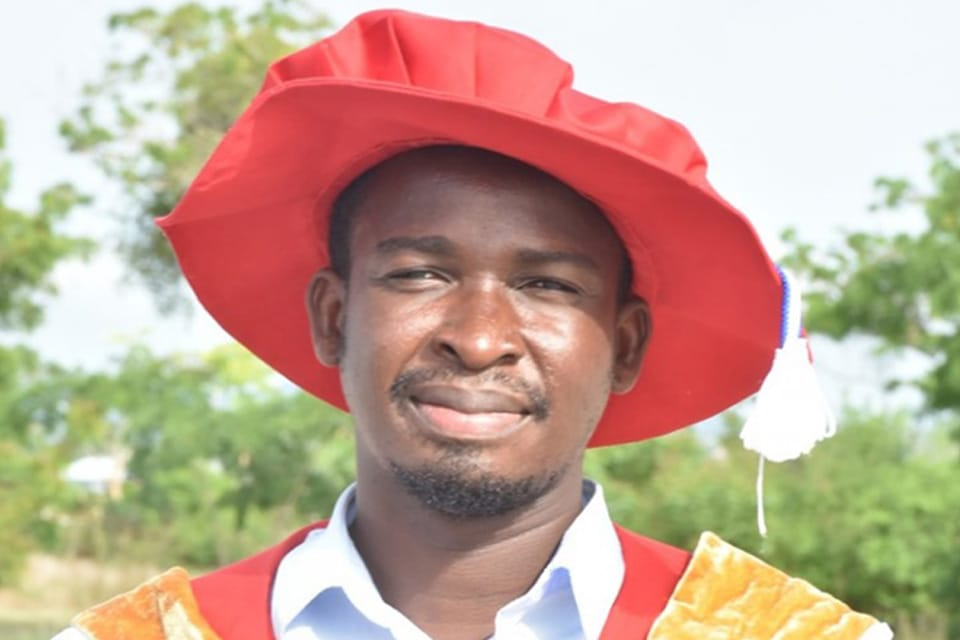
Highlighting the significance of the initiative, Dr. Ankudze explained that the project goes beyond academic research to address real-world challenges in sustainable industry and economic development. “This is about creating opportunities for local farmers and entrepreneurs to innovate with bio-based solutions, reduce waste, and improve livelihoods,” he noted.
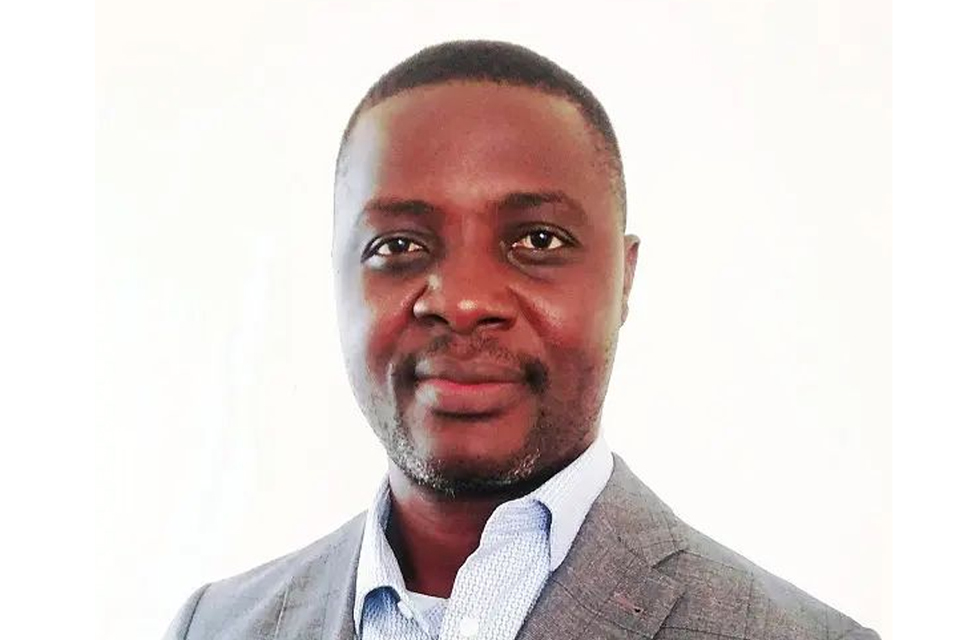
Dr. Agjei emphasised the project’s inclusivity, adding that its training modules are tailored to benefit marginalised groups, including women, unemployed youth and persons with disability. “We are ensuring that the bioeconomy becomes a vehicle for equal opportunity and sustainable transformation,” he stated.
The project introduces an innovative vocational framework that adheres to the European Qualifications Framework (EQF) to guarantee international recognition of skills acquired. The initiative promises to be a model for sustainable education and entrepreneurship in the bioeconomy sector, combining best practices from Europe with the local expertise of African partners.